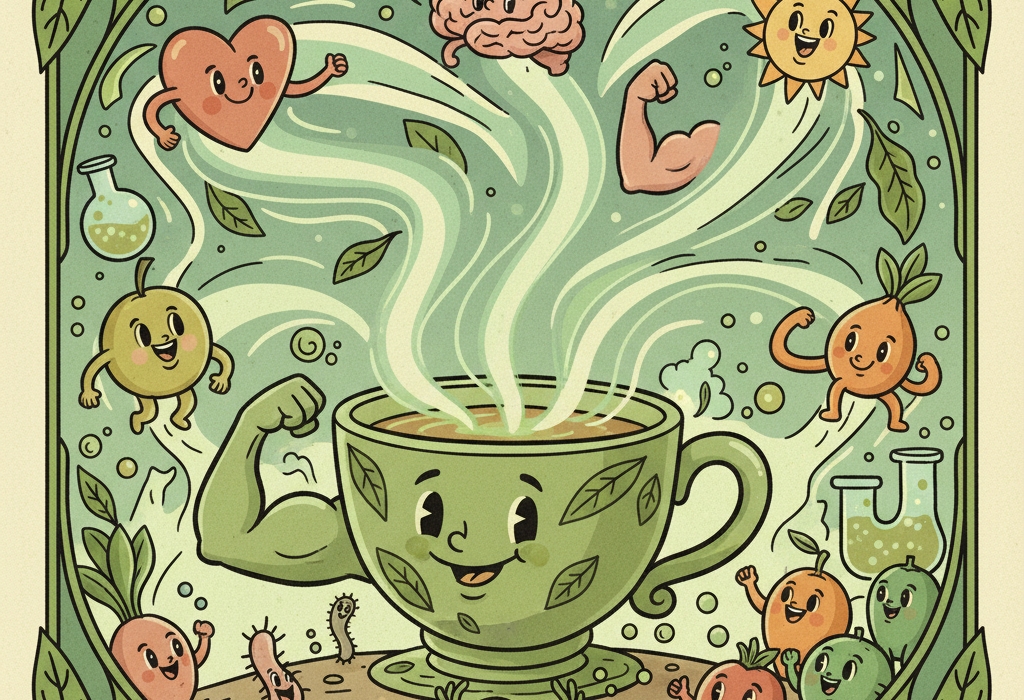
Green tea is one of the most consumed beverages on the planet, second only to water. But in recent years, scientists have turned their attention from the cup to the capsule. Green tea extract is a concentrated form of the tea leaf, processed to deliver high doses of active plant compounds without the volume of liquid.

For many people, the appeal lies in the promise of a faster metabolism or sharper focus. For researchers, the interest is in the specific molecules found inside the leaf, particularly a group of antioxidants called catechins (CAT-eh-kins). While the research is extensive, it is also complex, often distinguishing between sipping tea and taking high-dose supplements.
This article breaks down the latest research on green tea extract, separating the proven benefits from the marketing hype, and explains what you need to know before adding it to your routine.
What Is Green Tea Extract?
Green tea comes from the Camellia sinensis plant. Unlike black tea, which is fermented, green tea is steamed or roasted to prevent oxidation. This process preserves the plant’s natural polyphenols.
The most important compound in green tea extract is Epigallocatechin gallate, or EGCG (ep-ee-gal-oh-CAT-eh-kin GAL-ate). This is the primary antioxidant responsible for most of the health claims associated with green tea. While a standard cup of tea might contain 50, 100 mg of EGCG, extracts can concentrate this amount significantly, sometimes delivering hundreds of milligrams in a single dose.
Researchers are currently studying how these compounds interact with everything from our fat cells to our brain waves.
Does Green Tea Extract Help With Weight Loss?
Weight loss is the most common reason people seek out green tea extract. The scientific consensus is that while it can have an effect, it is not a miracle solution.
Metabolism and Fat Burning
Research suggests that green tea extract may help the body burn calories slightly more efficiently. A 2022 review in the Journal of Preventive Medicine and Hygiene analyzed various dietary supplements and noted that green tea extract can reduce appetite and stimulate thermogenesis (the production of heat in the body). The study highlighted that antioxidants in green tea, specifically EGCG, inhibit the breakdown of norepinephrine, a chemical messenger that signals fat breakdown.
However, the effects are often modest. The research indicates that while green tea is an attractive alternative to pharmaceutical drugs due to lower toxicity, it works best as a “helper” alongside diet and exercise rather than a standalone solution.
Synergistic Effects
Newer research is looking at how green tea extract pairs with other foods. A 2024 study in Food & Function found that combining green tea extract with bioprocessed black rice bran resulted in 67% lower weight gain in mice on a high-fat diet compared to those who did not receive the combination. While this is an animal study, it suggests that green tea extract may work synergistically with fiber and other antioxidants to block fat absorption and improve metabolic health.
Related: GLP-1 Weight Loss Drugs: What Real-World Results Actually Show
Brain Health and Mood
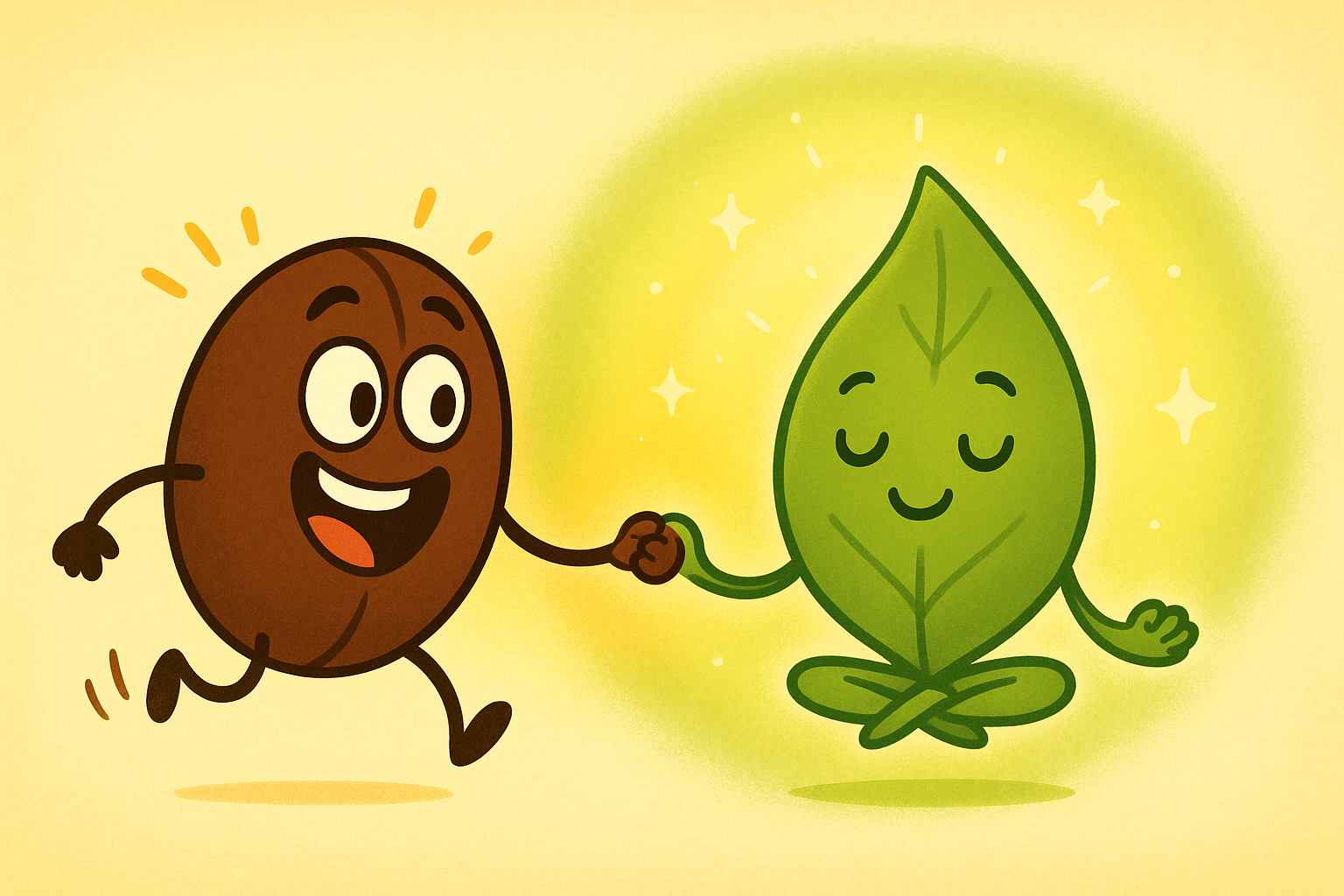
One of the most immediate effects users notice from green tea is a state of “calm focus.” This is largely due to the interaction between caffeine and an amino acid called L-theanine (el-THEE-ah-neen).
Anxiety and Cognition
A systematic review published in Phytomedicine examined 21 studies on green tea and the human brain. The researchers found evidence that green tea influences psychopathological symptoms, such as reducing anxiety, and improves cognition, specifically memory and attention.
The review noted that these benefits are not attributed to a single constituent. The beneficial effects on cognition were observed most clearly under the combined influence of both caffeine and L-theanine, whereas separate administration of either substance had a lesser impact. This suggests that the natural balance found in the tea leaf (or full-spectrum extracts) may be superior to isolated compounds.
Neuroprotection
Beyond daily focus, there is interest in how green tea protects the aging brain. A 2021 review in Current Neuropharmacology highlighted that green tea exhibits neuroprotective effects. The antioxidants appear to help neutralize oxidative stress in the brain, which is a key driver of neurodegenerative conditions like Alzheimer’s and Parkinson’s disease. The study pointed out that EGCG can modulate brain waves, potentially increasing alpha, beta, and theta waves, which are associated with a relaxed, alert state.
Cardiovascular and Blood Pressure Benefits
Heart health is one of the areas where the evidence for green tea is particularly consistent. High blood pressure is a major risk factor for heart disease and stroke.
A 2023 meta-analysis in Alternative Therapies in Health and Medicine synthesized data from 9 randomized controlled trials involving 680 healthy individuals. The analysis found that green tea supplementation effectively lowered systolic blood pressure by an average of 2.99 mmHg and diastolic blood pressure by 0.95 mmHg. While these numbers may seem small, even minor reductions in blood pressure across a population can significantly reduce the incidence of stroke and heart failure.
Liver Health and NAFLD
Non-alcoholic fatty liver disease (NAFLD) is a condition where excess fat builds up in the liver of people who drink little to no alcohol. It is becoming increasingly common due to rising obesity rates.
A clinical trial in Pakistan investigated the effects of 500mg of green tea extract taken twice daily for twelve weeks in patients with NAFLD. The results were significant: the green tea group saw improvements in body weight, lipid profiles (cholesterol and triglycerides), and liver enzymes (ALT and AST). Most notably, the green tea extract caused a 67.5% regression of fatty liver changes visible on ultrasound, compared to only 25% in the placebo group.
Related: Can Supplements Slow Down Your Liver’s Aging Clock?
Women’s Health: Fibroids and Endometriosis
Recent research has uncovered potential benefits of green tea extract for benign gynecological disorders, which affect millions of women.
A 2023 review in Nutrients highlighted that EGCG has anti-fibrotic and anti-angiogenic (stopping new blood vessel growth) properties. The review synthesized findings showing that green tea extract may alleviate symptom severity in uterine fibroids and improve endometriosis. The mechanisms include reducing uterine contractility and improving the pain associated with dysmenorrhea (painful periods). This is a promising area of research for women seeking non-hormonal management strategies.
Oral and Skin Health
Green tea’s ability to fight bacteria and protect cells extends to the mouth and skin.
Oral Health
The mouth is full of bacteria, some of which cause cavities and gum disease. A 2022 review in the Journal of Oral Microbiology detailed how EGCG acts against common oral pathogens. It has been shown to inhibit Streptococcus mutans, the primary bacteria responsible for cavities, and Porphyromonas gingivalis, a key player in gum disease. The EGCG damages the bacterial cell membranes, preventing them from adhering to teeth and forming plaque.
Skin Protection
Topical application of green tea extract is becoming common in skincare. A review in the Journal of the American Academy of Dermatology explained that green tea polyphenols can protect the skin against UV radiation and oxidative stress. The antioxidants scavenge free radicals produced by sun exposure, potentially slowing photoaging (premature aging of the skin caused by the sun). Furthermore, a 2025 review emphasized that green tea extract offers anti-inflammatory properties, making it a potent ingredient for maintaining skin integrity alongside vitamins C and E.
The Gut Microbiome Connection
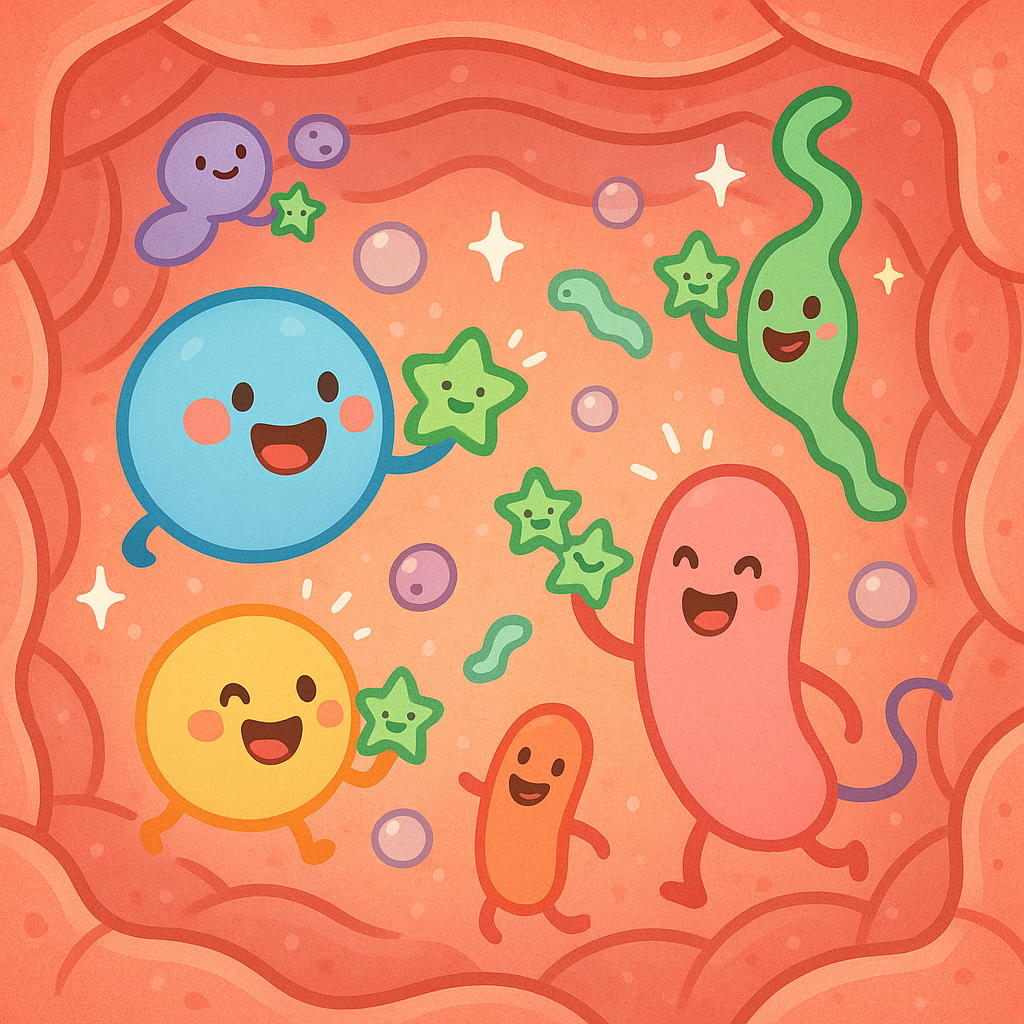
Interestingly, you might not be absorbing all the antioxidants you consume; and that might be a good thing. A 2021 study in Molecules explained that green tea polyphenols have low bioavailability, meaning they are not fully absorbed in the small intestine. Instead, they reach the colon, where they interact with gut bacteria.
The research indicates that green tea acts like a prebiotic. It stimulates the growth of beneficial bacteria species like Bifidobacterium while hindering the growth of potentially detrimental ones. This interaction helps correct microbial imbalances (dysbiosis) often seen in obesity. Essentially, your gut bacteria “eat” the green tea compounds and produce smaller, bioactive metabolites that your body can then absorb and use.
Who Should Be Careful?
While green tea is generally safe, highly concentrated extracts carry risks that brewed tea does not.
Liver Concerns: High doses of EGCG (typically above 800mg per day) have been linked to rare cases of liver toxicity. The NAFLD study used 500mg twice daily safely, but individuals with existing liver conditions should consult a doctor before using high-dose extracts.
Bioavailability Issues: A 2024 study in Applied Biochemistry and Biotechnology noted that catechins are unstable. They degrade easily depending on pH and temperature. Taking green tea extract on an empty stomach may improve absorption but can also cause nausea in some people.
Caffeine Sensitivity: Extracts often contain caffeine unless specified otherwise. Those sensitive to stimulants should look for decaffeinated versions to avoid jitteriness or sleep disruption.
The Bottom Line
Green tea extract is one of the most chemically complex and well-studied supplements available. The strongest evidence supports its use for improving metabolic markers (like blood pressure and cholesterol), protecting the brain, and supporting liver health in specific conditions like NAFLD. Its role in weight loss is real but modest; it is a tool, not a solution.
For most people, a high-quality extract providing 400. 500mg of EGCG daily appears effective and safe, though drinking brewed tea remains the safest and most enjoyable way to obtain these compounds.
Quick Reference: Key Studies
| Study Focus | Key Finding | Source |
|---|---|---|
| Blood Pressure | Supplementation reduced systolic BP by ~3 mmHg and diastolic by ~1 mmHg in healthy people. | PMID 36689359 |
| Fatty Liver (NAFLD) | 500mg GTE twice daily reduced liver fat by 67.5% compared to 25% in placebo. | PMID 29067068 |
| Cognition & Mood | Green tea reduces anxiety and improves memory/attention, largely due to L-theanine + caffeine synergy. | PMID 28899506 |
| Weight Loss | Combined with black rice bran, GTE significantly reduced weight gain in mice on high-fat diets. | PMID 39570048 |
| Eye Health | Green tea extract significantly reduced intraocular pressure (IOP) in glaucoma models. | PMID 35601179 |
| Oral Health | EGCG inhibits growth of cavity-causing S. mutans and gum disease bacteria. | PMID 36212989 |
Last updated: February 2026
This article synthesizes findings from peer-reviewed research. It is for educational purposes only and does not constitute medical advice. Consult a healthcare provider before starting any new regimen.



Leave a Reply