Experiencing a pregnancy loss is a deeply painful event. If you have gone through it, you are not alone. Many people naturally wonder if there is anything they could have done differently. This often leads to a web of guilt, confusing advice, and outdated myths.
Before diving into the science, it is important to know that most early pregnancy losses are completely out of your control. A miscarriage (MISS-kair-ij), defined as the loss of a pregnancy before the fetus can survive outside the uterus, is most often caused by random genetic errors.

However, researchers are constantly learning more about the factors we can control. While we cannot prevent every loss, recent studies show that managing specific health conditions, adjusting daily habits, and using targeted medical treatments can significantly lower your overall risk.
If you are currently navigating the emotional aftermath of a loss, you may find it helpful to read What Science Actually Says About Coping With Grief and Loss. If you are looking forward and want to understand how to protect your next pregnancy, here is what the latest evidence actually says.
What the Research Shows About Miscarriage Risk
Scientists have identified several biological and lifestyle factors that influence pregnancy success.
The Role of Body Weight
A person’s body weight plays a notable role in pregnancy health. A 2024 study in JAMA Network Open followed over 3,600 women and their partners. The researchers found that being overweight or obese before pregnancy increased the risk of miscarriage.
Interestingly, this risk applies even when the embryo itself is perfectly healthy. A 2021 study in Fertility and Sterility looked at women who underwent in vitro fertilization (IVF). They only transferred embryos that were euploid (YOO-ployd), meaning the embryos had a normal, healthy number of chromosomes. Even with these healthy embryos, women with obesity experienced a higher rate of miscarriage compared to women with a normal weight.
Related: What Science Actually Says About Managing Gestational Diabetes
Underlying Health Conditions
Certain medical conditions can make the body a more difficult environment for a pregnancy to thrive.
- PCOS: Women with Polycystic Ovarian Syndrome (pah-lee-SIS-tik oh-VAIR-ee-un SIN-drome), a common hormonal disorder, have a higher risk of pregnancy loss. However, a 2021 nationwide study found that treating PCOS with a medication called metformin reduced the risk of a subsequent miscarriage by about 25 percent.
- Thyroid Issues: Your thyroid controls your metabolism and hormones. Research shows that having certain thyroid antibodies increases miscarriage risk. For women with an overactive thyroid, a 2023 review in PLoS One found that a medication called propylthiouracil is the safest option during the first trimester to manage the condition without harming the baby.
- Asthma: A 2023 genetic study found a direct link between asthma and miscarriage. This highlights how important it is to keep asthma well-controlled during pregnancy.
The Male Factor
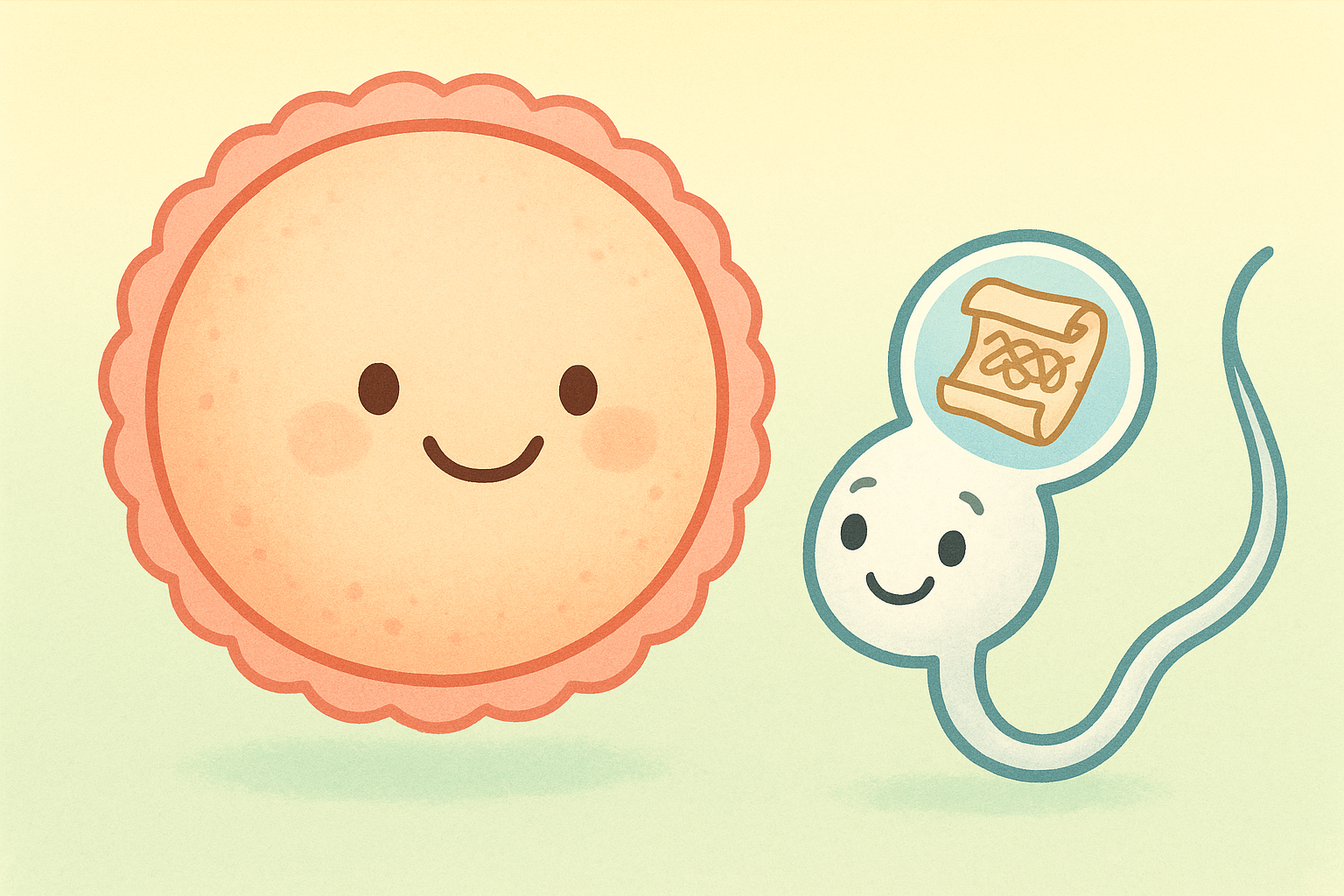
For a long time, pregnancy loss was blamed entirely on the mother. We now know this is medically inaccurate. A 2023 review in Human Reproduction Update confirmed that sperm quality, DNA integrity, and seminal fluid all play a massive role in early embryo development. If the sperm carries damaged DNA, the pregnancy may fail to progress. Fathers also need to focus on their health, weight, and lifestyle before conception.
Common Questions About Miscarriage
Because this topic is so emotional, many myths have become popular. Here is how the science answers the most common questions.
How long should I wait to try again after a miscarriage?
You may have heard that you should wait six months before trying to conceive again. This is outdated advice. A large 2017 study in Obstetrics and Gynecology tracked women after a loss. They found that women who conceived again in less than three months actually had the lowest risk of a repeat miscarriage. Unless your doctor tells you otherwise for a specific medical reason, there is no physical need to delay.
Does stress cause miscarriage?
It is common to worry that a stressful day at work or an argument caused a pregnancy loss. According to the European Society of Human Reproduction and Embryology (ESHRE) guidelines, there is no evidence that everyday stress directly causes miscarriage.
Is exercise safe during early pregnancy?
Yes. A 2023 review of 18 studies looked at exercise during pregnancy. They found that exercise did not increase the risk of miscarriage. In fact, low-intensity and mind-body exercises helped reduce the risk of other complications, like gestational diabetes and preeclampsia.
Practical Guidance for Reducing Risk
If you are planning to conceive or are newly pregnant, the research supports several actionable steps.
Ask About Progesterone
Progesterone (pro-JESS-tuh-rone) is a hormone that prepares the uterus for pregnancy. A massive 2020 study published in the American Journal of Obstetrics and Gynecology looked at women who experienced bleeding in early pregnancy. They found that giving vaginal progesterone supplements significantly increased live birth rates, but only for women who had already suffered at least one previous miscarriage. If you have a history of loss and experience early bleeding, ask your doctor about progesterone.
Adjust Your Sleep and Schedule
Your body runs on an internal clock called a circadian rhythm. Disrupting this clock can confuse your immune system and hormones. A Chinese hospital study found that women who frequently worked night shifts or stayed up late (past 1:00 AM) had a higher risk of early miscarriage. Prioritizing a normal, consistent sleep schedule is a simple but powerful way to protect your health.
Take Your Vitamins
Preconception health matters. A 2021 study analyzing preconception risk scores confirmed that a lack of dietary supplements, smoking, and heavy alcohol use all independently raise the risk of pregnancy loss. Start taking a prenatal vitamin with folic acid well before you start trying to conceive.
Review Your Personal Care Products
Some chemicals in everyday products can interfere with hormones. A 2023 study in The Science of the Total Environment analyzed synthetic musks, which are artificial scents used in lotions and perfumes. The researchers found that high exposure to certain synthetic musks is linked to an increased risk of miscarriage. Choosing fragrance-free or naturally scented products during pregnancy is a safe precaution.
How This Might Work
To understand why some pregnancies fail, scientists look at the microscopic environment of the uterus.
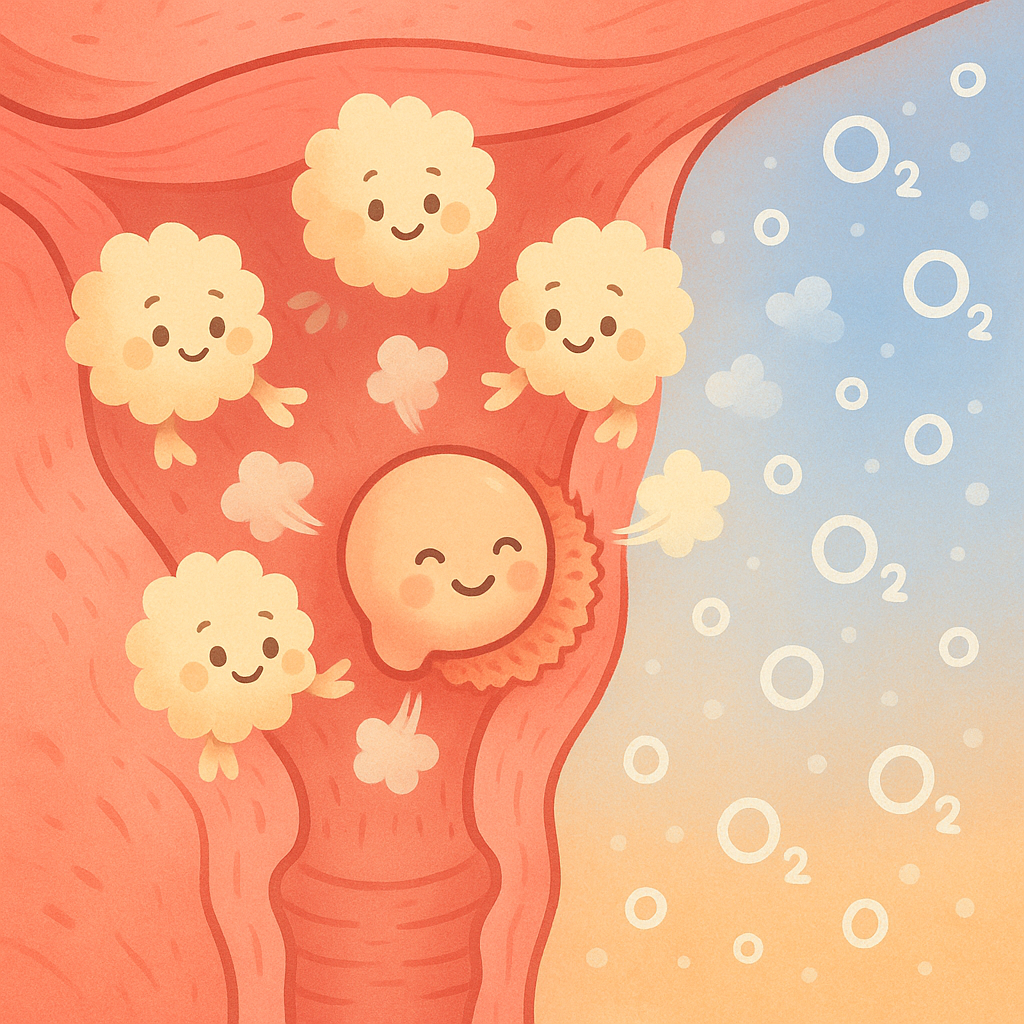
During the very early stages of pregnancy, the embryo actually needs a low-oxygen environment to implant properly. A 2021 study in Nature Communications discovered that a specific chemical in the body called succinate (SUK-sin-ate) helps create this temporary low-oxygen state.
In women who suffer recurrent miscarriages, researchers found that their bodies were clearing out succinate too quickly. Without enough succinate, the uterus had too much oxygen too soon, which disrupted the embryo’s ability to attach and grow. Understanding this mechanism gives scientists new targets for future miscarriage prevention drugs.
Who Benefits Or Needs Caution
While general lifestyle advice applies to everyone, certain medical situations require specific caution.
Women needing genetic testing: Sometimes doctors recommend Chorionic Villus Sampling (CVS), a test that takes a tiny sample of the placenta to check for genetic defects. A 2020 study found that having a CVS test increases the risk of miscarriage by about 1 percent. If you are considered low-risk for genetic issues, you and your doctor should carefully weigh whether the test is truly necessary.
Women with autoimmune conditions: If a woman has an overactive immune system, her body might mistakenly attack the pregnancy. For women with specific immune issues like antiphospholipid syndrome, research shows that specialized treatments like intravenous immunoglobulin (IVIG) or blood thinners can drastically reduce miscarriage rates. However, these treatments should only be used by patients with diagnosed immune conditions, as they carry other risks like preterm delivery.
The Bottom Line
While we cannot prevent every miscarriage, the science is clear that we have more tools than ever to improve the odds of a healthy pregnancy.
- What we know: Maintaining a healthy weight, managing conditions like PCOS and asthma, taking prenatal vitamins, and prioritizing sleep all create a better environment for a baby to grow.
- What remains uncertain: The exact ways that our microbiome (gut and reproductive bacteria) and environmental toxins impact pregnancy are still being mapped out by researchers.
- How confident we are: We are highly confident that paternal health matters, that waiting six months after a loss is unnecessary, and that targeted medical treatments like progesterone and metformin can save pregnancies in specific, high-risk patients.
Talk to your healthcare provider about your specific medical history to create a plan that works best for you.
Quick Reference: Key Studies
| Study Focus | Key Finding | Source |
|---|---|---|
| Progesterone | Vaginal progesterone helps prevent miscarriage in women with early bleeding and a history of previous loss. | PMID 32008730 |
| Waiting Period | Conceiving less than 3 months after a miscarriage has the lowest risk of a repeat loss. | PMID 29112656 |
| PCOS Treatment | Metformin treatment in women with PCOS reduces subsequent miscarriage risk. | PMID 34444016 |
| Obesity & Embryos | Female obesity increases miscarriage risk even when the embryo is genetically normal. | PMID 33267960 |
| Male Factors | Sperm DNA integrity and seminal plasma heavily influence early embryo survival. | PMID 36882116 |
| Sleep Habits | Working night shifts or frequently staying up late increases miscarriage risk. | PMID 24666755 |
Last updated: March 2026
This article synthesizes findings from peer-reviewed research. It is for educational purposes only and does not constitute medical advice. Consult a healthcare provider before starting any new regimen.

Leave a Reply