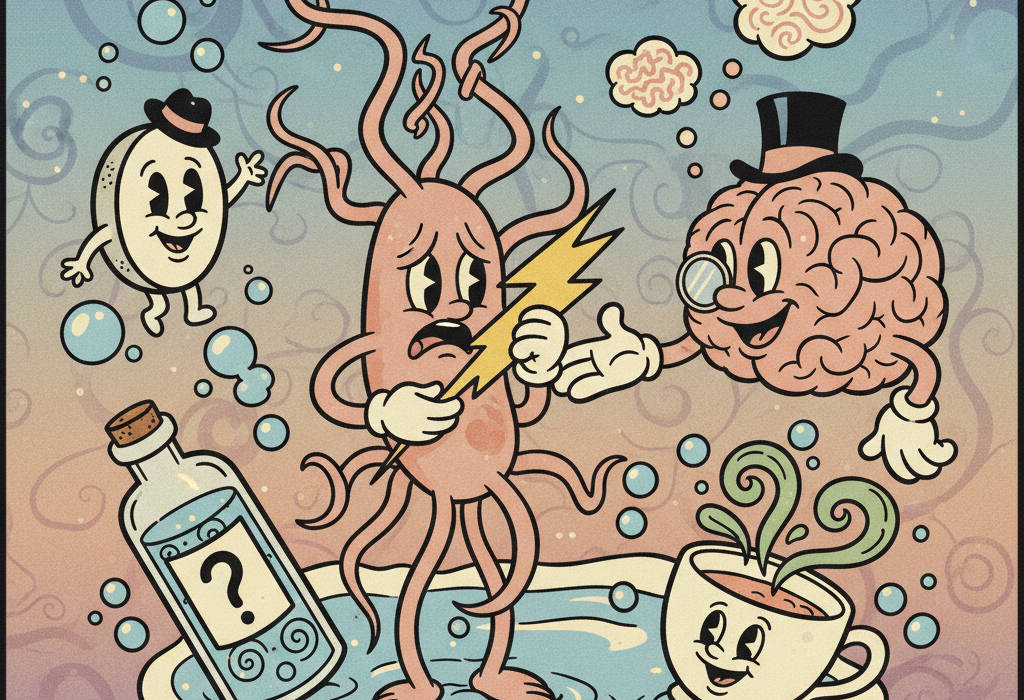
Imagine a home security alarm that keeps ringing loudly for months after a burglar has already left. No matter what you do, the siren will not shut off. This is a helpful way to understand neuropathic pain (noor-oh-PATH-ik), a complex condition where the nervous system sends chronic pain signals even when there is no active physical injury.

Neuropathic pain happens when nerves are damaged or diseased. It is a common complication of diabetes, cancer treatments, shingles, spinal cord injuries, and facial nerve disorders. People often describe it as burning, shooting, or feeling like electric shocks.
One of the most frustrating aspects of neuropathic pain is that standard painkillers, like ibuprofen or acetaminophen, usually do not work. Because the root cause is a misfiring nervous system rather than tissue inflammation, treating it requires a completely different approach.
This article breaks down what the latest peer-reviewed research says about how to treat neuropathic pain, which medications actually work, and what emerging therapies are on the horizon.
Why Standard Painkillers Fail
To understand how neuropathic pain treatments work, we first need to understand why standard treatments fail.
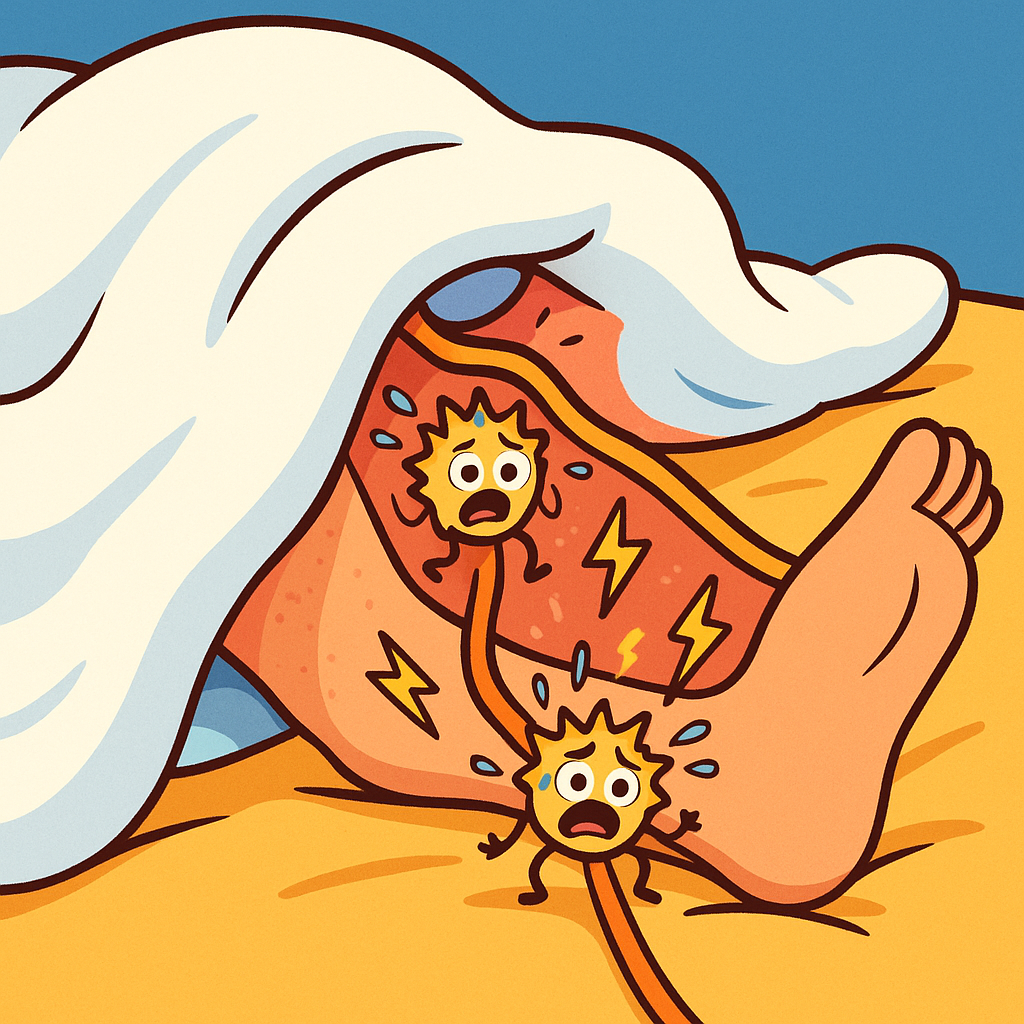
When you sprain your ankle, your body produces inflammatory chemicals. Traditional painkillers block these chemicals. However, neuropathic pain is driven by central sensitization (SEN-sih-tih-ZAY-shun). This occurs when the brain and spinal cord become hyper-reactive to normal stimuli. Nerves begin firing on their own, or they misinterpret gentle touches, like a bedsheet resting on your leg, as severe pain.
A 2016 review in The Medical Clinics of North America notes that because neuropathic pain arises from the somatosensory nervous system itself, it requires a multimodal approach. Doctors must target the electrical signals and chemical messengers that nerves use to communicate.
What the Research Shows: First-Line Treatments
Because neuropathic pain is complex, doctors often use medications originally designed for other conditions. Research consistently supports three main categories of first-line treatments.
1. Anticonvulsants (Seizure Medications)
Medications originally designed to prevent seizures, such as gabapentin (gab-uh-PEN-tin) and pregabalin, are now standard treatments for nerve pain.
According to a 2025 study in International Orthopaedics, these drugs work by modulating calcium channels in the nervous system. By blocking the flow of calcium into nerve cells, they prevent the nerves from releasing excessive pain-inducing neurotransmitters. Essentially, they quiet down the electrical storms happening inside damaged nerves.
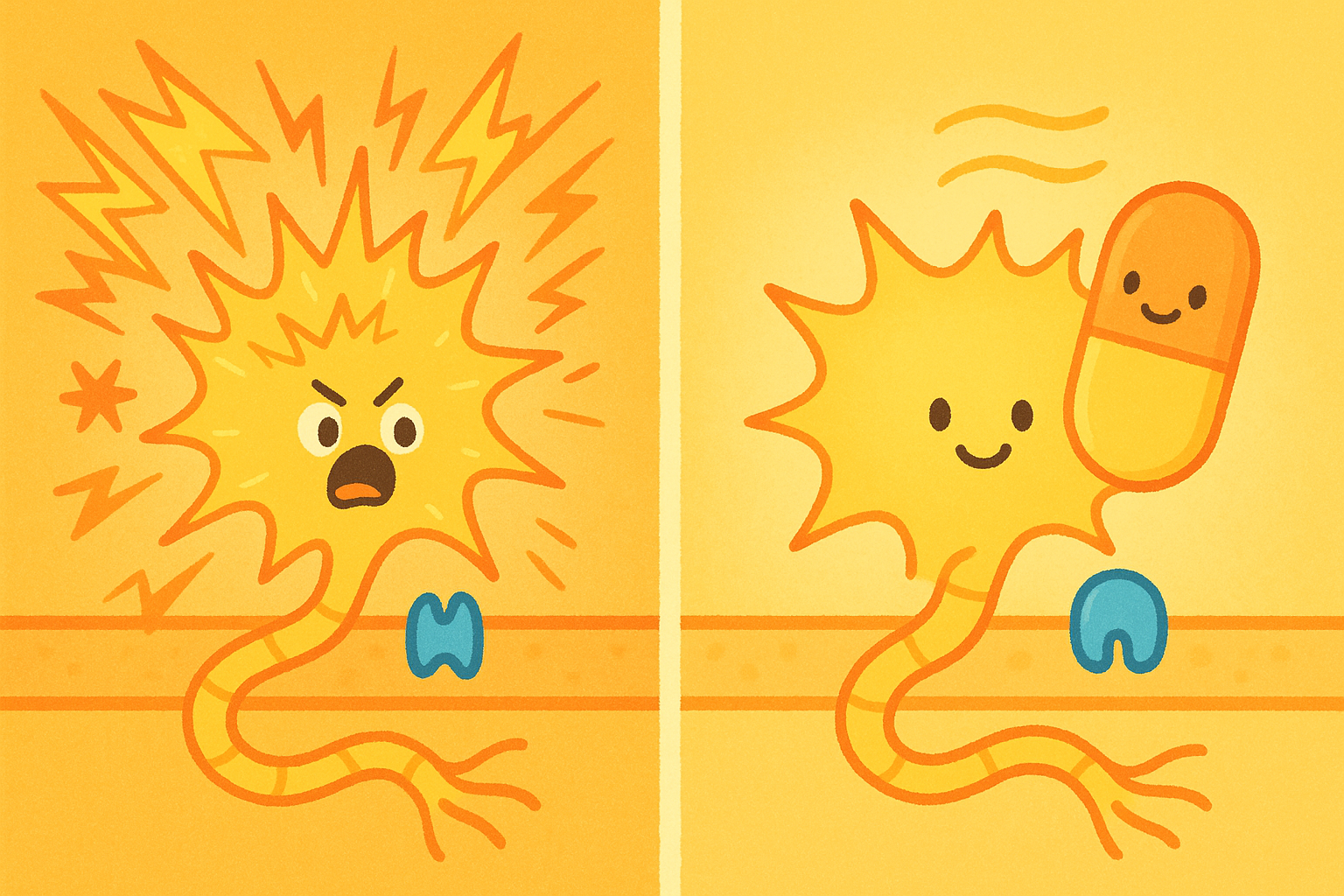
While effective, these medications can cause sedation, dizziness, and weight gain, meaning patients usually need to start at a low dose and gradually increase it.
2. Antidepressants
It often surprises patients to receive an antidepressant prescription for physical pain. However, a 2017 review in the International Journal of Molecular Sciences explains that certain antidepressants have powerful, direct pain-relieving effects that are completely separate from their mood-boosting abilities.
Research shows that two specific types of antidepressants work best for nerve pain:
- SNRIs (Serotonin-noradrenaline reuptake inhibitors), like duloxetine.
- TCAs (Tricyclic antidepressants), like amitriptyline.
These drugs increase the levels of a chemical called noradrenaline in the spinal cord. Noradrenaline acts like a natural brake pedal for pain signals. By boosting noradrenaline, these medications help the body suppress the misfiring pain signals before they reach the brain. Notably, the pain-relieving effects of these drugs often kick in within a few days, much faster than the weeks it takes for them to improve depression.
Related: Psychedelics for Mental Health: What the Science Actually Says
3. Topical Treatments
For pain that is limited to a specific area, topical treatments can provide relief without systemic side effects.
- Lidocaine patches: These act as local anesthetics, blocking sodium channels in the skin to numb the area.
- Capsaicin patches: Derived from chili peppers, high-concentration capsaicin patches work by initially stimulating nerve endings and then essentially exhausting them. Over time, this depletes a pain messenger called Substance P, leading to long-term numbness in the treated area.
How Different Medications Compare
| Treatment Class | Examples | How It Works | Common Uses |
|---|---|---|---|
| Anticonvulsants | Gabapentin, Pregabalin | Calms overactive electrical nerve firing | Diabetic neuropathy, post-surgical pain |
| Antidepressants | Duloxetine, Amitriptyline | Boosts noradrenaline to block pain signals | Nerve compression, chemotherapy-induced pain |
| Topicals | Lidocaine, Capsaicin | Numbs local nerve endings or depletes pain chemicals | Shingles pain, localized nerve damage |
Emerging and Alternative Medical Treatments
When first-line treatments do not provide enough relief, researchers are finding success with alternative approaches.
Botulinum Toxin (Botox)
Most people associate botulinum toxin (BoNT) with cosmetic wrinkle reduction, but it has become a highly effective treatment for severe nerve pain.
A 2024 review in Pharmacology & Therapeutics explains that when BoNT is injected under the skin, it is taken up by nerve terminals. It then blocks the release of inflammatory chemicals and pain transmitters, including glutamate and CGRP.
Clinical trials have shown BoNT to be particularly effective for facial nerve pain. A 2023 systematic review in Toxins looked at patients with trigeminal neuralgia, a condition causing severe electric-shock sensations in the face. The review found that BoNT injections were consistently superior to placebos in reducing pain levels and improving patients’ quality of life, with effects lasting up to three months.
Tapentadol
For severe pain, doctors sometimes prescribe opioids. However, classic opioids like morphine often lose their effectiveness against neuropathic pain over time and carry high risks of addiction.
A 2023 review in Drug Design, Development and Therapy highlights a newer drug called tapentadol. Tapentadol has a dual mechanism. It acts as a weak opioid, but it also inhibits the reuptake of noradrenaline, much like an antidepressant. This dual action makes it significantly more effective for neuropathic pain than traditional opioids, while generally causing fewer side effects like nausea and constipation.
What About Medical Cannabis?
Many patients turn to medical cannabis for chronic pain, but the scientific evidence for neuropathic pain remains mixed.
A major 2018 Cochrane Database Review analyzed 16 studies involving 1,750 participants using cannabis-based medicines (including sprays, synthetic cannabinoids, and inhaled herbal cannabis).
The review found that cannabis-based medicines may slightly increase the number of people who achieve a 50% reduction in pain compared to a placebo. However, the researchers cautioned that more participants withdrew from the studies due to adverse side effects (like dizziness and psychiatric symptoms) when using cannabis. The authors concluded that the potential harms might outweigh the benefits for many patients, and the overall quality of the evidence was rated as low to moderate.
Non-Drug Approaches and Physical Therapies
Medication is rarely a complete cure on its own. Research shows that physical and neurological therapies play a vital role in recovery.
Targeted Yoga: A 2022 study in Spine investigated patients suffering from neuropathic pain caused by lumbar disc herniation (sciatica). Patients who participated in a 12-week stretch and strength-based yoga program experienced significant reductions in nerve pain and disability compared to a control group. The researchers suggest that increasing spinal flexibility and core strength takes physical pressure off the damaged nerves.
Related: Yoga vs. Physical Therapy for Back Pain: What Science Actually Says
Brain Stimulation: A 2021 review in Current Pain and Headache Reports examined repetitive transcranial magnetic stimulation (rTMS). This non-invasive therapy uses magnetic fields to stimulate specific areas of the brain. The review found that rTMS can produce significant relief for chronic neuropathic pain by essentially rewiring how the brain perceives pain signals, though standardizing the exact treatment protocols requires more research.
What the Future Holds: New Frontiers
Scientists are continually testing new molecular targets to stop neuropathic pain at its source.
One surprising area of research involves GLP-1 drugs, the same class of medications used for diabetes and weight loss (like semaglutide). A 2024 study in Cells tested semaglutide on rats with diabetic neuropathic pain. The researchers found that the drug significantly reduced pain sensitivity. It appeared to work by calming down activated microglia and astrocytes, which are immune cells in the spinal cord that cause nerve inflammation. While this is an animal study, it opens exciting doors for future human trials.
Related: GLP-1 Weight Loss Drugs: What Real-World Results Actually Show
Additionally, a 2024 review in Expert Opinion on Investigational Drugs highlighted a new experimental drug called LX-9211. This drug targets a specific enzyme involved in nerve signaling. In early Phase 1 and Phase 2 clinical trials, LX-9211 caused a significantly greater reduction in diabetic nerve pain compared to a placebo, with very few adverse effects.
Common Questions About Neuropathic Pain
Why did my doctor prescribe an antidepressant for my foot pain?
Antidepressants like duloxetine and amitriptyline increase a chemical called noradrenaline in your spinal cord. In the nervous system, noradrenaline acts as a natural pain-blocker, stopping nerve pain signals from traveling from your foot to your brain.
Is neuropathic pain permanent?
Not always. In some cases, such as pain caused by a vitamin deficiency or a highly treatable infection, the nerves can heal. In chronic conditions like diabetes or permanent spinal cord injury, the pain may not disappear entirely, but it can be heavily managed with the right combination of treatments.
Does medical marijuana cure nerve pain?
Current high-quality research shows that while cannabis-based medicines may provide mild to moderate pain relief for some people, they do not cure the underlying nerve damage. Furthermore, the side effects (like dizziness and cognitive changes) cause many patients to stop using them.
The Bottom Line
Neuropathic pain is a complex condition that requires patience and a trial-and-error approach to treatment.
What we know with confidence is that standard anti-inflammatory drugs do not work well for nerve pain. Instead, first-line treatments include anticonvulsants (like gabapentin) and certain antidepressants (like duloxetine), which work by calming hyperactive nerve signals. For localized pain, topical patches and targeted Botox injections show strong clinical success.
Because neuropathic pain frequently coexists with anxiety, depression, and poor sleep, a multimodal approach is almost always necessary. Combining medications with physical therapies, like targeted yoga, offers the best chance at restoring a high quality of life.
Quick Reference: Key Studies
| Study Focus | Key Finding | Source |
|---|---|---|
| Antidepressants | SNRIs and TCAs inhibit neuropathic pain by increasing noradrenaline in the spinal cord. | PMID 29160850 |
| Botox for Facial Pain | Botulinum toxin injections significantly reduce pain in classical trigeminal neuralgia compared to placebos. | PMID 37755967 |
| Tapentadol | Tapentadol offers dual-action pain relief with fewer side effects than classic opioids. | PMID 36974332 |
| Medical Cannabis | Cannabis medicines may offer some relief, but adverse side effects cause many patients to withdraw from treatment. | PMID 29513392 |
| Yoga Therapy | A 12-week stretch and strength yoga program significantly reduced nerve pain from lumbar disc herniation. | PMID 35019882 |
| New Frontiers | Semaglutide reduced spinal neuroinflammation and diabetic nerve pain in animal models. | PMID 39594606 |
Last updated: March 2026
This article synthesizes findings from peer-reviewed research. It is for educational purposes only and does not constitute medical advice. Consult a healthcare provider before starting any new regimen.

Leave a Reply