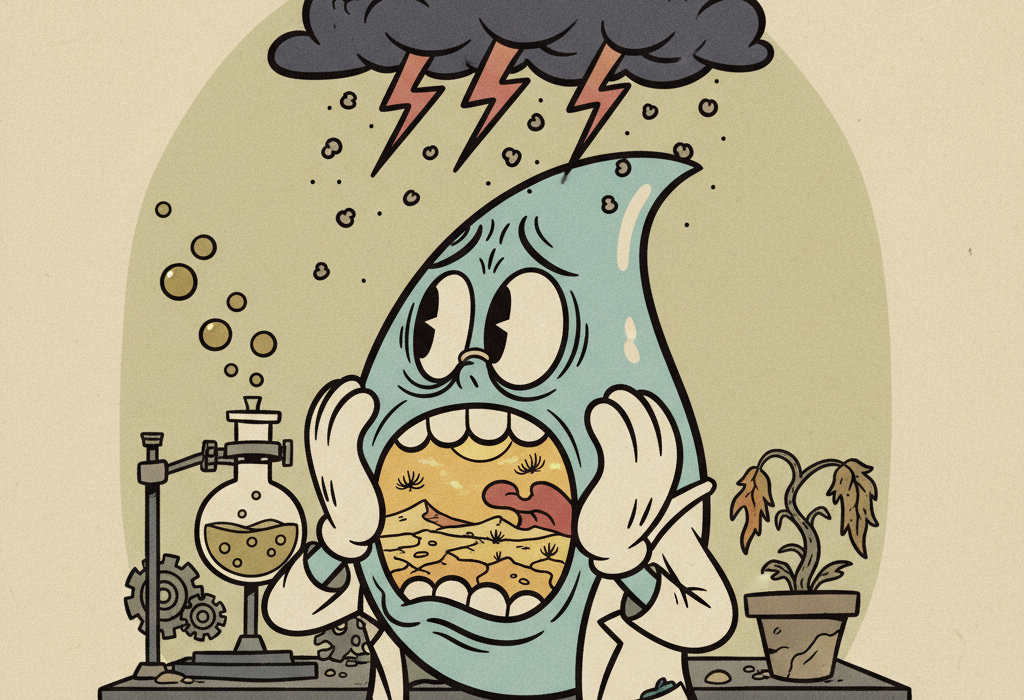
Imagine waking up every morning with a mouth so dry it feels like sandpaper. Swallowing is difficult, speaking feels like a chore, and no matter how much water you drink, the dryness simply will not go away. For everyday people, a dry mouth is a temporary annoyance caused by dehydration or nervousness. But for people with Sjögren’s syndrome (SHOW-grens SIN-drome), it is a chronic, life-altering condition.
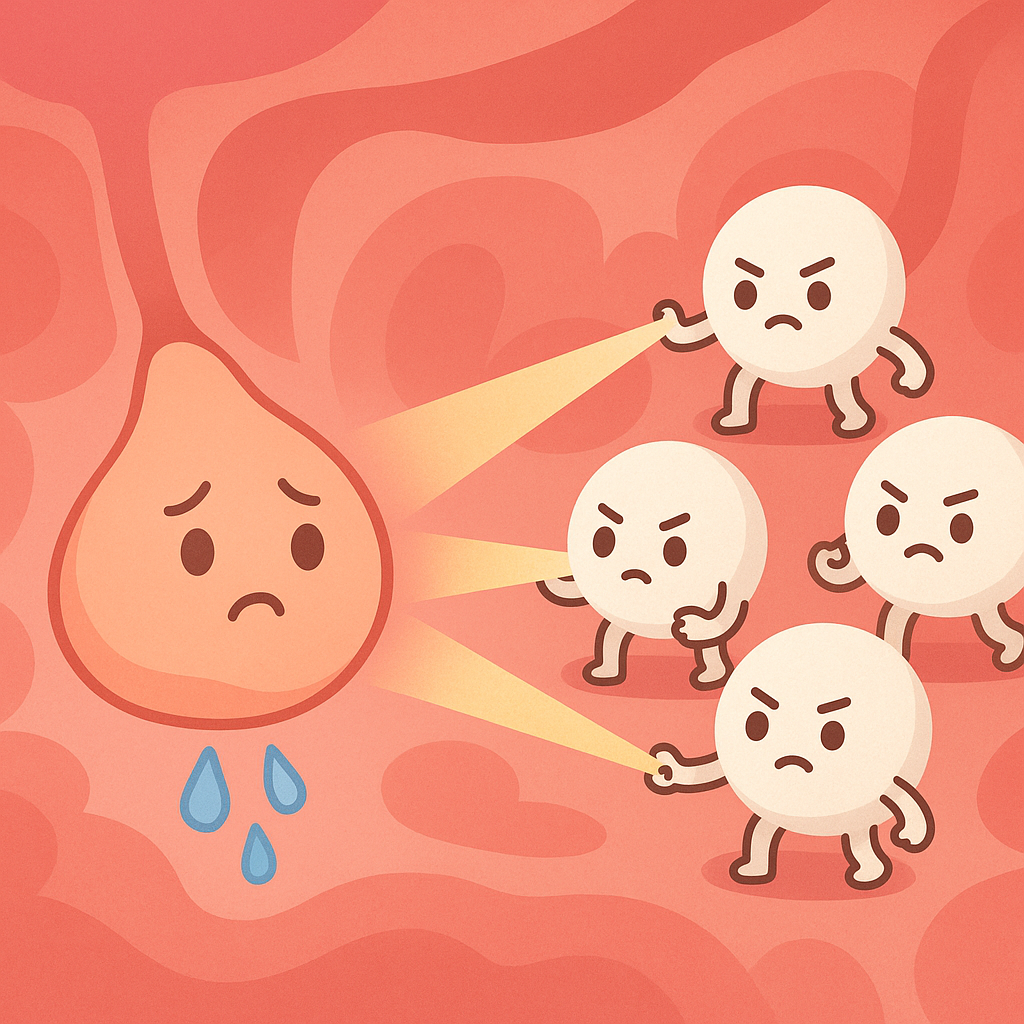
Sjögren’s syndrome is an autoimmune disease where the body’s immune system mistakenly attacks its own moisture-producing glands. While it can affect the whole body, its most famous hallmark is severe dry eyes and dry mouth.
But what exactly is happening inside the salivary glands of someone with Sjögren’s? And more importantly, what does the latest scientific research say about how to treat it? Let us look at the evidence.
What is Sjögren’s Syndrome?
To understand Sjögren’s syndrome, we first need to understand the glands it targets. The human body has a network of exocrine glands (EK-suh-krin glands), which are responsible for secreting fluids like sweat, tears, and saliva to the outside of the body or into the digestive tract.
In Sjögren’s syndrome, immune cells invade the salivary glands in the mouth and the lacrimal glands in the eyes. This infiltration leads to chronic inflammation and a gradual destruction of the tissue that produces moisture.
Doctors classify the disease into two categories:
- Primary Sjögren’s syndrome: When the condition occurs entirely on its own.
- Secondary Sjögren’s syndrome: When it occurs alongside another autoimmune disease, such as rheumatoid arthritis or lupus.
The medical term for dry mouth is xerostomia (zeer-oh-STOH-mee-uh). While xerostomia can be caused by many things, including common medications, the dry mouth experienced in Sjögren’s is unique because it is driven by a direct, structural attack on the glands themselves.
How the Immune System Causes Dry Mouth
For a long time, scientists knew that immune cells were attacking the salivary glands, but the exact chemical triggers remained a mystery. Recent research has shed light on the microscopic battles happening inside the mouth.
The Role of “Alarmins”
When cells in the salivary glands are stressed or damaged, they release proteins called alarmins (uh-LAR-mins). Just as the name suggests, these proteins act like chemical flares, signaling to the immune system that there is a problem.
A 2022 review in the International Journal of Molecular Sciences highlights how specific alarmins, such as HMGB1 and IL-33, are found in unusually high levels in the salivary glands of people with Sjögren’s. When these alarmins are released, they attract immune cells to the area. These immune cells then release their own inflammatory chemicals, which cause more gland damage, releasing more alarmins. This creates a vicious cycle of inflammation that eventually halts saliva production.

Cell Death and Ferroptosis
Another emerging area of research focuses on how the gland cells actually die. A 2024 mouse study in International Immunopharmacology found that salivary gland cells in Sjögren’s undergo a specific type of cell death called ferroptosis (fair-op-TOH-sis). This is a form of cell destruction driven by an overload of iron and oxidative stress. Interestingly, the researchers found that apigenin, a natural plant compound, could help protect these cells from ferroptosis in mice, pointing toward potential new avenues for future human treatments.
The Real-World Impact of Severe Dry Mouth
Saliva does much more than keep the mouth comfortable. It contains enzymes that begin the digestion of food, antimicrobial proteins that fight off infections, and minerals that protect teeth from decay.
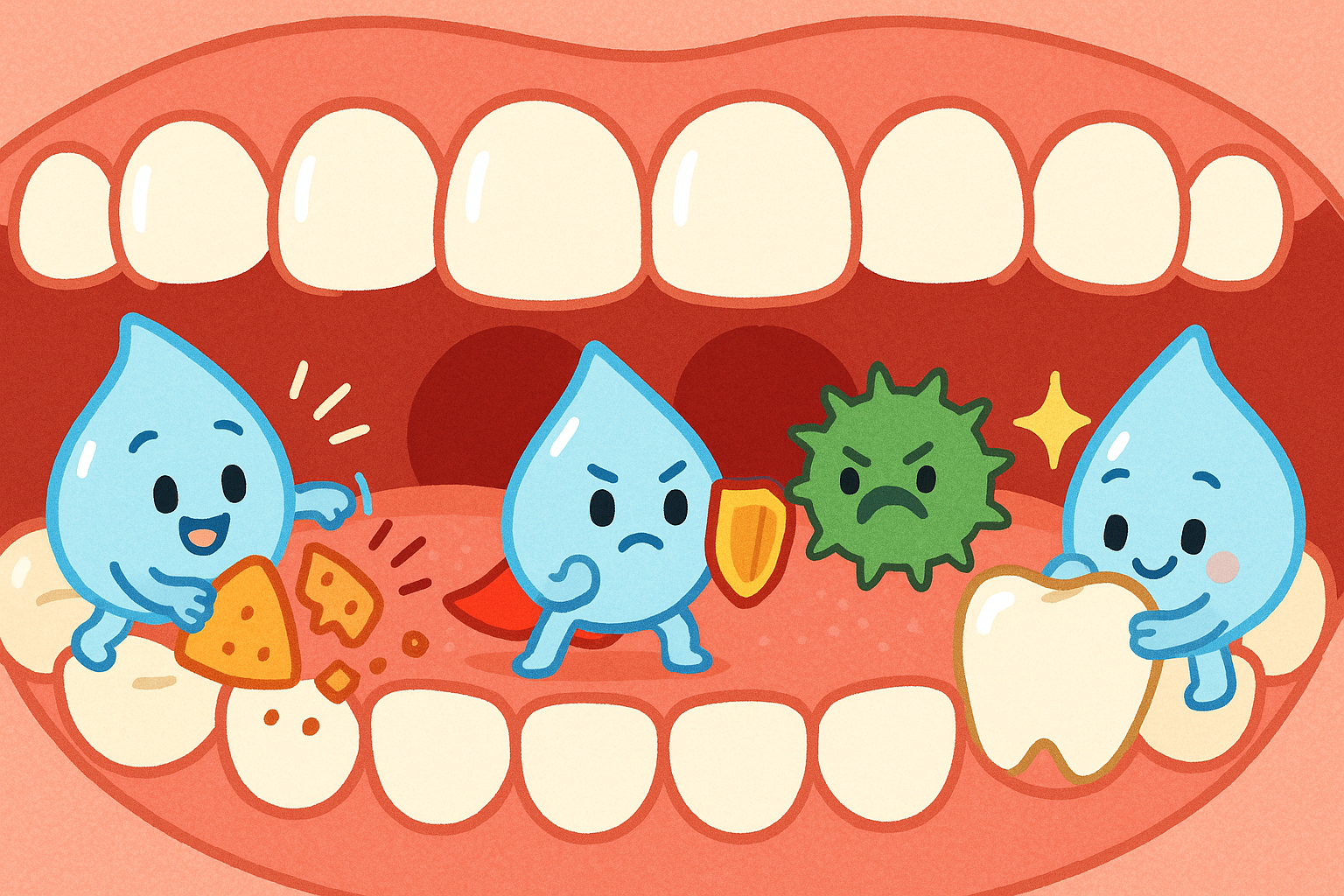
When saliva dries up, the consequences are severe. A 2023 survey in BMC Oral Health looked at the experiences of nearly 1,500 patients with Sjögren’s syndrome. The results painted a clear picture of the daily struggle:
- 87% of respondents reported experiencing frequent or constant dry mouth.
- 69% suffered from oral health problems, including severe cavities, tooth wear, and gum disease.
- Patients reported high rates of oral thrush (candidiasis), mouth ulcers, altered taste, and bad breath.
The study also found a direct “dose-response” relationship: the more severe the dry mouth, the worse the patient’s sleep quality and social discomfort.
Interestingly, the survey revealed a major gap in medical care. About 75% of patients did not report their dry mouth to their dentist before receiving their official Sjögren’s diagnosis. Because dentists are often the first healthcare providers to see the physical damage of chronic dry mouth, experts urge patients to share these symptoms early.
How Doctors Diagnose the Problem
Diagnosing Sjögren’s syndrome has historically been difficult. Symptoms overlap with many other conditions, and a definitive diagnosis often requires a minor lip biopsy, where a doctor removes a tiny piece of a salivary gland from the inside of the lip to look for clusters of immune cells.
However, science is moving toward less invasive methods. A 2024 study in Inflammopharmacology tested the accuracy of Salivary Gland Ultrasonography (SGUS). Researchers found that using an ultrasound to look at the structure of the salivary glands could successfully identify Sjögren’s with a 98% specificity rate. While a biopsy is still sometimes necessary, ultrasounds offer a painless way to detect the disease early.
Additionally, scientists are analyzing the chemical makeup of saliva itself. A 2022 study in Cells used advanced technology to look at the “metabolites” (tiny molecules left over from chemical reactions) in the saliva of Sjögren’s patients. They found that Sjögren’s patients have a distinct chemical fingerprint in their saliva, including abnormal levels of amino acids, which could one day be used as a simple spit test for diagnosis.
What the Research Shows: Treating Dry Mouth
Currently, there is no cure for Sjögren’s syndrome. Treatment focuses on relieving symptoms, preventing dental decay, and managing the underlying immune system malfunction.
Medications That Stimulate Saliva
For patients who still have some functioning salivary gland tissue, doctors often prescribe sialogogues (sy-AL-uh-gogs), which are medications that stimulate the glands to produce more saliva.
The most well-researched of these is pilocarpine (py-low-CAR-peen). A comprehensive 2019 review in Oral Diseases analyzed 36 clinical trials involving over 3,200 patients. The researchers concluded there is “high-quality evidence” that pilocarpine is superior to a placebo in reducing dry mouth symptoms. Another similar medication, cevimeline, has also shown positive results in clinical trials.
While these drugs work well for many, they can cause side effects like excessive sweating, nausea, and frequent urination, which causes some patients to stop taking them.
Saliva Substitutes and Over-the-Counter Options
Many patients rely on artificial saliva sprays, gels, and special mouthwashes. A 2016 systematic review in Medicina Oral, Patologia Oral y Cirugia Bucal evaluated these non-pharmacological treatments.
The research shows that while artificial saliva and lubricating gels do provide relief, the effects are usually short-lived. Products containing malic acid or citric acid tend to stimulate a bit more natural saliva, but they must be carefully balanced with fluoride to prevent the acid from eroding tooth enamel. Overall, the consensus is that oral lubricants are helpful for temporary comfort, especially at night, but they do not solve the underlying lack of saliva.
The Complex Role of Biologic Drugs
Because Sjögren’s is an autoimmune disease, researchers have tried using “biologic” drugs that alter the immune system. The results have been mixed.
Rituximab, a drug that targets B-cells (a type of immune cell), has shown moderate success. The 2019 Oral Diseases meta-analysis found moderate-quality evidence that Rituximab can help increase salivary flow in some patients.
However, not all immune-suppressing drugs work. Etanercept, a drug that blocks an inflammatory chemical called TNF, is highly effective for rheumatoid arthritis but fails to help Sjögren’s patients. A fascinating 2021 clinical trial analysis in Clinical Rheumatology discovered why. Researchers found that blocking TNF in Sjögren’s patients actually caused their bodies to produce more of a different inflammatory chemical called Interferon-alpha. In short, the drug accidentally amplified the exact immune pathways that make Sjögren’s worse.
Beyond the Mouth: Other Surprising Symptoms
While dry mouth and dry eyes are the classic symptoms, Sjögren’s is a systemic disease. The same immune malfunction that attacks the salivary glands can target other parts of the body.
- Hearing Loss: A 2022 review in the International Journal of Molecular Sciences revealed that up to 70% of Sjögren’s patients experience some degree of high-frequency sensorineural hearing loss. The inner ear has a delicate fluid balance, and it is believed that the immune system may attack the tiny blood vessels or tissues in the ear just as it attacks the salivary glands.
- Blood Vessel Inflammation: Some patients develop vasculitis, an inflammation of the blood vessels. According to a review in Current Rheumatology Reports, this can show up as a purple rash on the legs or as peripheral neuropathy (nerve pain and tingling in the hands and feet). Related: Treating Neuropathic Pain: What the Latest Science Says
Common Questions About Sjögren’s Dry Mouth
Can drinking more water fix the dry mouth?
No. While staying hydrated is important for overall health, drinking water only temporarily wets the mouth. It does not replace the missing enzymes and protective proteins found in natural saliva.
Does everyone with a dry mouth have Sjögren’s syndrome?
No. Dry mouth is incredibly common and is most frequently caused by daily medications (like antihistamines, antidepressants, and blood pressure drugs). Sjögren’s is diagnosed when there is clear evidence of an autoimmune attack.
Can diet help manage the symptoms?
While diet cannot cure the disease, avoiding dry, salty, or highly acidic foods can prevent further irritation of the mouth. Chewing sugar-free gum (especially with xylitol) can help stimulate whatever salivary function remains without causing cavities.
The Bottom Line
Sjögren’s syndrome is a complex autoimmune condition that turns the body’s moisture-producing glands into a battleground. The resulting dry mouth is far more than a physical discomfort; it is a serious condition that threatens dental health, sleep, and overall quality of life.
Science has made significant strides in understanding how the disease works, pinpointing specific chemical signals (alarmins) and cell death pathways (ferroptosis) that drive the destruction. While a cure does not yet exist, prescription medications like pilocarpine offer proven, evidence-based relief for many patients. As researchers continue to map the unique chemical fingerprints of the disease, the hope for highly targeted, side-effect-free treatments continues to grow.
Quick Reference: Key Studies
| Study Focus | Key Finding | Source |
|---|---|---|
| Patient Experience | 87% of patients report frequent dry mouth; 69% suffer oral health problems like severe decay. | PMID 38102574 |
| Treatment Efficacy | High-quality evidence shows pilocarpine effectively reduces dry mouth symptoms compared to placebo. | PMID 30086205 |
| Diagnosis Methods | Salivary gland ultrasound is a highly accurate, non-invasive tool for early diagnosis. | PMID 37195497 |
| Biologic Drugs | Etanercept fails to treat Sjögren’s because it inadvertently increases other inflammatory chemicals (Interferon-alpha). | PMID 33106929 |
| Disease Mechanisms | “Alarmins” like HMGB1 and IL-33 drive the chronic inflammation in salivary glands. | PMID 35628481 |
| Systemic Effects | Sjögren’s can cause high-frequency hearing loss due to autoimmune inner ear disease. | PMID 36232483 |
Last updated: March 2026
This article synthesizes findings from peer-reviewed research. It is for educational purposes only and does not constitute medical advice. Consult a healthcare provider before starting any new regimen.


Leave a Reply