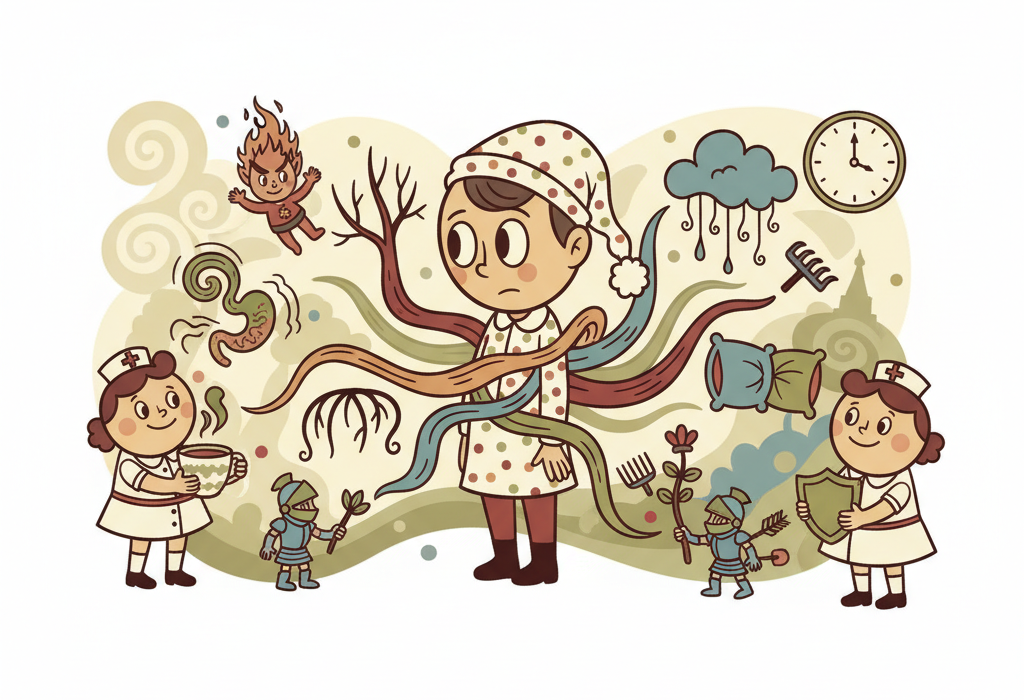
If treating cancer is like exterminating pests in a house, chemotherapy is a strong chemical that gets the job done but can sometimes damage the drywall in the process. For decades, the primary goal of cancer treatment was simply survival. Today, because survival rates have improved significantly, medical science places a heavy focus on protecting the patient’s long-term quality of life.
Chemotherapy drugs are designed to target rapidly dividing cells. Because cancer cells divide quickly, they take the hardest hit. However, normal healthy cells that also divide quickly, such as those in hair follicles, the stomach lining, and the mouth, often become collateral damage. This is what causes the classic side effects of chemotherapy.
Fortunately, doctors do not just wait for these side effects to happen. A growing body of research shows that specific, evidence-based interventions can prevent or manage everything from hair loss and heart damage to nausea and nerve pain.
What the Research Shows
Recent clinical studies highlight several targeted strategies to manage the physical and mental toll of chemotherapy.
Protecting the Heart from Damage
Certain common chemotherapy drugs, particularly a class called anthracyclines, are highly effective against cancers like leukemia and breast cancer. However, they carry a risk of Cardiotoxicity (kar-dee-oh-tok-SIS-ih-tee), which means they can damage heart muscle cells and potentially lead to heart failure.
A 2020 review in Current Treatment Options in Oncology outlined several strategies doctors use to protect the heart during treatment. Researchers found that administering common heart medications, such as beta-blockers and ACE inhibitors, alongside chemotherapy can help preserve heart function. These drugs reduce the heart’s workload and protect it from oxidative stress caused by the chemotherapy.
Additionally, the review highlighted the protective role of aerobic exercise. Regular physical activity during treatment improves blood vessel function and increases antioxidant production in the heart, helping to neutralize the harmful byproducts of the drugs. Related: What to Expect During a Cardiac Stress Test: A Science-Backed Guide
Preventing Hair Loss with Scalp Cooling
Alopecia (al-oh-PEE-sha), the medical term for hair loss, is consistently ranked as one of the most distressing side effects of cancer treatment. Hair follicles have a very high metabolic rate, making them highly susceptible to chemotherapy.
To combat this, hospitals increasingly use scalp cooling systems. According to a 2018 study in the Journal of Oncology Practice, wearing a tightly fitted, chilled cap before, during, and after a chemotherapy infusion can significantly reduce hair loss.
The cold temperature constricts the blood vessels in the scalp, reducing the amount of chemotherapy drug that reaches the hair follicles. It also slows down the metabolic rate of the follicle cells, making them less vulnerable to the drug. The study noted that this method is highly effective for patients receiving taxane-based chemotherapy, with up to 66% of patients keeping at least half of their hair. It is less effective, though still helpful, for anthracycline-based treatments.
Calming Nausea with Ginger Extract
Nausea and vomiting are among the most feared side effects of chemotherapy. While prescription anti-nausea medications are standard, they do not work perfectly for everyone and can carry their own side effects, such as severe constipation or drowsiness.
Interestingly, dietary science offers a complementary solution. A 2016 review in Molecular Nutrition & Food Research examined the use of ginger extract in oncology. Ginger contains bioactive compounds like gingerols and shogaols. Research shows these compounds actively block specific serotonin receptors in the gut and brain. Because chemotherapy triggers nausea by causing a massive release of serotonin in the digestive tract, blocking these receptors helps calm the stomach.
Clinical trials suggest that adding a standardized dose of ginger extract (usually 0.5 to 1.0 grams daily) to standard anti-nausea medication can significantly reduce the severity of acute chemotherapy-induced nausea.
Managing Painful Mouth Sores
Another common side effect is Mucositis (myoo-koh-SY-tis), which is the painful inflammation and ulceration of the digestive tract lining, most noticeably in the mouth. This occurs because chemotherapy damages the rapidly dividing cells that line the mouth and throat.
When oral hygiene and standard pain relievers are not enough, doctors must explore other options. According to research published in Nursing Children and Young People, managing severe mucositis pain often requires strong opioid medications. However, opioids can cause nausea and tolerance. The research highlights the emerging use of low-dose ketamine as a helpful addition. Given as a slow infusion, low-dose ketamine blocks specific pain receptors in the spinal cord, reducing the need for high doses of opioids and providing better relief for this specific type of nerve and tissue pain.
Preventing System Overload
When chemotherapy is highly effective, it kills a massive number of cancer cells all at once. As these cells break open, they release their internal contents, including potassium, phosphorus, and nucleic acids, into the bloodstream. This can overwhelm the kidneys, a dangerous condition known as Tumor Lysis Syndrome (TLS).
To prevent this, doctors use Prophylaxis (pro-fuh-LAK-sis), which means treatment given to prevent a disease from happening. According to 2015 guidelines in the British Journal of Haematology, patients at high risk for TLS receive aggressive IV hydration to flush the kidneys. They are also given medications like allopurinol or rasburicase. These drugs stop the body from converting the cellular debris into uric acid crystals, which are the primary cause of kidney damage during TLS.
Rethinking the Treatment Schedule
Sometimes, the best way to manage side effects is to change how the chemotherapy is delivered. Some drugs, like oxaliplatin, cause cumulative nerve damage over time. Related: Treating Neuropathic Pain: What the Latest Science Says
A 2016 review in The Cancer Journal discussed the concept of “maintenance chemotherapy.” Instead of keeping a patient on a harsh, high-dose regimen until their body cannot take it anymore, doctors may switch to a lower-dose, less toxic regimen once the tumor is under control. This strategy prolongs the time the cancer is kept at bay while giving the patient a much better quality of life and preventing permanent nerve damage.
The Mind-Body Connection
Physical side effects are heavily influenced by psychological stress. A 2017 study in the Clinical Journal of Oncology Nursing tested a unique intervention: self-affirmation and nature sounds. Patients listening to audio recordings of positive self-affirmations and nature sounds during their infusions reported significantly lower scores for pain, tiredness, drowsiness, and anxiety compared to those who received standard care alone. This suggests that actively managing the nervous system’s stress response can alter the physical perception of chemotherapy symptoms. Related: What Science Actually Says About Coping With Grief and Loss
Who Benefits Or Needs Caution
Side effect management is highly individualized. What works for one patient might be unsafe for another.
| Intervention | Who Benefits Most | Who Needs Caution |
|---|---|---|
| Scalp Cooling | Patients with solid tumors (breast, prostate) receiving taxane drugs. | Patients with blood cancers (leukemia, lymphoma) due to the risk of cancer cells hiding in scalp blood vessels. |
| Heart Protection (Beta-blockers) | Patients receiving anthracyclines, especially older adults or those with high blood pressure. | Patients with naturally very low blood pressure or certain heart rhythm disorders. |
| Ginger Extract | Patients experiencing acute nausea despite standard medications. | Patients with bleeding disorders, as high doses of ginger can mildly thin the blood. |
| Rasburicase (TLS prevention) | Patients with large, rapidly dividing tumors (like acute leukemia). | Patients with a genetic condition called G6PD deficiency, as it can cause severe anemia. |
Common Questions About Chemotherapy Side Effects
Does ginger really work for chemotherapy nausea?
Yes, clinical studies indicate that standardized ginger extract can reduce nausea when used alongside prescription anti-nausea medications. It works by blocking serotonin receptors in the digestive tract, though it should be discussed with an oncologist before use.
Is scalp cooling safe?
For patients with solid tumors, retrospective data over many years shows that scalp cooling is safe and does not significantly increase the risk of cancer spreading to the scalp. However, it is generally not recommended for patients with blood cancers.
Why do doctors prescribe blood pressure medication during chemotherapy?
Certain chemotherapy drugs can weaken the heart muscle. Blood pressure medications, like beta-blockers and ACE inhibitors, reduce the physical workload on the heart, helping to protect its pumping ability during treatment.
The Bottom Line
Chemotherapy side effects are no longer viewed as an unavoidable consequence of cancer treatment. Modern oncology utilizes a proactive approach to protect the patient’s healthy tissues.
- Cardiotoxicity can be mitigated using common heart medications and aerobic exercise.
- Hair loss can be significantly reduced using scalp cooling caps, which restrict blood flow to hair follicles during infusions.
- Nausea is managed through a combination of targeted prescription drugs and natural adjuncts like ginger extract.
- Internal organ stress, such as Tumor Lysis Syndrome, is prevented through aggressive hydration and uric-acid-blocking medications.
- Psychological tools, such as self-affirmation, have a measurable impact on the physical perception of pain and fatigue.
While the science of side effect management has advanced rapidly, these interventions depend heavily on the specific type of chemotherapy and the patient’s individual health profile.
Quick Reference: Key Studies
| Study Focus | Key Finding | Source |
|---|---|---|
| Cardiotoxicity Prevention | Beta-blockers, ACE inhibitors, and exercise help prevent heart failure caused by anthracycline chemotherapy. | PMID 32270293 |
| Scalp Cooling | Scalp cooling devices successfully preserved hair in over 50% of breast cancer patients, particularly those on taxane therapies. | PMID 29529389 |
| Ginger for Nausea | Ginger phytochemicals block 5-HT3 receptors, reducing the severity of chemotherapy-induced nausea when paired with standard drugs. | PMID 26842968 |
| Mucositis Pain | Low-dose ketamine shows promise as an adjuvant to opioids for managing severe, chemotherapy-induced mouth and throat pain. | PMID 27927117 |
| Tumor Lysis Syndrome | Prophylactic hydration and medications like rasburicase prevent kidney damage caused by rapid cancer cell death. | PMID 25876990 |
| Maintenance Chemotherapy | Switching to lower-toxicity maintenance regimens reduces cumulative nerve damage while maintaining tumor control. | PMID 27341599 |
| Psychological Interventions | Self-affirmation and nature sounds significantly reduced patient-reported pain, fatigue, and anxiety during chemotherapy. | PMID 28107336 |
Last updated: March 2026
This article synthesizes findings from peer-reviewed research. It is for educational purposes only and does not constitute medical advice. Consult a healthcare provider before starting any new regimen.

Leave a Reply