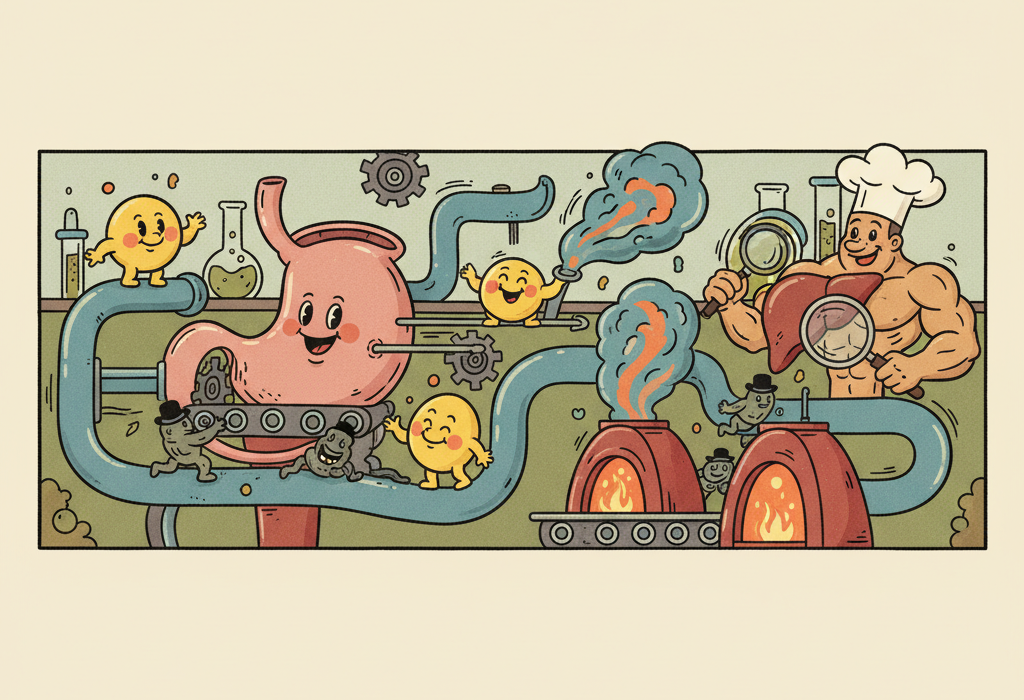
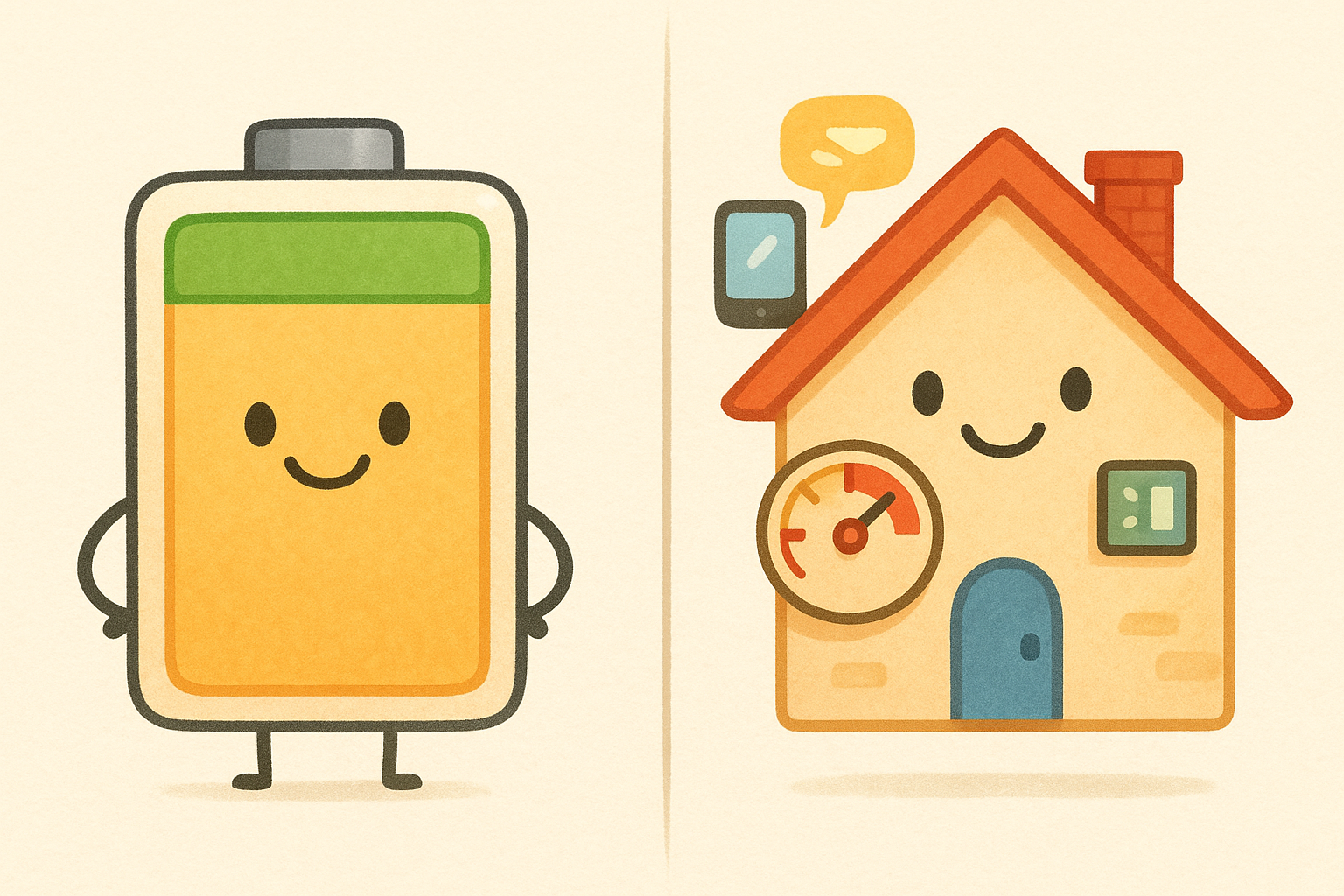
For a long time, scientists thought of body fat as a simple biological battery. If you ate more energy than you used, the battery charged up. If you exercised, the battery drained. Today, research shows that fat is much more like a smart home system. It constantly monitors your energy levels, sends chemical text messages to your brain, and changes its own structure based on the temperature, your exercise habits, and even your iron levels.
Metabolism (muh-TAB-uh-liz-um) is the process your body uses to make and burn energy. Fat metabolism specifically refers to how your body breaks down dietary fats, stores them for later, and retrieves them when you need energy.
If you are wondering how fat metabolism actually works, the short answer is this: Your body breaks down dietary fats into smaller molecules called fatty acids. These are either burned immediately by your muscles and organs for energy or stored inside specialized fat cells. When your body needs energy, it releases these fatty acids back into the bloodstream. However, where that fat is stored, the size of the fat cells, and the type of fat you have all dramatically change how this system affects your health.
Let us explore what the latest peer-reviewed science says about how your body actually uses, stores, and burns fat.
The Different Colors of Fat
When we talk about body fat, we are usually talking about white fat. But the human body actually contains three different types of fat, each with a completely different job.
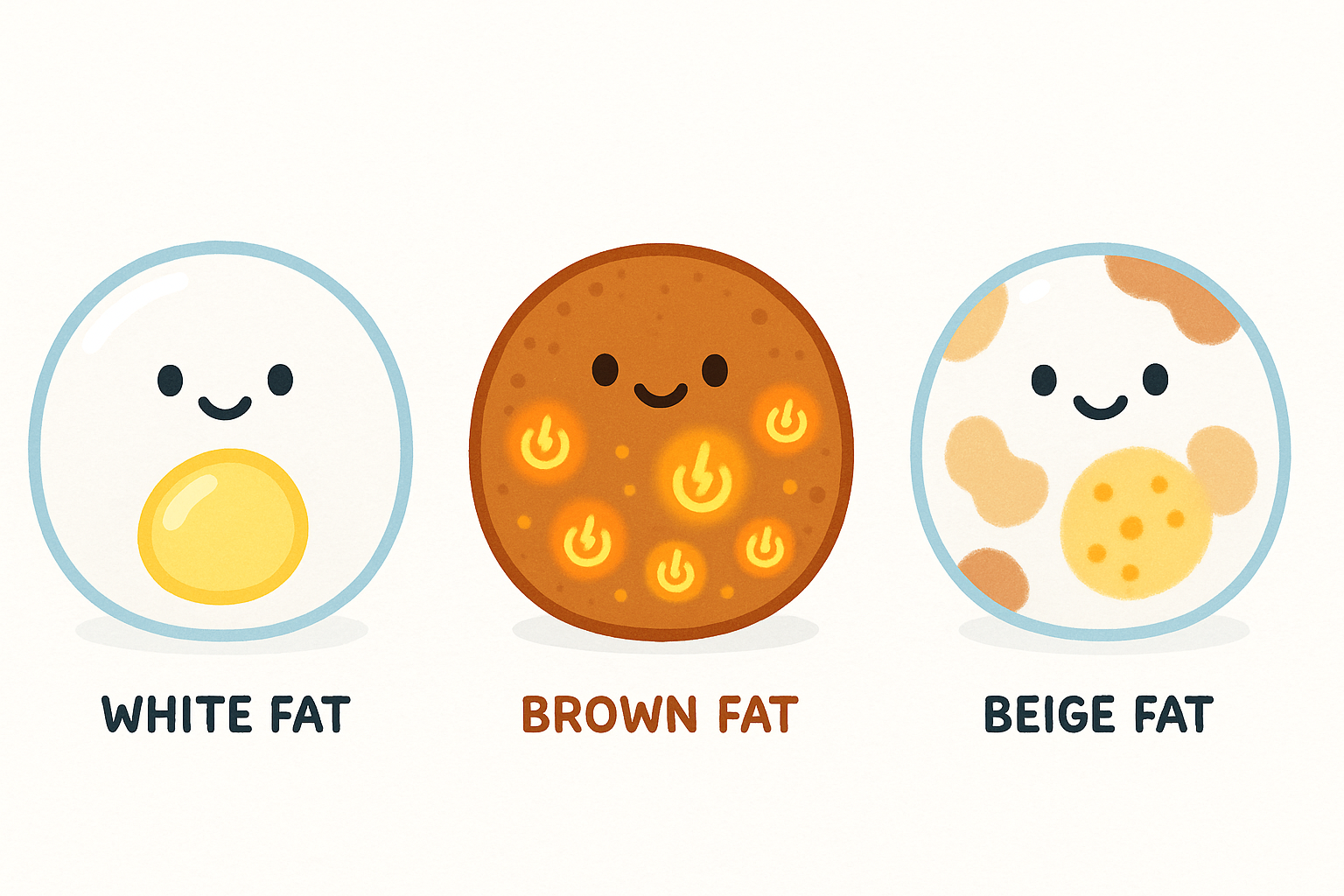
- White Fat: This is the classic storage fat. White adipocytes (uh-DIP-oh-sytes), or fat cells, store energy in a single, large droplet. White fat also acts as an endocrine organ, meaning it releases hormones that regulate hunger and blood sugar.
- Brown Fat: Brown fat does not store energy; it burns it. It gets its dark color from a high density of mitochondria (my-toh-KON-dree-uh), which are the powerhouses of the cell. Brown fat burns calories to generate heat in a process called thermogenesis (thur-moh-JEN-uh-sis).
- Beige Fat: These are white fat cells that have transformed to act like brown fat cells.
A 2022 review in the International Journal of Molecular Sciences highlights that white fat can be triggered to turn into beige fat through a process called “browning.” This browning process is activated by cold exposure, exercise, and certain nutrients. By increasing the amount of beige and brown fat, the body can naturally burn more calories for heat, which researchers believe could help manage metabolic diseases.
Related: How Brown Fat Actually Affects Weight Loss: What Science Says
How Fat Actually Enters Your Cells
For a long time, scientists were not entirely sure how fat molecules got from the bloodstream inside a muscle or fat cell. We now know that cells have specialized “doors” that pull fat inside.
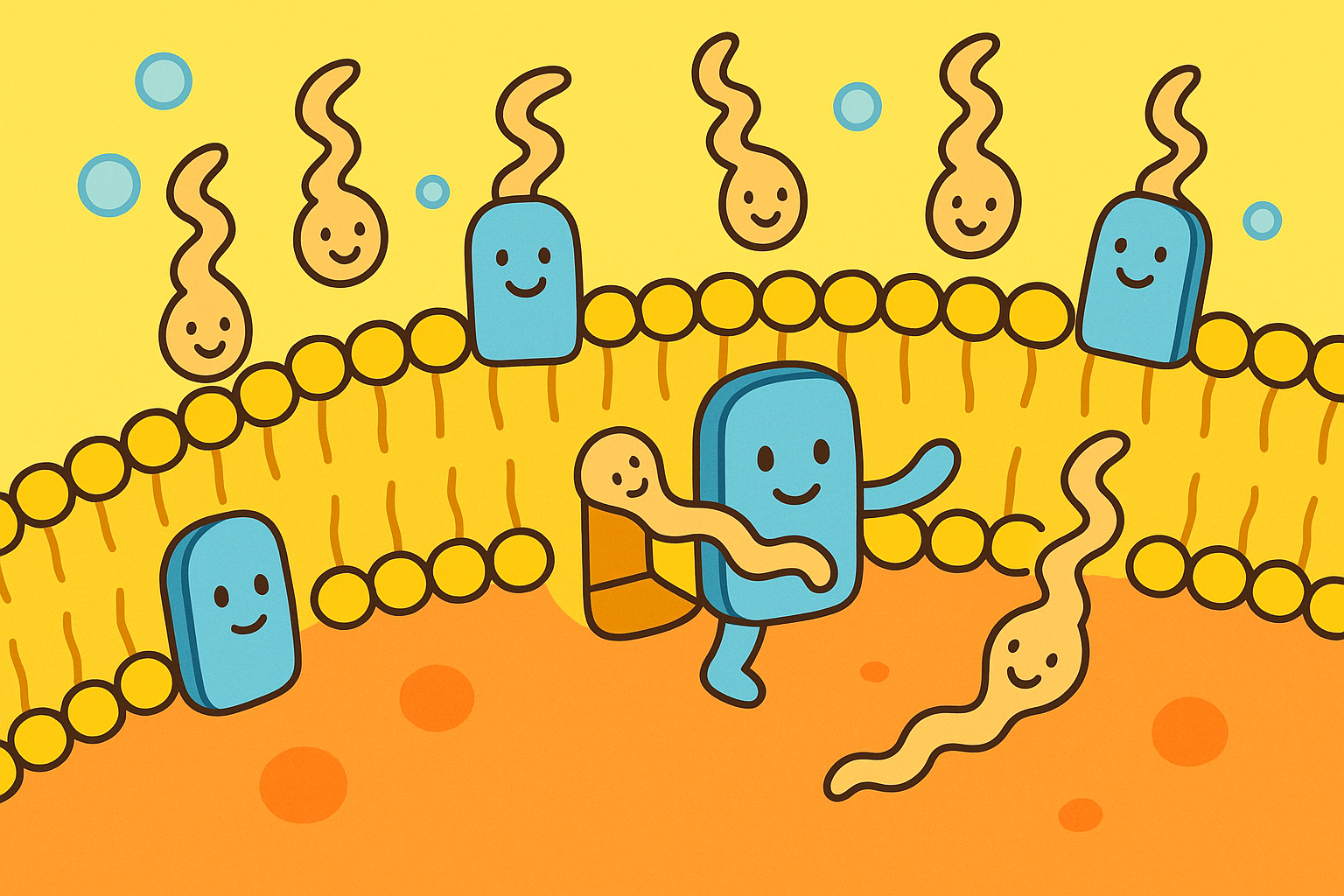
A major player in this process is a protein called CD36. According to a 2017 review in Biochimie, CD36 acts as a facilitator that grabs fatty acids from the outside of the cell and helps them cross the cell membrane.
What makes CD36 fascinating is that it is kept in storage inside the cell until it is needed. When you exercise, or when your body releases insulin after a meal, your cells quickly move CD36 proteins to the surface to pull in more fat. If you constantly overeat, however, these CD36 doors can get stuck open. This leads to too much fat entering the cells, which can trigger insulin resistance.
Why The Size and Location of Fat Matters
Not all weight gain is equal. How your body stores excess fat is actually more important for your health than how much total fat you have.
When you consume extra energy, your white fat tissue has to expand. A 2021 review in Nature Reviews Endocrinology explains that this expansion happens in two ways:
1. Hyperplasia (hy-per-PLAY-zhuh): The body creates brand new, small fat cells to store the energy.
2. Hypertrophy (hy-PER-truh-fee): The body stuffs more fat into the existing fat cells, causing them to balloon in size.
Creating new, small fat cells (hyperplasia) is generally healthy. The cells function normally and respond well to insulin. However, when existing fat cells get too large (hypertrophy), they become stressed. They stop responding to insulin, leak fatty acids into the blood, and release inflammatory signals. This is why some people with larger bodies are metabolically healthy, while some thinner people develop metabolic diseases.
The Danger of Ectopic Fat
When your white fat cells are too full or dysfunctional, the body starts storing fat in places it does not belong, such as the liver, pancreas, and skeletal muscles. This is called ectopic fat.
A 2023 study in the Journal of Advanced Research notes that ectopic fat in the liver and muscles disrupts how these organs use glucose (sugar). This fat buildup interferes with insulin signals, leading directly to type 2 diabetes and liver disease.
Related: What Science Actually Says About Weight Loss and Obesity
The Athlete’s Paradox
There is one fascinating exception to the rule that fat inside muscles is bad. It is called the “athlete’s paradox.”
A 2025 review in the Journal of Cachexia, Sarcopenia and Muscle explains that highly trained endurance athletes actually have high levels of fat stored directly inside their muscle fibers. Yet, unlike people with metabolic disease, these athletes are highly sensitive to insulin.
Why? The difference lies in how the fat is packaged. In people with metabolic disease, the fat forms large, toxic droplets that interfere with cell signaling. In athletes, the fat is stored in tiny droplets that are positioned right next to the mitochondria. The athletes use this fat rapidly as a clean fuel source during exercise, preventing it from causing any damage.
How Exercise Changes Fat Metabolism
Exercise is one of the most powerful ways to change how your body processes fat. However, the type of fuel your body burns changes based on how hard you are working.
A 2020 review in Biomolecules outlines how this works:
- Low to Moderate Intensity: During activities like brisk walking or light jogging, your body gets the majority of its energy by burning fat. It pulls fatty acids from your fat tissue and from the small fat droplets stored in your muscles.
- High Intensity: As you start sprinting or lifting heavy weights, your body needs energy faster than fat metabolism can provide. It switches to burning carbohydrates (glucose and glycogen) because they can be broken down much more rapidly.
Even though high-intensity exercise burns fewer fat grams in the moment, it still improves fat metabolism overall. Exercise trains your muscles to grow more mitochondria and builds more of the CD36 “doors” mentioned earlier, making your body much more efficient at clearing fat from your bloodstream.
How This Might Work: Brains, Iron, and Fat
Fat metabolism is not just about muscles and waistlines. It is deeply connected to unexpected parts of your biology, including your brain and your iron levels.
The Fat Brain
Your brain is the fattiest organ in your body, consisting of about 50 percent fat by dry weight. A 2020 paper in Current Opinion in Clinical Nutrition and Metabolic Care explains that lipids (fats) in the brain do not just provide structure. They actively control how neurons communicate.
Brain cells contain specialized areas called “lipid rafts.” You can think of these like floating docks made of cholesterol and specific fats. The proteins that allow neurons to send and receive signals are anchored in these rafts. If the fat composition of the brain changes, these rafts fall apart, and neuronal communication slows down. This is why maintaining healthy fat and cholesterol metabolism is critical for preventing cognitive decline.
The Iron Connection
Surprisingly, the amount of iron in your body directly impacts your fat cells. A 2023 review in the International Journal of Obesity details a bidirectional relationship between iron and fat.
Fat tissue requires iron to function properly. However, if there is too much iron, it causes oxidative stress and damages the fat cells, leading to insulin resistance. On the flip side, obesity causes chronic inflammation, which tricks the body into hiding its iron stores. This is why many people with obesity develop iron deficiency anemia despite eating enough iron. The fat tissue and iron regulatory systems are constantly communicating, and a disruption in one usually damages the other.
Common Questions About Fat Metabolism
Does eating fat make you fat?
Not necessarily. Weight gain occurs when you consume more total energy than you burn, regardless of whether that energy comes from fats or carbohydrates. However, dietary fats are calorie-dense, making it easier to overconsume energy if portions are not managed.
Can white fat turn into brown fat?
Yes. Through a process called browning, white fat can take on the characteristics of brown fat. This “beige fat” burns calories for heat. Science shows that regular exercise and exposure to cold temperatures can encourage this transformation.
Does sweating mean I am burning fat?
No. Sweating is just your body’s mechanism for cooling down. The actual byproduct of fat metabolism is exhaled through your lungs as carbon dioxide and excreted as water in your urine and sweat.
The Bottom Line
Fat is a dynamic and essential part of human biology. It provides energy, supports brain function, and releases hormones that keep our metabolism balanced.
The research clearly shows that metabolic health is not just about how much fat you have, but where it is stored and how well it functions. When fat cells multiply naturally and remain small, they protect our organs. When they become overstuffed and leak into our muscles and liver, they cause disease.
While the science of fat metabolism is incredibly complex, the most effective ways to support it remain simple: regular physical activity to improve how muscles absorb fat, and avoiding chronic overconsumption of energy to keep fat cells from becoming dangerously enlarged.
Quick Reference: Key Studies
| Study Focus | Key Finding | Source |
|---|---|---|
| Muscle Fat & Sarcopenia | Endurance athletes have high muscle fat but remain healthy because the fat is stored in small droplets near mitochondria (the athlete’s paradox). | PMID 40641114 |
| White Fat Browning | Cold exposure and exercise can trigger white fat to turn into calorie-burning beige fat. | PMID 35886989 |
| Iron and Obesity | There is a bidirectional link between iron levels and fat metabolism; excess fat causes inflammation that disrupts iron absorption. | PMID 37029208 |
| Cellular Fat Uptake | The CD36 protein acts as a door for fat to enter cells. Exercise and insulin trigger these doors to open. | PMID 28013071 |
| Brain Lipids | The brain relies on specific fat structures called lipid rafts to allow neurons to communicate properly. | PMID 32004239 |
| Adipocyte Size | Expanding fat tissue by increasing the size of existing cells (hypertrophy) leads to metabolic disease, while creating new small cells (hyperplasia) is safer. | PMID 33627836 |
Last updated: April 2026
This article synthesizes findings from peer-reviewed research. It is for educational purposes only and does not constitute medical advice. Consult a healthcare provider before starting any new regimen.

Leave a Reply