
What Is Ashwagandha?
If you have walked down a supplement aisle recently, you have probably seen Ashwagandha. It is often sold as a way to chill out, sleep better, or even build muscle. But unlike many trendy supplements that disappear after a year, Ashwagandha has been used for over 3,000 years in Ayurveda, the traditional medicine system of India.
Its botanical name is Withania somnifera (with-AY-nee-uh som-NI-fer-uh). The name “Ashwagandha” translates from Sanskrit to “smell of the horse.” While that might sound unappealing, it refers to the fresh root’s strong earthy odor and the traditional belief that consuming it gives you the strength and stamina of a stallion.
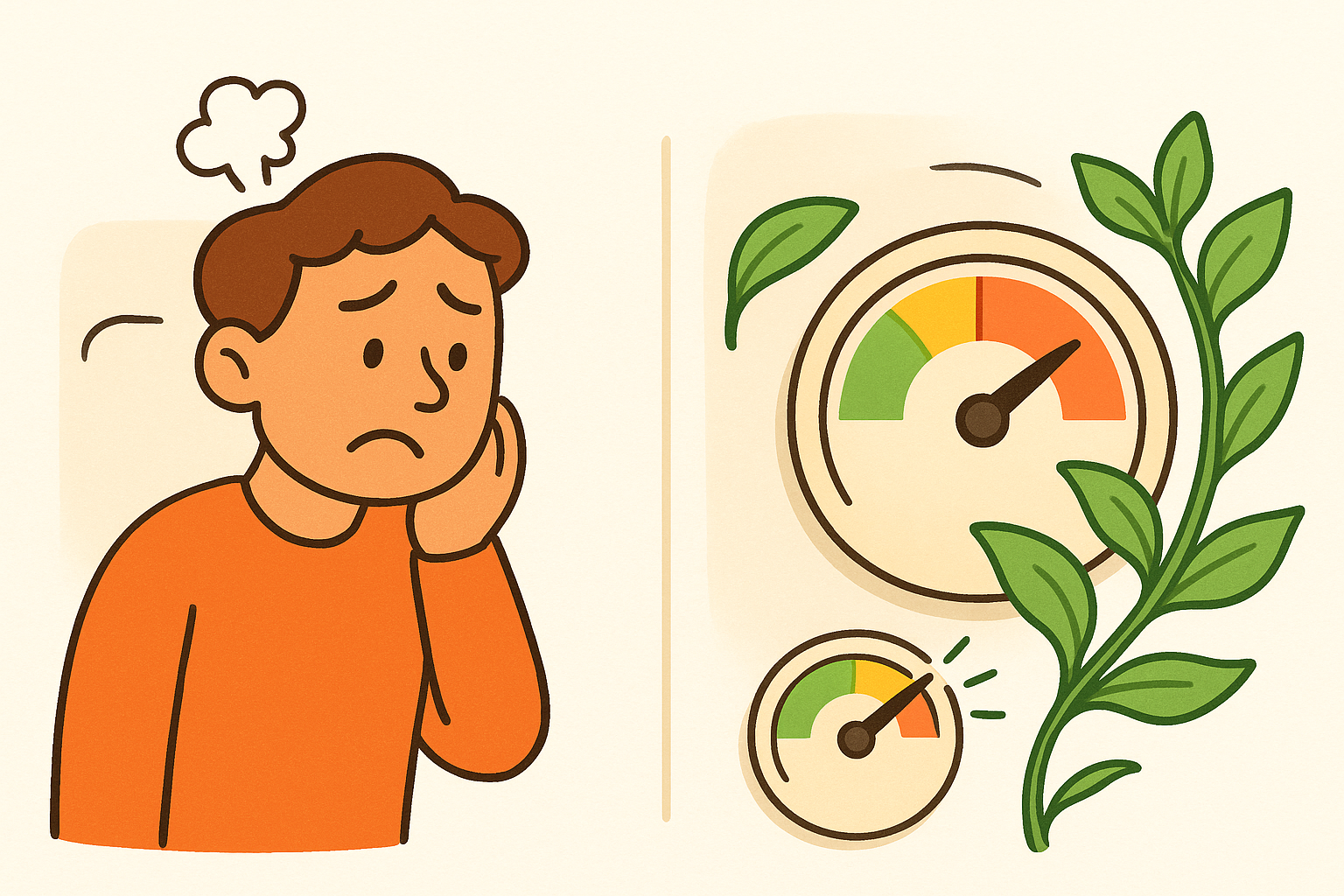
Scientists classify Ashwagandha as an adaptogen (uh-DAP-tuh-jen). Think of an adaptogen like a thermostat for your body’s stress response. If your stress hormones are too high, it helps lower them; if you are depleted, it helps bring you back to balance. While ancient practitioners used it as a general tonic, modern researchers are now putting it to the test to see what it actually does to human biology.
Does Ashwagandha Actually Reduce Stress?
The strongest evidence for Ashwagandha revolves around stress and anxiety. Chronic stress often leads to elevated levels of cortisol, a hormone produced by your adrenal glands. While cortisol is helpful in short bursts (like running from a danger), having it high all the time wears your body down.
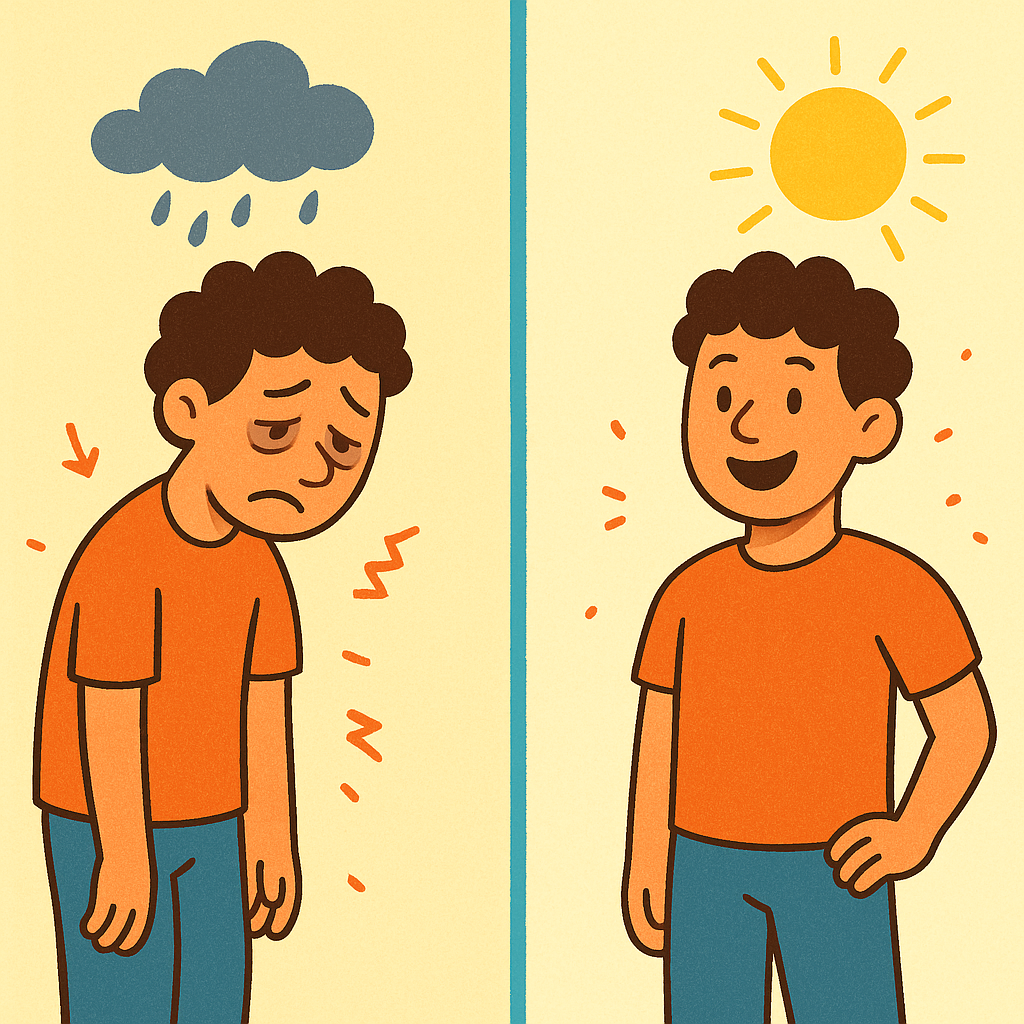
According to a 2025 review in Nutrition & Metabolism, Ashwagandha appears to directly influence the hypothalamic-pituitary-adrenal (HPA) axis, the body’s command center for stress. Studies consistently show that supplementation can significantly lower morning cortisol levels.
This biological change matches what people feel. A 2022 systematic review compared various herbal remedies and found that Ashwagandha was one of the few that showed efficacy in reducing scores on anxiety scales, though researchers noted that larger studies are still needed to be 100% certain.
How It Calms the Brain
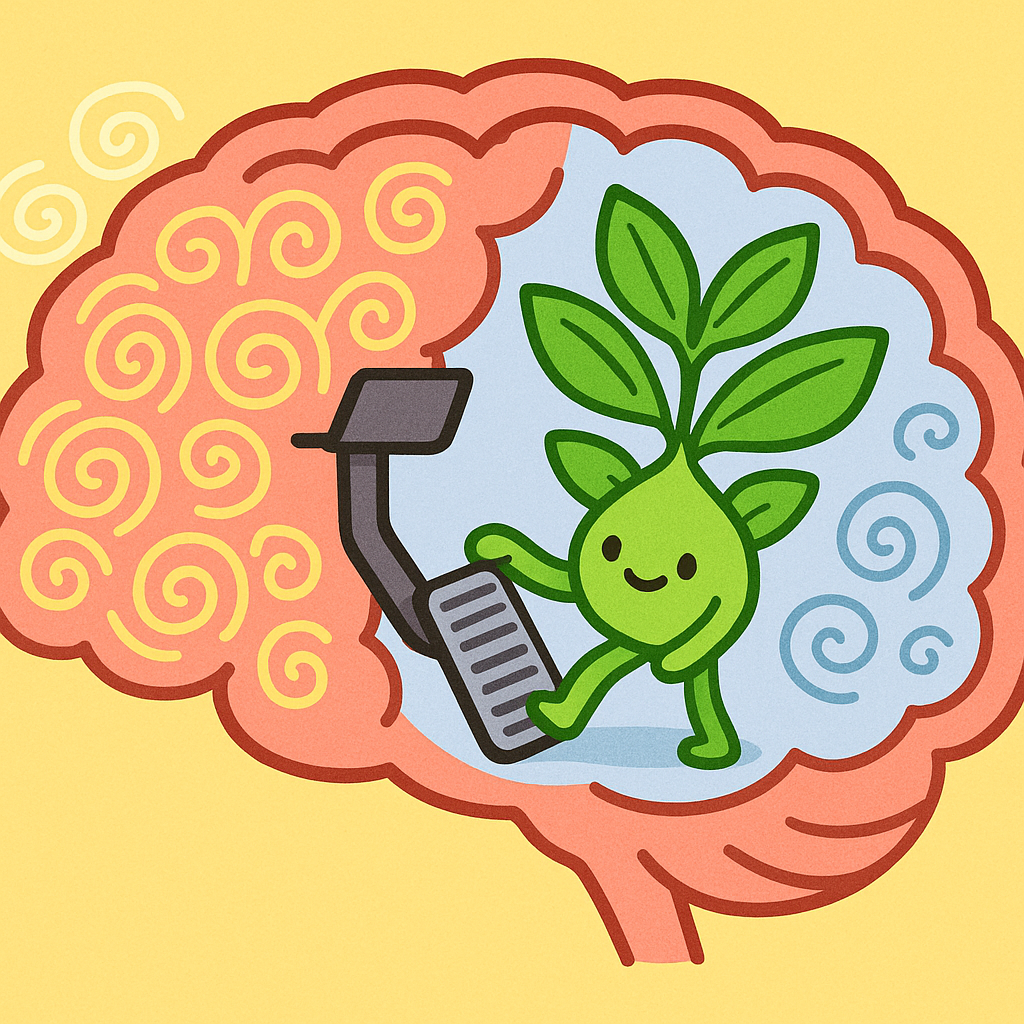
Scientists believe Ashwagandha works by mimicking a neurotransmitter called GABA. GABA is your brain’s “brake pedal”: it slows down racing thoughts and excitability. Research suggests the herb’s active compounds interact with GABA receptors, which helps explain its calming and anti-anxiety effects.
Can It Help You Sleep?
Since the plant’s botanical name, somnifera, literally means “sleep-inducing,” it is no surprise that research supports its use for insomnia.
A 2025 review in Nutrition Reviews highlighted Ashwagandha as a viable biochemical compound for promoting restful sleep. Unlike standard sleeping pills that might just knock you out, Ashwagandha seems to improve sleep quality and “sleep efficiency”: the amount of time you spend asleep while in bed.
Research indicates it impacts sleep architecture, specifically increasing the non-rapid eye movement (NREM) phase, which is the deep, restorative part of the sleep cycle. This benefit appears most pronounced in people who already suffer from insomnia rather than those who already sleep well.
The Muscle and Fitness Connection
Beyond the brain, Ashwagandha has gained popularity in gym circles. The science here is surprisingly robust.
A 2025 overview in the journal Muscles analyzed multiple systematic reviews and found that Ashwagandha supplementation may improve endurance (VO2 max) and muscular strength.
How does a stress herb build muscle? It likely comes down to recovery. High cortisol (stress) is catabolic, meaning it breaks down muscle tissue. By lowering cortisol and reducing exercise-induced muscle damage, the body can repair itself faster. Additionally, some studies suggest it may help boost testosterone levels in men, which supports muscle growth.
Related: How to Build Bigger Quads: What Science Actually Says
Effects on Testosterone and Fertility
One of the most marketed claims is that Ashwagandha acts as a testosterone booster. The evidence here is nuanced.
A 2023 review in the International Journal of Molecular Sciences found that Ashwagandha can improve semen quality and increase testosterone levels, but this effect is most significant in men who are stressed or experiencing fertility issues.
In healthy men with normal testosterone levels, the boost is smaller or sometimes non-existent. It is not a magic steroid, but by reducing stress (which naturally suppresses testosterone), it allows the body’s natural hormone production to recover.
Who Benefits vs. Who Should Be Careful
While Ashwagandha is natural, it is biologically potent. This means it can have side effects and interact with other conditions.
Who Likely Benefits
- The Chronically Stressed: People who feel “wired but tired.”
- Insomniacs: Those who struggle to stay asleep.
- Athletes: For recovery and modest strength gains.
- Men with fertility issues: Specifically related to stress or low sperm counts.
Who Should Exercise Caution
Thyroid Conditions: Ashwagandha may stimulate the thyroid to produce more T3 and T4 hormones. While this might help people with underactive thyroids (hypothyroidism), it can be dangerous for those with overactive* thyroids (hyperthyroidism), potentially causing thyrotoxicosis. A 2022 review noted that while evidence is mixed, patients should monitor thyroid levels closely.
- Autoimmune Diseases: Because it boosts immune system activity, it could potentially flare up conditions like lupus, rheumatoid arthritis, or Hashimoto’s.
- Pregnant Women: It is traditionally advised against during pregnancy due to potential spasmolytic effects on the uterus.
- Liver Concerns: Although rare, there have been documented cases of liver injury associated with Ashwagandha supplements, as noted in a 2025 review. If you have liver issues, consult a doctor first.
Practical Guidance: Dosage and Timing
If you decide to try Ashwagandha, quality matters. The supplement industry is not strictly regulated, and “testosterone boosters” sold online often have questionable ingredient profiles.
- Dosage: Most successful studies use doses between 300 mg and 600 mg per day of a standardized root extract.
- Standardization: Look for labels that list Withanolides (with-AN-oh-lides). These are the active compounds. A good extract usually contains 5% withanolides.
- Timing: Because it can be sedating for some, taking it in the evening is often recommended to support sleep. However, some people take it in the morning for stress resilience.
- Duration: Effects are not immediate. It typically takes 4 to 8 weeks to notice significant changes in stress or sleep.
Related: Why Your Legs Won’t Sleep: The Science of RLS
The Bottom Line
Ashwagandha is one of the few herbal supplements that lives up to much of its hype, particularly for stress and sleep. It works by regulating your body’s stress hormones and calming the nervous system. It also shows promise for athletes looking to improve recovery and strength. However, it is not a cure-all, and it can affect thyroid hormones, meaning it is not suitable for everyone.
Quick Reference: Key Studies
| Study Focus | Key Finding | Source |
|---|---|---|
| Stress & Cortisol | Supplementation significantly lowered morning cortisol and perceived stress. | PMID 39910586 |
| Sleep Quality | Improved sleep efficiency and total sleep time, especially in insomnia patients. | PMID 40418260 |
| Athletic Performance | Enhanced VO2 max and muscle strength in healthy adults. | PMID 40843911 |
| Anxiety Treatment | Found to be effective for anxiety, comparable to some standard therapies. | PMID 35378276 |
| Psychiatric Disorders | Recommended as a provisional treatment for anxiety disorders by global taskforce. | PMID 35311615 |
Last updated: February 2026
This article synthesizes findings from peer-reviewed research. It is for educational purposes only and does not constitute medical advice. Consult a healthcare provider before starting any new regimen.



Leave a Reply