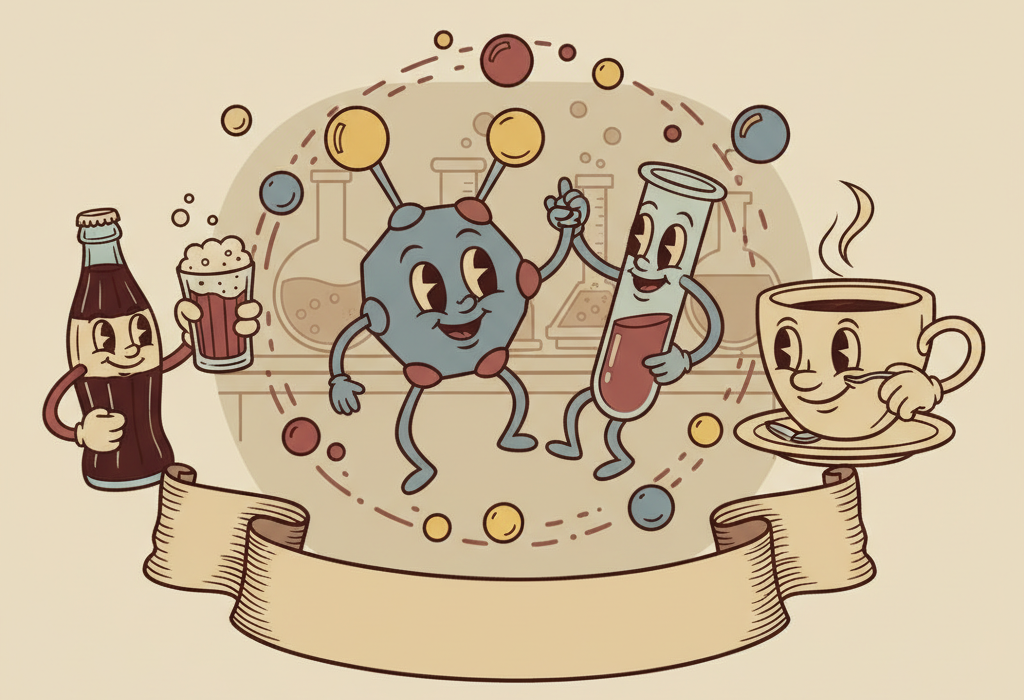
You probably know aspartame better by the color of its packet, blue, or by its presence in Diet Coke, chewing gum, and thousands of sugar-free products. Since its approval in the early 1980s, aspartame has been one of the most controversial food additives in history.
For decades, regulatory agencies have declared it safe. However, a wave of new research using modern technology has reopened the debate, looking at everything from cancer risk to anxiety.
Is aspartame a helpful tool for diabetics, or a hidden health hazard? Here is what the latest science actually says.
What Is Aspartame?
Aspartame is an artificial sweetener that is about 200 times sweeter than sugar. Because it is so potent, manufacturers only need a tiny amount to sweeten a soda, making the calorie count negligible.
Chemically, aspartame is a dipeptide (dye-PEP-tide). Think of it like a small Lego structure made of two specific blocks:

1. Phenylalanine (fen-l-AL-uh-neen): An amino acid found naturally in proteins like meat and milk.
2. Aspartic Acid: Another amino acid found in many foods.
3. Methanol: A simple alcohol that holds the two amino acids together.
When you swallow aspartame, your body quickly breaks it down into these three components. This breakdown process is partly why the safety debate exists: are these components harmless at the levels we consume them, or do they cause problems when released in this specific way?
The Cancer Controversy: A split in Science
For years, the consensus was that aspartame did not cause cancer. However, recent studies have challenged this view, creating a divide between regulatory bodies and independent researchers.
The Argument for Risk
Some researchers argue that previous safety studies were too short or didn’t look closely enough. A 2021 re-evaluation of data from the Ramazzini Institute reported that rats exposed to aspartame, even before birth, had higher risks of lymphomas and leukemias. A 2024 expert review supported these findings, suggesting aspartame should be re-classified regarding its carcinogenic potential.
Furthermore, newer methods using computer modeling (called network toxicology) have identified potential pathways where aspartame might interact with cancer-related proteins. For example, a 2025 study suggested aspartame might interact with a protein called CASP1, potentially increasing liver cancer risk, while a 2024 study identified potential interactions with gastric cancer targets.
The Argument for Safety
On the other side, many toxicologists argue that aspartame does not damage DNA (a key trigger for cancer). A 2015 review of genotoxicity data concluded that aspartame does not cause genetic mutations. Similarly, a 2019 study found no evidence of mutagenic activity in bacterial or mouse models.
Key Takeaway: While regulatory agencies currently maintain aspartame is safe, recent independent research has identified biological mechanisms that could theoretically increase cancer risk, keeping the debate very much alive.
Brain Health: Anxiety and Headaches
Beyond cancer, the most significant recent findings concern the brain.
Anxiety and Genetics
In a striking 2022 study published in PNAS, researchers gave mice water containing aspartame at doses lower than the FDA’s maximum recommended intake. The mice didn’t just show significant anxiety-like behavior; the changes in their brain chemistry were so profound that the anxiety was passed down to their offspring (who had never consumed aspartame). The researchers found changes in the amygdala (uh-MIG-duh-la), the part of the brain that controls fear and emotion.
Neuroinflammation and Cognition
Other research suggests aspartame may trigger inflammation in the brain. A 2024 review proposed that aspartame metabolites might activate microglia (the brain’s immune cells), leading to neuroinflammation that could impair memory and learning.
Headaches
A 2018 review noted that for susceptible individuals, aspartame consumption is linked to headaches, migraines, and irritable moods. This is thought to be because aspartame alters the balance of neurotransmitters (chemical messengers) like dopamine and serotonin in the brain.
Does It Affect Blood Sugar and Weight?
Many people switch to diet soda to lose weight or manage diabetes. Does it actually help?

The Neutral Effect
If you are looking for a miracle weight-loss cure, aspartame isn’t it. However, it doesn’t appear to spike blood sugar directly. A massive 2018 systematic review and meta-analysis of randomized clinical trials found that aspartame had no significant effect on:
- Blood glucose levels
- Insulin levels
- Total cholesterol
- Body weight
Compared to sugar, aspartame is “neutral.” It doesn’t add calories, but it doesn’t actively burn fat either.
The Cautionary Note
While the short-term clinical trials look neutral, some scientists argue that long-term use might be different. A 2018 review suggested that aspartame might act as a chemical stressor, potentially increasing cortisol (stress hormone) and altering gut bacteria, which could theoretically worsen insulin resistance over time.
Related: GLP-1 Weight Loss Drugs: What Real-World Results Actually Show
How This Might Work (Mechanisms)
Why would a simple sweetener cause these potential issues? Scientists point to the breakdown products:
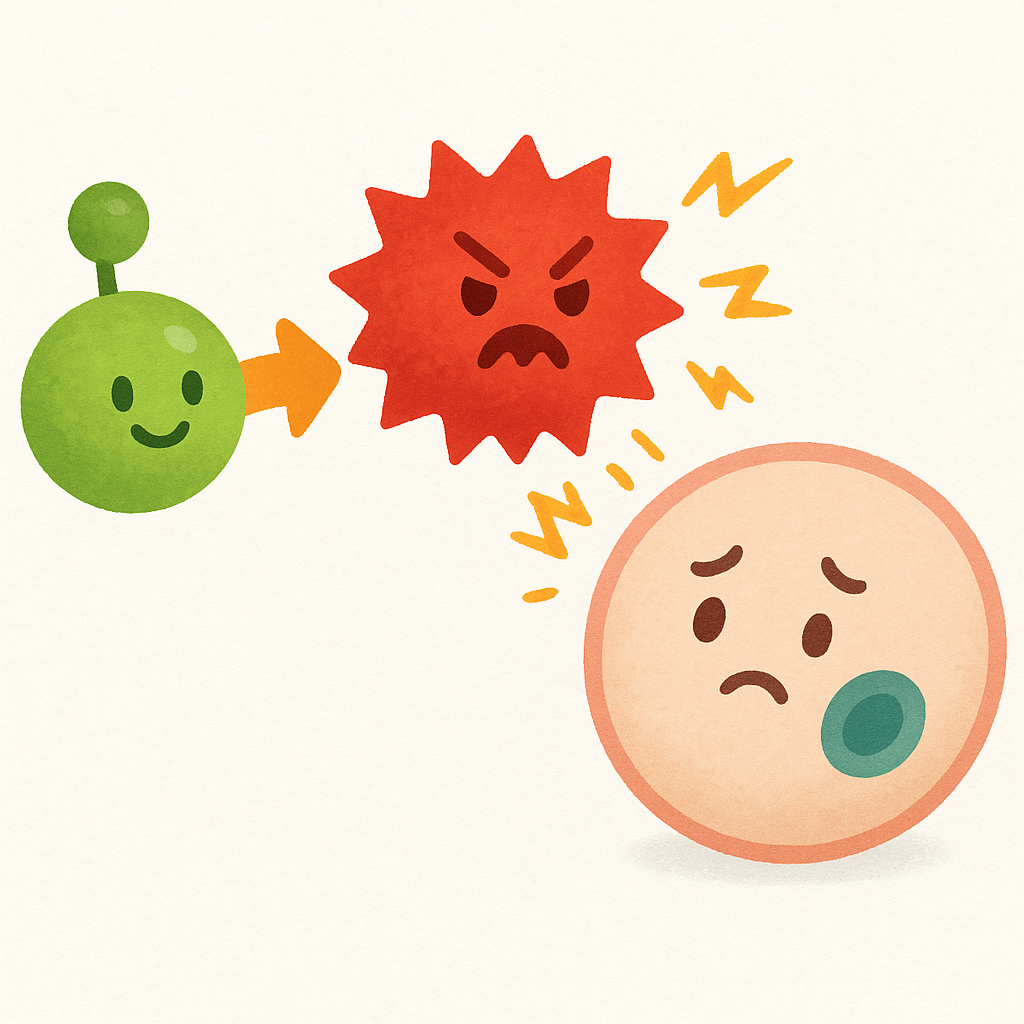
1. Methanol: In the body, methanol converts to formaldehyde, a known toxin. While fruit juice also contains methanol, it is usually accompanied by protective compounds like ethanol. The methanol from aspartame is released freely. Some research suggests this oxidative stress damages cells.
2. Aspartic Acid: This is an excitotoxin (ek-sy-toh-TOK-sin), meaning it can overstimulate nerve cells. Too much stimulation can damage or kill these cells.
3. Phenylalanine: This amino acid competes with other compounds to cross into the brain, potentially disrupting the production of serotonin and dopamine, which regulate mood.
Who Should Be Careful?
Based on the research, certain groups should exercise more caution than others.
| Population | Recommendation | Reason |
|---|---|---|
| Phenylketonuria (PKU) | AVOID | People with PKU cannot break down phenylalanine. Aspartame can be toxic to their brains. |
| Pregnant Women | Caution | Studies suggest potential links to preterm delivery and allergic diseases in offspring. |
| Migraine Sufferers | Caution | Aspartame is a reported trigger for headaches in some individuals. |
| Anxiety Prone | Caution | Animal studies link aspartame to increased anxiety and amygdala changes. |
| Diabetics | Neutral | Aspartame does not spike blood sugar, but may not improve long-term insulin sensitivity. |
Common Questions About Aspartame
Is aspartame worse for your teeth than sugar?
No. Aspartame is non-cariogenic, meaning it does not cause cavities. A 2025 study confirmed that unlike sugar, aspartame does not feed the oral bacteria that destroy tooth enamel.
Does aspartame cause weight gain?
Clinical trials generally show that aspartame does not cause weight gain directly. However, it does not guarantee weight loss unless it helps you achieve a calorie deficit. Some observational data suggests people who drink diet soda may still gain weight, but this could be due to other dietary habits.
Is Stevia safer?
While this article focuses on aspartame, Stevia is a natural sweetener rather than a synthetic one. Some people prefer it for this reason, though taste profiles differ.
The Bottom Line
Aspartame is not an inert substance. It breaks down into biologically active compounds that can affect the brain, the liver, and the metabolic system.
While major food safety agencies consider it safe at current consumption levels, a growing body of independent research suggests that chronic, long-term consumption may carry risks regarding anxiety, oxidative stress, and potentially cancer.
If you consume aspartame occasionally, the evidence suggests you are likely fine. However, relying on it heavily, drinking multiple liters of diet soda daily, may not be as harmless as once thought.
Quick Reference: Key Studies
| Study Focus | Key Finding | Source |
|---|---|---|
| Cancer Risk | Re-analysis suggests aspartame induces leukemia/lymphoma in rodents. | PMID 33845854 |
| Anxiety | Aspartame induced anxiety in mice and their offspring via gene expression. | PMID 36459641 |
| Metabolism | Meta-analysis found no effect on blood sugar, insulin, or weight in adults. | PMID 28394643 |
| Genotoxicity | Review found no evidence of DNA mutation or genotoxicity. | PMID 26321723 |
| Liver Cancer | Network toxicology identified CASP1 as a target for potential liver cancer risk. | PMID 40139029 |
| Dental Health | Aspartame is non-cariogenic and less acidogenic than sucrose. | PMID 40157710 |
Last updated: February 2026
This article synthesizes findings from peer-reviewed research. It is for educational purposes only and does not constitute medical advice. Consult a healthcare provider before starting any new regimen.
Leave a Reply