Introduction
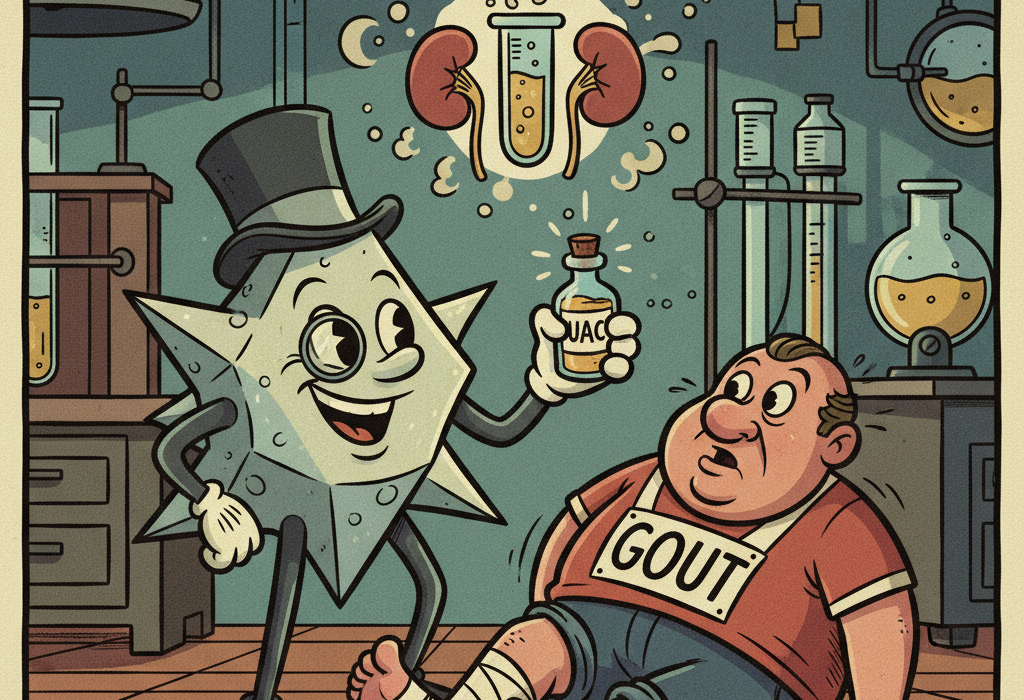
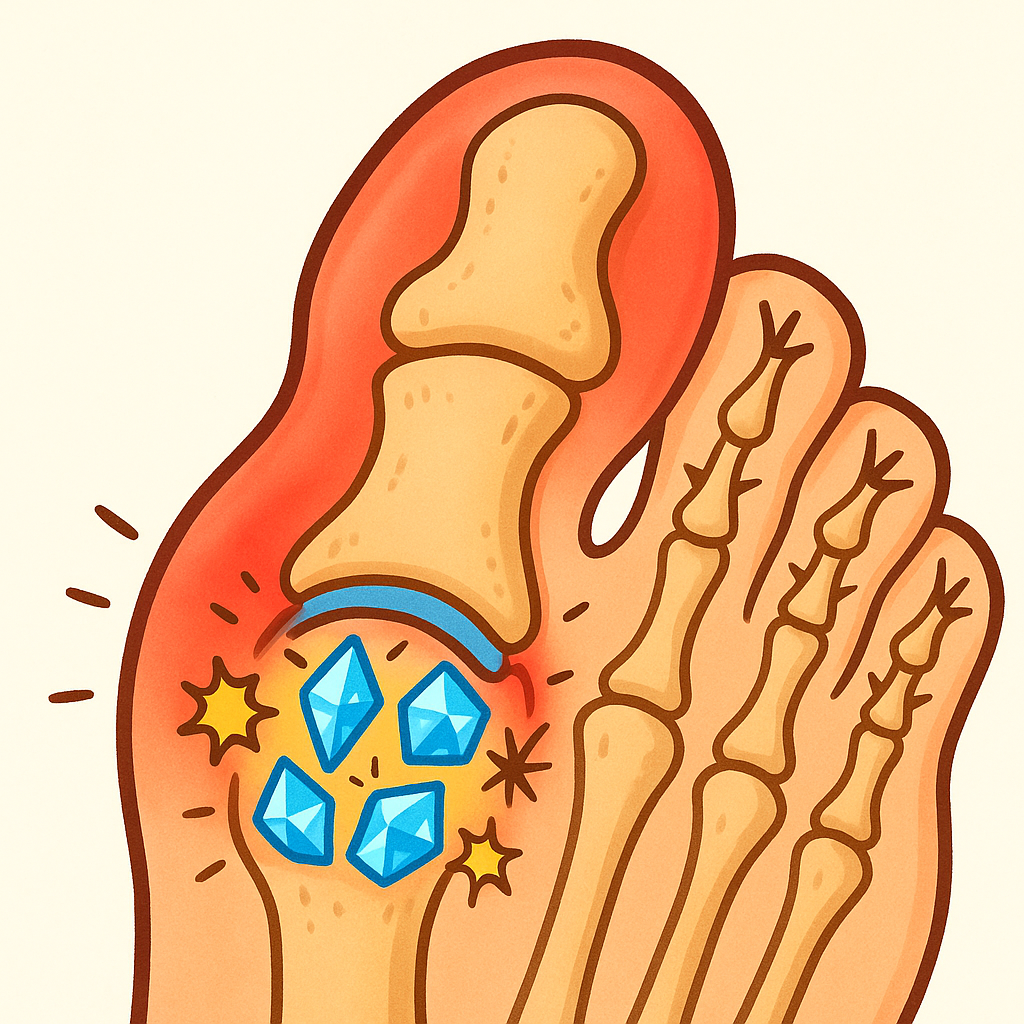
If you have ever experienced a gout flare, you know the sensation: a sudden, intense pain, often in the big toe, that feels like the joint is on fire. Historically dubbed the “disease of kings” because it was associated with rich diets and alcohol, gout is now understood as a complex metabolic disorder affecting millions globally. It happens when uric acid, a waste product of digestion, builds up in the blood and forms sharp, needle-like crystals in the joints.
For decades, the standard medical advice has been a combination of dietary restrictions (avoiding purine-rich foods like organ meats and beer) and medications like allopurinol that stop the body from making uric acid. However, surveys show that nearly half of gout patients prefer natural treatments or dietary modifications over prescription drugs, often due to fear of side effects or a desire for a holistic approach.
But do these natural alternatives actually work? New research from 2024 through 2026 has begun to isolate specific bacterial strains and plant compounds that may help the body process uric acid better. This article breaks down the latest science on probiotics, tart cherries, and emerging plant extracts to see which ones hold up under the microscope.
What the Research Shows
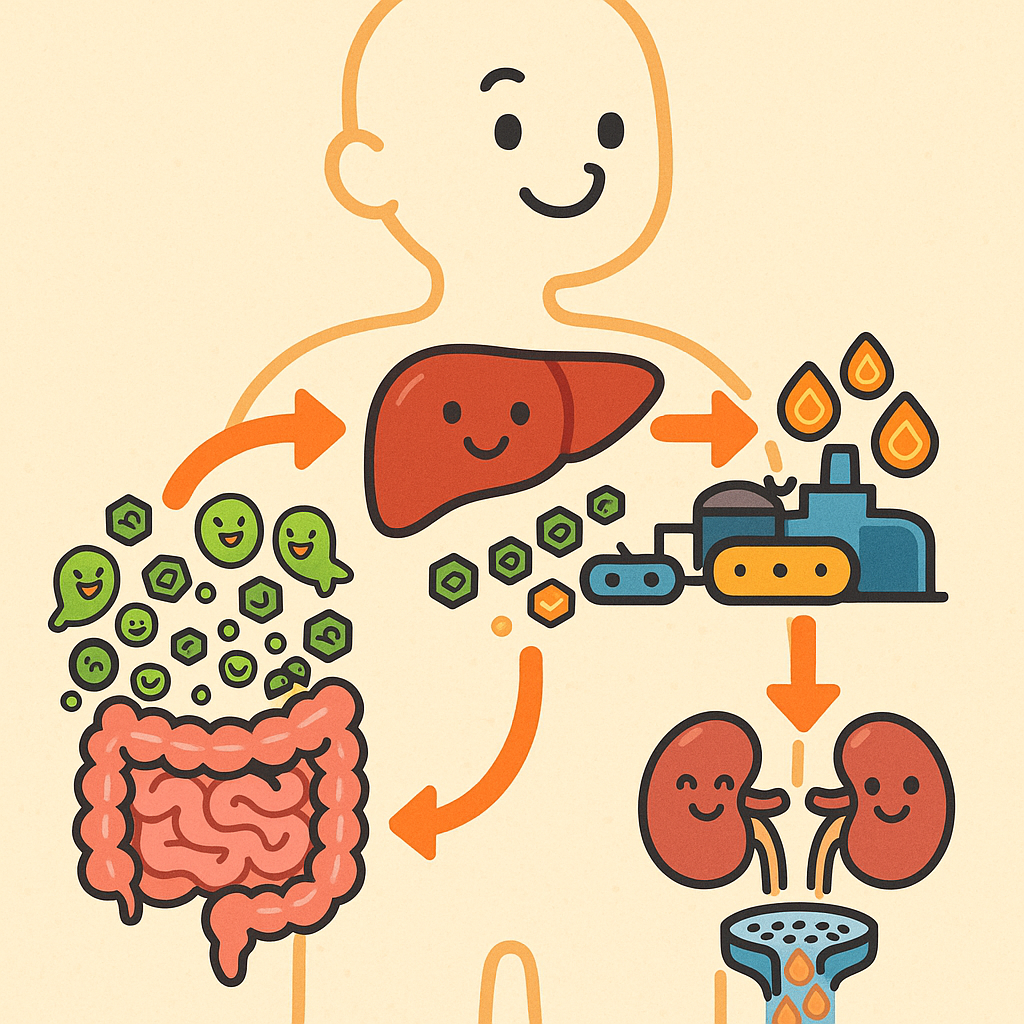
Scientists are currently investigating three main “battlegrounds” for lowering uric acid: the gut (where bacteria eat purines), the liver (where uric acid is made), and the kidneys (where it is excreted).
The Gut Microbiome: A New Frontier
For a long time, doctors focused almost exclusively on the kidneys, which filter uric acid out of the blood. However, we now know that the gut plays a major role, handling about one-third of uric acid excretion. Recent studies suggest that people with gout often have an imbalance in their gut bacteria (dysbiosis).
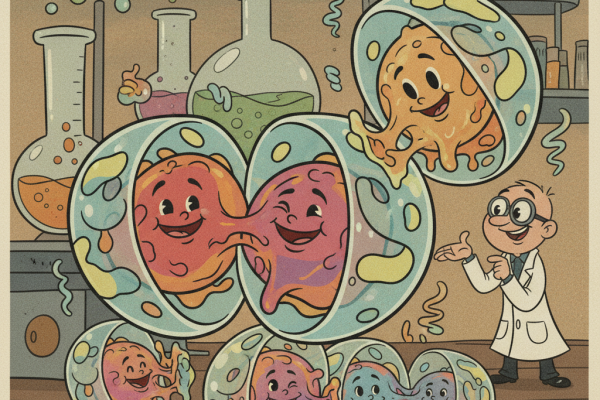
Researchers are now engineering and isolating specific probiotics to tackle this. A 2025 study in ACS Synthetic Biology detailed the creation of a probiotic yeast (S. boulardii) engineered to actively degrade uric acid in the intestine. This “smart” yeast acts like a biological cleanup crew, breaking down uric acid before it can be absorbed into the bloodstream.
Similarly, a 2021 study in Gut Microbes isolated a specific strain of bacteria, Limosilactobacillus fermentum JL-3, from a traditional Chinese fermented food called “Jiangshui.” When given to mice, this bacteria lowered serum uric acid by over 30% by degrading it in the gut and restoring the intestinal barrier. Another 2022 study screened over 300 strains of lactic acid bacteria from dairy products and found two specific strains (LR1155 and LF2644) that successfully prevented uric acid spikes in rats.
Takeaway: Not all probiotics are the same. Specific strains are being identified that act as “purine eaters,” potentially offering a new way to manage levels alongside diet.
Tart Cherry: The Popular Choice vs. The Evidence
Tart cherry juice is perhaps the most famous home remedy for gout. It is rich in anthocyanins, which are potent antioxidants. A systematic review in Evidence-Based Complementary and Alternative Medicine found a correlation between cherry intake and reduced risk of gout attacks.
However, the evidence regarding its ability to actually lower uric acid levels is mixed. A 2024 proof-of-concept study in Nutrients yielded surprising results. Participants took tart cherry powder capsules before a high-purine meal (soup with added purines). While the supplement improved blood sugar and some inflammation markers, it did not significantly lower uric acid levels compared to a placebo.
This suggests that while tart cherries might help reduce the inflammation (pain and swelling) of a flare, they may not be a reliable standalone method for chemically lowering uric acid levels in the blood for everyone.
Emerging Plant Extracts: Asparagus and Citrus
Beyond cherries, scientists are looking at other plant compounds that mimic how gout drugs work. A 2026 study in Food Chemistry: X identified that the mature stem of green asparagus is rich in flavonoids like rutin. In animal models, extracts from these stems significantly reduced serum uric acid by inhibiting the enzymes that create it and helping the kidneys flush it out.
Similarly, a 2025 study highlighted hesperetin (hess-PER-uh-tin), a flavonoid found in citrus fruits. The study found it acts as a potent inhibitor of xanthine oxidase (ZAN-theen OX-i-days), the same enzyme that the drug allopurinol targets. By blocking this enzyme, less uric acid is produced in the first place.
The Big Picture: A Meta-Analysis
To make sense of these scattered studies, a 2025 network meta-analysis in Nutrition & Metabolism reviewed 30 randomized controlled trials involving over 44,000 patients. Their analysis ranked various supplements based on effectiveness. They found that folic acid and probiotics showed significant ability to reduce uric acid levels. Almonds also ranked highly in their statistical model for lowering uric acid, while curcumin (from turmeric) was most effective for improving cholesterol in gout patients.
How This Might Work
To understand why these interventions might help, imagine your body is a factory.
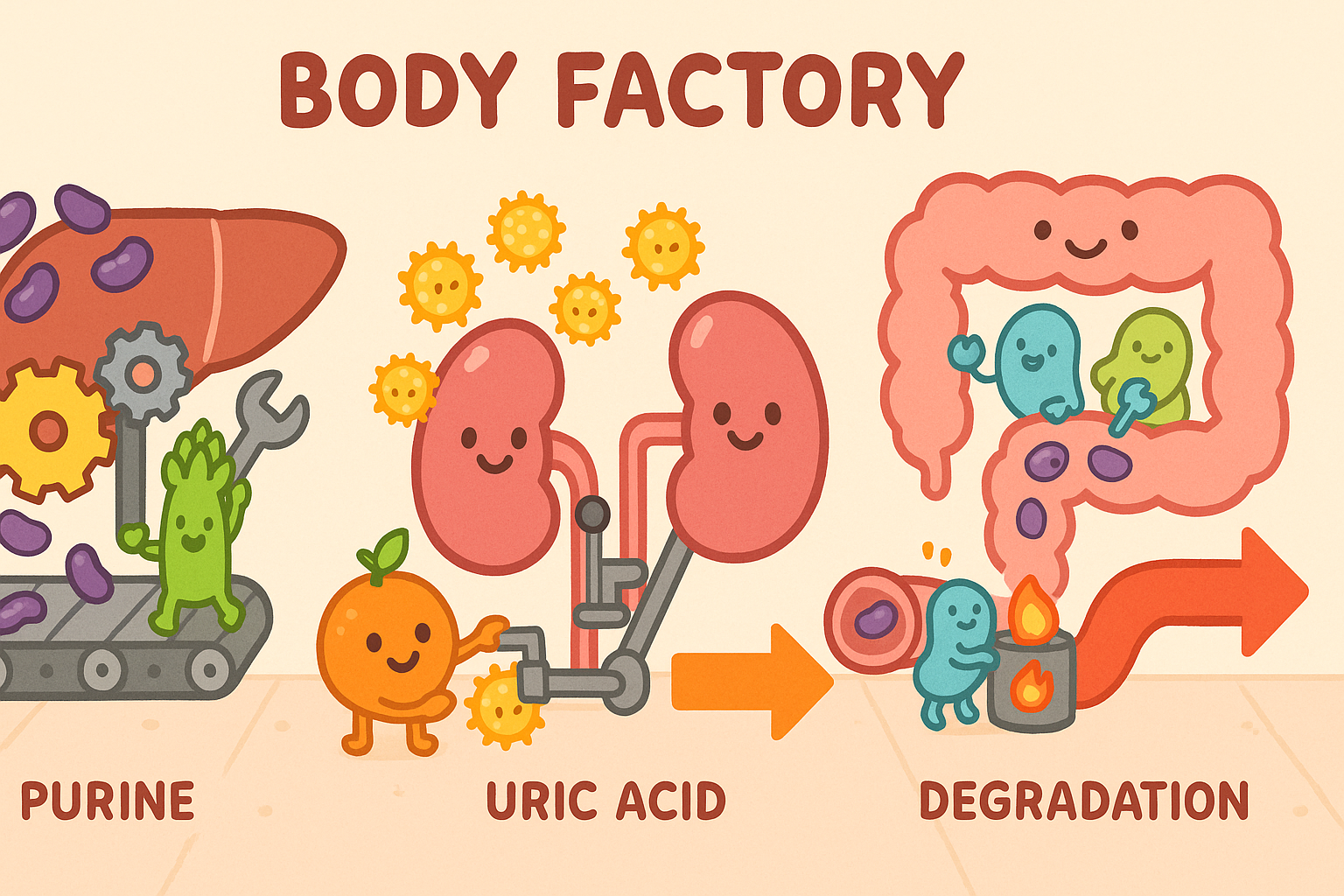
1. Production: Your body produces uric acid when it breaks down purines (from food or old cells). An enzyme called Xanthine Oxidase (XOD) is the machine that churns out this uric acid. Drugs like allopurinol turn this machine off. Natural compounds like hesperetin (citrus) and extracts from asparagus stems appear to “jam” this machine, slowing production.
2. Filtration (The Kidneys): Your kidneys act as the filter, deciding what stays in the blood and what goes out in urine. Special transporters (like gates) control this. Some supplements, including Vitamin C and asparagus extract, may help open the “exit gates” (transporters like ABCG2) so more uric acid leaves the body.
3. Degradation (The Gut): This is the newest discovery. Your gut bacteria can act like a trash incinerator. Specific probiotics (like the engineered yeast or L. fermentum) eat the purines in your food before they even enter your bloodstream, stopping the problem at the source.
The Bottom Line
Research into natural management for gout is accelerating, moving from folklore to molecular science.
- Probiotics show the most promise: Specific strains that degrade purines in the gut are supported by strong recent animal and human data.
Tart Cherry is complicated: It is likely better for managing the pain* of inflammation rather than drastically lowering uric acid levels on its own.
- Dietary winners: Folic acid, Vitamin C, and fiber-rich diets appear to have the most consistent evidence for supporting lower uric acid levels.
- Medication remains king: While supplements are promising, a 2020 systematic review noted that natural products generally do not lower uric acid as effectively or consistently as standard pharmaceuticals.
Confidence in evidence: Moderate to High for probiotics and diet modification; Mixed for tart cherry’s ability to lower serum urate; Low for herbal cures replacing medication entirely.
Who Benefits Or Needs Caution
Who might benefit:
- People with mild hyperuricemia (slightly elevated levels) who are not yet on medication.
Patients looking for adjunct therapies to use alongside* their prescribed medication (e.g., adding a probiotic to allopurinol therapy, as suggested by a 2024 study).
- Individuals with metabolic syndrome (high blood pressure, high blood sugar), as supplements like tart cherry may improve glucose regulation even if they don’t fix gout alone.
Who needs caution:
- People on diuretics: A 2007 study highlighted that thiazide diuretics (water pills) can worsen metabolic issues and raise uric acid. If you take these for blood pressure, dietary changes alone may not be enough to counter the drug’s effects.
- Severe Gout: If you have tophi (visible lumps of crystals) or frequent attacks, relying solely on supplements is risky and may lead to permanent joint damage.
Common Questions About Gout Supplements
Does Vitamin C help with gout?
Yes. Vitamin C helps the kidneys excrete more uric acid. A 2025 meta-analysis found that 500mg of Vitamin C was associated with significant reductions in uric acid levels in specific populations.
Can I stop taking allopurinol if I eat cherries?
Generally, no. Research indicates that while cherries help inflammation, they are not potent enough to replace urate-lowering therapies for most people. Stopping medication abruptly can actually trigger a flare.
Do probiotics help with gout?
Emerging evidence is very strong that specific strains of bacteria can lower uric acid by breaking it down in the gut. Look for supplements containing Lactobacillus strains, though specific “gout-targeted” probiotics are still largely in development.
Quick Reference: Key Studies
| Study Focus | Key Finding | Source |
|---|---|---|
| Dietary Supplements | Folic acid and probiotics significantly reduced uric acid; Vitamin C reduced oxidative stress. | PMID 40702568 |
| Tart Cherry | Acute supplementation did not lower uric acid after a high-purine meal, but did lower blood sugar. | PMID 39408358 |
| Probiotic Yeast | Engineered yeast (S. boulardii) successfully degraded uric acid in the gut with high efficiency. | PMID 40340401 |
| Asparagus Stem | Extracts from green asparagus stems reduced uric acid production and increased excretion in animal models. | PMID 41551805 |
| Fermented Food | Bacteria from “Jiangshui” fermented food (L. fermentum) lowered serum uric acid by 31% in mice. | PMID 33764849 |
| Patient Survey | 40% of patients prefer natural treatments, but medication adherence remains the most effective management tool. | PMID 26931313 |
Last updated: February 2026
This article synthesizes findings from peer-reviewed research. It is for educational purposes only and does not constitute medical advice. Consult a healthcare provider before starting any new regimen.

Leave a Reply