How to Prevent HPV: What the Latest Science Actually Says
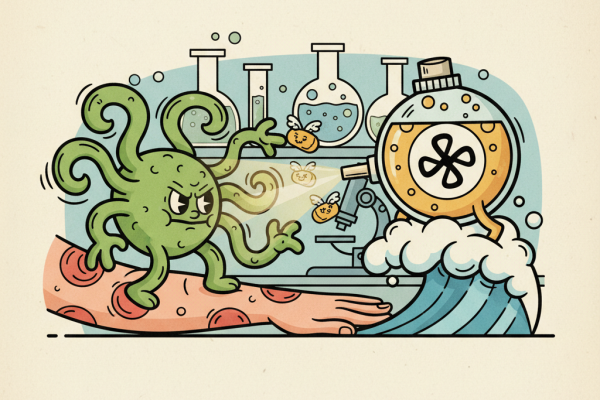
Human papillomavirus is incredibly common, but the cancers it causes are highly preventable. Learn what science says about HPV vaccines, screening, and everyday habits that lower your risk.


In vitro fertilization (IVF) is a highly effective treatment for infertility, but success depends on a complex mix of age, uterine health, and laboratory techniques. Learn what the latest peer-reviewed research says about improving your chances of a successful pregnancy.
Brown fat burns calories to generate heat, improving blood sugar and metabolic health. However, recent research shows its overall impact on major weight loss is smaller than many hope.
Fungal skin infections are common but highly treatable. Discover what clinical research says about the most effective topical and oral treatments for ringworm, athlete's foot, and stubborn nail fungus.
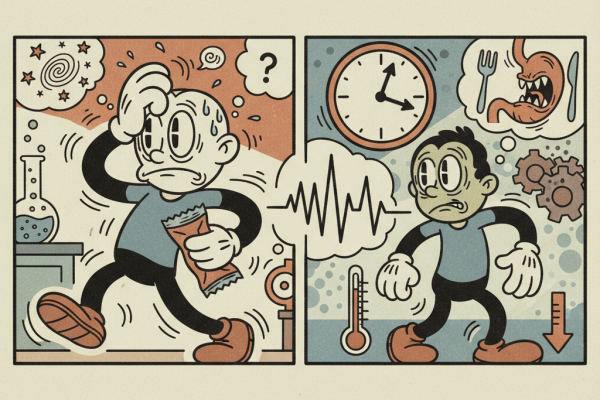
Low blood sugar causes two distinct types of symptoms: early warning signs like shaking and sweating, and severe brain-related signs like confusion. Learn what the latest science says about true hypoglycemia and why it is often misunderstood.
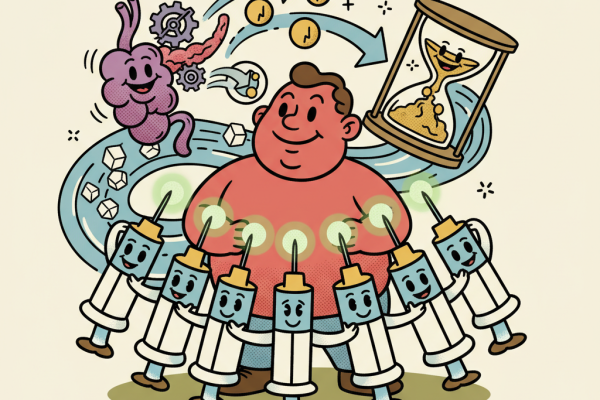
GLP-1 medications are changing how we treat type 2 diabetes and obesity. Explore what the latest scientific research says about how they control blood sugar, affect body weight, and impact long-term health.
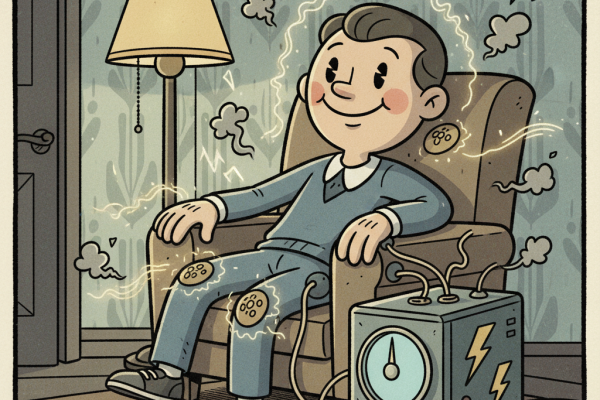
Transcutaneous electrical nerve stimulation (TENS) is a popular, drug-free way to manage pain. While research shows it effectively treats joint, nerve, and menstrual pain, its success depends heavily on using the right settings.
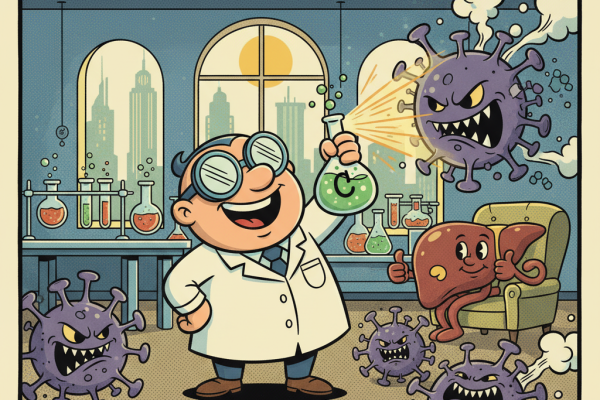
For decades, treating Hepatitis C meant enduring harsh side effects with mixed results. Today, modern science uses targeted antiviral pills to cure the virus in over 90% of patients. Here is what the latest research shows about how these treatments work.
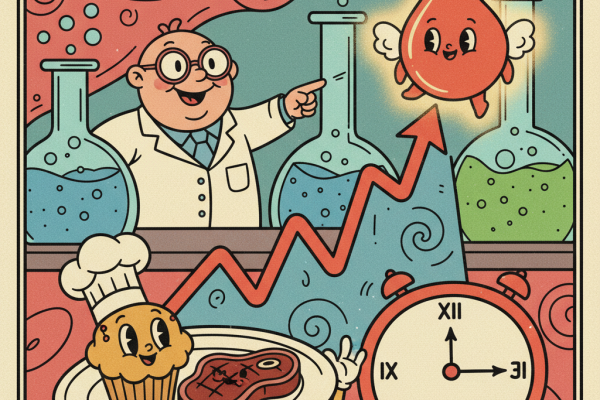
Experiencing a crash two hours after lunch? Discover what the latest science says about post-meal blood sugar spikes, why they drive cravings, and how a 10-minute walk can change your metabolism.
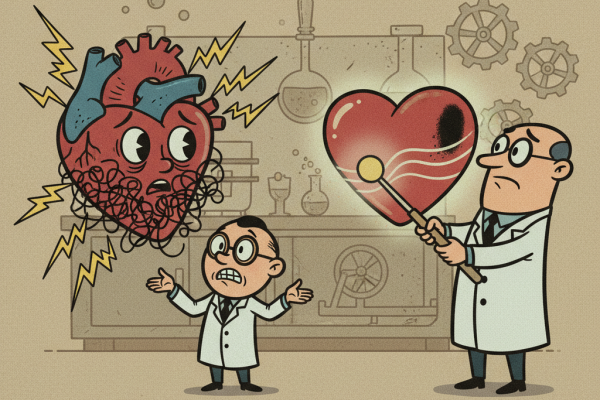
When the heart's electrical system misfires, it causes an arrhythmia. Learn how science is using targeted energy, smart technology, and specialized drugs to fix the wiring and restore a normal heartbeat.