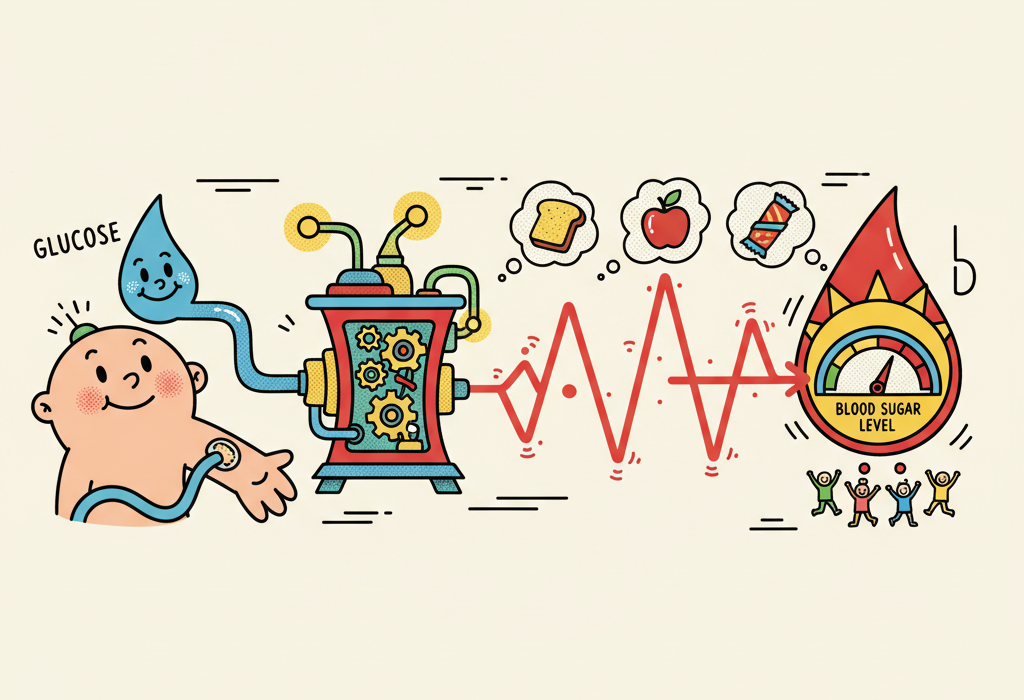
A continuous glucose monitor (CGM) is a small wearable device that tracks your blood sugar levels day and night. Originally designed for people with Type 1 diabetes who need to carefully manage daily insulin doses, these devices have recently exploded in popularity. Today, they are used by people with Type 2 diabetes, pregnant women, and even healthy athletes looking to optimize their performance.
But do these devices actually improve health outcomes for everyone? The short answer is that CGMs are highly effective for managing diabetes and navigating pregnancy, but the data they provide can be surprisingly difficult to interpret for healthy individuals without a medical condition.
If you are considering a CGM, it helps to understand exactly what the research shows about who benefits most and what the numbers actually mean. Related: Continuous Glucose Monitoring: What the Latest Science Says
How Continuous Glucose Monitors Actually Work
Unlike traditional fingerstick tests that measure glucose directly in your blood, a CGM uses a tiny sensor inserted just under the skin.
This sensor measures glucose in your interstitial fluid (in-ter-STISH-ul), which is the fluid surrounding your cells. Because glucose moves from your blood into this fluid, there is a slight delay. A CGM reading might lag behind your actual blood sugar by about 10 to 15 minutes.
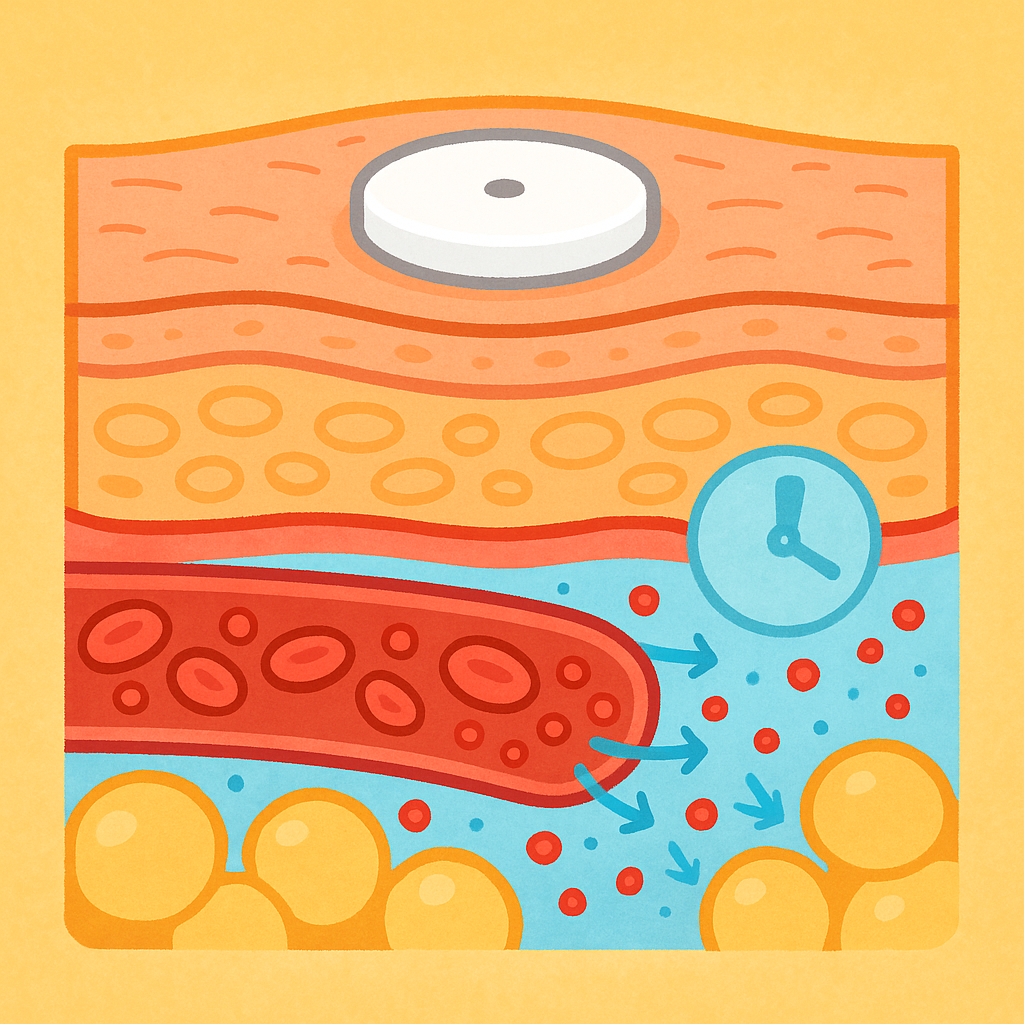
Because of this delay, a CGM will not always match a fingerstick test perfectly, especially if your blood sugar is rising or falling rapidly after a meal or during exercise.
Do CGMs Improve Blood Sugar in Type 2 Diabetes?
For people with Type 2 diabetes, the evidence strongly supports using a CGM.
A 2024 meta-analysis in The Journal of Clinical Endocrinology and Metabolism reviewed 14 randomized trials and found that CGM use led to a modest but statistically significant drop in HbA1c (a measure of average blood sugar over three months).
Beyond just lowering average blood sugar, these devices help keep people out of the hospital. A massive 2024 real-world analysis in Diabetes, Obesity & Metabolism looked at over 74,000 adults with Type 2 diabetes. The researchers found that switching from traditional fingersticks to a CGM significantly reduced all-cause hospitalizations and diabetes-related emergency room visits over a 12-month period. This was true whether the patients were taking insulin or not.
However, simply wearing the device is not always enough. A 2024 trial in Diabetes Research and Clinical Practice found that people with Type 2 diabetes who paired their CGM with virtual visits from a diabetes educator saw much better results. They were nearly twice as likely to see a meaningful drop in their HbA1c compared to those who received standard care. The data suggests that a CGM is a tool, but education provides the instruction manual on how to use it.
Managing Gestational Diabetes and Pregnancy
Pregnancy changes how the body processes glucose. For women with preexisting diabetes or those who develop gestational diabetes, managing blood sugar is critical for both maternal and fetal health. Related: What Science Actually Says About Managing Gestational Diabetes
A 2025 randomized controlled trial in Diabetes Care looked at pregnant women with gestational diabetes. The study found that women using real-time CGMs spent significantly more time in their target glucose range compared to those relying on traditional fingersticks. They also had lower average glucose levels throughout the day and night.
Furthermore, a comprehensive 2025 meta-analysis in the American Journal of Obstetrics and Gynecology confirmed that CGM use during pregnancy reduces HbA1c and lowers the risk of having a “large for gestational age” baby.
Interestingly, CGMs might also help predict problems before they happen. A 2024 study in Diabetes Care found that having pregnant women wear a CGM in their first trimester was better at predicting who would develop gestational diabetes later in pregnancy than traditional risk factors like weight or family history.
Healthy Athletes: Why the Data Gets Confusing
Lately, many endurance athletes and fitness enthusiasts have started wearing CGMs to track their fueling and recovery. However, interpreting this data in healthy people requires caution.
According to a 2024 review in Sports Medicine, endurance athletes frequently experience large blood sugar spikes and dips that would look alarming in a normal medical context. For example, during high-intensity exercise, the liver pumps out extra glucose to fuel the muscles. In an elite athlete, this can cause a temporary blood sugar spike well above normal ranges.
Athletes also frequently experience low blood sugar drops at night, especially during periods of heavy training or when they are not eating enough calories to match their exercise output.
While this data can help athletes realize they need to eat more carbohydrates to fuel their training, researchers warn against treating these normal, exercise-induced glucose swings as a sign of poor metabolic health.
Moving Beyond “Time in Range”
As CGMs become more advanced, doctors are changing how they measure success.
Historically, the main goal was to increase Time in Range (TIR), which is the percentage of the day a person’s blood sugar stays between 70 and 180 mg/dL.
However, for people trying to achieve near-normal blood sugar levels, a new metric is emerging. It is called Time in Tight Range (TITR), which tracks how often blood sugar stays between 70 and 140 mg/dL.

A 2024 study in Diabetes Technology & Therapeutics analyzed data from over 20,000 CGM users. The researchers found that once a person’s average glucose falls below 140 mg/dL, looking at TITR provides a much better picture of their metabolic health.
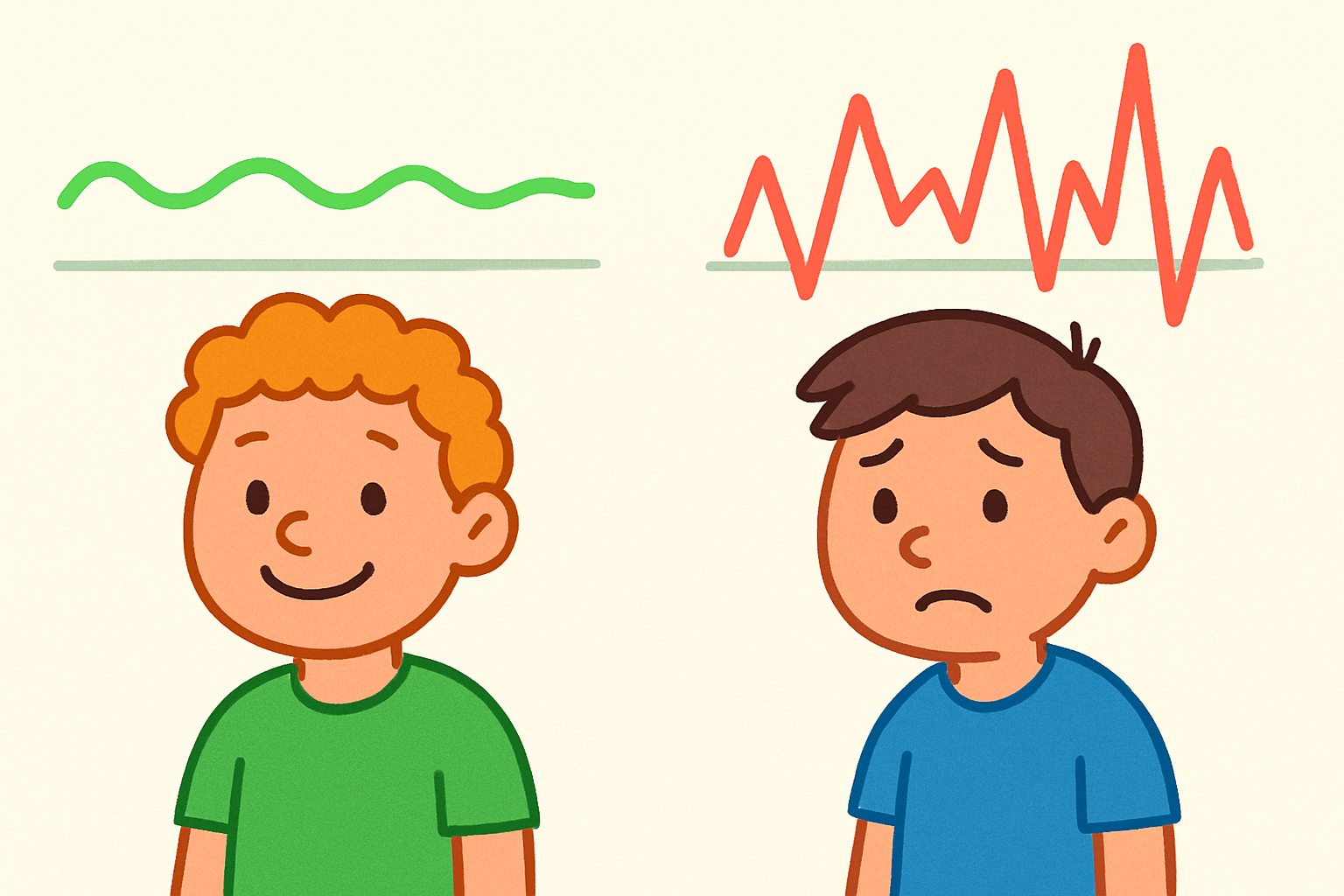
This study also highlighted the importance of glycemic variability (gly-SEE-mik vair-ee-uh-BIL-ih-tee), which is how much your blood sugar swings up and down. Two people can have the exact same average blood sugar, but if one person has huge spikes and crashes, their health outcomes may be worse.
How Accurate Are Continuous Glucose Monitors?
Not all CGMs are created equal. The FDA has a specific classification called “integrated CGM” (iCGM) for devices that meet the highest accuracy standards.
A 2025 review in the Journal of Diabetes Science and Technology emphasized that only FDA-cleared iCGMs have the proven accuracy required to make medical decisions, like adjusting insulin doses, without needing a backup fingerstick test. Cheaper, non-approved devices entering the global market often lack published accuracy data and should be used with caution.
Even among top-tier devices, there are slight differences. A 2024 head-to-head comparison of the two most popular systems tested the FreeStyle Libre 3 against the Dexcom G7. The study found that the FreeStyle Libre 3 had a slightly lower error rate (8.9% versus 13.6%) and matched laboratory blood tests more closely throughout the wear period.
The Bottom Line
Continuous glucose monitors provide a detailed window into how your body processes food, stress, and exercise.
- For Type 2 diabetes: CGMs modestly improve blood sugar and reduce hospital visits, especially when paired with professional education.
- For pregnancy: They help women stay in their target glucose ranges and reduce the risk of birth complications.
- For healthy athletes: They can help identify under-fueling, but the large glucose spikes seen during intense exercise are a normal biological response, not a disease.
While technology is making it easier to track our internal chemistry, data is only useful if you know how to interpret it.
Quick Reference: Key Studies
| Study Focus | Key Finding | Source |
|---|---|---|
| Type 2 Diabetes & Hospitalizations | CGM use in Type 2 diabetes reduced all-cause hospitalizations and emergency visits over 12 months. | PMID 39263872 |
| CGMs in Pregnancy | Real-time CGM use significantly improved the percentage of time spent in the target glucose range for women with gestational diabetes. | PMID 40730104 |
| Type 2 Diabetes & Education | Pairing a CGM with virtual diabetes educator visits was highly effective for lowering HbA1c in people not on insulin. | PMID 39433218 |
| Athletes & Glucose | Endurance athletes frequently experience large glucose spikes and dips, which are normal physiological responses to intense training. | PMID 37658967 |
| Device Accuracy | In a head-to-head test, the FreeStyle Libre 3 showed slightly higher point accuracy than the Dexcom G7. | PMID 38189290 |
Last updated: March 2026
This article synthesizes findings from peer-reviewed research. It is for educational purposes only and does not constitute medical advice. Consult a healthcare provider before starting any new regimen.


Leave a Reply