Introduction
Most of us know that a good foot rub feels amazing after a long day. But practitioners of reflexology (ree-fleks-OL-uh-jee) claim that pressing specific spots on your feet can do much more than soothe sore arches; they believe it can heal your internal organs, reduce anxiety, and even shorten labor during childbirth.
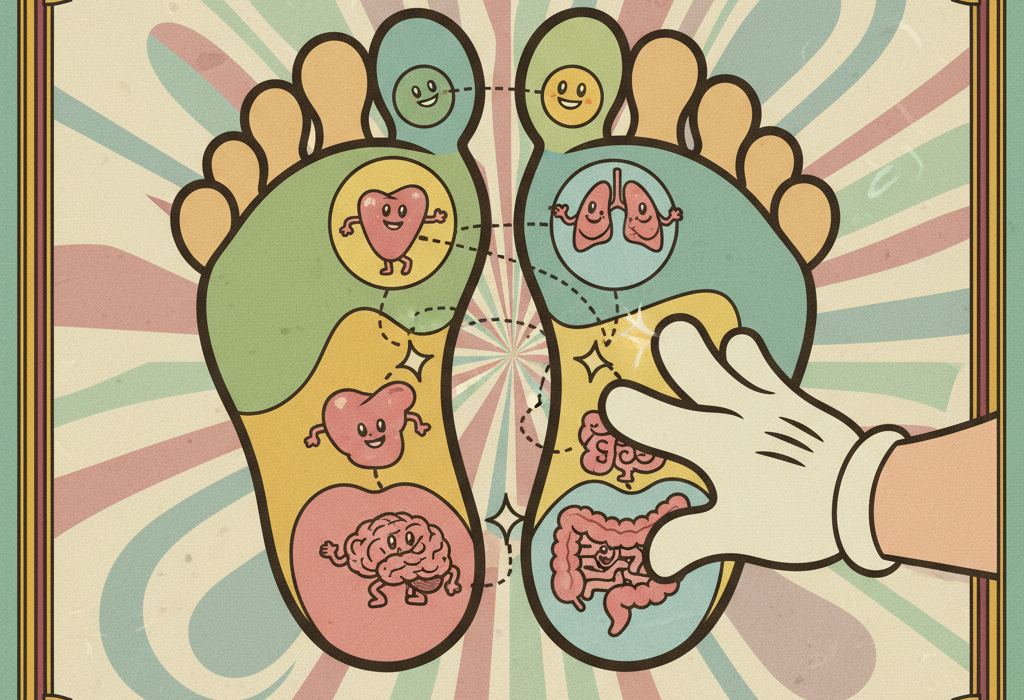
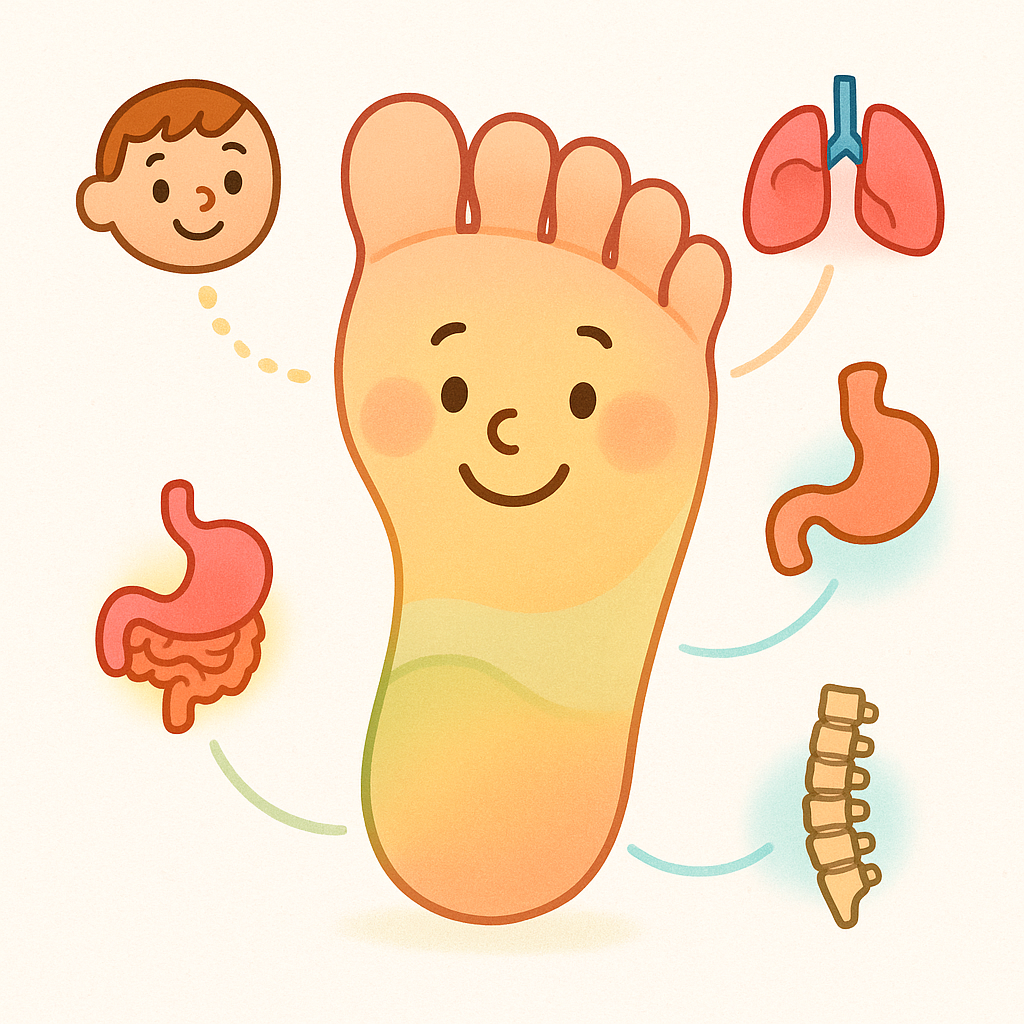
Reflexology is based on the theory that your feet, hands, and ears are maps of your entire body. According to this view, the ball of your foot might correspond to your heart, while your heel might connect to your lower back. By applying targeted pressure to these “reflex zones,” practitioners aim to treat health issues in completely different parts of the body.
For years, modern medicine viewed these claims with skepticism. How could pressing a toe fix a headache? However, recent systematic reviews and clinical trials have begun to uncover what is actually happening inside the body during a session. The results suggest that while reflexology may not be a magic cure-all, it is a potent tool for managing symptoms like pain, fatigue, and anxiety.
Here is what the latest peer-reviewed research says about how reflexology affects your health.
How It Might Work: Beyond the “Energy Map”
Traditional reflexology relies on the concept of Qi (life energy) flowing through zones in the body. While this energy flow is difficult to measure scientifically, researchers are identifying biological mechanisms that explain why patients often feel better.
The Nervous System and Fascia
A 2022 review explored the biological plausibility of reflexology. The researchers suggest that the benefits likely come from mechanotransduction (mek-uh-no-trans-DUK-shun): the process where cells convert mechanical pressure into chemical signals.
Your feet are packed with nerve endings. Stimulating these nerves may calm the central nervous system, shifting the body from a “fight or flight” stress state to a “rest and digest” state. Additionally, the pressure may manipulate the fascia (FASH-ee-uh), the connective tissue web that runs throughout the entire body, potentially releasing tension patterns that extend far beyond the foot.
What the Research Shows
Scientists have tested reflexology on a variety of conditions, from cancer care to chronic constipation. Here is a breakdown of the evidence.
1. Pain and Anxiety in Cancer Care
One of the strongest areas of research for reflexology involves symptom management for cancer patients. It is not a cure for cancer, but it appears to be highly effective at managing the side effects of the disease and its treatments.
A 2021 study in the Clinical Journal of Oncology Nursing followed hospitalized cancer patients who received a 20-minute reflexology session. The researchers found that the treatment significantly decreased pain levels compared to patients who only received standard nursing care. While the study was small, the reduction in pain was immediate.
Furthermore, involving family members can amplify these benefits. A 2019 study taught caregivers how to perform foot reflexology on patients with cancer. After 15 days of daily sessions, the patients reported significantly lower levels of pain, anxiety, and fatigue. Interestingly, the caregivers also reported a decrease in their own caregiving burden, suggesting the shared activity was mutually beneficial.
2. Fatigue and Sleep Quality
Fatigue is a debilitating symptom for many chronic conditions, including Multiple Sclerosis (MS) and kidney failure.
A 2023 meta-analysis examined eight studies involving patients undergoing hemodialysis (a treatment for kidney failure). The analysis concluded that foot reflexology significantly reduced fatigue levels. A separate 2024 trial confirmed these findings, showing that hemodialysis patients who received reflexology had better sleep quality and lower anxiety than those who received a generic foot massage.
Similarly, for patients with Multiple Sclerosis, a 2025 systematic review found that reflexology consistently reduced MS-related fatigue, helping patients manage their daily activities better.
For general sleep issues, a 2021 review in the Journal of Advanced Nursing analyzed 42 studies involving nearly 4,000 participants. The researchers found that reflexology was effective at improving sleep quality and reducing the severity of sleep disturbances.
3. Pregnancy and Labor
Can a foot massage help women through labor? The evidence is surprisingly strong.
A 2024 systematic review and meta-analysis looked at data from over 1,000 pregnant women. The study found that foot reflexology significantly:
- Reduced anxiety and pain during labor
- Shortened the duration of labor
- Increased birth satisfaction scores
The researchers concluded that reflexology is a safe, non-invasive complementary therapy for managing the physical and emotional stress of childbirth.
4. Digestion and Constipation
Because reflexology maps specific zones of the foot to the intestines, researchers have tested its ability to treat functional constipation (constipation with no known organic cause).
A 2020 meta-analysis found that reflexology significantly increased the “curative rate” for constipation. However, the researchers noted that while symptoms improved, there was not enough evidence to prove it changed the recurrence rate of the condition long-term.
5. Blood Pressure (Hypertension)
While reflexology helps with relaxation, its ability to clinically lower blood pressure in hypertensive patients is less clear.
A 2023 systematic review analyzed randomized controlled trials regarding blood pressure. The conclusion was that foot reflexology interventions were not effective in significantly reducing blood pressure among patients with hypertension. While it may provide temporary stress relief, it should not be viewed as a replacement for blood pressure medication.
Common Misunderstandings
Myth: Reflexology can diagnose illness.
Fact: A reflexologist cannot diagnose medical conditions (like liver failure or kidney stones) by feeling “crystals” or bumps in your feet. While tender spots may indicate tension, they are not a diagnostic tool.
Myth: It is just a foot massage.
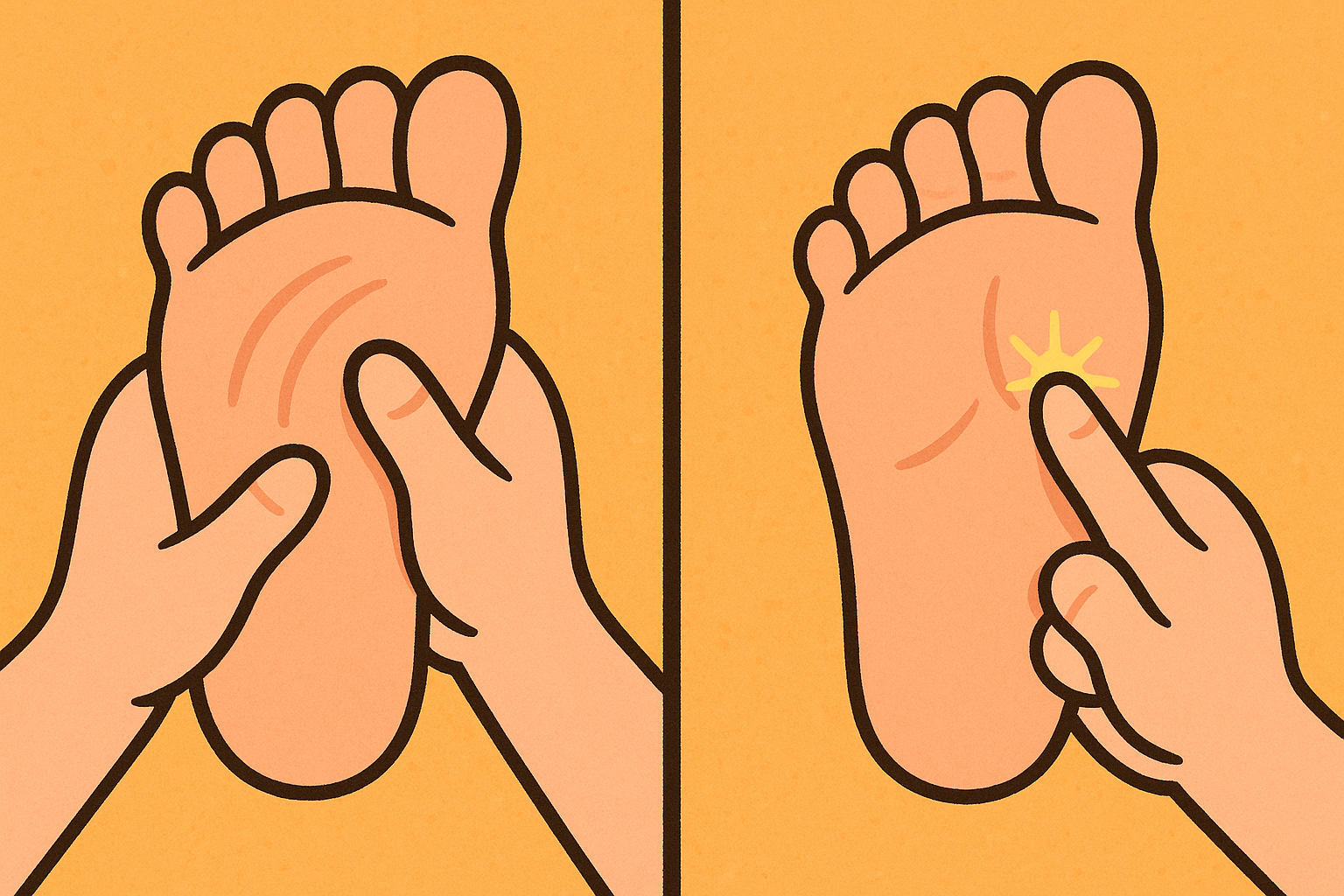
Fact: While massage focuses on relaxing muscles using broad strokes, reflexology uses targeted, point-specific pressure to stimulate nerve pathways. Research shows distinct outcomes for reflexology compared to simple touch.
The Bottom Line
Foot reflexology is more than a spa indulgence. It is a legitimate complementary therapy with a growing body of evidence supporting its use for symptom management. It appears most effective for subjective experiences, how you feel, rather than curing objective diseases.
What we know:
- Strong Evidence: Reduces pain and anxiety (especially in cancer and hospital settings).
- Strong Evidence: Improves sleep quality and reduces fatigue in chronic conditions (MS, dialysis).
- Good Evidence: Can shorten labor and reduce labor pain.
- Weak/No Evidence: Does not reliably treat hypertension (high blood pressure).
If you are dealing with chronic stress, pain, or fatigue, reflexology is a low-risk intervention worth trying. However, it should always be used alongside, not instead of, standard medical care.
Quick Reference: Key Studies
| Condition | Key Finding | Source |
|---|---|---|
| Pregnancy/Labor | Reduced pain, anxiety, and shortened labor duration. | PMID 38200035 |
| Hemodialysis | Reduced fatigue levels significantly compared to usual care. | PMID 37820220 |
| Cancer Pain | Significant decrease in pain compared to standard nursing care. | PMID 34533507 |
| Multiple Sclerosis | Significantly reduced MS-associated fatigue. | PMID 39960275 |
| Sleep | Improved sleep quality and reduced disturbances (meta-analysis of 42 studies). | PMID 33615535 |
| Hypertension | Not effective for significantly reducing blood pressure. | PMID 36804683 |
| Constipation | Increased curative rate for functional constipation. | PMID 32891277 |
Last updated: March 2026
This article synthesizes findings from peer-reviewed research. It is for educational purposes only and does not constitute medical advice. Consult a healthcare provider before starting any new regimen.
Leave a Reply