
Managing type 2 diabetes often feels like trying to balance a scale that is constantly tipping. For decades, treatments focused primarily on replacing insulin or forcing the body to produce more of it. Recently, a class of medications called GLP-1 receptor agonists has shifted this approach. These drugs do not just lower blood sugar. They also affect digestion, body weight, and even heart health.
However, understanding how these medications work can be confusing. News headlines often focus on their weight loss effects, sometimes overshadowing their primary medical purpose. Furthermore, scientists are still learning how these drugs interact with different organs over long periods.
This article synthesizes current scientific research to explain how GLP-1 medications function, what clinical trials actually show about their effectiveness, and what risks are involved.
How This Might Work: The Biology of GLP-1
To understand how these drugs work, it helps to look at how the body naturally handles food.
When you eat, your intestines release hormones called incretins (IN-creh-tins). These are chemical messengers that tell the pancreas to prepare for incoming sugar. The most important of these hormones is glucagon-like peptide-1, or GLP-1.
Natural GLP-1 does three main things:
1. It tells the pancreas to release insulin, but only when blood sugar levels are high.
2. It stops the release of glucagon (GLOO-kuh-gon), a hormone that tells the liver to pump stored sugar into the blood.
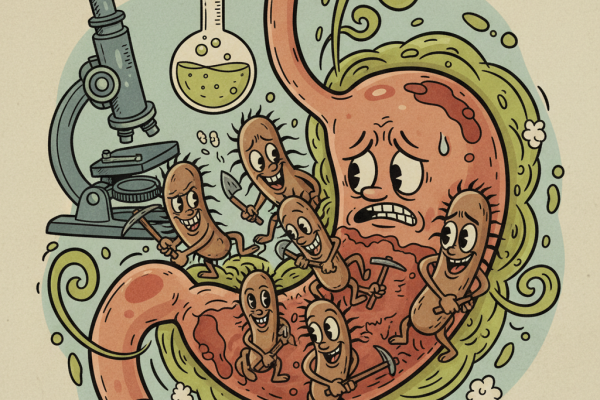
3. It slows down gastric emptying (GAS-trik EMP-tee-ing), which is the speed at which food leaves the stomach and enters the intestines.
In people with type 2 diabetes, the natural incretin system often does not work correctly. The body might not produce enough GLP-1, or it might clear it away too quickly. Natural GLP-1 only lasts in the bloodstream for about two to three minutes before an enzyme breaks it down.
GLP-1 receptor agonists are synthetic versions of this hormone. Scientists designed them to resist being broken down by enzymes. This allows the medication to stay in the body for hours or even days, providing a constant signal to the pancreas and the brain.
Related: Continuous Glucose Monitors: What the Latest Science Actually Says
What the Research Shows
Extensive clinical trials have evaluated how these medications affect patients with type 2 diabetes. The evidence points to several distinct effects on the body.
Blood Sugar Control
The primary purpose of GLP-1 drugs is to manage type 2 diabetes. Research consistently shows they are highly effective at this task. By prompting the pancreas to release insulin only when food is present, they lower blood sugar levels without causing severe drops in blood sugar, a condition known as hypoglycemia.
A 2021 review in Advances in Experimental Medicine and Biology noted that these medications successfully lower HbA1c (a measure of average blood sugar over three months) by 0.8% to 1.9%, depending on the specific drug and dosage.
Weight Reduction
Weight loss is a well-documented effect of GLP-1 therapy. Because these drugs slow down digestion and send fullness signals to the brain, patients typically eat less.
A 2025 review in Biomolecules highlighted that GLP-1 medications can reduce body weight by 15% to 25% on average after about one year of use in obese patients. The research indicates that the weight loss is primarily driven by a reduction in calorie intake rather than an increase in how many calories the body burns.
Related: GLP-1 Weight Loss Drugs: What Real-World Results Actually Show
Heart and Kidney Protection
One of the most significant findings in recent years is that GLP-1 medications appear to protect major organs.
A 2022 network meta-analysis in Cardiovascular Diabetology evaluated multiple trials involving over 51,000 patients. The researchers found that GLP-1 receptor agonists significantly reduced the risk of major adverse cardiovascular events (such as heart attacks and strokes) in patients with type 2 diabetes and chronic kidney disease.
Similarly, a 2017 review in Nature Reviews Nephrology explained that GLP-1 receptors are found in the kidneys. Activating these receptors helps the kidneys excrete excess sodium and reduces inflammation, which may slow the progression of diabetic kidney disease.
The Rise of Dual and Triple Agonists
Science is moving beyond targeting just the GLP-1 receptor. Newer medications target multiple hormone receptors at once to increase effectiveness.
For example, tirzepatide targets both GLP-1 and another incretin hormone called GIP. A 2022 study in Cardiovascular Diabetology reported that tirzepatide reduced HbA1c and body weight by unprecedented amounts for a single medication, outperforming treatments that only target GLP-1.
Researchers are also testing combinations like cagrilintide and semaglutide. A 2025 clinical trial in The New England Journal of Medicine found that this combination resulted in a 13.7% body weight reduction over 68 weeks in adults with type 2 diabetes, significantly more than a placebo.
Short-Acting vs. Long-Acting Medications
Not all GLP-1 medications behave the same way in the body. They are generally divided into two categories based on how long they last.
| Feature | Short-Acting GLP-1s (e.g., Exenatide) | Long-Acting GLP-1s (e.g., Semaglutide, Dulaglutide) |
|---|---|---|
| Dosing Frequency | Once or twice daily | Once weekly |
| Primary Effect | Lowers blood sugar spikes right after meals | Lowers overall fasting blood sugar constantly |
| Gastric Emptying | Strongly slows digestion | Mildly slows digestion over time (body adapts) |
| Side Effects | Nausea may persist longer | Nausea usually improves after a few weeks |
According to a 2012 review in Nature Reviews Endocrinology, short-acting versions cause large fluctuations in medication levels in the blood. This creates a strong, repeated slowing of the stomach, which is great for controlling blood sugar right after a meal. Long-acting versions provide a steady level of medication. Over time, the stomach adapts to the long-acting drugs and resumes emptying at a more normal pace, but the drugs continue to suppress appetite by acting directly on the brain.
Who Benefits Or Needs Caution
Who Benefits Most
- People with Type 2 Diabetes: Especially those who have not reached their blood sugar goals using standard medications like metformin.
- People with Prediabetes: A 2017 clinical trial in The Lancet followed individuals with prediabetes for three years. Those taking liraglutide were nearly 80% less likely to develop type 2 diabetes compared to those taking a placebo.
- People with Cardiovascular Risk: Those with a history of heart attacks or strokes often benefit from the cardiovascular protection these drugs provide.
Who Should Be Careful
- People with a History of Pancreatitis: A 2024 review in The American Journal of Emergency Medicine notes that GLP-1 agonists carry a risk of acute pancreatitis (inflammation of the pancreas) and biliary disease (gallbladder issues).
- People with Severe Stomach Issues: Because these drugs slow digestion, individuals with gastroparesis (a condition where the stomach already empties too slowly) may experience worsened symptoms.
- Specific Thyroid Risks: These medications carry warnings for people with a personal or family history of medullary thyroid carcinoma, a rare type of thyroid cancer, based on early animal studies.
Common Misunderstandings
Myth: The weight loss is only because the drugs make you nauseous.
While nausea is the most common side effect, research shows it is not the main driver of weight loss. Studies indicate that patients who do not experience any nausea still lose signficant amounts of weight. The medication works directly on the brain’s appetite centers to reduce hunger.
Myth: You can take them for a few months to lose weight and then stop.
Obesity and type 2 diabetes are chronic conditions. A 2025 paper in Biomolecules emphasized that stopping GLP-1 medications usually leads to a high rate of weight regain and a return of elevated blood sugar levels. The body’s natural “set point” for weight and metabolism reasserts itself once the synthetic hormones are removed.
Where The Science Is Still Uncertain
While the short-term and medium-term data are robust, scientists are still exploring several unknowns regarding GLP-1 therapies.
Muscle Mass Loss
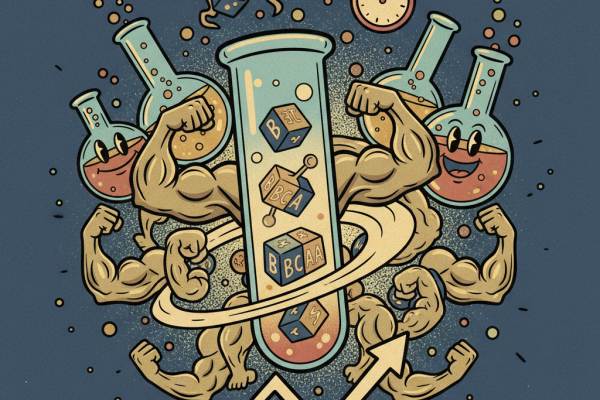
When people lose weight rapidly on these medications, they lose both fat and lean muscle mass. Researchers are currently studying whether this muscle loss is proportional to normal weight loss, or if these drugs cause a higher rate of muscle breakdown. This is particularly important for older adults, where muscle loss can lead to frailty.
Effects on the Brain and Addiction
Early research suggests GLP-1 receptors in the brain might influence reward pathways. A 2022 review in the British Journal of Pharmacology explored how these drugs might reduce cravings not just for food, but for alcohol and nicotine. Similarly, a 2023 network meta-analysis in Diabetes/Metabolism Research and Reviews found that GLP-1 users had a decreased risk of developing dementia. However, these neurological benefits are still in the early stages of research and are not yet proven as primary treatments for addiction or cognitive decline.
The Bottom Line
GLP-1 receptor agonists mimic the body’s natural digestion hormones to improve insulin release, suppress appetite, and slow stomach emptying. The scientific evidence is highly confident that these medications effectively lower blood sugar and promote substantial weight loss in patients with type 2 diabetes.
Beyond blood sugar, strong evidence shows they offer protective benefits for the heart and kidneys. However, they are not without downsides. Gastrointestinal side effects like nausea and diarrhea are common, and the medications generally need to be taken long-term to maintain their benefits.
As science advances, newer medications combining GLP-1 with other hormones are showing even greater effects, shifting the landscape of how metabolic diseases are treated.
Quick Reference: Key Studies
| Study Focus | Key Finding | Source |
|---|---|---|
| Weight & Discontinuation | Stopping GLP-1s leads to high rates of weight regain; highlights need for long-term management. | PMID 40149944 |
| Dual Agonists (Tirzepatide) | Targeting both GIP and GLP-1 results in greater HbA1c and weight reduction than GLP-1 alone. | PMID 36050763 |
| Prediabetes Prevention | 3 years of liraglutide reduced the risk of progressing to type 2 diabetes by roughly 80% vs placebo. | PMID 28237263 |
| Heart and Kidney Health | GLP-1s and SGLT2 inhibitors significantly reduce major adverse cardiovascular and renal events. | PMID 36335326 |
| Combination Therapies | Cagrilintide plus semaglutide resulted in a 13.7% body weight reduction in T2D patients over 68 weeks. | PMID 40544432 |
| Brain and Addiction | Early evidence suggests GLP-1s may influence brain reward pathways, potentially aiding addictive disorders. | PMID 34532853 |
Last updated: March 2026
This article synthesizes findings from peer-reviewed research. It is for educational purposes only and does not constitute medical advice. Consult a healthcare provider before starting any new regimen.
Leave a Reply