Introduction
If you ask three different people how much water you should drink in a day, you will likely get three different answers. Some swear by the old “eight glasses a day” rule. Others carry gallon-sized jugs to the gym, convinced that more is always better. Meanwhile, some people simply drink when they feel thirsty.
Water is biologically non-negotiable. It acts as a solvent, a reaction medium, a carrier for nutrients, and a shock absorber for your joints. It is also the primary way your body regulates temperature. Despite its importance, the science of hydration is surprisingly nuanced. There is no single magic number that applies to everyone because your needs change based on the weather, your job, your age, and even what you ate for lunch.
This article synthesizes data from physiological reviews, occupational health studies, and toxicology reports to answer the core question: how much water do you actually need, and does the quality of that water matter?
The Baseline: What Is “Enough”?
For decades, health advice has hovered around the idea of drinking two liters (about eight 8-ounce glasses) of water daily. However, physiological research suggests that our needs are more individual than a fixed number implies.
The Physiological Minimum vs. Recommended Intake
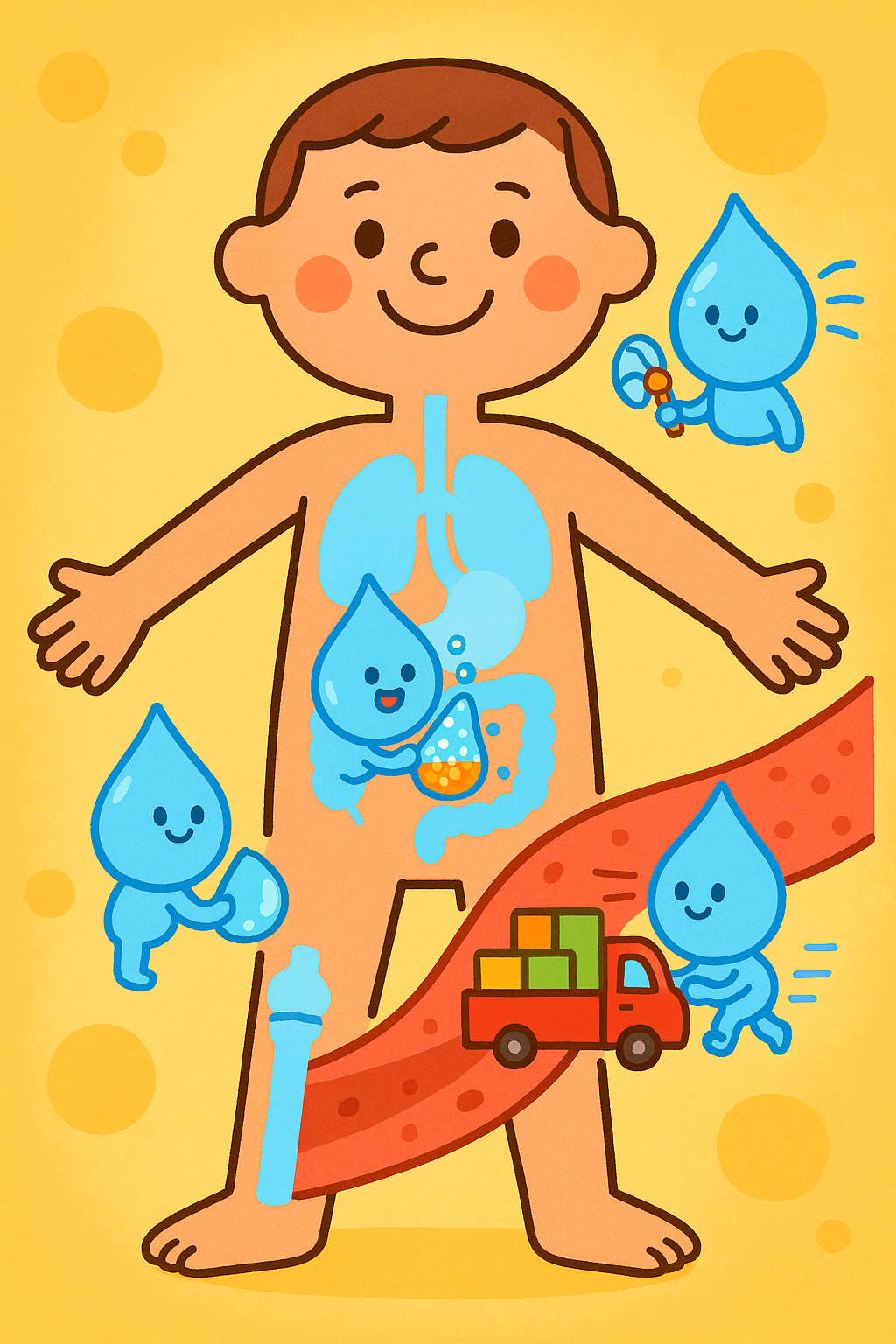
Your body loses water constantly through breathing, skin evaporation, and waste excretion. To stay alive and function, you must replace these losses. A 2010 review in the European Journal of Clinical Nutrition explains that while the body has precise mechanisms to regulate water balance, primarily through the hormone vasopressin and the kidneys, there is no single “minimal” intake that works for everyone. This is because factors like climate, physical activity, and diet dramatically shift the baseline.
However, general guidelines do exist. A Dutch review on fluid requirements suggests that for healthy adults under normal conditions, a total fluid intake of about 3,000 ml (3 liters) for men and 2,200 ml (2.2 liters) for women is considered adequate. It is important to note that this refers to total fluid intake, which includes water found in food and other beverages, not just plain water.
Does Food Count?
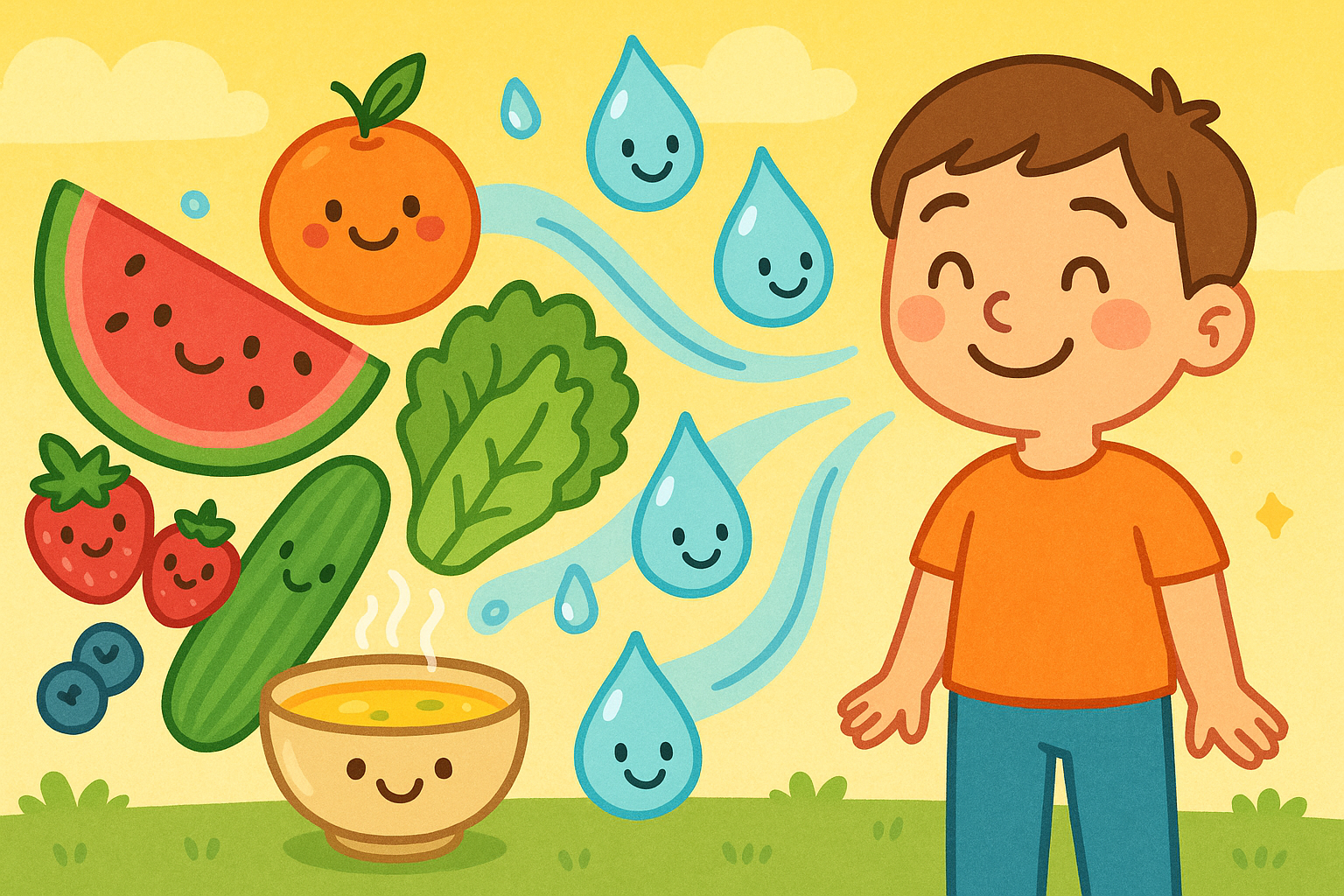
Yes. You do not need to drink all your required fluid from a glass. Research indicates that a significant portion of daily water intake comes from solid food: fruits, vegetables, and soups are particularly hydrating. For example, a study on forestry workers found that depending on the season, workers obtained between 13% and 24% of their water intake from solid foods like fruits and vegetables. In summer months, when fresh produce intake was higher, the water contribution from food increased.
When You Need More: Labor, Heat, and Exercise
While the baseline recommendations work for sedentary people in climate-controlled offices, physical labor and heat change the equation immediately.
The Impact of Physical Work
Researchers studying forestry workers in different seasons found that standard recommendations often fall short for active laborers. In this study, despite consuming fluids, over 50% of workers were dehydrated after their shifts. The study highlighted that thirst is not always a perfect indicator during intense work; workers often failed to drink enough to replace sweat losses, even when water was available.
Interestingly, the type of fluid mattered for consumption. Workers drank significantly more tea in the winter compared to summer, suggesting that palatability and temperature preferences play a role in how much fluid people actually manage to consume.
Exercise and Performance
For athletes, the stakes of dehydration are higher. A review of hydration and exercise performance notes that while small fluctuations in body water are normal, severe water loss (5. 10% of body mass) inevitably impairs physical and mental performance.
The review discusses the controversy between “drinking to thirst” versus following a strict schedule. For moderate exercise, drinking when thirsty is usually sufficient. However, during intense endurance events or in high heat, relying solely on thirst might lead to involuntary dehydration. The “right” amount involves replacing what is lost in sweat, which varies wildly from person to person.
Special Conditions: Kidney Stones
There is one medical condition where the advice “drink more water” is not just a suggestion, but a prescription: nephrolithiasis (nef-row-lith-EYE-uh-sis), or kidney stones.
A 2008 study on dietary treatment for kidney stones outlines that the single most important dietary change for stone formers is increasing urine volume. The goal is not just to drink a specific amount, but to drink enough to produce at least 2 liters of urine per day.
To achieve this output, total fluid intake usually needs to exceed 2.5 to 3 liters daily. This dilutes the urine, making it harder for minerals like calcium and oxalate to crystallize into stones. For this population, hydration is a continuous therapeutic requirement rather than a lifestyle choice.
Related: Can Vitamin D Help Protect Your Kidneys?
Does Coffee Count as Water?
A persistent myth suggests that coffee and tea do not count toward your daily fluid intake because caffeine is a diuretic (it makes you urinate). Current research largely debunks this for regular drinkers.
A review of coffee and hypertension notes that while caffeine can have a short-term pressor effect (raising blood pressure slightly), habitual consumption of 1: 3 cups per day does not lead to chronic dehydration or significant blood pressure issues in most people. For someone accustomed to caffeine, a cup of coffee provides nearly as much hydration as a cup of water. The diuretic effect is significantly diminished as the body builds tolerance.
Quality Matters: What Is In Your Water?
When discussing how much to drink, we must also consider what else we are ingesting along with the water. Modern research has identified several contaminants that complicate the simple act of drinking tap or bottled water.
Microplastics
We are increasingly drinking microscopic plastic particles. A 2022 review in the International Journal of Environmental Research and Public Health highlighted that drinking water, especially bottled water, is a relevant source of microplastic exposure for humans.
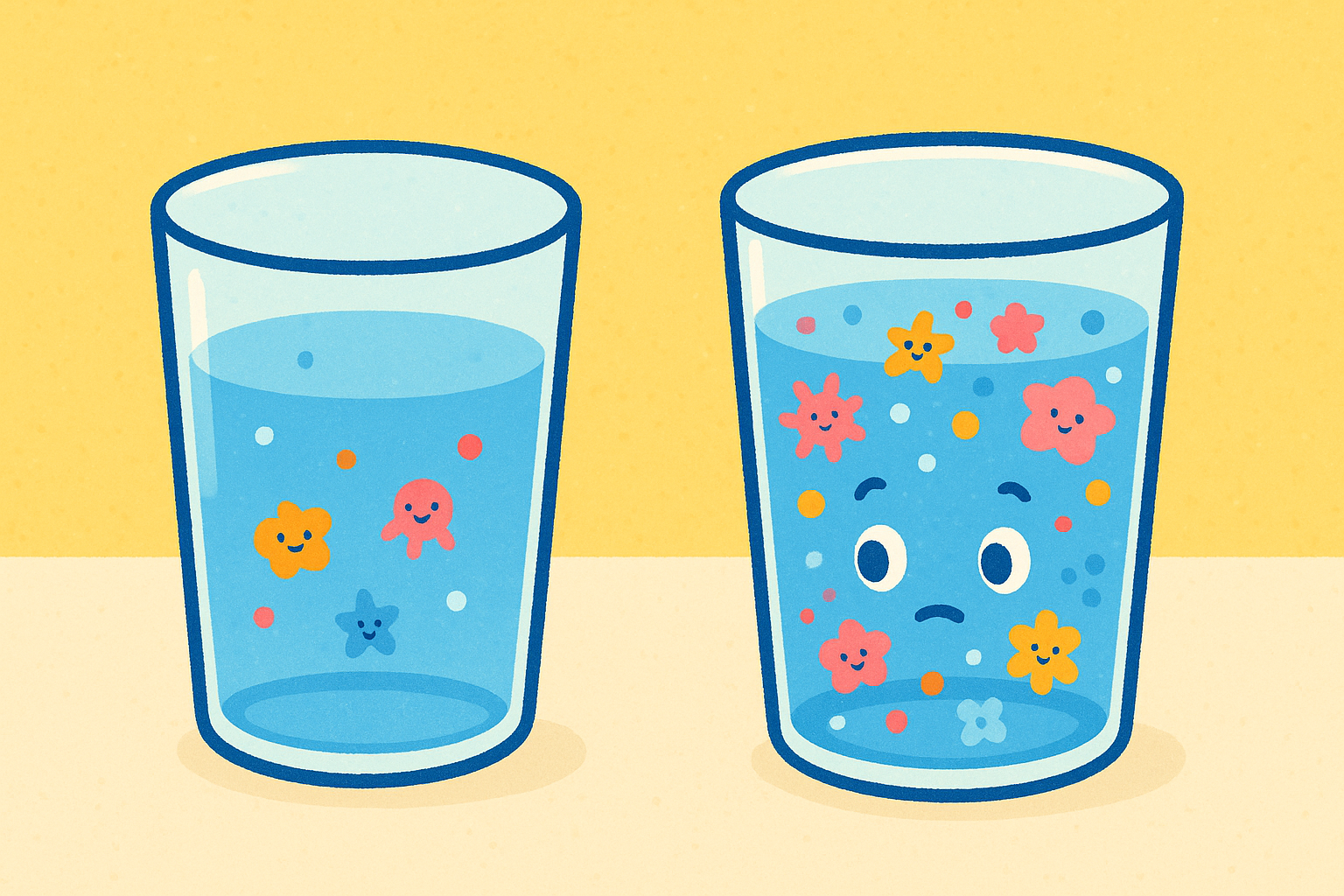
While the exact health risks are still being mapped, the study estimates that high consumers of bottled water may ingest significantly more microplastic particles than those drinking tap water. The presence of these particles raises concerns about potential immunotoxicity and disruption of gut health, although definitive safety limits have not yet been established.
Chemical Contaminants (PFAS and GenX)
Chemical runoff and industrial byproducts can linger in water supplies. A study on mice investigated the effects of PFOA and GenX (chemicals often found in contaminated drinking water) on pregnancy. The researchers found that gestational exposure to these chemicals led to adverse effects on the placenta and embryo weight. While this was an animal study, it underscores the importance of water filtration and source quality, particularly for vulnerable populations like pregnant women.
Minerals: Fluoride and Manganese
Water is also a delivery system for minerals.
- Fluoride: Widely added to water to prevent cavities, fluoride is generally safe at controlled levels. However, a review of fluoride toxicity notes that while standard European and US levels are considered safe, extremely high exposure (often from unregulated groundwater) has been linked to potential developmental neurotoxicity in some epidemiological studies. The margin between beneficial intake and toxicity is generally wide enough in regulated public water systems.
- Manganese: This mineral is essential in small amounts but can be neurotoxic in excess, especially for infants. A review of manganese in infant formulas warns that reconstituting powdered formula with water high in manganese can lead to intakes that exceed safety guidelines for infants, whose brains are still developing. This suggests that for infants, the mineral content of the water used to mix formula is a critical safety consideration.
Who Benefits From Specific Hydration Strategies?
| Population | Hydration Strategy | Key Reason | Source |
|---|---|---|---|
| Sedentary Adults | Drink to thirst; aim for ~2. 2.5L total fluid (including food/coffee). | Thirst mechanism is generally accurate for maintenance. | PMID 19724292 |
| Manual Laborers | Drink on a schedule, not just when thirsty. | Thirst often lags behind sweat loss during intense work. | PMID 37741879 |
| Kidney Stone Formers | Drink enough to produce >2L urine daily. | Dilution prevents crystal formation. | PMID 22460996 |
| Elderly | Drink on a schedule. | Thirst sensation blunts with age, increasing dehydration risk. | PMID 19724292 |
| Infants | Monitor mineral content of mixing water. | Susceptibility to mineral toxicity (like Manganese). | PMID 33450552 |
Common Questions About Hydration
Does drinking extra water flush out toxins?
Your kidneys require water to filter waste, but drinking excessive amounts (beyond what is needed to satisfy thirst and produce clear urine) does not make the kidneys filter “better” or “faster.” As noted in the Dutch review, higher fluid intake does not have convincing health benefits for healthy people, except for preventing kidney stones.
Can you drink too much water?
Yes. Drinking extreme amounts of water without replacing electrolytes can lead to hyponatremia (diluted blood sodium), which can be fatal. This is rare in everyday life but a known risk for marathon runners and military recruits who drink massive volumes of water rapidly.
Is bottled water safer than tap water?
Not necessarily. While bottled water is free of certain contaminants, the review on microplastics found that bottled water often contains higher levels of microplastic particles than tap water. Safety depends largely on your local municipal water quality versus the filtration process of the bottled brand.
The Bottom Line
There is no scientifically validated “one-size-fits-all” volume for water intake. For most healthy adults with sedentary jobs, drinking to thirst and consuming water-rich foods is sufficient to maintain balance. The “eight glasses” rule is a reasonable estimate but not a biological law.
However, if you work outdoors, exercise heavily, are elderly, or are prone to kidney stones, you cannot rely solely on thirst. In these cases, a proactive strategy, drinking regularly throughout the day to maintain pale urine, is the safest approach. Additionally, paying attention to the quality of your water is becoming increasingly important as research reveals more about microplastics and chemical contaminants.
Related: Intermittent Fasting: What the Latest Science Actually Says
Quick Reference: Key Studies
| Study Focus | Key Finding | Source |
|---|---|---|
| Forestry Workers | Manual laborers often dehydrate despite water availability; thirst is an imperfect guide during work. | PMID 37741879 |
| Microplastics | Bottled water may contain higher levels of microplastics than tap water. | PMID 35162198 |
| Kidney Stones | Patients should aim for >2L urine volume per day to prevent recurrence. | PMID 22460996 |
| Coffee & Health | Moderate coffee consumption (1—3 cups) does not negatively impact blood pressure or hydration in habituated users. | PMID 34370111 |
| General Needs | 3.0L (men) and 2.2L (women) of total fluid is generally adequate; more offers no added benefit for healthy people. | PMID 20356431 |
| Infant Safety | High manganese levels in water used for formula can exceed safety limits for infants. | PMID 33450552 |
Last updated: February 2026
This article synthesizes findings from peer-reviewed research. It is for educational purposes only and does not constitute medical advice. Consult a healthcare provider before starting any new regimen.
Leave a Reply