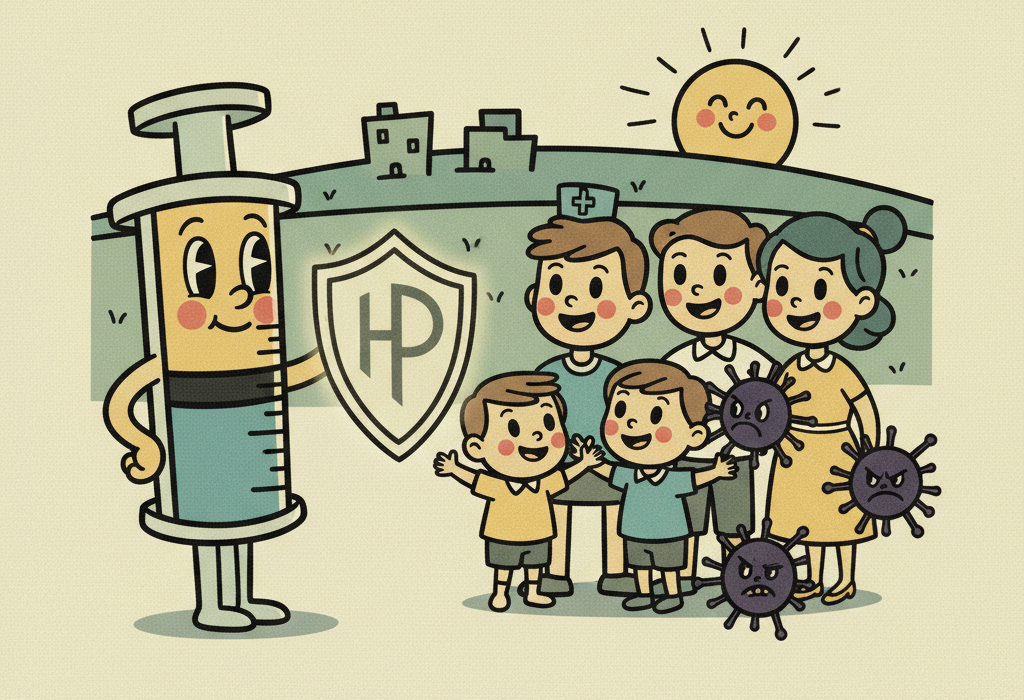
Imagine a virus so common that almost every sexually active person will catch it at some point in their lives. That is the reality of human papillomavirus, or HPV. For most people, the body fights off the infection without causing any symptoms. However, when the virus sticks around, it can cause serious health problems, including several types of cancer.
Scientists have studied HPV for decades. They have mapped out exactly how it enters the body, how it hides from the immune system, and how it changes healthy cells into dangerous ones. Because we understand the virus so well, we now have highly effective tools to stop it.
This article explains what current scientific research says about preventing HPV. We will look at how the virus operates, how vaccines and screenings protect us, and what everyday habits can lower your risk.
How HPV Infection Works
To understand how to prevent HPV, it helps to know how the virus operates. HPV is a family of more than 200 related viruses. Some are considered “low-risk” and cause common skin warts or genital warts. Others are Oncogenic (on-co-JEN-ik), which means they have the potential to cause cancer.
HPV spreads through direct skin-to-skin contact. The virus enters the body through tiny, invisible cuts in the skin or mucous membranes. It travels down to the bottom layer of the skin to infect Basal cells (BAY-sul cells). Because the virus stays in the outer layers of the skin and does not enter the bloodstream, the immune system sometimes fails to notice it is there.
Most of the time, the immune system eventually finds the virus and clears it within one to two years. But sometimes, the infection persists.
When high-risk HPV stays in the body for a long time, it begins to produce two specific proteins called E6 and E7. A 2020 review in Cancer Letters explains that these viral proteins turn off the cell’s natural safety switches. Without these safety switches, the infected cells can grow out of control. Over many years, this unchecked growth can turn into cancer. HPV is responsible for nearly all cervical cancers, as well as a large percentage of anal, vaginal, vulvar, penile, and oropharyngeal (throat and mouth) cancers.
What the Research Shows About Prevention
Science has provided three main ways to prevent HPV and the diseases it causes: vaccination, routine screening, and lifestyle choices.
The Role of HPV Vaccines
Vaccination is the most effective form of primary prevention. The HPV vaccine is made of tiny proteins that look exactly like the outside of the real virus. However, the vaccine contains no viral DNA, meaning it is impossible to get HPV from the shot.
When you get the vaccine, your immune system learns to recognize these outer proteins. It creates neutralizing antibodies. If you are exposed to the real virus later, these antibodies block the virus from entering your cells.
There are three main types of HPV vaccines used globally:
- 2-valent vaccine: Protects against strains 16 and 18 (the two highest-risk strains for cancer).
- 4-valent vaccine: Protects against strains 16, 18, 6, and 11 (adds protection against the strains that cause most genital warts).
- 9-valent vaccine: Protects against strains 6, 11, 16, 18, 31, 33, 45, 52, and 58.
A 2025 study in the International Journal of Infectious Diseases compared these vaccines. The researchers found that all three significantly reduce the risk of persistent HPV infections and precancerous lesions. While the 9-valent vaccine covers the most strains, the 2-valent and 4-valent vaccines still provide excellent protection against the strains most likely to cause cancer.
The Role of Routine Screening
While vaccines prevent the infection from happening in the first place, screening is used to find problems before they become dangerous. This is known as secondary prevention.
For cervical cancer, screening relies on two main tests:
- Pap smear (cytology): A doctor collects cells from the cervix and looks at them under a microscope to find Dysplasia (dis-PLAY-zhuh), which means abnormal cell changes.
- HPV DNA testing: A laboratory tests the collected cells for the genetic material of high-risk HPV strains.
A 2020 review in The Medical Clinics of North America notes that HPV DNA testing is highly sensitive. It can identify people at risk for cancer long before abnormal cells appear. If a test shows abnormal cells or high-risk HPV, doctors can closely monitor the patient or remove the abnormal tissue before it turns into cancer.
Currently, there are no standardized, routine screening tests for other HPV-related cancers like penile or throat cancer. This makes vaccination even more important for preventing those diseases.
Barrier Methods and Lifestyle Choices
Using barrier methods, such as condoms and dental dams, reduces the risk of getting or passing on HPV. A 2021 review in American Family Physician confirms that consistent condom use lowers transmission rates. However, condoms do not provide complete protection. Because HPV lives on the skin of the entire genital area, the virus can spread through areas that a condom does not cover.
Lifestyle choices also play a role in how the body handles the virus. Research shows a strong link between smoking and persistent HPV infections. Smoking weakens the local immune system in the cervix and throat, making it much harder for the body to clear the virus. Quitting smoking is a proven way to lower the risk of HPV-related cancers. Related: What Science Actually Says About Smoking and Secondhand Smoke
Common Misunderstandings About HPV
Because HPV is so common, several myths have developed around how it spreads and how to prevent it.
Myth: The HPV vaccine is only for girls.
For many years, the vaccine was marketed primarily as a way to prevent cervical cancer. As a result, many people believe it is only for women. However, a 2022 review in Current Oncology points out that HPV causes head, neck, and anal cancers in men. In fact, in some high-income countries, HPV-related throat cancer in men is now more common than cervical cancer in women. Vaccinating boys protects them directly and helps create herd immunity for the whole population.
Myth: Getting the vaccine encourages teenagers to have sex earlier.
Multiple large-scale studies have tracked the behavior of teenagers before and after receiving the HPV vaccine. The data consistently shows that getting the vaccine does not cause teenagers to start having sex earlier or to have more sexual partners.
Myth: The vaccine cures existing HPV infections.
The vaccines are preventative, not therapeutic. They teach the immune system to block new infections. A 2023 review in Vaccine clarifies that the vaccine will not clear an active infection or cure existing abnormal cells. However, doctors sometimes recommend the vaccine for people who have just been treated for an HPV-related disease. This is because the vaccine can prevent them from being re-infected by a new partner or protect them from a different strain of the virus in the future.
Who Benefits Most and Who Needs Caution
Research clearly identifies which populations benefit the most from specific prevention strategies.
Pre-teens and Adolescents:
The vaccine is most effective when given before a person becomes sexually active. The ideal age for vaccination is 11 or 12, though it can be given as early as age 9. Younger immune systems respond very strongly to the vaccine. Because of this strong response, children who start the vaccine series before age 15 usually only need two doses.
Young Adults:
People aged 15 to 26 can still get the vaccine, but they require three doses to build the same level of immunity. While they may have already been exposed to one strain of HPV, the vaccine can still protect them against other strains they have not encountered.
Older Adults (Ages 27 to 45):
The FDA has approved the 9-valent vaccine for adults up to age 45. However, routine vaccination is not universally recommended for this group. The 2020 review in The Medical Clinics of North America explains that population-level benefits drop significantly for older adults because most have already been exposed to the virus. Adults in this age range should talk to their doctor to see if the vaccine makes sense for their specific situation.
Immunocompromised Individuals:
People with weakened immune systems, such as those with HIV or those taking immunosuppressive drugs, have a harder time clearing HPV naturally. They are at a much higher risk for developing cancer. These individuals should receive three doses of the vaccine regardless of their age.
Practical Guidance for Prevention
Based on the scientific consensus, here is how you can actively lower your risk of HPV and related diseases:
1. Vaccinate early: If you are a parent, schedule the HPV vaccine for your children at age 11 or 12. If you are under 26 and unvaccinated, ask your healthcare provider about starting the series.
2. Stay on schedule with screenings: Women and individuals with a cervix should follow their doctor’s advice on Pap smears and HPV DNA testing. Guidelines generally suggest starting routine screening at age 21 or 25, depending on the specific medical organization’s criteria.
3. Use barrier methods: Use condoms or dental dams consistently. While they do not offer 100% protection, they significantly reduce the amount of virus passed between partners.
4. Support your immune system: Avoid smoking, as tobacco use directly correlates with a higher risk of HPV persisting and turning into cancer.
The Bottom Line
Human papillomavirus is a nearly universal infection, but the cancers it causes are highly preventable. Scientific research shows that prophylactic vaccines are incredibly effective at stopping the virus before it enters our cells. When given at a young age, these vaccines can prevent up to 90% of HPV-related cancers.
For those who are already sexually active, routine screening remains a critical safety net. Tests like the Pap smear and HPV DNA test can catch abnormal cell changes years before they turn into cancer.
While we cannot completely eliminate the risk of exposure to HPV, combining vaccination, regular medical screening, and healthy lifestyle choices provides a powerful defense against the virus.
Quick Reference: Key Studies
| Study Focus | Key Finding | Source |
|---|---|---|
| Vaccine Efficacy Comparison | 2-valent, 4-valent, and 9-valent vaccines all significantly reduce persistent HPV 16/18 infections and precancerous lesions. | PMID 39709117 |
| Cancer Burden & Demographics | HPV causes 5% of global cancers. Head and neck cancers linked to HPV are rising rapidly in men in high-income countries. | PMID 35621693 |
| Screening Guidelines | HPV DNA testing is highly sensitive and allows for safe extension of screening intervals compared to cytology alone. | PMID 33099451 |
| Post-Treatment Vaccination | Vaccinating individuals after treating an HPV-related disease does not cure the disease but helps prevent new infections. | PMID 37704498 |
| General Prevention | Condoms reduce transmission, but vaccination at ages 11-12 is the primary and most effective method of prevention. | PMID 34383440 |
Last updated: March 2026
This article synthesizes findings from peer-reviewed research. It is for educational purposes only and does not constitute medical advice. Consult a healthcare provider before starting any new regimen.
Leave a Reply