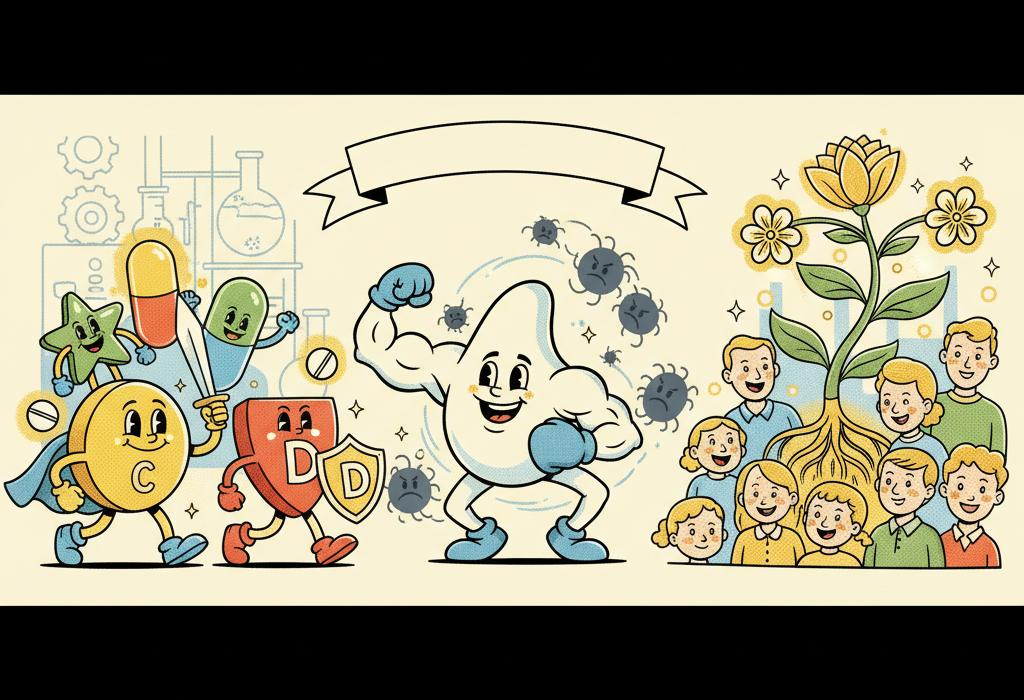
Every cold and flu season, pharmacy shelves are cleared of vitamin supplements. We are often told that taking high doses of vitamins will keep us from getting sick. But how do these microscopic nutrients actually interact with our biology?
The short answer is that vitamins are essential for your immune system to function. They act as messengers, cell protectors, and structural builders for your body’s defense network. However, the relationship between vitamins and immunity is largely about balance. Fixing a vitamin deficiency clearly improves how your body fights off pathogens. Yet, taking massive doses of vitamins when you are already healthy rarely acts as an impenetrable shield against illness.
To understand how vitamins actually affect your health, we have to look closely at what peer-reviewed research shows about how these nutrients behave inside our cells.
How This Might Work: The Immune-Vitamin Connection
Your immune system works in two main phases. The innate immune system is your fast, general response to any foreign invader. The adaptive immune system is slower but highly specific, creating a memory of pathogens so it can fight them off more efficiently next time.
Vitamins interact with both systems. For example, when a virus enters your body, your immune cells need energy and raw materials to multiply and attack.
- Macrophage (MAK-roh-fahj) – a type of white blood cell that swallows and digests cellular debris and foreign substances.
- T-lymphocyte (tee-LIM-foh-site) – a specialized white blood cell that helps coordinate the immune response and destroy infected cells.
For a macrophage to properly digest a virus, or for a T-lymphocyte to multiply, your body requires specific vitamins to trigger the right genetic instructions. Without these vitamins, the immune response becomes sluggish or uncoordinated.
What the Research Shows: Key Vitamins for Immunity
Scientists have heavily studied a few specific vitamins to see exactly how they alter our immune defenses.
Vitamin D: The Immune Modulator
Vitamin D is perhaps the most heavily researched vitamin regarding immune health. Unlike other vitamins, vitamin D acts more like a hormone in the body. Almost all of your immune cells have receptors for vitamin D, meaning they rely on it to know when and how to act.
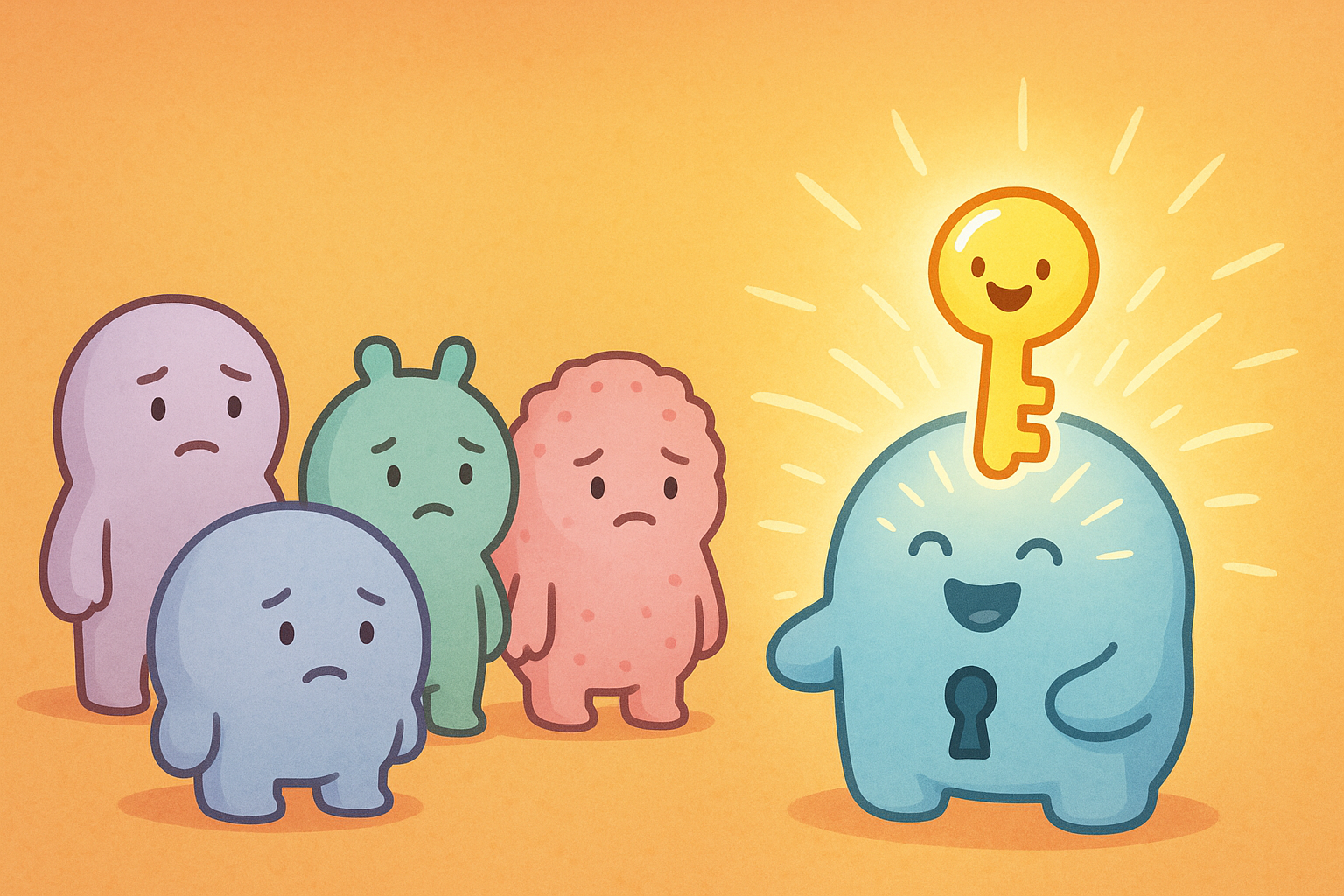
A 2023 systematic review in Nutrients evaluated how vitamin D protects humans from invasive pathogens. The researchers noted that when immune cells detect a threat, they use vitamin D to produce Cathelicidin (kath-el-ih-SY-din) – an antimicrobial protein that breaks down the outer membranes of bacteria and viruses.
The same review found that maintaining serum vitamin D concentrations above 50 ng/mL is associated with a significant reduction in the risk of viral respiratory infections. Conversely, chronic vitamin D deficiency leads to a dysfunctional immune system, which can increase the risk of both infections and autoimmune issues.
Interestingly, not all forms of vitamin D behave exactly the same way. A 2022 study in Frontiers in Immunology compared how vitamin D2 and vitamin D3 affect human genetics. The researchers found that vitamin D3 was generally superior at raising blood levels of the vitamin. Furthermore, vitamin D3 seemed to calm down overactive immune pathways (a tolerogenic effect) while simultaneously stimulating specific antiviral responses, an effect that was not seen as strongly with vitamin D2.
Vitamin C: The Cellular Protector
Vitamin C is a water-soluble nutrient that your body cannot make on its own. It is highly concentrated in immune cells and is depleted quickly when your body is fighting an infection.
Vitamin C acts primarily as an Antioxidant (an-tee-OX-ih-dant) – a substance that protects your cells from damage caused by unstable molecules. When your immune cells attack a virus, they release toxic compounds to destroy the invader. Vitamin C protects your own healthy cells from being damaged in this crossfire.
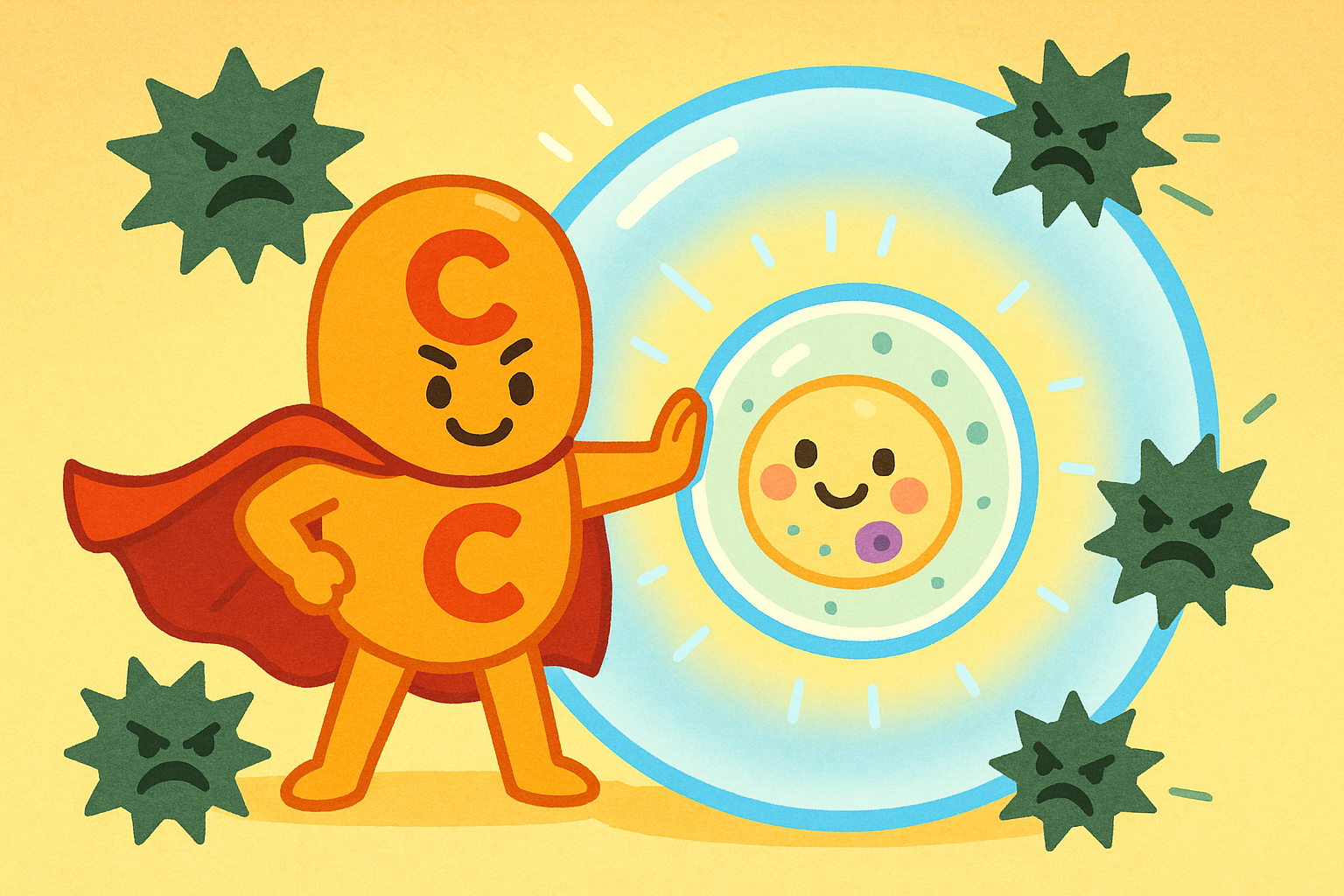
According to a 2020 review in Nutrients, vitamin C supports the physical barriers of your body (like your skin and lung lining) and helps white blood cells migrate to the exact site of an infection. The review noted that supplementing with at least 200 milligrams of vitamin C per day can reduce the duration and severity of respiratory infections, especially in people who are under heavy physical stress.
Vitamin A: The Barrier Builder
Vitamin A is critical for maintaining the structural integrity of your mucosal tissues, which include the lining of your eyes, lungs, and gut. These linings are your body’s first physical barrier against pathogens. Related: Does Leaky Gut Syndrome Actually Exist? What the Latest Science Says
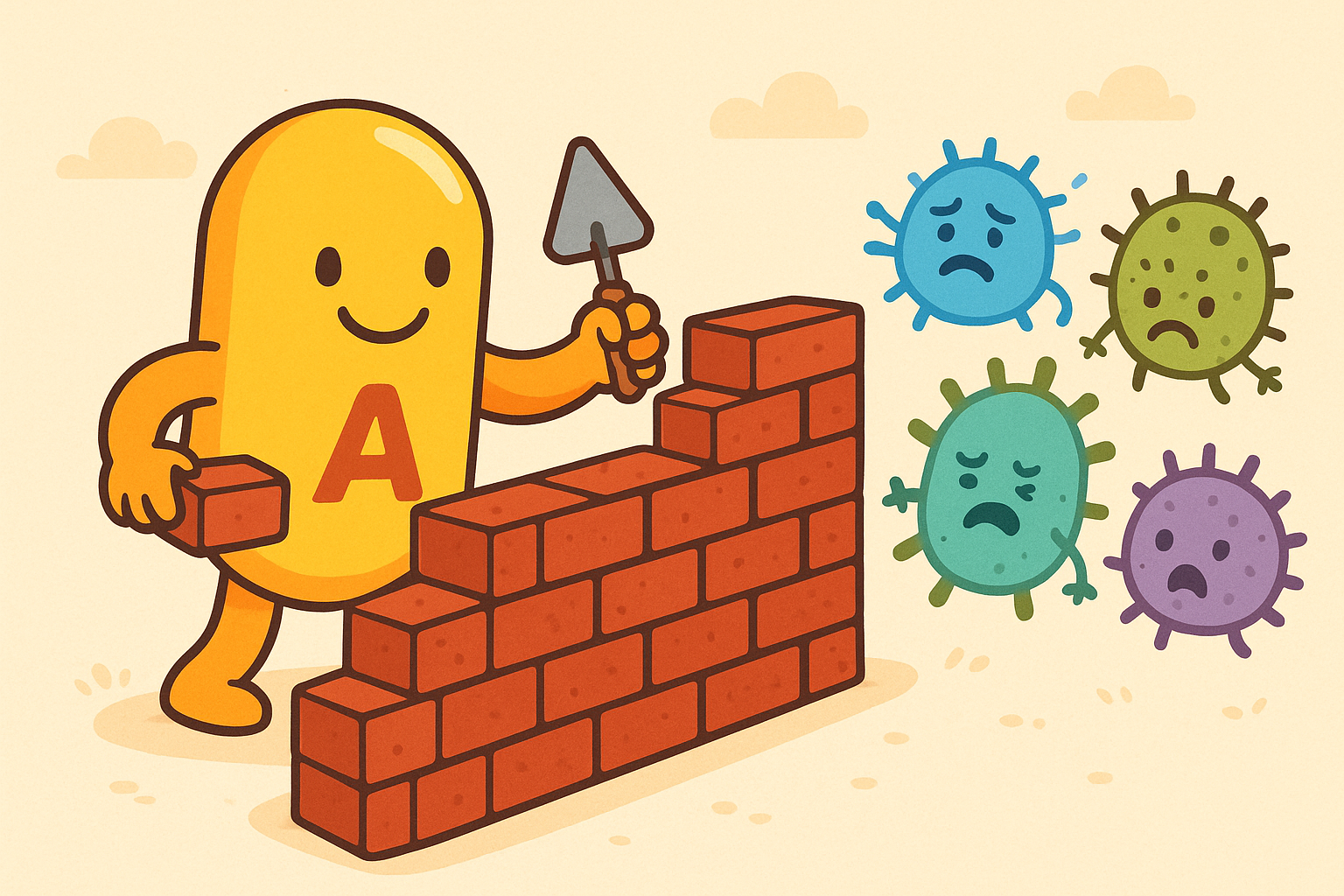
A 2020 review in Nutrients highlights that vitamin A helps regulate how immune cells respond in these mucosal areas. Without enough vitamin A, the physical barriers weaken, making it much easier for respiratory and gastrointestinal viruses to enter the bloodstream.
Does Supplementing Actually Prevent Illness?
It is clear that vitamins are necessary for biology, but does swallowing a multivitamin actually keep you from getting sick?
To answer this, researchers look at clinical trials. A 2020 randomized controlled trial in Nutrients tested the effects of a multivitamin and mineral supplement (containing vitamin C, vitamin D, and zinc) on healthy older adults over 12 weeks.
The results were fascinating. The people taking the supplement reported feeling sick for significantly fewer days compared to the placebo group. Their self-reported illness duration dropped by nearly 70 percent. However, when scientists looked at their blood in a laboratory, they did not see massive changes in how well the participants’ white blood cells killed bacteria or swallowed foreign particles.
This highlights a common theme in nutrition science. Supplements can provide clinical benefits (like recovering from a cold faster), but they do not always create super-charged immune cells in a laboratory setting. The body uses what it needs to restore normal function, rather than endlessly boosting immune cell aggression. Related: What Science Actually Says About Zinc Supplementation
The Role of Vitamins in Autoimmune Diseases
Your immune system must be aggressive enough to kill viruses, but calm enough not to attack your own body. When the immune system mistakenly attacks healthy tissue, it results in an autoimmune disease.
A 2020 review in Nutrients explored how vitamin D affects autoimmune conditions like psoriasis, multiple sclerosis (MS), and type 1 diabetes. The researchers explained that vitamin D helps promote regulatory T-cells. These specific cells act like the brakes of the immune system, telling other cells to stand down once a threat is gone.
Observational studies consistently show a correlation between low vitamin D levels and a higher risk of developing autoimmune conditions. While taking vitamin D is not a cure for these diseases, maintaining optimal blood levels appears to help manage the severity of the symptoms by keeping the immune system from remaining in a chronic state of hyper-alertness.
Who Benefits Or Needs Caution
Not everyone responds to vitamin supplementation in the same way. The research identifies specific groups who should pay closer attention to their vitamin intake.
Who benefits most:
- Older adults: As we age, our immune system naturally weakens. Older adults also tend to absorb fewer vitamins from their food and synthesize less vitamin D from sunlight.
- People with limited sun exposure: Individuals living in northern latitudes or who spend most of their time indoors are highly prone to vitamin D deficiency.
- People with poor diets: Those who do not consume fresh fruits, vegetables, and quality proteins often lack the baseline vitamins C, A, and B needed for immune cell production.
Who needs caution:
- People taking massive doses: More is not always better. For instance, extremely high doses of vitamin D over a long period can cause calcium to build up in the blood (hypercalcemia), which can damage the heart and kidneys.
- People expecting a cure-all: Vitamins support the immune system, but they cannot replace basic hygiene, sleep, or medical treatments. Related: How Science Actually Prevents Infections: From High-Tech Vaccines to Everyday Habits
Comparing Vitamin D2 and D3
If you are looking to support your immune system, the type of vitamin D you consume matters. Here is how the two main forms compare based on recent genetic and absorption research.
| Feature | Vitamin D2 (Ergocalciferol) | Vitamin D3 (Cholecalciferol) |
|---|---|---|
| Source | Plant and fungus-based | Animal-based and synthesized in human skin |
| Effectiveness | Less effective at raising overall blood levels | Highly effective at raising and maintaining blood levels |
| Immune Impact | Provides baseline support | Better at regulating inflammatory pathways |
Common Questions About Vitamins and Immunity
Can vitamins cure a cold?
No. Vitamins cannot cure a virus once it has infected your cells. However, having adequate levels of vitamins C and D can help your immune system clear the virus faster, which may reduce the number of days you feel symptomatic.
Can I get enough immune-supporting vitamins just from food?
Mostly yes, but with exceptions. Vitamins C, A, and E are easily obtained through a balanced diet rich in fruits, vegetables, nuts, and seeds. However, it is very difficult to get enough vitamin D from food alone, which is why sunlight or supplementation is usually necessary.
Do fermented foods and milk help?
Yes. Cow’s milk is often fortified with vitamin D and naturally contains B vitamins and zinc. Fermented foods also provide trace minerals and support gut bacteria, which communicate directly with your immune system to keep it balanced.
The Bottom Line / Takeaways
The science is clear that vitamins are not just optional health boosters; they are fundamental requirements for a working immune system.
Here is what we know with confidence:
- Deficiencies are dangerous: Lacking vitamins C, D, or A severely impairs your body’s ability to fight off respiratory and systemic infections.
- Vitamin D is a primary regulator: It helps your body create antimicrobial proteins and keeps your immune system from overreacting.
- Supplements help those who are lacking: If you are deficient, supplementing will bring your immune defenses back online. If your levels are already optimal, taking massive mega-doses will not turn you into a superhero and may cause unwanted side effects.
While there is still some uncertainty about the exact perfect dose for every individual, maintaining a balanced diet, getting sensible sun exposure, and supplementing wisely during the winter months remains a scientifically sound strategy for immune health.
Quick Reference: Key Studies
| Study Focus | Key Finding | Source |
|---|---|---|
| Vitamin D and Autoimmunity | Vitamin D >50 ng/mL reduces viral and autoimmune risks by supporting innate immunity. | PMID 37686873 |
| Multivitamins in Older Adults | Supplementing with Vitamin C, D, and Zinc reduced the duration and severity of self-reported illnesses. | PMID 32823974 |
| Nutritional Status and Viruses | Vitamins C, D, and Zinc are critical for barrier function and reducing the severity of respiratory infections. | PMID 32340216 |
| Vitamin D2 vs D3 | Vitamin D3 is superior at raising blood levels and has a more distinct, calming effect on immune gene expression. | PMID 35281034 |
| Vitamin D in Disease | Vitamin D modulates T-cells and helps manage conditions like psoriasis, MS, and type 1 diabetes. | PMID 32679784 |
| Viral Infection Mechanisms | Vitamin D regulates Toll-Like Receptors and prevents excessive inflammatory damage during viral attacks. | PMID 32967126 |
Last updated: March 2026
This article synthesizes findings from peer-reviewed research. It is for educational purposes only and does not constitute medical advice. Consult a healthcare provider before starting any new regimen.

Leave a Reply