Introduction
Imagine a radio in your house that is stuck between stations. The volume is turned up, emitting a high-pitched whine or a static hiss that you cannot turn off. For the millions of people living with tinnitus (ti-NYE-tus or TIN-ni-tus), this isn’t imaginary; it is a daily reality. Tinnitus is the perception of sound when no external noise is present. While often triggered by hearing loss, the ringing actually happens in the brain, not the ear.
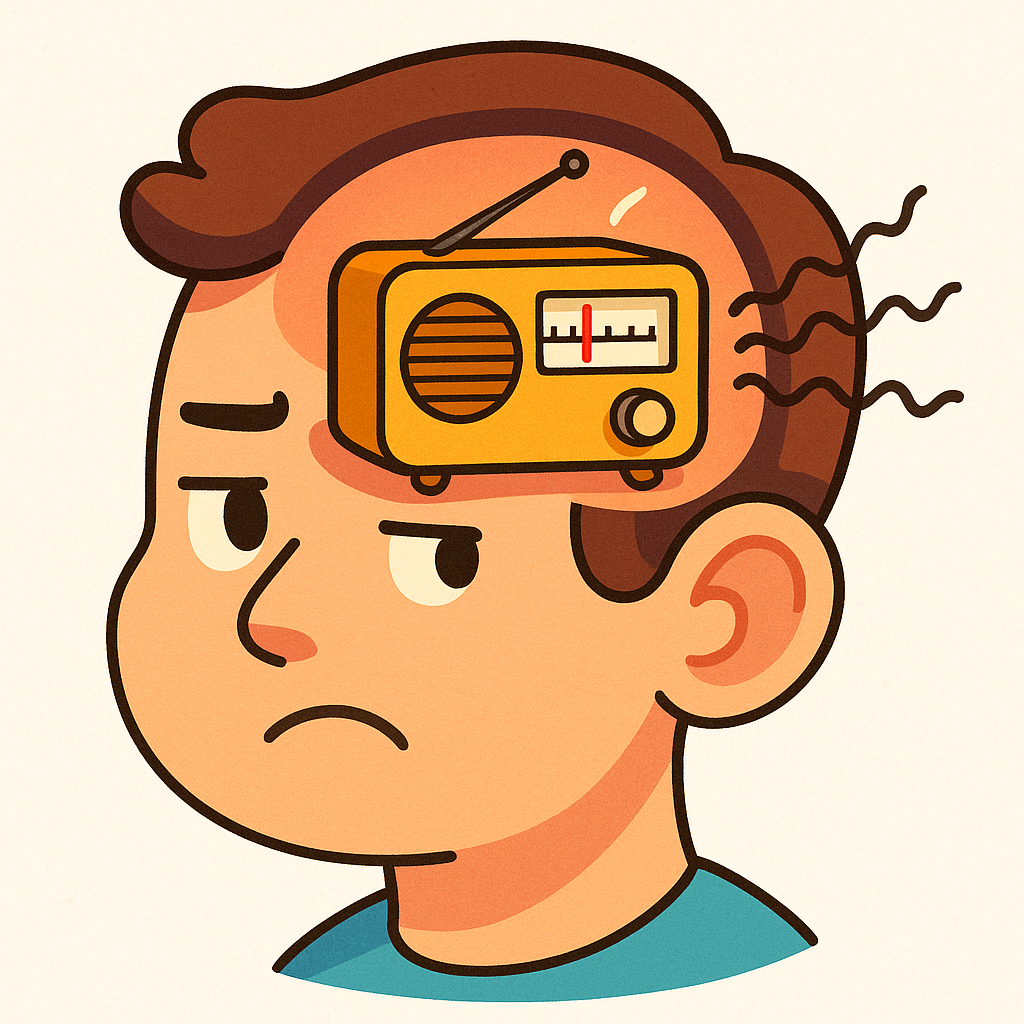
For decades, the primary advice given to patients was simply to “learn to live with it.” However, scientists are increasingly viewing tinnitus as a software problem in the brain rather than a hardware problem in the ear. This shift has led to the development of sound-based therapies designed to “reprogram” the auditory system.
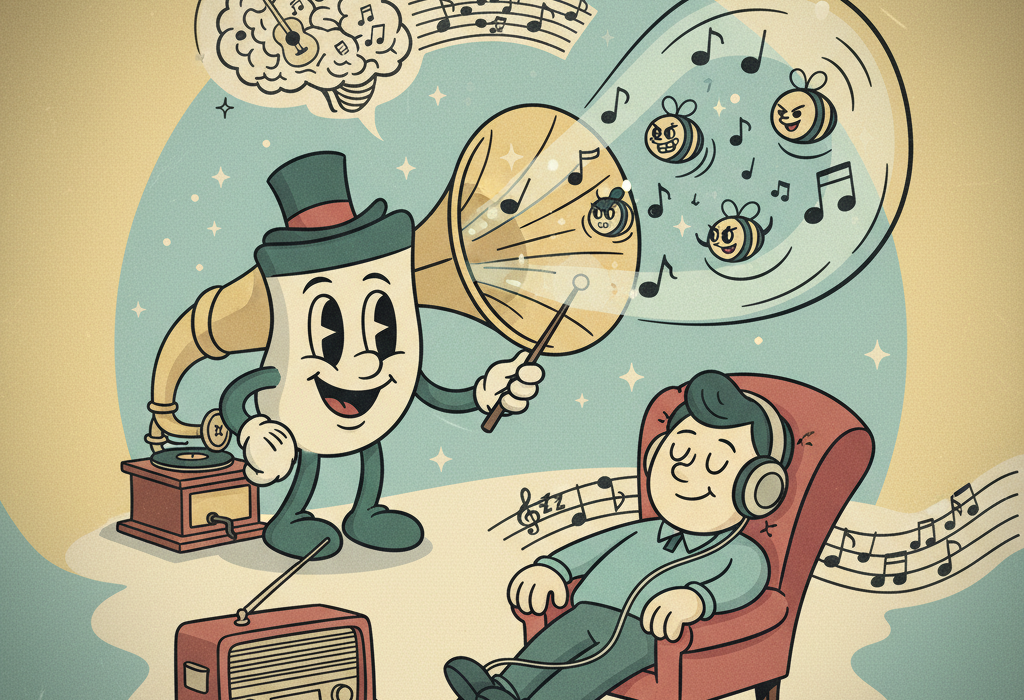
Music therapy has emerged as a leading contender in this field. It ranges from listening to filtered songs on a smartphone to active humming exercises in a clinic. But does it actually work? A 2025 systematic review in the European Archives of Oto-Rhino-Laryngology suggests that specific types of music therapy can significantly reduce distress, yet other studies argue it may be no better than a placebo. Here is what the latest science says about using music to silence the ringing.
The Core Tension: Masking vs. Rewiring
To understand music therapy, you must distinguish between two different goals: masking and rewiring.
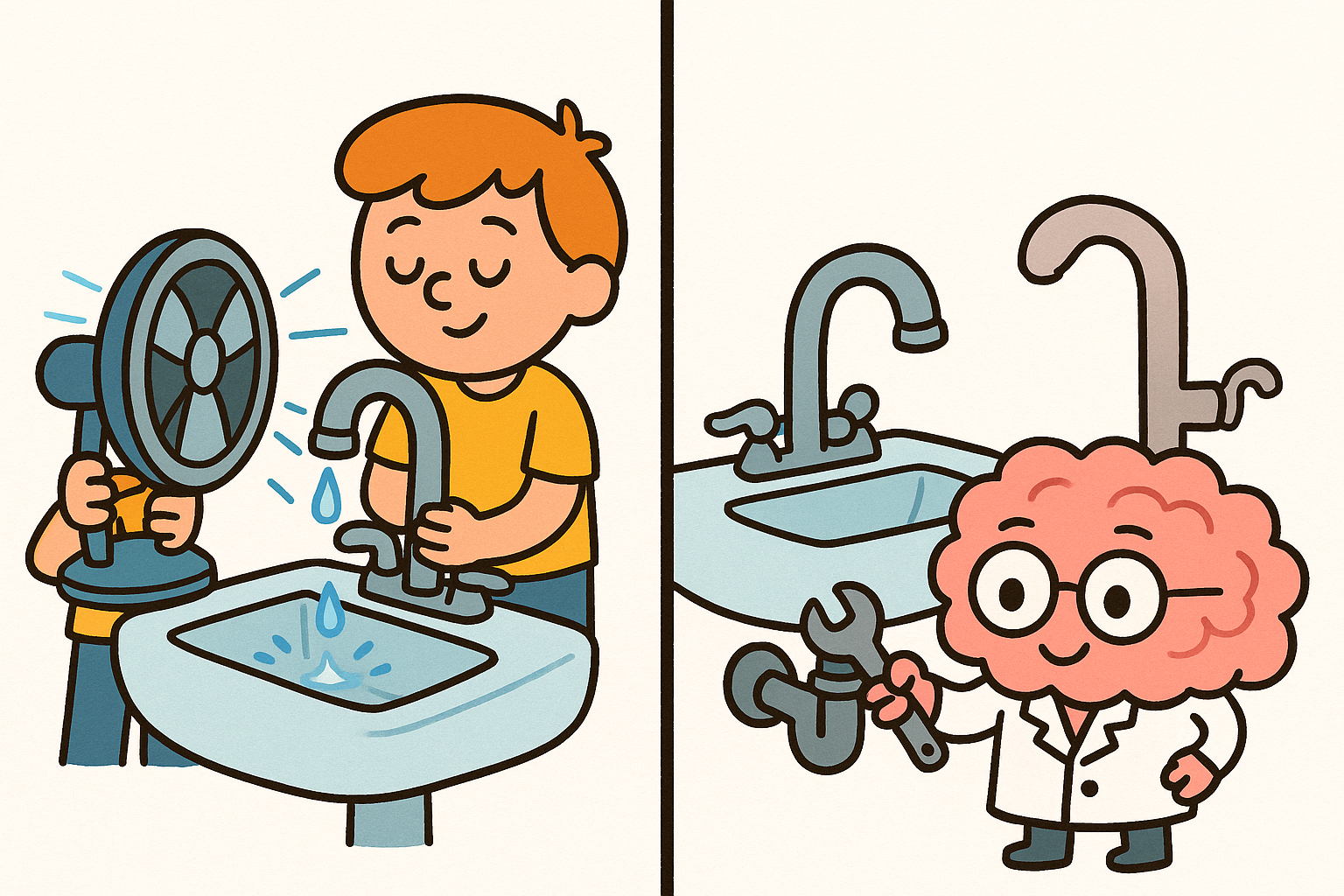
Masking is like turning on a fan to drown out a dripping faucet. It covers the sound so you don’t notice it. Rewiring (neuroplasticity) aims to fix the faucet. It attempts to change the brain structures responsible for generating the phantom sound so that the tinnitus becomes quieter or disappears entirely.
Most modern music therapies aim for rewiring. They operate on the theory that tinnitus is caused by “maladaptive plasticity”: essentially, the brain trying to compensate for hearing loss by turning up the sensitivity of its internal dial, resulting in feedback noise. The goal of music therapy is to calm this hyperactivity.
What the Research Shows
Tailor-Made Notched Music Therapy (TMNMT)
One of the most researched methods is Tailor-Made Notched Music Therapy (TMNMT). In this approach, patients listen to their favorite music, but with a twist: the specific frequency (pitch) of their tinnitus has been digitally removed (notched out) from the song.
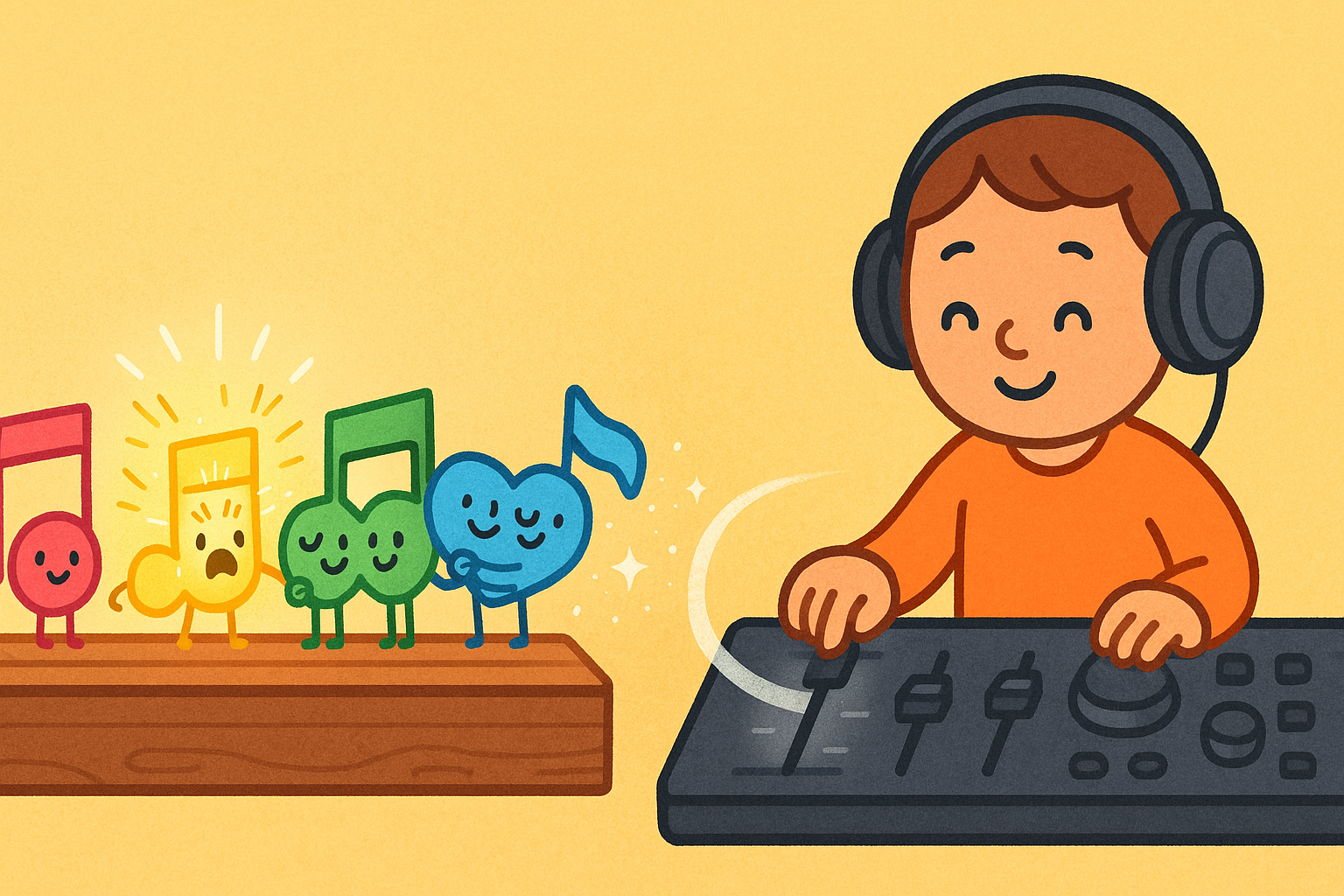
The theory is based on lateral inhibition (LAT-er-ul in-hi-BI-shun): a process where stimulating the neurons neighboring the tinnitus frequency suppresses the overactive tinnitus neurons. By listening to music that has energy everywhere except the tinnitus pitch, the brain theoretically learns to turn down the volume on that specific frequency.
The Evidence:
- It shows promise: A 2025 meta-analysis analyzing 14 randomized controlled trials found that compared to conventional music therapy, Notched Music Therapy significantly reduced tinnitus disability scores and loudness.
- It is not a guaranteed cure: Results are mixed. A 2024 systematic review in the American Journal of Otolaryngology found that while TMNMT reduces distress, it did not significantly outperform simply listening to regular music in some trials. Similarly, a 2022 study in the Journal of Audiology & Otology found that while patients improved, they did not improve significantly more than a control group listening to randomly filtered music.
Takeaway: Notched music appears effective for many, but some of the benefit may come simply from the relaxation and distraction provided by listening to music, rather than the “notch” itself.
The Heidelberg Model
Unlike the passive listening of notched music, the Heidelberg Neuro-Music Therapy (HNMT) is an active, short-term intensive therapy. It involves patients actively singing or humming to match specific tones under the guidance of a therapist. It combines acoustic training with stress management.
A 2012 study in The International Tinnitus Journal found that this method had a fast onset and lasting effects, particularly for patients with tonal tinnitus (a clear, single pitch). A 2023 systematic review noted that while HNMT is effective, it is more resource-intensive than passive listening therapies.
Pink Noise and Fractal Tones
While “white noise” (like a static radio) has long been used for masking, newer research points to pink noise: a sound where lower frequencies are louder, resembling rushing water or heavy rain. A 2023 study in the American Journal of Translational Research found that pink noise was effective in treating tinnitus, potentially because its frequency distribution is more balanced and soothing to the human ear than the harshness of white noise.
Similarly, “fractal tones” (chime-like sounds that never repeat) are used in some hearing aids to promote relaxation. A 2014 review noted that these tones can help reduce annoyance, primarily by inducing relaxation rather than physically changing the tinnitus.
The Power of Combinations: Music + CBT
Tinnitus has two components: the sound you hear (perception) and how much it bothers you (reaction). Research increasingly suggests that treating both simultaneously is the key to success.
A 2020 study in Frontiers in Integrative Neuroscience compared three groups: one using music therapy alone, one using Cognitive Behavioral Therapy (CBT) alone, and one using both.
- The Findings: The group combining Music and CBT saw the most significant improvement.
- Brain Changes: EEG scans showed that the combination therapy actually changed brain wave activity (increasing alpha and theta waves) in regions associated with emotion and auditory processing.
This suggests that music re-trains the auditory system, while CBT re-trains the emotional reaction, creating a powerful synergy.
Who Benefits Most?
Not everyone responds to sound therapy equally. A 2024 study in OTO Open analyzed over 1,000 patients receiving customized music therapy and found that the best results were seen in:
- Patients aged 31 to 50.
- Those with severe, prolonged tinnitus.
- Those who had experienced the onset of tinnitus more recently (shorter duration of onset).
Additionally, a 2025 study in Frontiers in Neuroscience found that a “short-course acoustic test” could predict who would benefit. Patients who experienced temporary relief (residual inhibition) after a short sound test were much more likely to benefit from long-term music therapy.
Who Needs Caution
While listening to music seems harmless, incorrect application can backfire. A 2022 study on binaural sound therapy found that while some therapies reduced stress, standard music therapy actually increased tinnitus perception in 30% of participants and increased anxiety in 8%.
This usually happens when the music is too loud, too complex, or emotionally agitating. It highlights the importance of using music that is specifically curated or modified for therapeutic use, rather than just shuffling a random playlist.
Why “Apps” Might Fail
Many patients try to treat themselves using smartphone apps that generate notched music. However, a major hurdle is pitch variability.
For notched music to work, the notch must perfectly match your tinnitus frequency. However, a 2014 study in the Journal of the American Academy of Audiology monitored patients over five days and found that tinnitus pitch fluctuates significantly, by nearly an octave in some cases.
If your tinnitus pitch shifts but your app is still notching the old frequency, the therapy misses the target. This suggests that effective therapy requires frequent re-testing and adjustment, which static apps may not provide.
The Bottom Line
- It is a tool, not a cure: Music therapy, particularly Notched Music Therapy, can significantly reduce the loudness and annoyance of tinnitus, but it rarely eliminates the sound completely.
- Personalization matters: Generic music is less effective than music customized to your hearing loss and tinnitus frequency.
- Combine it: The strongest evidence supports combining sound therapy with psychological counseling (CBT) to treat both the ear and the emotion.
- Patience is required: Most studies, including a 2023 study in the European Review for Medical and Pharmacological Sciences, show that significant benefits often take 3 to 9 months of consistent use to appear.
Quick Reference: Key Studies
| Study Focus | Key Finding | Source |
|---|---|---|
| Notched Music vs. Conventional | Notched music significantly reduced tinnitus loudness and distress compared to standard music. | PMID 39992369 |
| Music + CBT | Combining music therapy with CBT was superior to either treatment alone and changed brain wave activity. | PMID 32317943 |
| Pink Noise | Pink noise (fractal tones) effectively reduced tinnitus handicap scores. | PMID 38074813 |
| Heidelberg Model | Active neuro-music therapy showed fast onset and lasting effects for tonal tinnitus. | PMID 23906825 |
| Pitch Variability | Tinnitus pitch changes day-to-day, requiring frequent adjustment of therapy frequencies. | PMID 25126681 |
Last updated: February 2026
This article synthesizes findings from peer-reviewed research. It is for educational purposes only and does not constitute medical advice. Consult a healthcare provider before starting any new regimen.

Leave a Reply