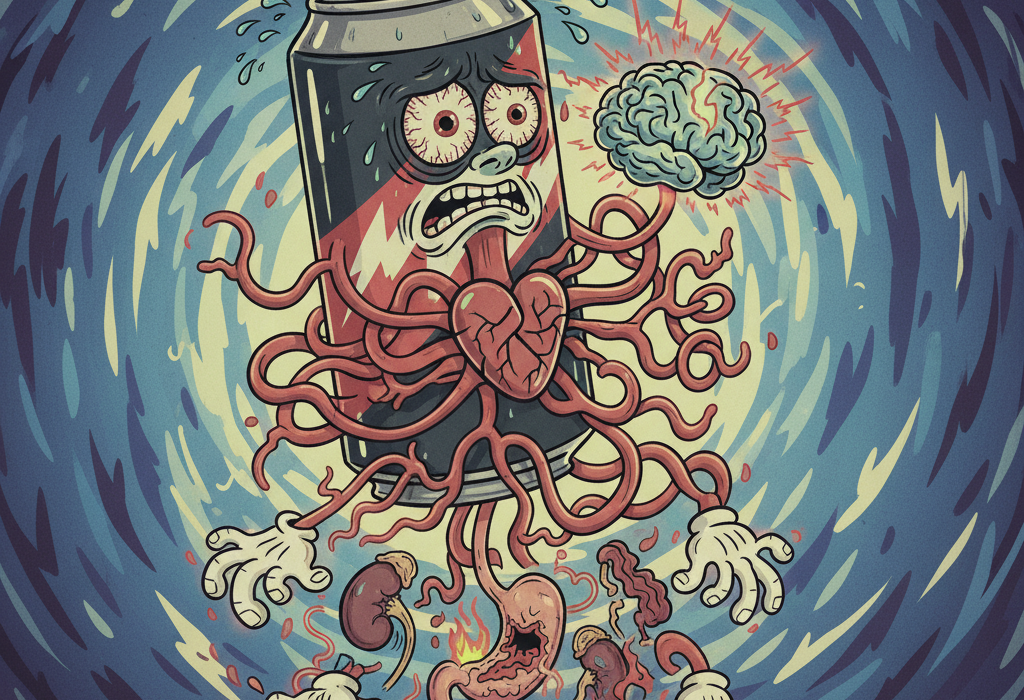
You see them everywhere: in gas stations, grocery store checkout lines, and gym vending machines. Energy drinks promise better focus, physical stamina, and a quick cure for the mid-afternoon slump. For many people, they are a daily habit. However, scientists and doctors have grown increasingly concerned about how these potent mixtures affect the human body, especially when consumed in large amounts.
While caffeine is the primary driver of the “energy” boost, these drinks are not just strong coffee in a can. They often contain a complex blend of herbal stimulants, amino acids, and massive doses of vitamins. Recent studies suggest that this specific combination can trigger reactions in the heart and brain that are distinct from caffeine alone.
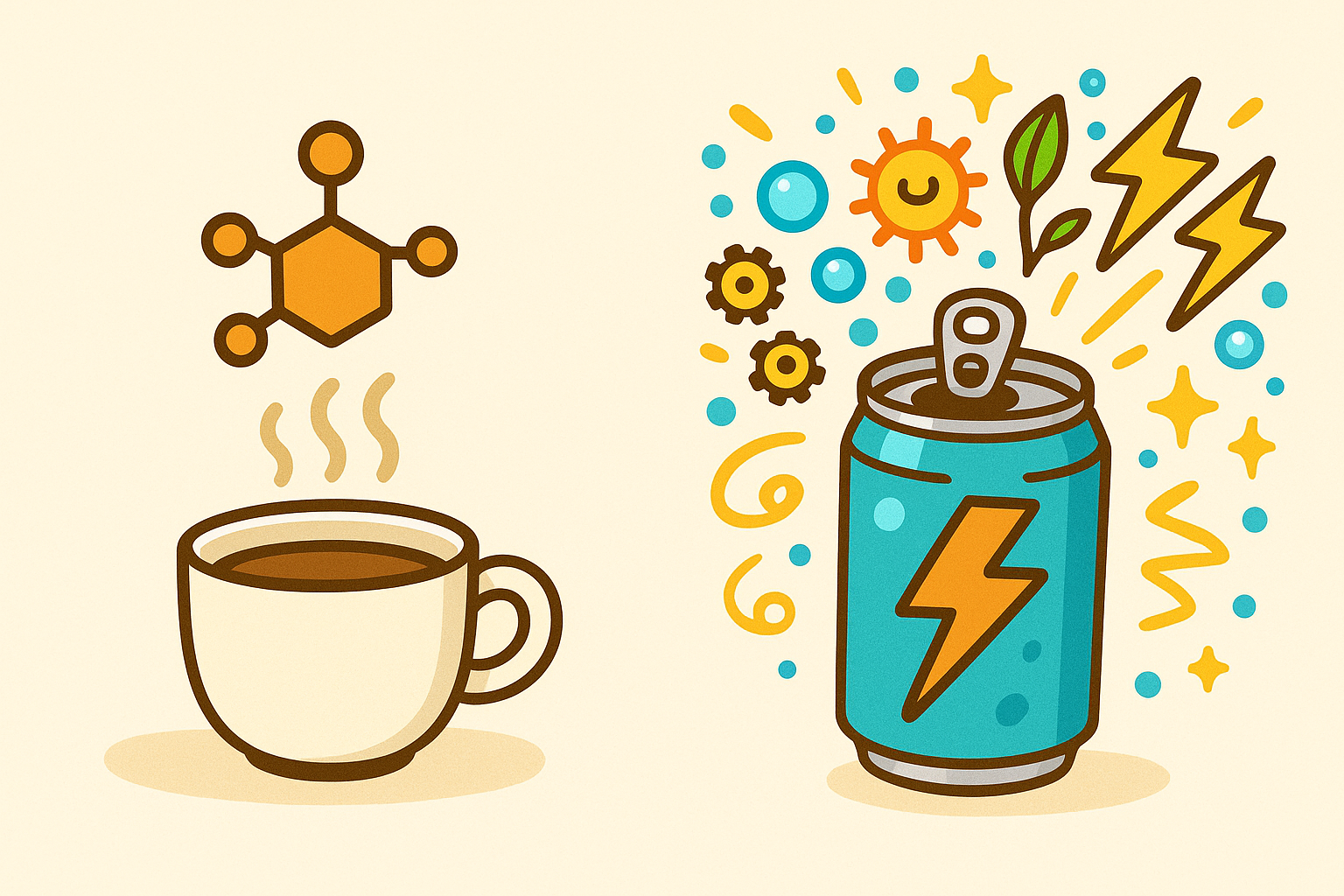
This article breaks down what the latest scientific reviews reveal about the safety, risks, and biological effects of energy drinks.
How Energy Drinks Affect the Heart
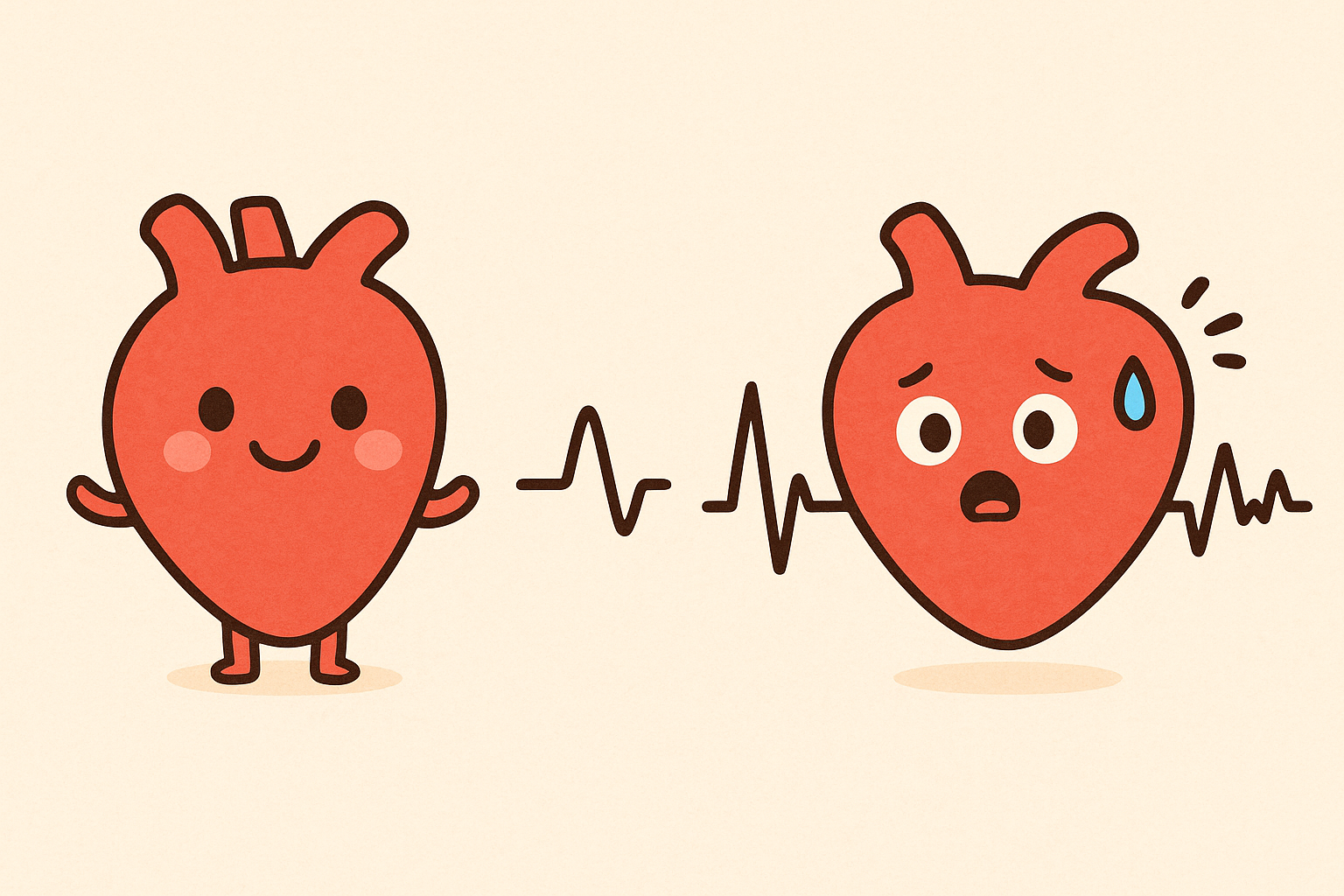
The most commonly reported side effects of energy drinks involve the cardiovascular system. While a cup of coffee might slightly raise your heart rate, energy drinks appear to have a more profound impact on how the heart functions.
Blood Pressure and Heart Rate
A 2024 systematic review and meta-analysis analyzed 17 randomized clinical trials to see how these drinks change heart function in healthy adults. The researchers found that consuming energy drinks caused a significant increase in both systolic (the top number) and diastolic (the bottom number) blood pressure. They also noted an increase in cardiac output, which is the amount of blood the heart pumps per minute. These changes can put extra strain on the cardiovascular system, even in people without prior heart issues.
Heart Rhythm Issues
Beyond blood pressure, there is evidence that these beverages can disrupt the electrical signals in the heart. A comprehensive review in Nutrients detailed cases where energy drink consumption was linked to arrhythmias (uh-RITH-mee-uh), which are irregular heartbeats. In severe cases, this can lead to cardiac arrest, although this is rare and usually involves excessive consumption or underlying heart conditions.
The risk appears higher for people with inherited heart conditions. A 2022 review noted that the ingredients in these drinks might prolong the QTc interval, a measurement of how long the heart takes to recharge between beats. If this interval gets too long, it can cause dangerous heart rhythm disturbances.
The Impact on the Brain and Nerves
Energy drinks are marketed to improve mental focus, but the line between alertness and anxiety is easily crossed. The high concentration of stimulants can overexcite the nervous system.
Anxiety and Seizures
According to a systematic review in Sports Health, the most frequently reported adverse events in adults include insomnia, jitteriness, and restlessness. In children and adolescents, the effects often manifest as stress and depressive moods.
More concerning are reports regarding seizures. A 2023 review highlighted cases where high consumption of energy drinks triggered seizures, even in people who did not have epilepsy. This may be due to the lowering of the seizure threshold by high doses of caffeine and taurine. Additionally, rare cases of stroke and brain hemorrhage have been documented, likely tied to the spikes in blood pressure mentioned earlier.
Vitamin Toxicity
Many energy drinks contain B-vitamins in amounts that far exceed the recommended daily allowance (sometimes by thousands of percent). While B-vitamins are water-soluble and usually excreted by the body, massive doses can cause toxicity. A review in Current Opinion in Pediatrics noted that excessive intake of Vitamin B6 (pyridoxine) can lead to nerve damage (neuropathy), causing numbness or tingling in the hands and feet. The same paper noted rare reports of liver toxicity linked to massive Niacin (Vitamin B3) intake from these beverages.
The “Wide Awake Drunk” Phenomenon
One of the most significant public health risks identified in the literature is the practice of mixing energy drinks with alcohol.
When you drink alcohol, you typically feel tired or sedated as you get more intoxicated. This natural sedation serves as a warning signal to stop drinking. However, the stimulants in energy drinks mask this feeling. A review of risks in Frontiers in Public Health explains that this leads to a state of “wide awake drunkenness.”
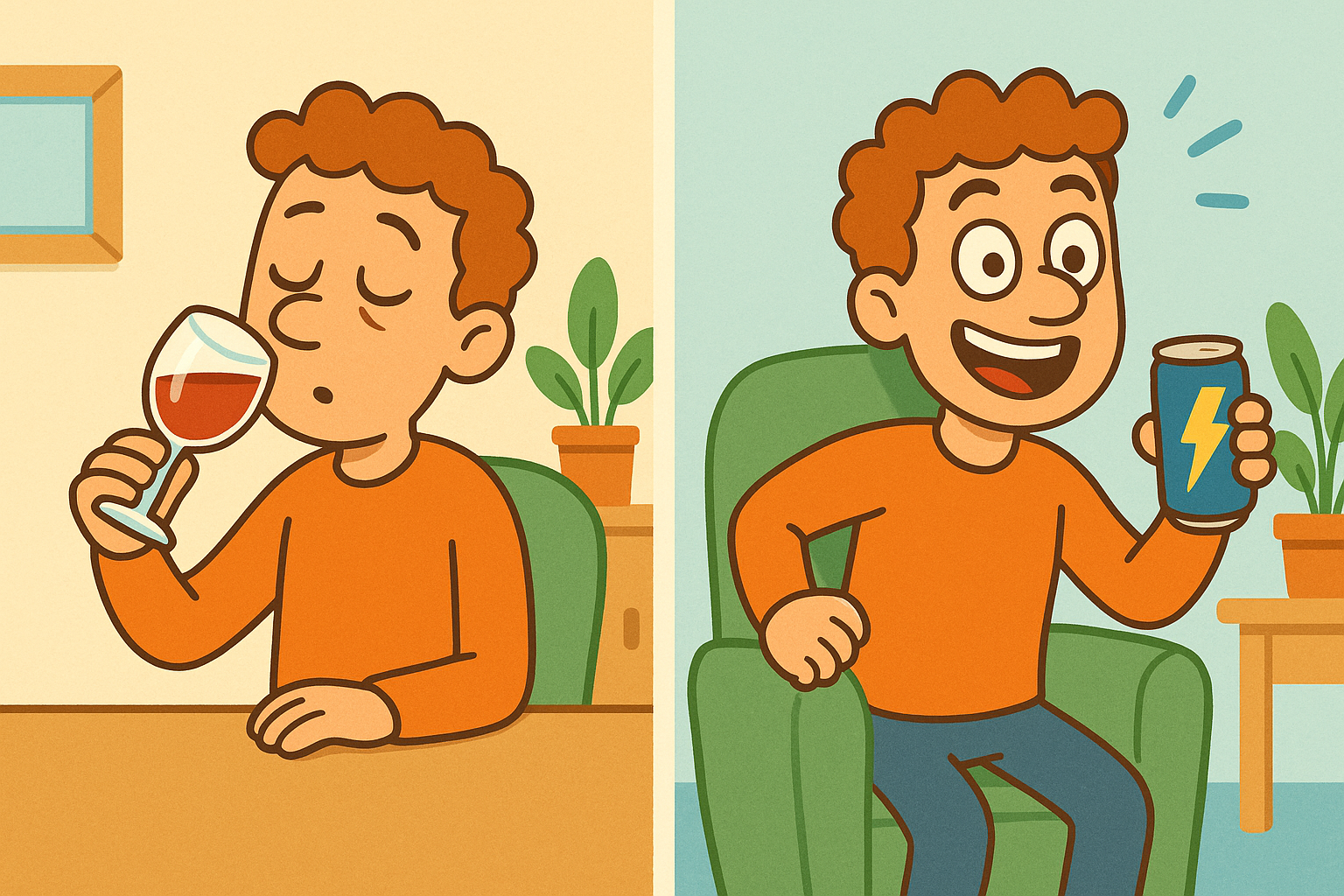
Because the user does not feel as tired, they may underestimate how intoxicated they are. This often leads to consuming more alcohol than intended. A study in the Western Journal of Nursing Research highlights that this combination is linked to higher rates of binge drinking, drunk driving, and risk-taking behaviors compared to drinking alcohol alone.
Are the Ingredients Safe?
It is difficult to isolate exactly which ingredient causes the problems because energy drinks are complex mixtures. This is often referred to as the “entourage effect,” where ingredients interact with one another.
The Proprietary Blend Problem
Unlike standard food items, many energy drinks are labeled as dietary supplements. As noted in a 2018 editorial, this allows manufacturers to list ingredients as part of a “proprietary blend” without disclosing the exact amount of each ingredient. This makes it hard for doctors to know exactly what a patient has consumed.
Key Ingredients Defined
Here is a breakdown of common additives found in these drinks:
- Taurine (TOR-een) – An amino acid found in meat and fish. While generally safe in moderation, some research suggests it may alter calcium levels in heart cells, potentially affecting how the heart contracts.
Guarana (gwuh-RAH-nuh) – A plant seed that contains more concentrated caffeine than coffee beans. If a label says it contains caffeine plus* guarana, the total caffeine content is likely higher than the number listed for just the added caffeine.
- L-Carnitine (el-KAR-ni-teen) – A compound involved in energy production. While often used for metabolism, research reviews indicate that the amounts in energy drinks are often too low to provide the advertised fat-burning benefits, yet they add to the chemical load on the kidneys.
Who Needs Caution?
While a healthy adult might tolerate an occasional energy drink without issue, specific groups face much higher risks.
Children and Adolescents
Pediatricians strongly advise against energy drinks for minors. A 2023 review in Nutrients focused on adverse events in children found that the cardiovascular and neuropsychiatric systems are most vulnerable. Because children have smaller bodies, the same dose of caffeine is far more potent for them than for an adult. Additionally, the high sugar content contributes to dental erosion and metabolic issues.
People with Anxiety or Sleep Issues
Because these drinks stimulate the release of stress hormones like adrenaline, they can worsen existing anxiety. A study on university students found a high prevalence of consumption linked to poor sleep quality. If you struggle with insomnia, the long half-life of caffeine (how long it stays in your system) can disrupt deep sleep cycles even if you consume the drink hours before bed.
Related: Why Your Legs Won’t Sleep: The Science of RLS and Limb Movements
The Bottom Line
Energy drinks provide a temporary boost in alertness, but this comes with physiological costs that are distinct from drinking coffee or tea. The evidence shows that these beverages can acutely raise blood pressure, alter heart rhythm, and increase anxiety. The risks increase significantly when they are mixed with alcohol or consumed by adolescents.
For most healthy adults, occasional consumption is likely not life-threatening, but it is not without biological impact. If you choose to drink them, checking the label for total caffeine content (including herbal sources like guarana) and avoiding them before intense cardio exercise is a prudent approach based on current data.
. –
Quick Reference: Key Studies
| Study Focus | Key Finding | Source |
|---|---|---|
| Heart Health | Energy drinks significantly increased systolic and diastolic blood pressure in healthy adults. | PMID 37695306 |
| Adverse Events | Common negative effects include insomnia, stress, and depressive mood in adolescents. | PMID 33211984 |
| Severe Toxicity | Identified cases of cardiac arrest and seizures linked to high consumption. | PMID 37764707 |
| Alcohol Mixing | Combining energy drinks with alcohol masks sedation, leading to higher risk-taking and binge drinking. | PMID 25360435 |
| Liver Health | Rare cases of hepatitis linked to excessive niacin (Vitamin B3) intake from energy drinks. | PMID 22426157 |
Last updated: February 2026
This article synthesizes findings from peer-reviewed research. It is for educational purposes only and does not constitute medical advice. Consult a healthcare provider before starting any new regimen.
Leave a Reply