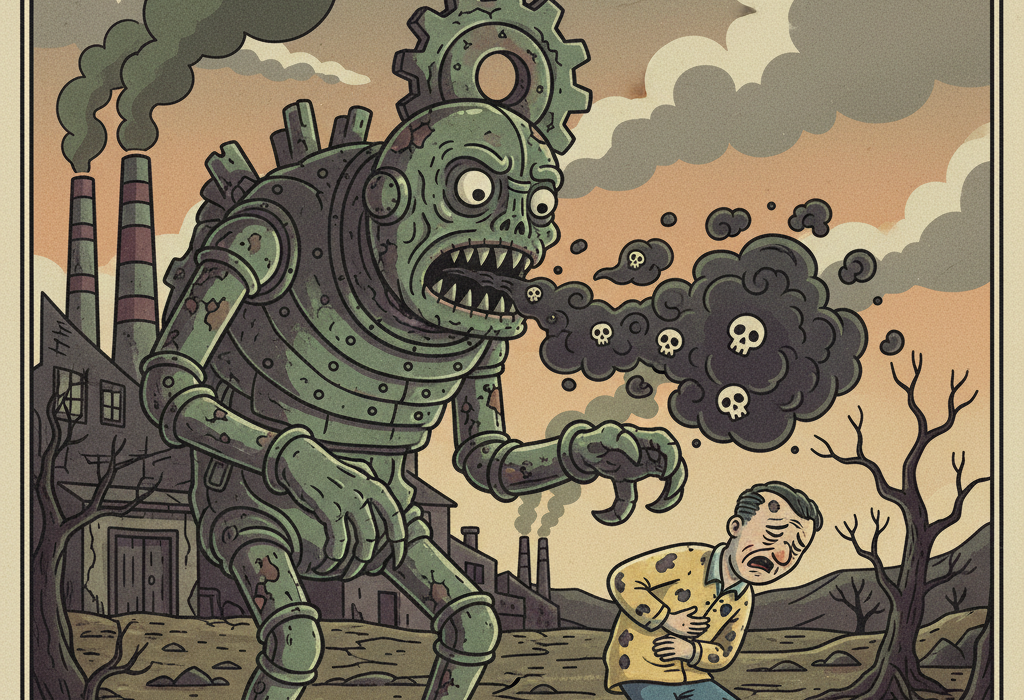
Heavy metals are a natural part of the earth’s crust. For most of human history, they stayed safely buried underground. However, modern industrial activities, mining, and pollution have brought these elements to the surface and into our daily lives. Today, heavy metal exposure is a recognized global health concern.
While our bodies need trace amounts of certain metals like iron and zinc to function, other metals have no biological purpose. When non-essential metals like lead, mercury, cadmium, and arsenic enter the body, they can disrupt normal cellular functions.
This article explores what peer-reviewed science says about how heavy metals affect our health, how they enter our environment, and the evidence behind both medical and natural strategies for managing their effects.
How Heavy Metals Harm the Body
To understand why heavy metals are harmful, it helps to think of your body’s cells as a highly secure facility. Essential minerals have VIP access because they perform specific jobs. Heavy metals, however, use a strategy called “ionic mimicry.” They disguise themselves as essential minerals to sneak past cellular security.
For example, lead looks very similar to calcium. When lead enters the body, the brain and bones may absorb it, mistaking it for calcium. Cadmium looks like zinc, allowing it to accumulate in the kidneys.
Once inside the cells, heavy metals cause damage primarily through Oxidative stress (ox-uh-DAY-tiv stress). This occurs when harmful molecules called free radicals outnumber your body’s protective antioxidants. A 2022 review in Biological Trace Element Research explains that heavy metals bind to cellular proteins and enzymes, disabling their normal functions and triggering a massive release of free radicals.
Over time, this oxidative stress damages cell membranes, proteins, and DNA. This cellular damage is the root cause of the various health issues associated with heavy metal toxicity.
The “Big Four” Toxic Heavy Metals
While many metals can be toxic in high doses, research generally focuses on four primary offenders due to their widespread presence and high toxicity levels. A 2019 review in Environmental Monitoring and Assessment outlines their primary sources and impacts:
- Lead (Pb): Historically used in paint, gasoline, and plumbing. Lead is notorious for accumulating in bones, where it can remain for decades.
- Mercury (Hg): Released largely by coal combustion and mining. It settles into water systems where it transforms into methylmercury, a compound that builds up in fish and seafood.
- Cadmium (Cd): Found in tobacco smoke, certain fertilizers, and industrial emissions. It has a very long half-life in the body and primarily targets the kidneys.
- Arsenic (As): A metalloid that often contaminates groundwater naturally, though industrial activities also contribute.
What the Research Shows About Health Impacts
Chronic exposure to low levels of heavy metals has been linked to a variety of long-term health conditions.
Brain and Nervous System Health
The brain is particularly vulnerable to heavy metals. A 2020 review in the Journal of Alzheimer’s Disease highlights that metals like lead and cadmium can cross the blood-brain barrier. Once inside the brain, they promote neuroinflammation and the buildup of specific proteins associated with cognitive decline.
For instance, animal studies have shown that early-life lead exposure is linked to memory deficits and altered brain chemistry later in life. Related: How Brain Inflammation Drives Parkinson’s Disease
Heart and Blood Vessel Health
Heavy metals also impact the cardiovascular system. A 2024 study in Circulation Research outlines how metals promote the production of reactive oxygen species within blood vessels. This persistent inflammation can lead to endothelial dysfunction (when blood vessels cannot expand and contract properly). Over time, this increases the risk of hypertension and atherosclerosis (hardening of the arteries).
Metabolic and Kidney Health
Cadmium and arsenic exposure have been closely studied for their metabolic impacts. According to a 2018 review in the Journal of Cellular Biochemistry, cadmium accumulates heavily in the renal cortex of the kidneys, potentially leading to decreased kidney function over time.
Furthermore, researchers have observed a correlation between chronic arsenic exposure in drinking water and an increased prevalence of metabolic issues, including altered glucose metabolism and diabetes risk. The metals appear to interfere with the pancreas and the way cells respond to insulin.
How Science Cleans the Environment
Before discussing how to treat heavy metal exposure in humans, it is important to look at how science is addressing the root cause: environmental contamination. Researchers are developing biological tools to clean polluted soil and water.
Plants That Eat Pollution
One of the most promising environmental technologies is Phytoremediation (FY-toe-ree-mee-dee-A-shun), which is the use of living plants to clean up contaminated environments. A 2021 review in Physiologia Plantarum explains that certain plants, known as hyperaccumulators, act like natural vacuums.
These plants draw heavy metals out of the soil through their roots and store them safely in their leaves and stems. Once the plants are fully grown, they are harvested and safely disposed of, permanently removing the metals from the soil. Other plants release specific root exudates that bind to metals in the soil, preventing them from spreading into the groundwater.
Microalgae and Biochar
Scientists are also using microscopic organisms and specialized materials to filter water and soil:
- Microalgae: A 2021 study in Environmental Pollution details how microalgae can bind heavy metals to their cell walls and sequester them safely. They are highly efficient at removing metals from industrial wastewater.
- Biochar: This is a highly porous, charcoal-like substance made from agricultural waste. A 2021 study in Chemosphere shows that adding biochar to soil acts like a sponge. It physically traps heavy metals, preventing crops from absorbing them, while simultaneously helping the soil retain water during droughts.
Medical Treatments vs. Natural Antidotes
When a person suffers from acute, severe heavy metal poisoning, the standard medical treatment is chelation therapy.
Chelating agents are synthetic drugs that bind to heavy metals in the bloodstream, forming a complex ring structure that the kidneys can filter out. While effective for emergencies, classic chelation therapy has significant drawbacks. A 2019 review in Environmental Science and Pollution Research notes that these drugs are not perfectly specific. Along with toxic metals, they also strip the body of essential minerals like zinc, copper, and calcium. They can also cause side effects like kidney stress and the redistribution of metals to other organs.
Because of these limitations, researchers are actively studying natural compounds that might help the body manage chronic, low-level heavy metal exposure without the harsh side effects.
The Role of Dietary Antioxidants
Research indicates that certain natural foods and plant extracts may help counteract heavy metal toxicity, primarily by boosting the body’s antioxidant defenses. While these are not replacements for emergency medical treatment, they show promise for daily protection.
- Citrus Flavonoids: A 2022 study in Biomedicine & Pharmacotherapy examined hesperidin and hesperetin, compounds found in citrus fruits. Researchers found these compounds help mitigate heavy metal toxicity by scavenging free radicals and suppressing inflammatory pathways in cells.
- Curcumin: The active compound in turmeric has been shown to bind directly to metal ions and boost liver detoxification enzymes. However, curcumin is notoriously difficult for the body to absorb on its own. Related: Not All Supplements Are Created Equal: Bioavailability
- Garlic: Garlic contains organo-sulfur compounds. Because many heavy metals have a chemical affinity for sulfur, the compounds in garlic can bind to metals and help facilitate their excretion.
- Spirulina: A 2020 review found that this blue-green algae possesses strong antioxidant properties that help alleviate experimentally induced toxicity from cadmium, lead, and arsenic in preclinical models.
- Honey: A 2023 review collated data showing that the diverse polyphenols in honey exert a notable protective effect against oxidative stress caused by heavy metals.
Comparing Chelation and Natural Support
| Feature | Classic Chelation Therapy | Natural Dietary Antidotes |
|---|---|---|
| Primary Use | Acute, severe poisoning emergencies | Chronic, low-level exposure support |
| Mechanism | Forcibly binds and removes metals | Boosts antioxidant defenses, mild binding |
| Side Effects | Can strip essential minerals (zinc, calcium) | Generally safe, provides nutritional benefits |
| Availability | Requires medical supervision | Widely available in foods and supplements |
Common Questions About Heavy Metal Toxicity
How do I know if my water is contaminated?
Heavy metals are usually tasteless and odorless. The only way to know is through testing. Interestingly, scientists are developing new ways to test water. A 2020 study in Chemosphere introduced a novel test kit using fermentative bacteria. If heavy metals are present in the water, the bacteria stop producing gas, providing a simple, visual indicator of toxicity.
Are all heavy metals bad for you?
No. The term “heavy metal” refers to the density of the element. Iron, zinc, and copper are technically heavy metals, but they are essential for human survival in small amounts. Toxicity depends on the specific metal, the dose, and the duration of exposure.
Can sweating or saunas remove heavy metals?
While the primary routes of metal excretion are urine and feces, some trace amounts of metals can be excreted through sweat. However, sweating is not a scientifically proven method for significantly reducing a heavy metal burden compared to liver and kidney function.
The Bottom Line
Heavy metals like lead, mercury, cadmium, and arsenic are persistent environmental pollutants. Because they cannot be destroyed, they accumulate in the environment and in biological tissues.
Scientific research shows that these metals harm the body primarily by mimicking essential minerals and causing severe oxidative stress, which is linked to cardiovascular, neurological, and metabolic conditions.
While medical chelation therapy remains the standard for acute poisoning, it comes with side effects. For everyday protection against low-level exposure, science points toward a diet rich in antioxidants. Compounds found in citrus fruits, garlic, spirulina, and turmeric show promising ability to help the body defend itself against the oxidative damage caused by heavy metals. Meanwhile, environmental scientists continue to develop fascinating plant and bacteria-based technologies to clean our soil and water before these metals ever reach our plates.
Quick Reference: Key Studies
| Study Focus | Key Finding | Source |
|---|---|---|
| Mechanisms of Toxicity | Heavy metals cause harm primarily through oxidative stress and depleting cellular antioxidants. | PMID 34994948 |
| Brain Health | Lead, cadmium, and manganese cross the blood-brain barrier and are associated with cognitive decline. | PMID 32651318 |
| Cardiovascular Health | Metal exposure induces inflammation and endothelial dysfunction, increasing heart disease risk. | PMID 38662861 |
| Phytoremediation | Certain plants can extract heavy metals from soil or stabilize them in root zones to clean the environment. | PMID 33864701 |
| Natural Antidotes | Plant-based antioxidants (like those in garlic and green tea) help protect tissues from metal-induced oxidative stress. | PMID 31079302 |
| Citrus Flavonoids | Hesperidin and hesperetin mitigate heavy metal toxicity by modulating cellular signaling pathways. | PMID 36068775 |
| Spirulina | Preclinical studies show spirulina alleviates toxicity from cadmium, mercury, lead, and arsenic. | PMID 32749124 |
Last updated: March 2026
This article synthesizes findings from peer-reviewed research. It is for educational purposes only and does not constitute medical advice. Consult a healthcare provider before starting any new regimen.

Leave a Reply