Celery seeds are usually found in the back of a spice cabinet, used occasionally to flavor soups or potato salad. However, in traditional medicine practices around the world, these tiny seeds have been used for centuries to treat joint pain, water retention, and digestive issues. Today, modern science is putting these historical claims to the test.
So, does celery seed actually provide medical benefits?
Research shows that celery seed extract contains unique plant compounds that can actively lower blood pressure, reduce joint swelling in gout, and protect the stomach lining. While it is not a replacement for prescribed medications, clinical trials and animal studies suggest it is a highly active botanical that influences the body’s cardiovascular and inflammatory systems.
Here is a breakdown of what the latest peer-reviewed research actually says about celery seed extract, how it works, and what you should know before trying it.
Does Celery Seed Lower Blood Pressure?
One of the most well-researched benefits of celery seed is its ability to support cardiovascular health, specifically by lowering blood pressure.
A 2022 clinical trial in Phytotherapy Research tested the effects of celery seed extract on 52 human patients with hypertension. Half the group took a placebo, while the other half took capsules containing a total of 1.34 grams of celery seed extract daily. After four weeks, the patients taking the celery seed extract saw a significant drop in their numbers. Their systolic blood pressure (the top number) dropped from an average of 141.2 to 130.0 mmHg, and their diastolic blood pressure (the bottom number) dropped from 92.2 to 84.2 mmHg. The placebo group saw no significant changes.
A companion study published the same year confirmed that this dose was safe and well-tolerated. Beyond just blood pressure, the researchers noted that the patients taking the extract also experienced a decrease in fasting blood sugar, total cholesterol, and triglycerides, alongside an increase in “good” HDL cholesterol.
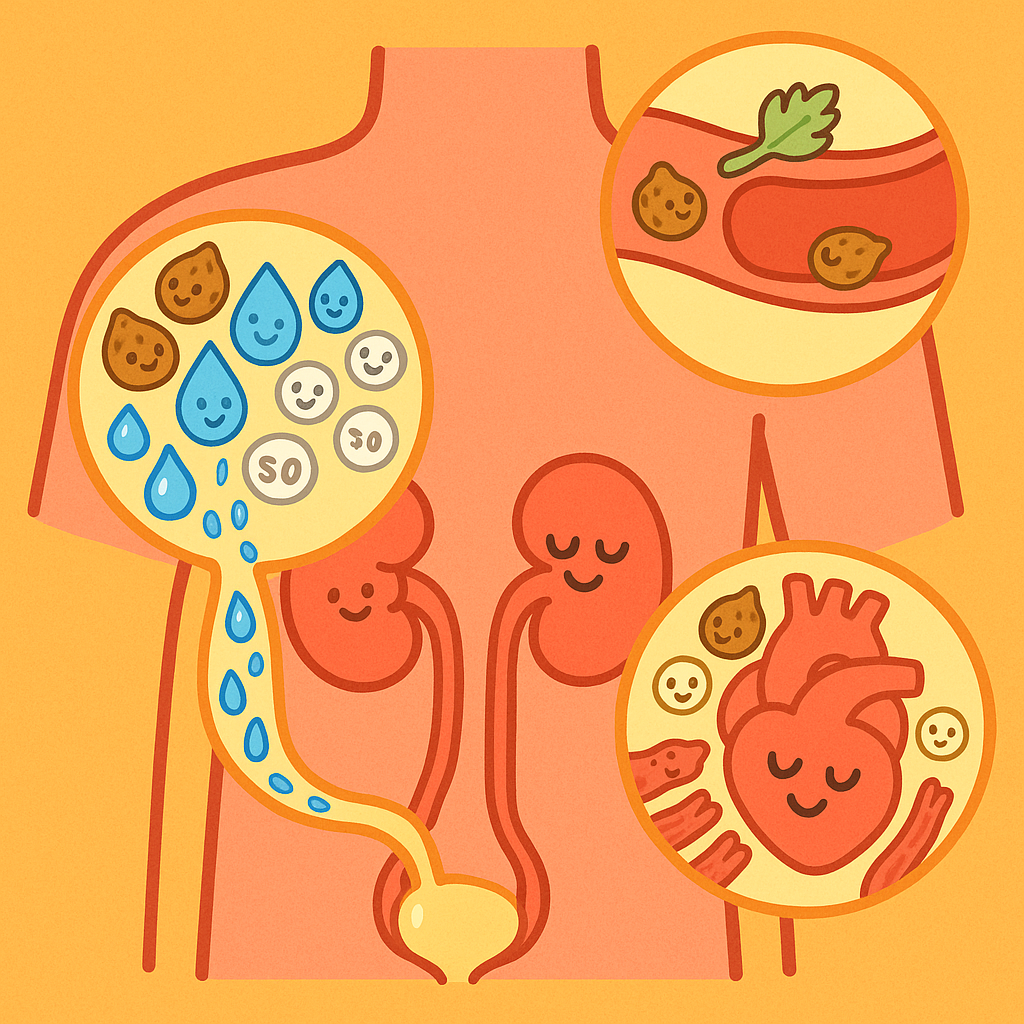
How does a simple seed accomplish this? A 2024 review in the International Journal of Food Science explains that compounds in celery seed act in three distinct ways to lower blood pressure:
- As a diuretic: It helps the kidneys flush excess sodium and water from the body, reducing the volume of fluid pressing against blood vessel walls.
- As a vasodilator: It helps blood vessels relax and widen.
- As a calcium channel blocker: Similar to certain blood pressure medications, it blocks calcium from entering the muscle cells of the heart and arteries, allowing them to relax.
Managing Gout and Joint Pain
Gout is a painful form of arthritis caused by high levels of uric acid in the blood. When uric acid builds up, it forms sharp, needle-like crystals in the joints, leading to severe swelling and pain. Related: Can Supplements Lower Uric Acid? What the Latest Science Says About Gout Management
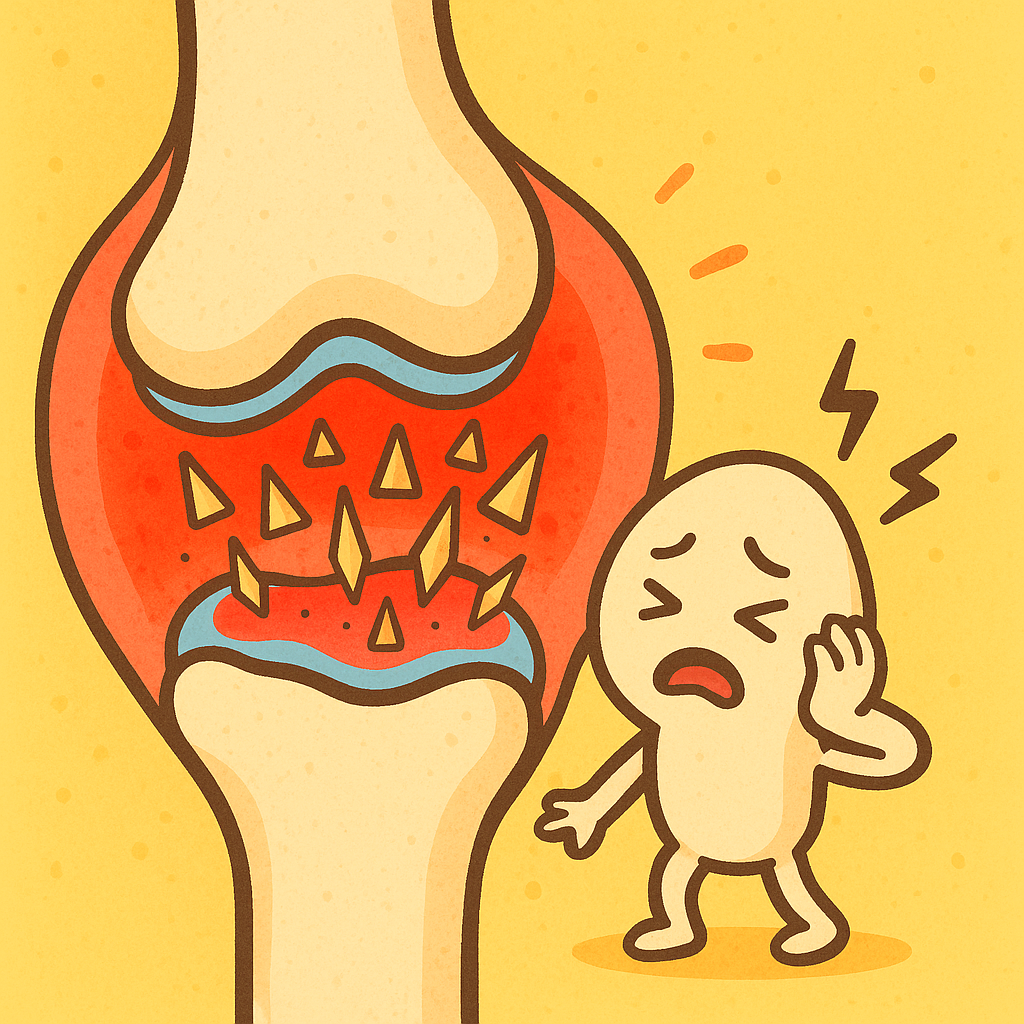
Celery seed is a traditional remedy for gout, and animal studies support this use. A 2019 study in Molecular Medicine Reports tested celery seed extracts on rodents with induced gout and hyperuricemia (high uric acid). The researchers found that the extract significantly reduced uric acid levels in the blood. It did this by inhibiting xanthine oxidase, the enzyme in the body responsible for producing uric acid. Furthermore, the extract reduced swelling in the animals’ ankle joints and lowered the presence of inflammatory cells.
Interestingly, celery seed might be as effective as some common over-the-counter pain relievers, but without the harsh side effects. A comprehensive review in Progress in Drug Research analyzed the anti-arthritic effects of celery seed extract in rats. The researchers found that the extract suppressed arthritis swelling just as effectively as naproxen and ibuprofen.
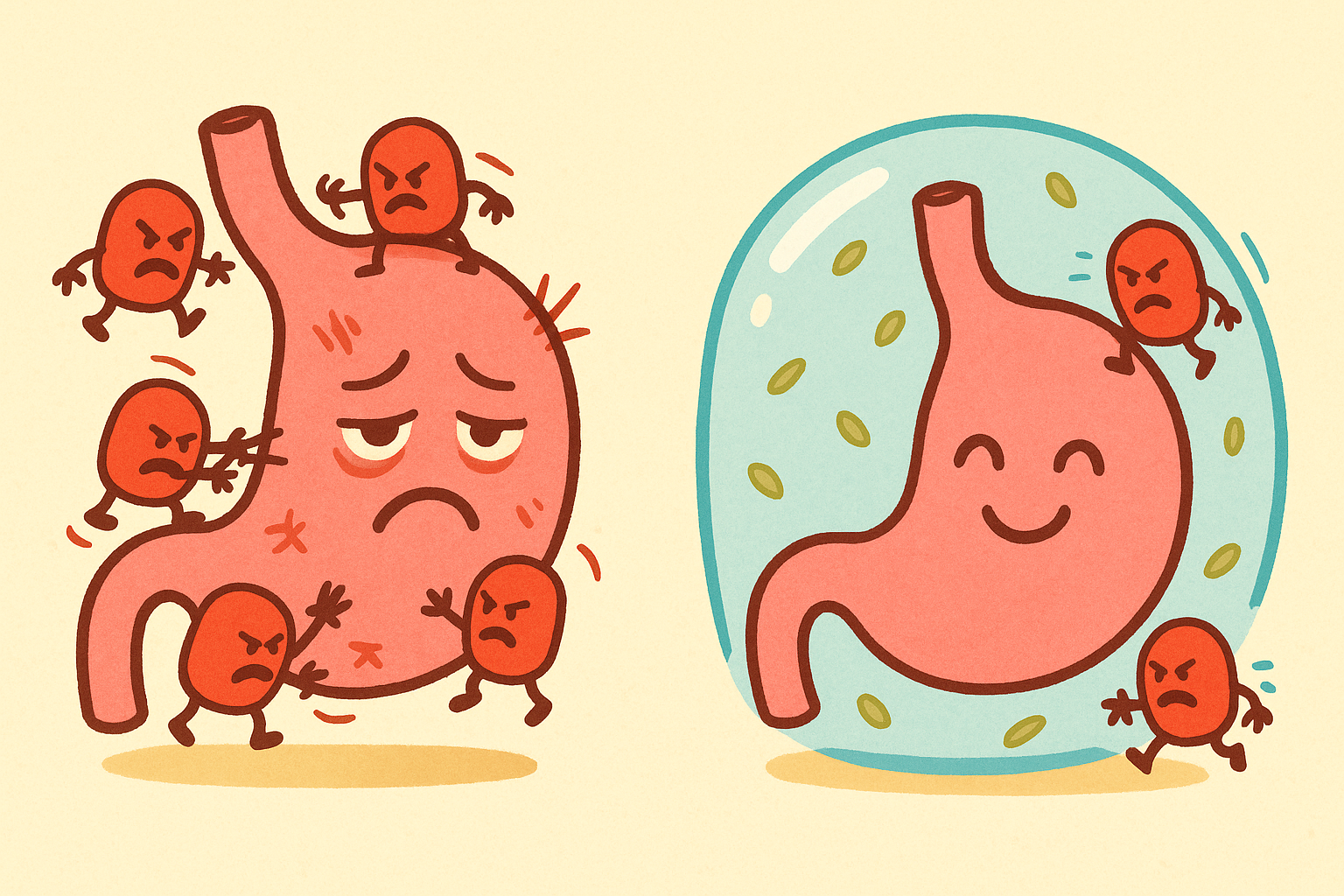
Even more remarkably, while NSAIDs (non-steroidal anti-inflammatory drugs) like ibuprofen are notorious for causing stomach ulcers and bleeding, celery seed extract actually protected the stomach. When rats were given both ibuprofen and celery seed extract, the celery seed reduced the number and severity of gastric lesions caused by the medication.
Blood Sugar and Metabolic Health
Beyond heart and joint health, celery seed shows promise for metabolic conditions like diabetes.
In a 2016 study published in Acta Diabetologica, researchers induced diabetes in rats to see how celery seed extract would affect their blood sugar and organ health. The rats given the extract experienced significant drops in blood glucose, triglycerides, and cholesterol. Furthermore, the extract appeared to protect the pancreas. Microscopic examinations showed that the rats taking celery seed had less tissue damage and inflammation in their pancreas compared to the untreated diabetic rats.
There is also early evidence that celery seed may influence how the body stores fat. A 2021 study on isolated cells found that a specific fraction of celery seed extract reduced the formation of new fat cells (a process called adipogenesis) and decreased the expression of genes related to fat storage. While this is a laboratory study and not proof of weight loss in humans, it highlights the broad metabolic impact of the seed. Related: What Science Actually Says About Weight Loss and Obesity
Cellular Protection and Brain Health
Scientists are also exploring how the unique fats and oils in celery seeds might be used in advanced medical treatments.
A fascinating 2025 study in the Journal of Nanobiotechnology took lipids (fats) extracted from celery seeds and engineered them into nanoparticles. They injected these nanoparticles into mice that had suffered an ischemic stroke. The researchers discovered that the celery seed nanoparticles could cross the blood-brain barrier and specifically target the damaged neurons in the brain. The treatment reduced the size of the stroke damage, improved the mice’s neurological function, and prevented brain cell death by blocking severe inflammation.
While injecting celery seed nanoparticles is far from a standard dietary supplement, it proves that the biological compounds within the seed possess highly active neuroprotective properties.
How Celery Seed Actually Works
To understand why celery seed has so many varied effects, we have to look at its chemical makeup. The seeds contain concentrated amounts of specific bioactive compounds:
- 3-n-butylphthalide (three-EN-boo-till-THAL-ide) or NBP: This is the compound that gives celery its distinct smell and taste. Research shows NBP is largely responsible for the blood pressure-lowering and brain-protecting effects.
- Apigenin (uh-PIJ-eh-nin): A flavonoid that acts as a notable antioxidant, helping to neutralize free radicals that cause cellular damage.
These compounds work together to alter how the body responds to stress and injury. A 2015 study in The American Journal of Chinese Medicine looked at how celery seed extract affects macrophages (MAK-roh-fayjes), which are immune cells that swallow up cellular debris.
When macrophages consume too much oxidized cholesterol, they turn into “foam cells,” which stick to artery walls and create plaque. The researchers found that celery seed extract stopped these foam cells from forming. It achieved this by blocking a protein complex called NF-κB, which essentially acts as the body’s master switch for inflammation. By turning off this switch, celery seed prevents the immune system from overreacting and causing tissue damage.
Who Should Be Cautious
While celery seed extract is generally considered safe at standard supplement doses, it is not for everyone.
- People on blood pressure medications: Because celery seed actively lowers blood pressure, taking it alongside prescription antihypertensive drugs could cause your blood pressure to drop too low.
- Pregnant women: In traditional medicine, high doses of celery seed were used to stimulate the uterus. Pregnant women should avoid therapeutic doses of celery seed extract.
- People with kidney inflammation: Because it acts as a diuretic, it may strain compromised kidneys.
A Note on Botanical Quality
If you are purchasing celery seed supplements, quality control matters. A 2009 DNA analysis published in the Journal of Natural Medicines tested various “Indian celery seed” samples sold in markets. They discovered that many of the seeds were not actually common celery (Apium graveolens) at all, but rather a completely different plant called Seseli diffusum. This highlights the importance of buying supplements from reputable brands that perform third-party botanical testing to ensure you are getting the correct plant.
Common Questions About Celery Seed
Can I just eat regular celery stalks to get these benefits?
While eating celery stalks is healthy and provides hydration and fiber, the stalks contain very low concentrations of the active compounds like NBP. The seeds contain the concentrated essential oils where these medicinal properties reside.
Is celery seed hard on the stomach?
Unlike many pharmaceutical anti-inflammatories that can cause ulcers, research indicates that celery seed extract actually protects the stomach lining and reduces gastric inflammation.
How much is typically used in clinical studies?
In human trials for high blood pressure, researchers successfully used 1.34 grams of celery seed extract per day, divided into multiple capsules, over a four-week period.
The Bottom Line
Celery seed is much more than a culinary afterthought. Human clinical trials demonstrate that it can effectively lower systolic and diastolic blood pressure while improving cholesterol levels. Animal and cellular research strongly supports its traditional use for gout and arthritis, showing it can lower uric acid and reduce joint swelling just as well as some over-the-counter painkillers, all while protecting the stomach.
While we need more large-scale human trials to confirm its effects on diabetes and brain health, the current evidence shows that celery seed extract is a biologically active supplement with measurable cardiovascular and anti-inflammatory benefits. As always, because it has real physiological effects, you should discuss it with your doctor before adding it to your routine, especially if you are already taking medications for blood pressure or heart health.
Quick Reference: Key Studies
| Study Focus | Key Finding | Source |
|---|---|---|
| Blood Pressure | 1.34g/day of celery seed extract significantly lowered systolic and diastolic blood pressure in humans over 4 weeks. | PMID 35624525 |
| Metabolic Health | Celery seed extract safely lowered fasting blood sugar, triglycerides, and cholesterol in hypertensive patients. | PMID 35536382 |
| Gout & Uric Acid | Aqueous and oil extracts reduced serum uric acid, joint swelling, and inflammatory cytokines in rodent models of gout. | PMID 31702020 |
| Arthritis & Ulcers | Extract suppressed arthritis in rats effectively as NSAIDs, while actively protecting the stomach lining from ulceration. | PMID 26462366 |
| Diabetes | Hexane extract of celery seed lowered blood sugar and protected pancreas tissue from damage in diabetic rats. | PMID 26940333 |
| Stroke Recovery | Celery seed lipid nanoparticles crossed the blood-brain barrier in mice to protect neurons after an ischemic stroke. | PMID 40247343 |
Last updated: March 2026
This article synthesizes findings from peer-reviewed research. It is for educational purposes only and does not constitute medical advice. Consult a healthcare provider before starting any new regimen.



Leave a Reply