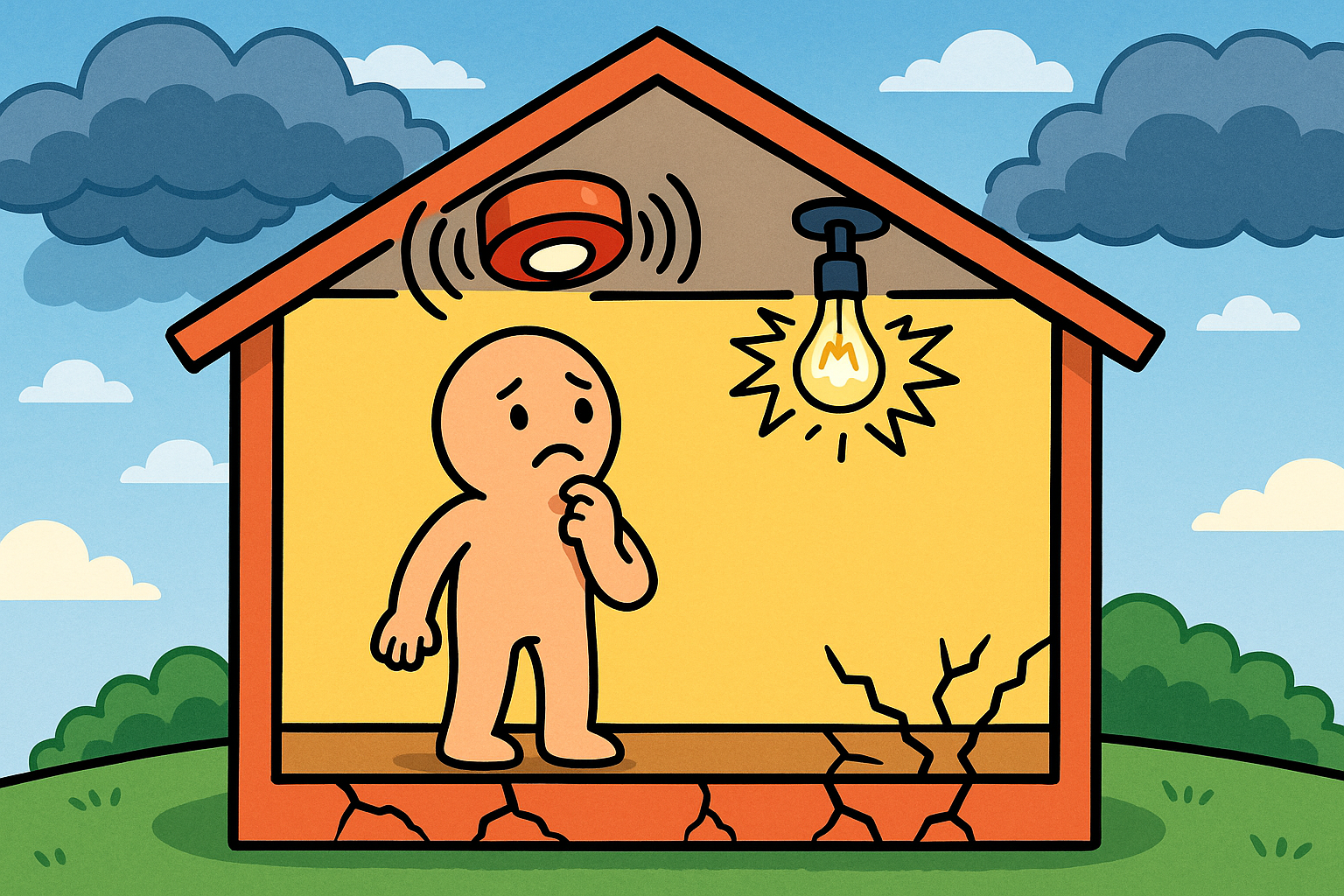
Imagine your body is a house. A storm, in this case, a viral infection, rolls through. Usually, you board up the windows, wait it out, and then clean up the debris so life can return to normal. But with Long COVID, it is as if the storm has passed, yet the fire alarm keeps ringing, the lights keep flickering, and the foundation remains shaky.
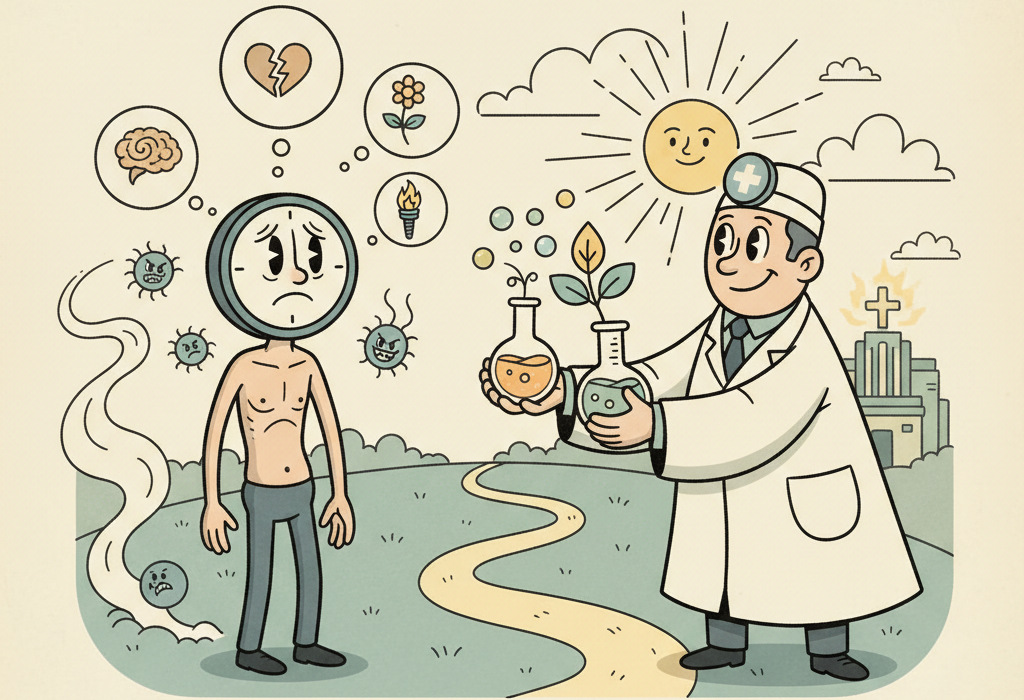
Long COVID is a condition where symptoms like severe fatigue, brain fog, and shortness of breath persist for months or years after a SARS-CoV-2 infection. A 2024 review in Cell highlights that this syndrome affects millions of people worldwide. It can happen to anyone, even those who only experienced a mild cold during their initial illness.
Because the symptoms are so varied, treating Long COVID has been a challenge for doctors. However, a growing body of scientific evidence is beginning to explain what goes wrong in the body and how we might fix it.
What Are the Most Common Symptoms of Long COVID?
The symptoms of Long COVID can affect nearly every system in the body. A 2021 review in The BMJ explains that the virus enters cells using a specific doorway called the ACE2 receptor. Because these receptors are found in the lungs, heart, brain, and gut, the virus can leave a wide trail of damage.
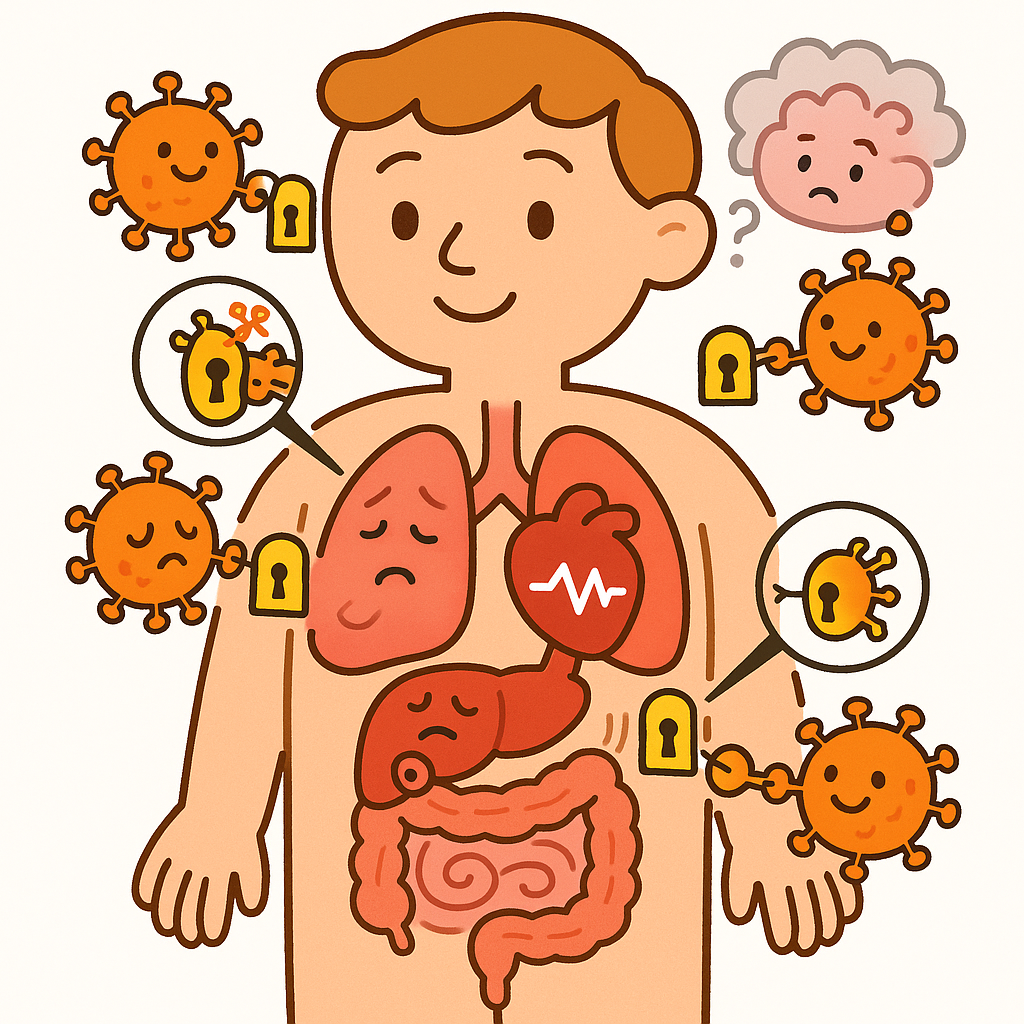
According to a 2024 scoping review in the Journal of Clinical Nursing, the most frequently reported symptoms include:
- Severe fatigue: A profound exhaustion that does not improve with sleep.
- Cognitive impairment: Often called “brain fog,” this includes trouble with memory, focus, and finding words.
- Respiratory issues: Shortness of breath and chronic cough.
- Heart and circulation problems: Chest pain and rapid heartbeats.
Interestingly, a 2025 study in the Proceedings of the National Academy of Sciences found striking similarities between Long COVID and a condition called Myalgic encephalomyelitis/chronic fatigue syndrome (my-AL-jik en-sef-uh-loh-my-uh-LY-tis), or ME/CFS. The study surveyed nearly 4,000 patients and found that both groups shared the same core symptoms, suggesting they might share similar biological causes.
How This Might Work: The Biology of Long COVID
Scientists are still trying to understand exactly why Long COVID happens. Currently, the research points to a few main theories.
1. Lingering Virus and Chronic Inflammation
Even after the immune system clears the virus from the nose and throat, viral fragments might hide in other tissues, like the gut. A 2025 review in Gut Microbes notes that these hidden viral fragments can alter the gut microbiome, keeping the immune system on high alert and causing chronic inflammation.
2. Brain Inflammation
Many patients report feeling like their brain is moving through molasses. A 2022 study in Neuron showed that the virus can trigger Microglia (my-kroh-GLEE-uh), which are immune cells in the brain that usually clear out damaged cells. In Long COVID, these cells can get stuck in attack mode, causing inflammation that disrupts normal brain communication.
Related: How Brain Inflammation Drives Parkinson’s Disease
3. Microclots and Blood Vessel Damage
A 2023 study in Pathology, Research and Practice discusses the presence of tiny, abnormal blood clots called microclots. These clots can block the smallest blood vessels, preventing oxygen from reaching muscles and brain tissue. This lack of oxygen could explain the severe fatigue and muscle aches many patients feel.
4. Nervous System Disruption
Long COVID frequently affects the Autonomic nervous system (aw-toh-NOM-ik NER-vus SIS-tum), which controls automatic body functions like heart rate and digestion. A 2023 review in Neurologic Clinics explains that this disruption can lead to conditions like postural orthostatic tachycardia syndrome (POTS), where a person’s heart rate spikes simply from standing up.
Who Needs Caution: The Exercise Paradox
One of the most important findings in Long COVID research relates to exercise. For most illnesses, doctors recommend slowly increasing physical activity to build back strength. However, for a specific subset of Long COVID patients, this traditional advice can actually make them worse.
A 2023 review in American Family Physician warns about a symptom called Post-exertional malaise (post-eg-ZER-shun-al mah-LAYZ), often abbreviated as PEM. PEM is a crash in health that happens after minor physical or mental effort. For someone with PEM, a short walk or a stressful phone call can lead to days of severe fatigue, pain, and cognitive fog.
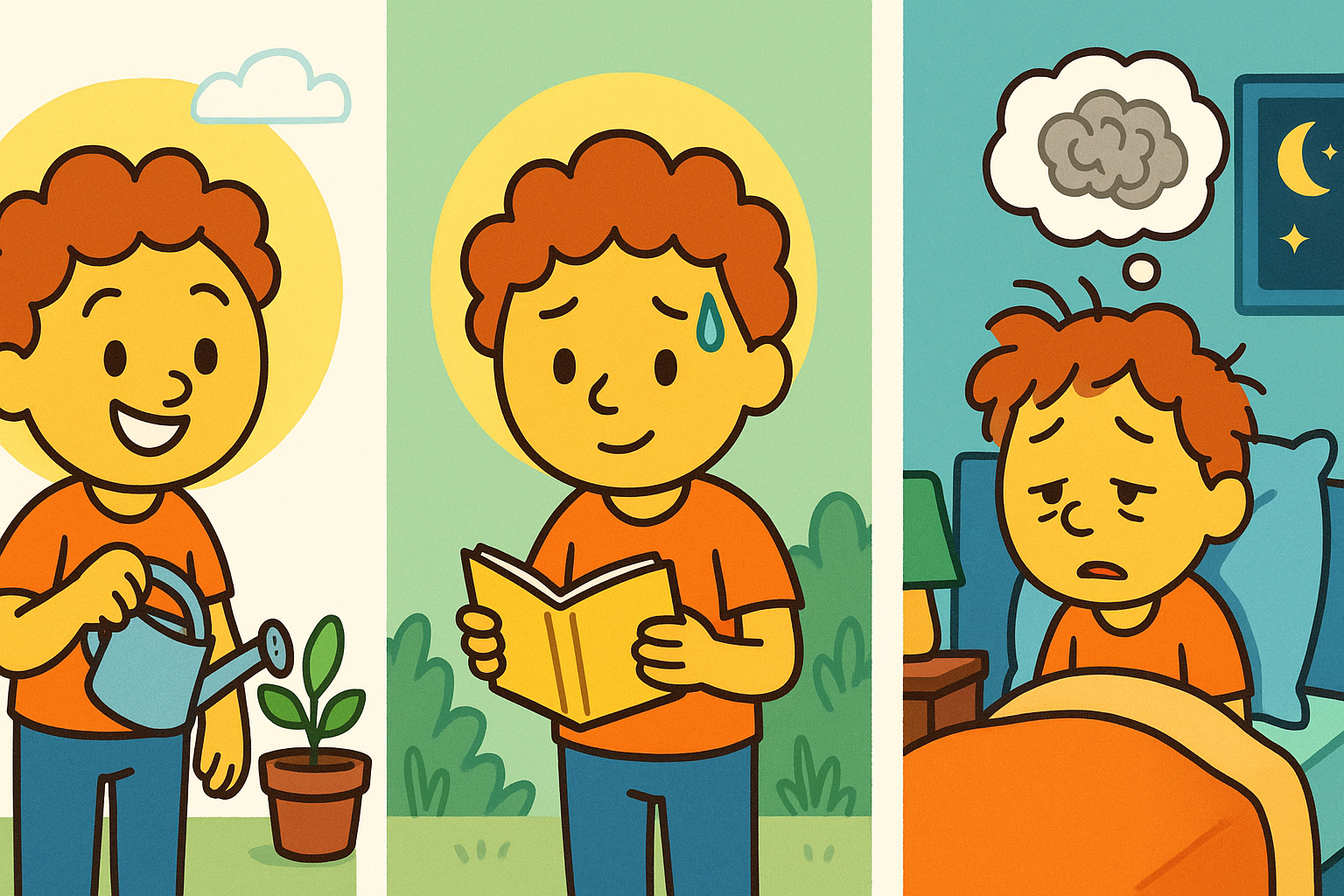
The research on exercise is currently mixed because it depends heavily on whether a patient has PEM.
- Some research suggests that physical rehabilitation is beneficial. A 2024 meta-analysis in Medicine and Science in Sports and Exercise found that exercise-based rehab improved dyspnea and quality of life in some patients.
- While other studies found it harmful. A 2023 review in the Journal of Cardiopulmonary Rehabilitation and Prevention emphasizes that exercise prescriptions must be carefully tailored. If a patient experiences PEM, pushing through the fatigue can cause long-term setbacks.
Practical Guidance: Current Treatment Options
Because Long COVID affects so many different parts of the body, there is no single pill that cures it. However, several approaches are showing promise in clinical trials and real-world settings.
Energy Management (Pacing)
For patients with post-exertional malaise, the most strongly supported management tool is “pacing.” This involves carefully managing daily energy limits to avoid triggering a crash. The 2025 study in the Proceedings of the National Academy of Sciences found that pacing was rated by patients as one of the most beneficial interventions for managing fatigue and brain fog.
Medications and Supplements
A 2024 review in Viruses looked at several non-antiviral therapies currently being tested:
- Metformin: A common diabetes drug. Large trials have shown that taking metformin during the acute phase of COVID-19 can significantly reduce the risk of developing Long COVID later.
- Low-Dose Naltrexone (LDN): Originally used in higher doses for addiction, very low doses of this drug seem to reduce brain inflammation. Patients report it helps improve brain fog and fatigue.
- Oxaloacetate: A 2022 clinical trial in the Journal of Translational Medicine found that supplementing with oxaloacetate, a compound involved in cellular energy production, significantly reduced physical and mental fatigue in both ME/CFS and Long COVID patients over six weeks.
Symptom-Specific Treatments
Doctors often treat the specific symptoms a patient is experiencing. For example, a 2022 survey of general practitioners showed that treatments often focus on physiological rehabilitation. Patients with POTS might be prescribed extra fluids, electrolytes, and compression stockings to help regulate their blood flow.
Common Questions About Long COVID
Can children get Long COVID?
Yes. A 2024 review in the European Journal of Pediatrics confirms that children and adolescents can develop Long COVID, even after very mild infections. They experience similar symptoms to adults, such as fatigue and concentration issues. Fortunately, the research suggests that pediatric cases often resolve faster than adult cases.
Does the COVID-19 vaccine prevent Long COVID?
It appears to help. A 2023 study in Scientific Reports evaluated hospitalized patients and found that those who were fully vaccinated before their infection had a significantly lower risk of developing Long COVID symptoms 90 days after discharge compared to unvaccinated patients.
Will Long COVID go away on its own?
For many people, symptoms slowly improve over several months. However, for a significant portion of patients, symptoms can persist for years. Early intervention and proper symptom management seem to provide the best chance for recovery.
The Bottom Line
Long COVID is a complex, multi-system condition that can persist for months or years after an initial infection. The evidence suggests it is driven by a combination of lingering virus, chronic inflammation, blood vessel damage, and nervous system disruption.
While there is currently no universal cure, research is moving quickly. Strategies like energy pacing, treating specific symptoms like POTS, and emerging medications like Low-Dose Naltrexone are offering relief. If you are experiencing persistent symptoms after a viral infection, it is important to work with a healthcare provider to rule out other conditions and build a customized management plan, especially before starting any new exercise routine.
Quick Reference: Key Studies
| Study Focus | Key Finding | Source |
|---|---|---|
| Overlap with ME/CFS | Long COVID and ME/CFS share almost identical symptom profiles; pacing is highly effective. | PMID 40627388 |
| Mechanisms | Viral persistence, immune dysregulation, and microclots are primary drivers of Long COVID. | PMID 39326415 |
| Alternative Therapies | Metformin reduces Long COVID risk; Low-Dose Naltrexone shows promise for fatigue and brain fog. | PMID 39599909 |
| Vaccine Protection | Complete vaccination before infection significantly lowers the risk of developing Long COVID. | PMID 36774419 |
| Brain Inflammation | Mild respiratory infections can cause lasting inflammation in the brain’s immune cells (microglia). | PMID 36288726 |
| Fatigue Treatment | Oxaloacetate supplementation significantly reduced fatigue in a 6-week clinical trial. | PMID 35764955 |
Last updated: March 2026
This article synthesizes findings from peer-reviewed research. It is for educational purposes only and does not constitute medical advice. Consult a healthcare provider before starting any new regimen.

Leave a Reply