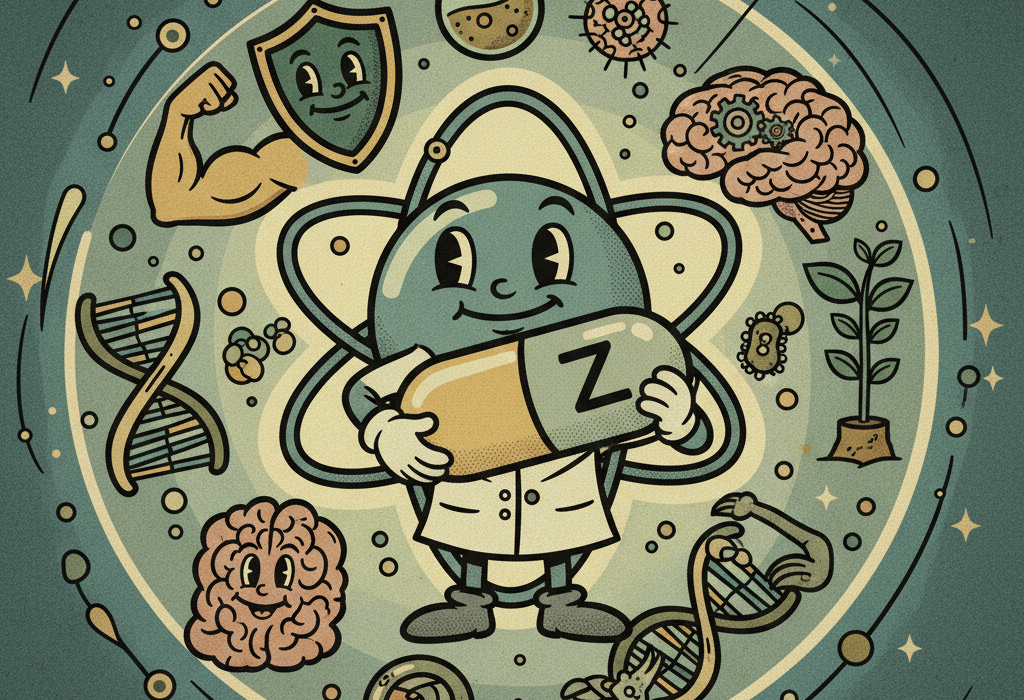
You have probably seen zinc lozenges lining pharmacy shelves during cold season. It is widely known as an immune booster, but zinc is responsible for much more than just fighting off the sniffles. Zinc is an essential trace mineral required for over 300 different biological functions in the human body.
Because your body cannot store zinc for long periods, you need a steady supply from your diet. When people fall short, the effects can ripple across the entire body. A 2022 review in the European Journal of Nutrition estimates that roughly 17% of the global population is at risk for inadequate zinc intake.
So, what happens when you take a zinc supplement? Does it actually improve your health? Scientific research shows that zinc can help lower blood sugar, clear certain viral infections, and even protect your sense of taste during chemotherapy. However, studies also show that zinc is not a magic pill for everyone.
Here is a calm, evidence-based look at what the latest science actually says about zinc supplementation.
How This Might Work: Zinc in the Body
To understand why zinc matters, it helps to look at how it operates on a cellular level. You can think of zinc as a factory supervisor. It does not build the products itself, but it tells the workers (your cells and enzymes) exactly what to do and when to do it.

When your body lacks this mineral, it experiences dyshomeostasis (dis-ho-mee-oh-STAY-sis), which is a scientific term for when the body loses its natural balance. For example, zinc is heavily concentrated in the pancreas, where it helps package and store insulin. Without enough zinc, the pancreas struggles to manage blood sugar efficiently.
Zinc also triggers the release of metallothionein (meh-TAL-oh-THIGH-oh-neen). This is a specialized protein that binds to metals in the body and acts as a shield, protecting your cells from stress and damage. By boosting this protective protein, zinc helps lower inflammation and defend the body against toxins.
Does Zinc Actually Lower Blood Sugar?
One of the most well-researched benefits of zinc is its role in metabolic health. People with diabetes often have lower levels of zinc in their blood. This happens because high blood sugar causes the kidneys to flush out extra zinc through urine.
This creates a frustrating cycle. The body loses zinc precisely when it needs it most to process insulin. Insulin resistance (IN-suh-lin ree-ZIS-tuhns) occurs when your body stops responding well to insulin, leading to elevated blood sugar.
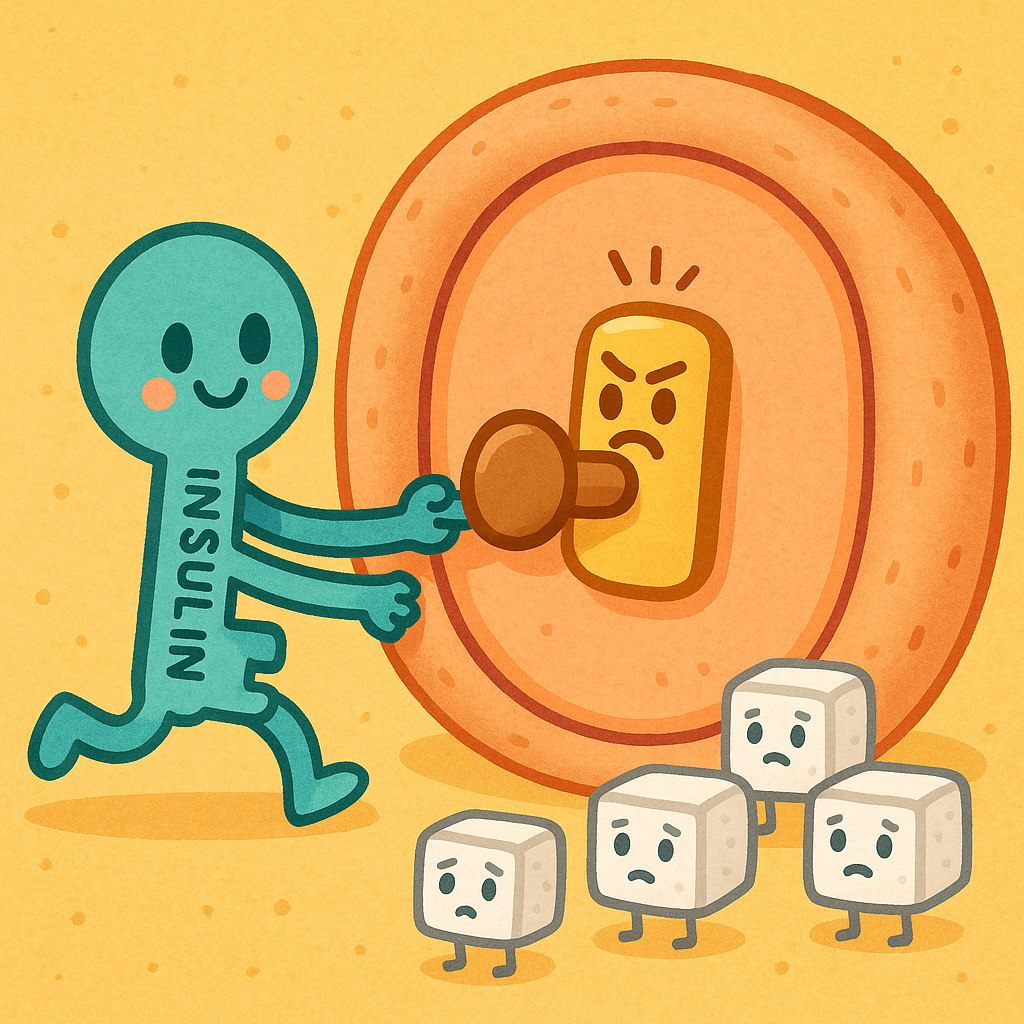
Research shows that replacing this lost zinc can be highly beneficial. A 2022 review in Minerva Endocrinology looked at patients with prediabetes. The researchers found that taking 20 to 30 milligrams of zinc per day for six to twelve months significantly reduced fasting blood sugar. It also improved how well the pancreas functioned. Related: How Prediabetes Affects Your Body and Type 2 Diabetes Risk
Furthermore, a 2022 review in Critical Reviews in Food Science and Nutrition confirmed that zinc supplementation helps lower HbA1c (a long-term measure of blood sugar) in people with type 2 diabetes. The researchers noted that zinc acts similarly to insulin in the body, helping cells absorb glucose while protecting the pancreas from oxidative stress.
What the Research Shows About Immune Defense
Zinc is famous for its role in immunity. It helps develop T-cells, which are the white blood cells that hunt down viruses and bacteria. When researchers look at specific infections, the results are highly encouraging for certain conditions.
Zinc and the Common Cold
The common cold is one of the most studied areas of zinc research. Unlike some immune claims that remain vague, zinc has shown fairly consistent benefits when used correctly at the start of a cold. Several clinical trials and reviews have found that zinc lozenges or zinc acetate, taken within the first 24 hours of symptoms, can shorten the duration of a cold. Researchers think zinc may help by interfering with viral replication in the upper respiratory tract and by influencing local immune responses in the nasal and throat tissues.
But details matter. Not all zinc products work equally well, and timing appears to be critical. The benefit is strongest when zinc is started early and taken in forms that release free zinc ions, such as certain lozenges. Zinc is not a magic shield that prevents every cold, but the evidence suggests it can modestly reduce how long symptoms last for many people.
A practical note is that zinc can also cause side effects, especially nausea or a bad taste in the mouth. Nasal zinc products have also raised safety concerns because of reports of loss of smell, so oral lozenges are generally the form most often discussed in the research.
Clearing HPV Infections
Human Papillomavirus (HPV) is a common infection that the immune system usually clears on its own. However, persistent infections can lead to cervical changes. A 2022 randomized trial in the Asian Pacific Journal of Cancer Prevention studied women with positive HPV DNA tests and abnormal cervical cytology. The group that took oral zinc sulfate tablets for three months had a significantly higher rate of clearing the HPV infection compared to the control group.
Childhood Diarrhea and Sepsis
In developing nations, zinc is a critical tool for child survival. The World Health Organization recommends zinc for treating childhood diarrhea. A 2011 meta-analysis in BMC Infectious Diseases confirmed that zinc supplementation reduces the prevalence of diarrhea by 19% and cuts the occurrence of multiple diarrheal episodes by 28%.
Zinc also shows promise for severe systemic infections. A 2019 review in The Journal of Maternal-Fetal & Neonatal Medicine analyzed infants suffering from neonatal sepsis. The researchers found that zinc supplementation significantly reduced the mortality rate and improved serum zinc levels in these vulnerable newborns.
Pediatric Pneumonia
While zinc is highly effective for diarrhea, its impact on respiratory infections is mixed. A 2017 review in Canadian Family Physician looked at children with pneumonia. The researchers found that while long-term zinc supplementation (more than three months) helped prevent pneumonia, giving zinc as an active treatment during a pneumonia episode did not show a clear benefit.
Healing Canker Sores
Recurrent aphthous stomatitis is the medical term for frequent canker sores in the mouth. These painful ulcers have no definitive cure, but they are often linked to nutritional deficiencies and immune imbalances.
A 2021 systematic review in the Journal of Trace Elements in Medicine and Biology analyzed seven clinical trials involving patients with recurrent canker sores. The majority of the studies found that zinc supplementation significantly reduced the recurrence rate of the ulcers. Patients taking zinc also reported less pain and faster healing times compared to those taking a placebo.
How Zinc Protects the Body During Chemotherapy
Chemotherapy often causes a side effect known as dysgeusia, which is an altered or total loss of the sense of taste. This can lead to severe weight loss and a reduced quality of life during cancer treatment.
A 2021 study in The Journal of Obstetrics and Gynaecology Research monitored patients undergoing chemotherapy for gynecological cancers. The researchers noticed that chemotherapy drugs frequently caused zinc levels in the blood to drop. When they provided zinc supplements to patients with low zinc levels, it promptly restored their blood levels and successfully prevented significant taste alteration. Related: How Science Actually Manages Chemotherapy Side Effects
Does Zinc Lower Blood Pressure?
Because zinc helps reduce inflammation and relaxes blood vessels, scientists have explored whether it can treat hypertension. The results are positive, but modest.
A 2020 dose-response meta-analysis in the European Journal of Nutrition reviewed nine clinical trials. The researchers found that zinc supplementation caused a small but significant reduction in systolic blood pressure (the top number on a blood pressure reading). However, it had no significant effect on diastolic blood pressure (the bottom number). Zinc appears to be most effective for blood pressure in individuals who are overweight or have insulin resistance.
Pregnancy and Childhood Growth
Zinc is required for DNA synthesis and cell division, making it vital during periods of rapid growth like pregnancy and childhood.
Pregnancy Outcomes
A 2009 review in the Food and Nutrition Bulletin found that maternal zinc supplementation resulted in a 14% reduction in premature deliveries. It also showed a positive effect on infant birth weight, but primarily in mothers who were underweight or already zinc-deficient.
For healthy, well-nourished mothers, extra zinc may not be necessary. A 2000 review in The Cochrane Database of Systematic Reviews concluded that there is currently insufficient evidence to recommend routine zinc supplementation for all pregnant women, suggesting it should be reserved for those at risk of deficiency.
Childhood Growth
A similar pattern appears in childhood development. A 2006 review in Current Opinion in Clinical Nutrition and Metabolic Care found that giving supplemental zinc to healthy, well-nourished children does not make them grow taller or gain more weight. However, when provided to undernourished or zinc-deficient children over several months, it produces beneficial effects on both height and weight.
Mental Health and Eating Disorders
Interestingly, the physical symptoms of zinc deficiency (appetite loss, taste changes, and mood imbalances) closely mirror the symptoms of anorexia nervosa.
A 2002 review in Eating and Weight Disorders examined controlled clinical trials involving patients with anorexia. The researchers found that adding zinc to the standard treatment protocol enhanced the rate of recovery. Patients taking zinc experienced better weight gain and showed improved levels of anxiety and depression compared to those taking a placebo.
Common Questions About Zinc Supplementation
Does taking zinc cause anemia?
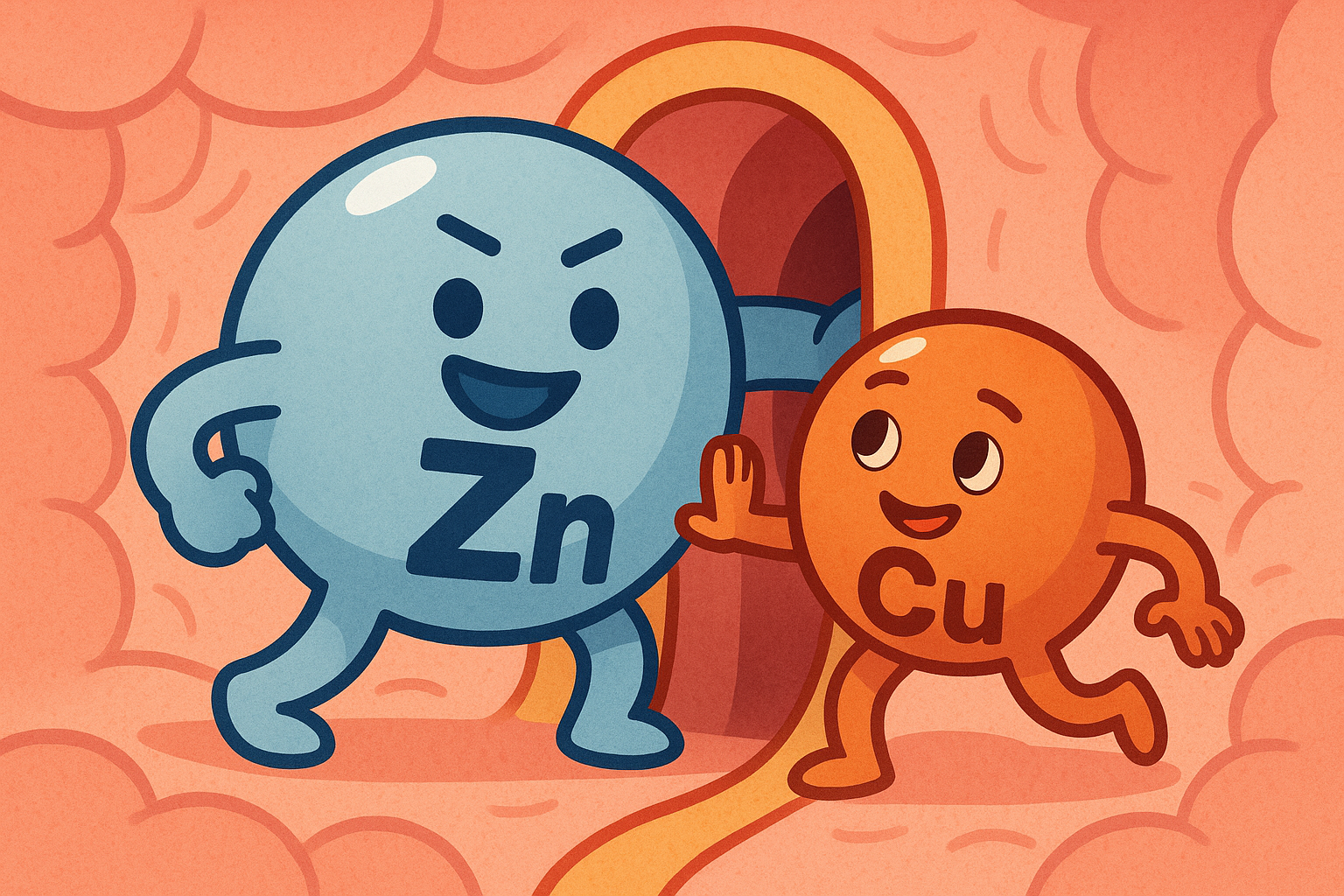
Because zinc and copper compete for absorption in the gut, taking massive doses of zinc for a long time can cause a copper deficiency, which in turn can lead to anemia. However, at normal supplementation doses (10 to 20 milligrams per day), this is not a concern. A 2010 meta-analysis in The Journal of Nutrition reviewed 21 trials and confirmed that standard zinc supplementation in children does not decrease hemoglobin concentrations or cause anemia.
Are natural sources of zinc better than pills?
Some evidence suggests that zinc from whole foods might be utilized better by the body. A 2023 study on rats in Nutrients compared oral zinc sulfate pills to zinc-rich oyster powder. The researchers found that the oyster supplement was significantly more effective at correcting anemia and raising zinc levels in the blood and bones than the synthetic zinc sulfate.
Can zinc help with fat loss?
Early animal research suggests a metabolic link. A 2024 study on mice in Nutrients found that short-term zinc supplementation stimulated fat breakdown and reduced the size of visceral fat cells without changing the mice’s food intake. While intriguing, human trials are needed to see if this applies to people.
Does zinc protect against environmental toxins?
Zinc can sometimes block toxic metals from binding to your cells. A 2022 laboratory study in Environmental Toxicology and Pharmacology showed that zinc supplementation prevented arsenic from disrupting genetic functions in human skin cells. This suggests zinc might help protect populations exposed to arsenic-contaminated drinking water.
Who Benefits Most Or Needs Caution
Who benefits most:
- People with prediabetes or type 2 diabetes.
- Individuals undergoing chemotherapy who are experiencing taste loss.
- People who suffer from frequent canker sores.
- Pregnant women and children in regions where malnutrition is common.
- Patients recovering from anorexia nervosa.
Who needs caution:
- People taking certain antibiotics. Zinc can bind to antibiotics like tetracyclines in the stomach, preventing the medication from being absorbed.
- Anyone tempted to take very high doses. Stick to standard doses (usually 15 to 30 milligrams). Excessive zinc intake (over 50 milligrams daily for long periods) can interfere with copper absorption and cause nausea or digestive upset.
The Bottom Line
Zinc is a highly targeted tool for the human body. The research clearly shows that zinc supplementation works best when it is restoring a deficit.
If you have a condition that drains your zinc levels (like diabetes) or increases your need for it (like fighting an HPV infection, recovering from anorexia, or undergoing chemotherapy), zinc can provide measurable, science-backed benefits. It lowers fasting blood sugar, clears infections, prevents taste loss, and speeds up the healing of mouth ulcers.
However, if you are already healthy and eat a nutrient-rich diet, taking extra zinc is unlikely to provide dramatic enhancements to your growth or blood pressure. It is about restoring balance, not building excess.
Quick Reference: Key Studies
| Study Focus | Key Finding | Source |
|---|---|---|
| Prediabetes | Zinc reduced fasting blood sugar and improved beta-cell function over 6-12 months. | PMID 33759442 |
| Diabetes & Oxidative Stress | Zinc acts similarly to insulin and protects pancreatic cells from damage. | PMID 33938330 |
| HPV Clearance | 3 months of oral zinc significantly improved the clearance of high-risk HPV. | PMID 35485687 |
| Canker Sores | Zinc reduced the recurrence rate, pain, and healing time of aphthous stomatitis. | PMID 34146924 |
| Chemotherapy Taste Loss | Zinc supplementation prevented taste alteration in women undergoing chemotherapy. | PMID 34486200 |
| Blood Pressure | Zinc slightly lowered systolic blood pressure, but not diastolic blood pressure. | PMID 32090294 |
| Anorexia Nervosa | Zinc enhanced weight gain and improved anxiety and depression in recovering patients. | PMID 11930982 |
| Childhood Diarrhea | Zinc reduced the prevalence of diarrhea by 19% in children. | PMID 21569418 |
| Neonatal Sepsis | Zinc supplementation reduced mortality rates in newborns with sepsis. | PMID 29103346 |
| Hemoglobin Safety | Normal doses of zinc did not decrease hemoglobin or cause anemia in children. | PMID 20335624 |
Last updated: March 2026
This article synthesizes findings from peer-reviewed research. It is for educational purposes only and does not constitute medical advice. Consult a healthcare provider before starting any new regimen.
Leave a Reply