Understanding the Opioid Addiction Epidemic
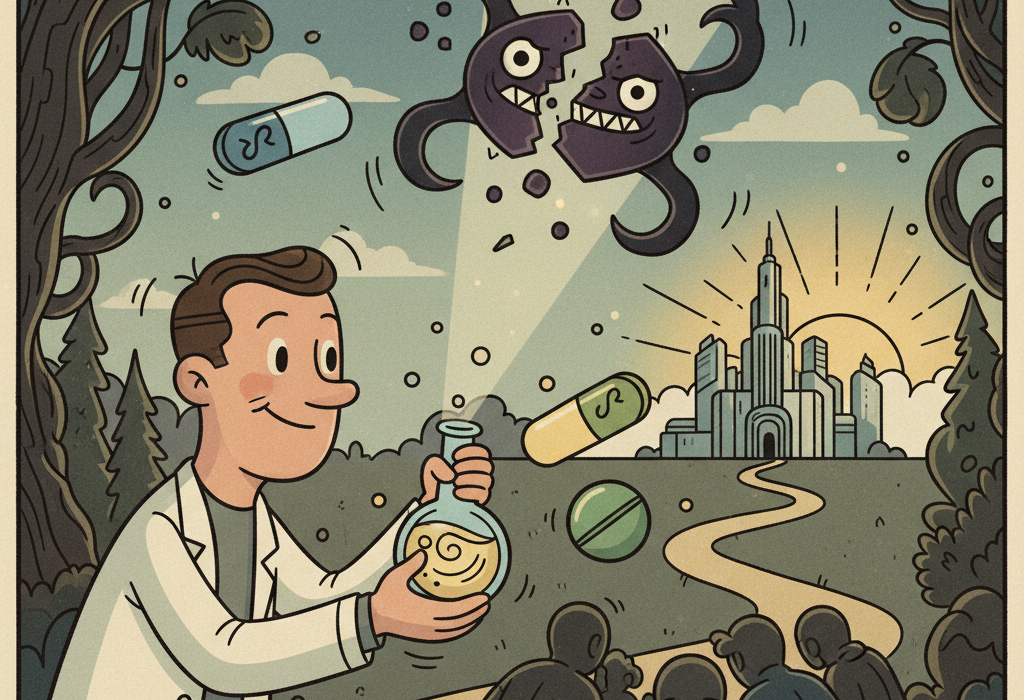
Opioid addiction is a major public health crisis. For many years, society viewed addiction as a moral failing or a simple lack of willpower. However, modern science paints a very different picture. Repeated use of opioids fundamentally changes the brain. It alters the neural pathways responsible for motivation, memory, and reward. This creates a chronic condition known as Opioid Use Disorder (OH-pee-oyd yoos dis-OR-der), or OUD, where a person compulsively seeks the drug despite severe negative consequences.
To treat this physical and chemical dependency, medical professionals rely on Medication-Assisted Treatment (MAT). MAT combines specific, FDA-approved medications with counseling and behavioral therapies.
Despite heavy scientific backing, MAT is vastly underutilized. A 2019 review in the Mayo Clinic Proceedings noted that only about 11% of patients with an opioid use disorder are prescribed these proven medications. Much of this gap comes from a common misunderstanding that MAT is simply “trading one addiction for another.” In reality, the research clearly shows that MAT normalizes brain chemistry, blocks the euphoric effects of illicit drugs, relieves physiological cravings, and significantly reduces the risk of fatal overdose.
How Medication-Assisted Treatment Actually Works
To understand how MAT medications work, it helps to imagine the brain’s opioid receptors as a series of locks. Illicit opioids (like heroin) or misused prescription painkillers are keys that fit perfectly into these locks. When they turn the lock, they release a massive, unnatural flood of dopamine, causing a “high” and dangerously slowing down breathing.
MAT uses three different types of medications to manage these locks in safer ways. According to a 2023 review in the Journal of Addictions Nursing, these three medications are methadone, buprenorphine, and naltrexone.
1. Methadone: The Full Agonist
Methadone is a full agonist (AG-uh-nist). This means it fits perfectly into the opioid receptors, just like illicit opioids do. However, because it is long-acting, it does not produce the rapid, euphoric high associated with drug misuse. Instead, it stabilizes the brain, prevents withdrawal symptoms, and reduces cravings for 24 to 36 hours.
Methadone is considered the historical gold standard for keeping people in treatment. Because it is a full agonist, it does carry a risk of overdose if misused, so it is highly regulated. Patients typically must visit a specialized clinic every day to receive their dose under direct supervision.
2. Buprenorphine: The Partial Agonist
Buprenorphine (byoo-pruh-NOR-feen) is a partial agonist. Returning to our analogy, it fits into the lock, but it only turns it halfway. It provides enough stimulation to stop withdrawal symptoms and cravings, but it has a built-in “ceiling effect.” Taking more of the medication does not increase its effects, which makes it much safer and drastically lowers the risk of overdose.
Because of its safety profile, buprenorphine can be prescribed by certified doctors in a regular office setting, allowing patients to take it at home. It is often combined with naloxone (a blocker) in a medication called Suboxone. If a patient tries to dissolve and inject Suboxone to get high, the naloxone activates and instantly causes severe withdrawal symptoms, acting as a built-in abuse deterrent.
3. Naltrexone: The Antagonist
Naltrexone (nal-TREK-sohn) is an antagonist (an-TAG-uh-nist). It acts like a broken key jammed into the lock. It provides no opioid effect whatsoever, but it physically blocks any other opioids from entering the receptor. If a person takes naltrexone and then tries to use heroin, they will not feel high.
Because it offers no opioid effects, naltrexone has zero potential for abuse. However, it requires a patient to be completely opioid-free for 7 to 14 days before starting. If taken while opioids are still in the system, it will trigger immediate and severe withdrawal. It is available as a daily pill, but a 2020 review in Biological Psychiatry highlights that the monthly extended-release injection (Vivitrol) is far more effective because it removes the need for patients to remember to take a daily pill.
Related: What Science Actually Says About Treating Alcohol Use Disorder
Comparing the Medications
| Medication | How It Works | Administration | Key Advantage | Key Limitation |
|---|---|---|---|---|
| Methadone | Full Agonist (Activates receptors) | Daily liquid at a specialty clinic | Highest treatment retention rates | Requires daily clinic visits; overdose risk if misused |
| Buprenorphine | Partial Agonist (Partially activates) | Daily dissolving film/tablet taken at home | Ceiling effect makes overdose very unlikely | Can cause immediate withdrawal if started too soon after opioid use |
| Naltrexone | Antagonist (Blocks receptors) | Monthly injection or daily pill | Zero abuse potential; blocks other opioids | Requires 7-14 days of agonizing detox before starting |
Who Benefits Or Needs Caution
Research clearly shows that MAT is not a one-size-fits-all solution. Different populations face unique challenges and require tailored approaches.
Pregnant Women
Treating OUD during pregnancy is critical for both maternal and fetal health. Going through unmedicated opioid withdrawal during pregnancy can cause severe fetal distress or miscarriage. A 2020 study in the Obstetrical & Gynecological Survey emphasizes that MAT is the standard of care for pregnant women. Both methadone and buprenorphine are considered safe and effective. While infants may still experience some withdrawal symptoms after birth, medically supervised MAT drastically reduces the severity of these symptoms compared to active illicit drug use.
Adolescents and Young Adults
Despite rising rates of opioid addiction among youth, teenagers rarely receive MAT. A 2017 study in The Journal of Adolescent Health found that only 2.4% of adolescents in specialty treatment for heroin use received MAT, compared to over 26% of adults. The American Academy of Pediatrics recommends considering MAT for adolescents with severe OUD, noting that early intervention with medication can prevent decades of chronic addiction.
Older Adults
Older adults face physical limitations and unique medical risks. A 2019 review in The American Journal of Geriatric Psychiatry notes that daily trips to a methadone clinic can be physically difficult for elderly patients. Furthermore, methadone can interfere with heart rhythms, which is a concern for older adults with cardiac issues. For these reasons, buprenorphine or naltrexone may be safer and more practical options for the geriatric population.
Incarcerated Individuals
People with OUD face a massive risk of fatal overdose in the weeks immediately following release from prison. Their tolerance drops while incarcerated, making their usual dose deadly upon release. A 2019 meta-analysis in the Journal of Substance Abuse Treatment found that providing MAT during incarceration significantly increases the likelihood that a person will continue treatment in the community. It also drastically reduces illicit opioid use and injection drug use after release.
Common Misunderstandings About MAT
Myth: MAT is incompatible with 12-step programs.
For decades, traditional 12-step recovery programs emphasized complete abstinence from all substances, leading to a philosophical conflict with MAT. Many patients were told they were not truly “sober” if they took buprenorphine or methadone.
However, this is changing. A 2019 study in the Journal of Substance Abuse Treatment evaluated a program that successfully integrated MAT into a traditional 12-step residential treatment center. The researchers found that patients who took their prescribed medications had significantly higher abstinence rates from illicit drugs at 1-month and 6-month follow-ups compared to those who did not comply with their medication. The study proved that MAT and 12-step philosophies can work together effectively.
Myth: Detox alone is enough to cure addiction.
Many people believe that simply going through a medically supervised detox to get the drugs out of the system is enough. Unfortunately, the relapse rate for detox alone is incredibly high. Because the brain’s chemistry remains altered for months or years, the cravings persist. MAT provides the chemical stability needed for the patient to engage in counseling, rebuild their life, and avoid relapse.
Holistic Additions to MAT
While medication manages the chemical dependency, patients still need to address chronic pain, mental health, and physical well-being. A 2023 study in the Journal of Opioid Management explored the use of Tai Chi for patients undergoing MAT. The researchers found high rates of chronic pain and psychiatric symptoms (like anxiety and poor sleep) among MAT patients. Over 40% of the patients expressed strong interest in adding Tai Chi to their routine to help manage pain and improve physical fitness, suggesting that gentle, low-cost physical interventions can be an excellent complement to medical treatment.
The Bottom Line
Opioid Use Disorder is a chronic, relapsing medical condition that alters brain chemistry. The evidence is clear: Medication-Assisted Treatment is the most effective way to manage this disease.
While each of the three FDA-approved medications (methadone, buprenorphine, and naltrexone) has distinct pros and cons, they all share a common benefit: they save lives. They reduce illicit drug use, lower the risk of fatal overdoses, and keep people engaged in treatment. Expanding access to these medications, reducing the stigma around their use, and integrating them with counseling and holistic care remains the best scientific approach to combating the opioid epidemic.
Quick Reference: Key Studies
| Study Focus | Key Finding | Source |
|---|---|---|
| MAT Overview & Comparison | Buprenorphine, methadone, and naltrexone are all effective, but choosing the right one depends on patient needs and access. | PMID 34224485 |
| MAT in Primary Care | Only 11% of patients with OUD receive MAT; integrating it into primary care improves access and outcomes. | PMID 31543255 |
| Pregnancy and MAT | MAT is the standard of care in pregnancy; it prevents fetal distress and improves birth outcomes compared to active addiction. | PMID 32232496 |
| Adolescents and MAT | Teens are significantly less likely to receive MAT than adults, despite high effectiveness. | PMID 28258807 |
| MAT in Prisons | Providing MAT during incarceration increases community treatment engagement and reduces post-release drug use. | PMID 30797392 |
| MAT and 12-Step Programs | Patients using MAT within a 12-step framework showed higher abstinence rates when compliant with their medication. | PMID 31370985 |
Last updated: March 2026
This article synthesizes findings from peer-reviewed research. It is for educational purposes only and does not constitute medical advice. Consult a healthcare provider before starting any new regimen.
Leave a Reply