Introduction
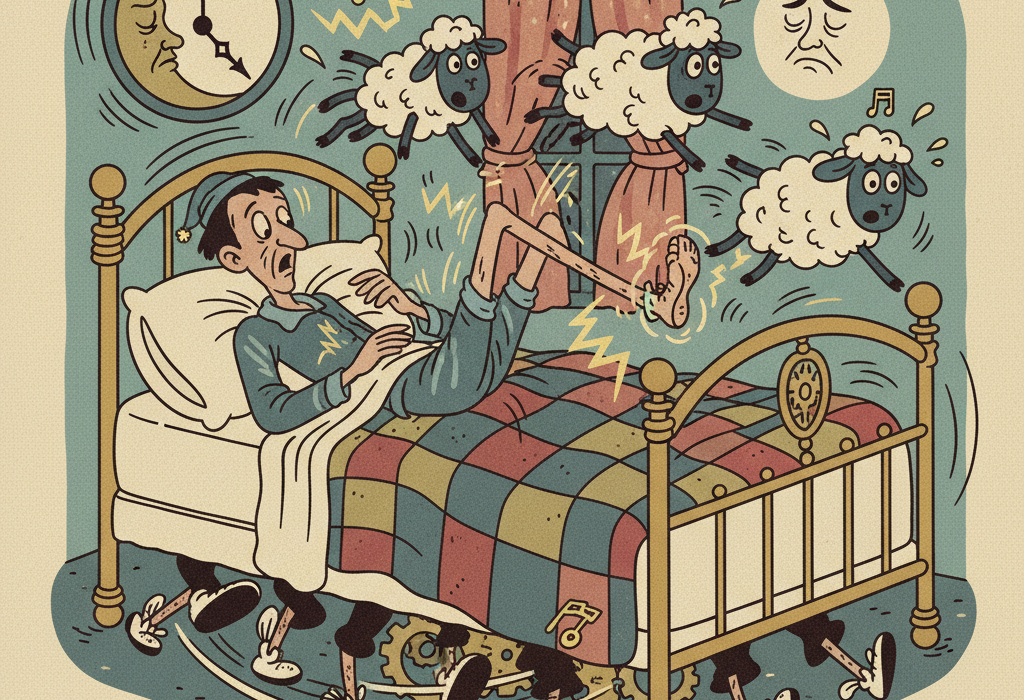
Imagine trying to fall asleep, but deep inside your calves, there is an itching, crawling, or pulling sensation that only goes away if you move. You kick, you stretch, you pace the floor, but the moment you lie back down, the feeling returns. For millions of people, this is the nightly reality of Restless Legs Syndrome (RLS).
But the story often doesn’t end when sleep finally comes. For many, the legs continue to jerk and twitch rhythmically throughout the night, a condition known as Periodic Limb Movements of Sleep (PLMS). While these two conditions are distinct, they are closely related cousins in the world of sleep disorders.
For a long time, these conditions were dismissed as simple nervousness or “growing pains.” Today, science understands them as complex neurological disorders involving iron regulation, dopamine signaling, and genetic factors. This article breaks down what the latest research tells us about why legs get restless, how it affects your long-term health, and what actually works to treat it.
What Is the Difference Between RLS and PLMS?
While they often appear together, RLS and PLMS are not the same thing. Understanding the difference is the first step in managing them.
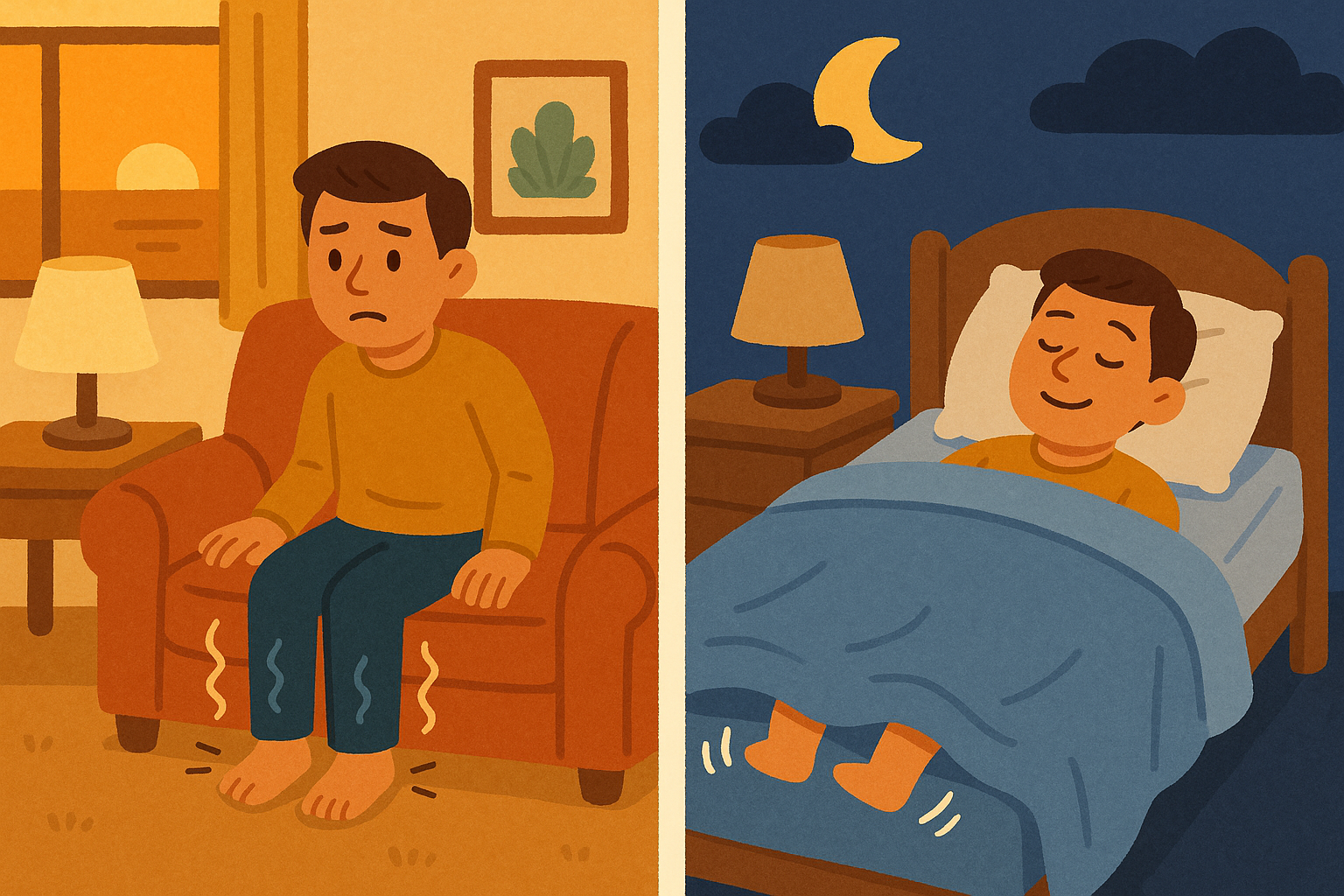
Restless Legs Syndrome (RLS) is a sensory-motor disorder. It is defined by a subjective urge to move. The symptoms happen while you are awake, typically worsen in the evening, and are relieved by movement. It is a feeling.
Periodic Limb Movements of Sleep (PLMS) are physical events. These are repetitive, rhythmic jerking movements (usually of the legs, sometimes the arms) that happen while you are asleep. The person kicking is often unaware they are doing it, though their bed partner certainly knows.
Research indicates a massive overlap: approximately 80% to 90% of people with RLS also have PLMS. However, having PLMS does not guarantee you have RLS. When PLMS occur alone and cause significant daytime fatigue or sleep disruption, it is diagnosed as Periodic Limb Movement Disorder (PLMD).
The “Urge” Criteria
To diagnose RLS, doctors look for four specific criteria, often remembered by the acronym URGE:
- Urge to move the legs, usually accompanied by uncomfortable sensations.
- Rest induces symptoms (it gets worse when lying or sitting).
- Getting active brings relief (walking or stretching helps).
- Evening and night make symptoms worse.
The Iron and Dopamine Connection
Why does this happen? The leading theory involves a malfunction in how the brain handles iron and dopamine.
Dopamine is a neurotransmitter that helps regulate muscle movement. Iron is a critical ingredient in the production of dopamine.
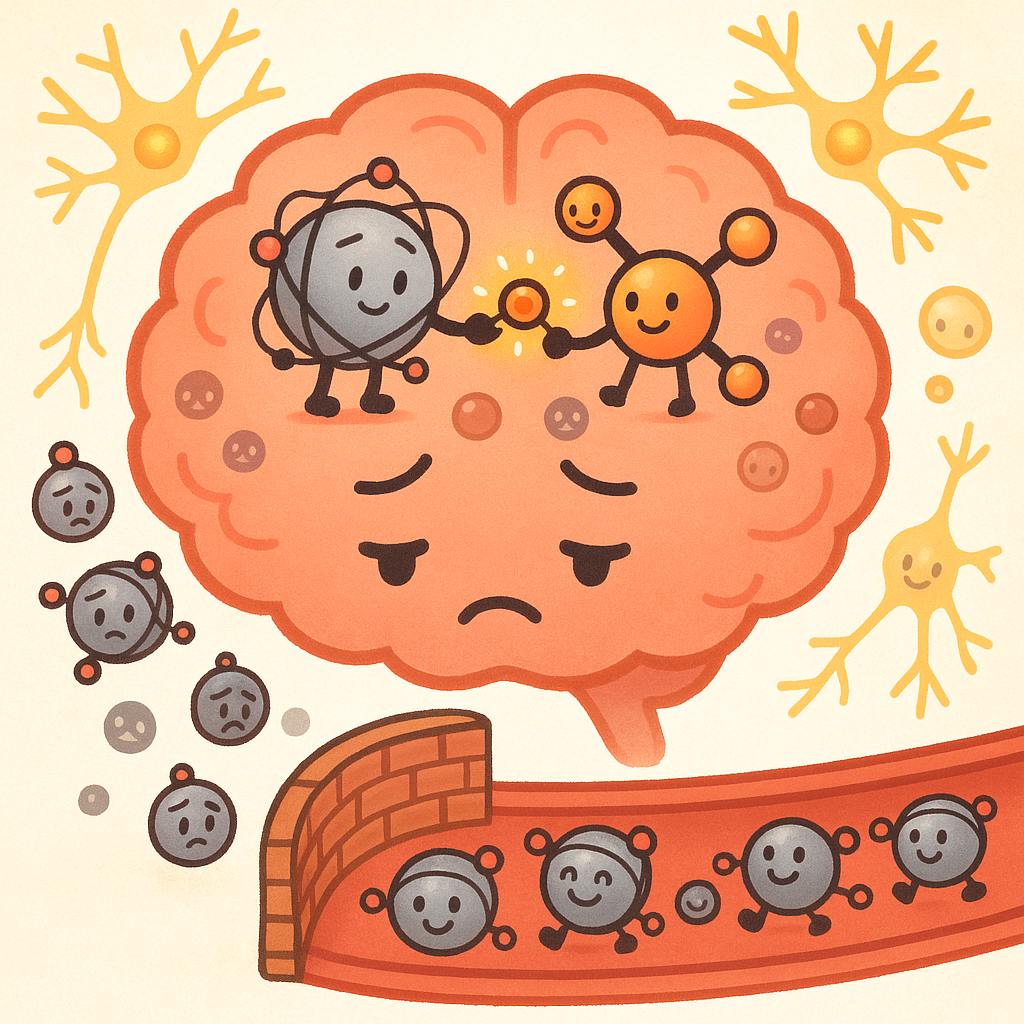
Research published in Neurotherapeutics suggests that RLS involves a dysfunction in the central nervous system’s dopamine pathways. However, it is not necessarily a lack of dopamine throughout the whole body, but rather a specific issue with how dopamine is processed in the spinal cord and brain, often driven by low iron levels in the brain.
Even if a standard blood test shows you are not anemic, your brain might still be “iron deficient.” The blood-brain barrier can sometimes prevent enough iron from reaching the brain cells that need it. A 2018 review of clinical guidelines emphasizes that brain iron deficiency is a primary driver of RLS pathology. This is why measuring a protein called ferritin (which stores iron) is standard practice for RLS patients. Levels that are considered “normal” for the general population (e.g., 30 ng/mL) may be too low for someone with RLS.
Related: Not All Supplements Are Created Equal: Bioavailability
Does RLS Affect Heart Health?
One of the most surprising areas of recent research is the link between twitching legs and cardiovascular health. When a person has PLMS, their legs might jerk every 20 to 40 seconds. These movements are often accompanied by “micro-arousals”: brief moments where the brain wakes up slightly, even if the sleeper doesn’t remember it.
A 2019 review in Autonomic Neuroscience highlights that these repetitive movements are associated with transient spikes in heart rate and blood pressure. Over time, this nightly autonomic stress may contribute to hypertension (high blood pressure).
However, the data is complex. A 2026 review in Nature Reviews Neurology analyzed the relationship between RLS and stroke or cerebrovascular disease. While they found a clear link between RLS and conditions like kidney disease and iron deficiency, the evidence linking RLS directly to stroke was insufficient to prove causation. The researchers suggest that RLS might be seen as a spectrum: at one end, it is genetic; at the other, it is driven by other diseases (comorbidities) that also damage the heart.
The Medication Paradox: Triggers and Treatments
One of the most frustrating aspects of RLS is that medications used to treat other common conditions can make the legs worse. This is particularly true for mental health medications.
Antidepressants and RLS
A systematic review in Sleep Medicine Reviews examined how different antidepressants affect RLS and PLMS. The findings revealed a distinct hierarchy of risk:
- High Risk: Mirtazapine and Venlafaxine were noted to increase RLS symptoms and limb movements more frequently than others.
- Moderate Risk: SSRIs (like fluoxetine and sertraline) can increase limb movements, though they may not always cause the sensation of RLS.
- Low Risk/Beneficial: Bupropion was the only antidepressant identified that did not appear to worsen RLS and, in some cases, actually improved symptoms. This is likely because bupropion affects dopamine, unlike SSRIs which affect serotonin.
Benzodiazepines
Benzodiazepines, such as clonazepam, are frequently prescribed for RLS. However, a historical overview published in 2024 clarifies their role. While clonazepam helps patients stay asleep and reduces arousals, it does not actually stop the leg movements significantly. It essentially acts as a sedative that allows the patient to sleep through the kicking. The review notes that while effective for sleep quality, tolerance and daytime drowsiness are concerns.
RLS in Children: Growing Pains or Something More?
RLS is not just an adult disorder. It affects approximately 2% of children, yet it is frequently misdiagnosed. A study in Pediatric Pulmonology highlights that children often cannot describe the “creepy-crawly” sensation. Instead, they may present with “restless sleep,” kicking the blankets off, or general irritability.
There is a significant overlap between RLS/PLMS and Attention Deficit Hyperactivity Disorder (ADHD). Because RLS causes poor sleep, children may display hyperactive behavior during the day to stay awake. Furthermore, common “growing pains” often turn out to be RLS. The key difference is that RLS has an urge to move and is relieved by movement, whereas simple muscle soreness usually is not.
Researchers have also identified a new category called Restless Sleep Disorder (RSD) in children. These children do not have the specific leg urge of RLS or the rhythmic kicking of PLMS, but they thrash and reposition constantly through the night, leading to daytime impairment. Iron deficiency is a major suspect in these cases as well.
Is RLS Linked to Parkinson’s Disease?
Because RLS is treated with dopamine drugs, the same class of drugs used for Parkinson’s Disease (PD), many patients worry that RLS is an early sign of Parkinson’s.
Research published in the Journal of Parkinson’s Disease investigated this link. While RLS symptoms are common in people who already have Parkinson’s, the study found that the underlying mechanisms might be different. In PD patients, the RLS symptoms did not correlate with periodic limb movements the way they do in the general population.
Current consensus suggests that having primary RLS does not significantly increase your risk of developing Parkinson’s Disease. The dopamine dysfunction in RLS is different from the dopamine cell death seen in PD.
What the Research Says About Treatment
Treating RLS requires a stepped approach, moving from checking iron levels to pharmacological interventions.
1. Iron Supplementation
According to guidelines from the International RLS Study Group, checking ferritin levels is the first step.
- Oral Iron: Recommended if ferritin is below 75 mcg/L. It is best taken with Vitamin C to aid absorption.
- IV Iron: For patients with moderate-to-severe RLS or those who cannot tolerate oral iron (or do not absorb it well), intravenous iron (specifically ferric carboxymaltose) is considered effective and is increasingly used as a first-line therapy for those with ferritin below 300 mcg/L.
2. Dopamine Agonists vs. Alpha-2-Delta Ligands
For years, dopamine agonists (like pramipexole and ropinirole) were the gold standard. However, a major problem called augmentation emerged. Augmentation happens when the drug eventually causes symptoms to start earlier in the day and become more severe.
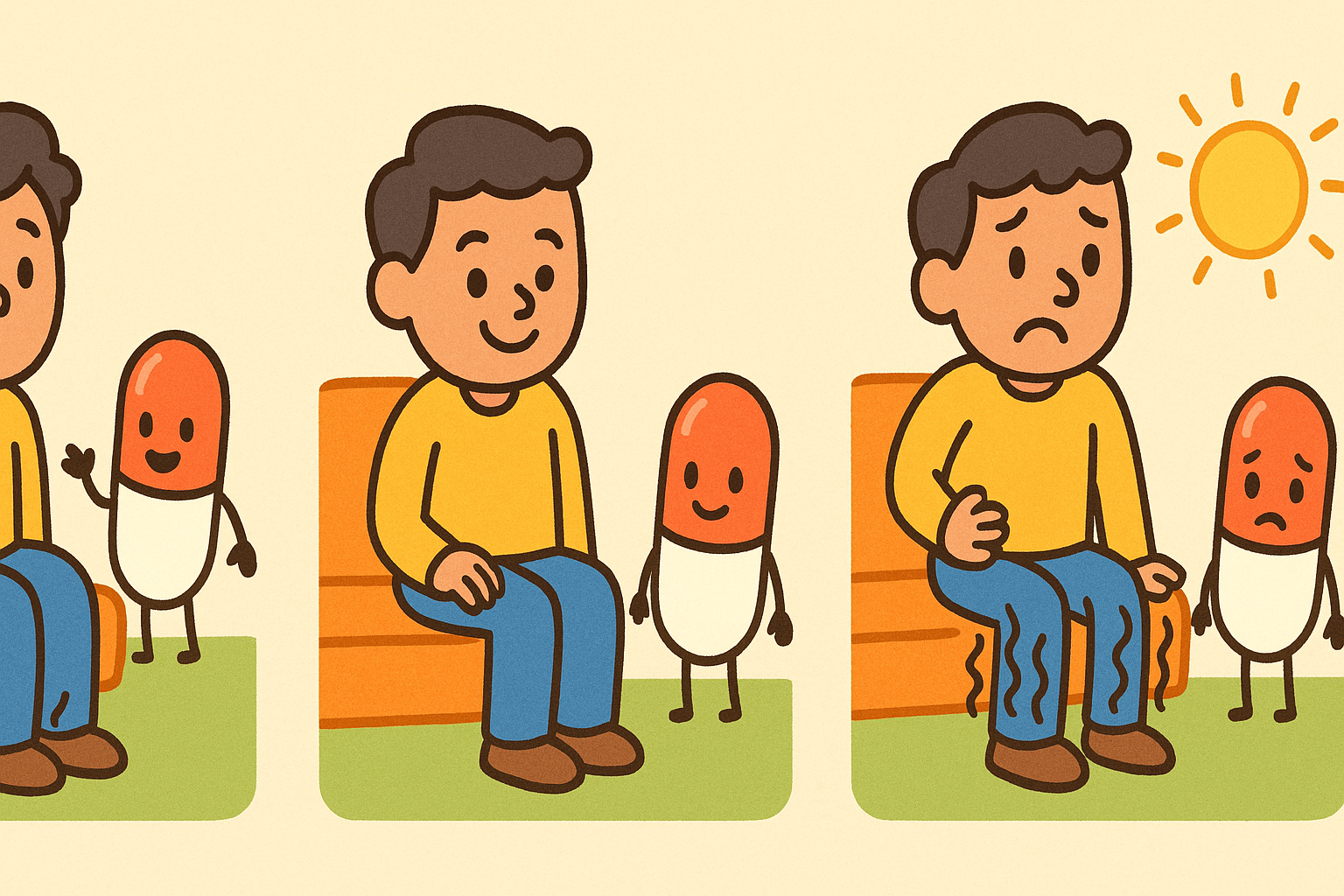
Because of this risk, recent guidelines and reviews suggest that alpha-2-delta ligands (such as gabapentin enacarbil or pregabalin) are now often preferred as initial treatments. These drugs calm overactive nerves without the high risk of augmentation associated with dopamine drugs.
3. Managing Periodic Limb Movements
A 2023 systematic review looked specifically at drugs that suppress the kicking movements (PLMS).
- Most Effective: Dopamine agonists are the most powerful at stopping the actual kicks.
- Moderately Effective: Alpha-2-delta ligands and opioids.
- Ineffective/Mixed: Valproate and some benzodiazepines (like clonazepam) may help sleep but do not consistently stop the movements.
The Bottom Line
Restless Legs Syndrome and Periodic Limb Movements are real, physiological disorders rooted in how the brain utilizes iron and dopamine. They are not psychological, and they are not merely “bad sleep habits.”
- Check Iron First: A ferritin test is the non-negotiable first step in diagnosis. “Normal” range on a lab report might still be too low for an RLS brain.
- Review Meds: If you take antidepressants or antihistamines, they could be fueling the fire. Bupropion is a potential alternative for depression that is RLS-friendly.
- Watch the Heart: Treating PLMS isn’t just about feeling rested; it may help reduce nighttime blood pressure spikes.
- Treatment Has Changed: Doctors are moving away from dopamine agonists as the default choice due to the risk of worsening symptoms long-term, favoring gabapentin-type medications or iron therapy instead.
Quick Reference: Key Studies
| Study Focus | Key Finding | Source |
|---|---|---|
| RLS & Stroke | RLS is linked to kidney disease and iron deficiency, but evidence linking it directly to stroke is insufficient. | PMID 41298862 |
| Benzodiazepines | Clonazepam improves sleep quality but does not significantly reduce the number of leg movements. | PMID 38708125 |
| PLMS Treatment | Dopamine agonists are the most effective drugs for suppressing leg movements; clonazepam results are contradictory. | PMID 36692194 |
| Parkinson’s | RLS symptoms in Parkinson’s patients may represent a different pathophysiology than primary RLS. | PMID 35311713 |
| Iron Therapy | IV iron (ferric carboxymaltose) is effective for RLS if ferritin is <300 mg/L; oral iron if ferritin <75 mg/L. | PMID 29425576 |
| Antidepressants | Mirtazapine and venlafaxine may worsen RLS; Bupropion is generally safe or helpful. | PMID 28822709 |
| Cardiovascular | PLMS are associated with transient blood pressure and heart rate increases during sleep. | PMID 31331694 |
Last updated: February 2026
This article synthesizes findings from peer-reviewed research. It is for educational purposes only and does not constitute medical advice. Consult a healthcare provider before starting any new regimen.


Leave a Reply