For decades, psychedelic drugs were viewed primarily through the lens of 1960s counterculture and strict legal prohibition. Today, they are at the center of modern psychiatric research. Scientists at major universities are investigating whether these compounds can help treat severe depression, post-traumatic stress disorder (PTSD), and other mental health conditions that often resist standard treatments.
However, this topic is frequently misunderstood. Media headlines often paint these substances as magic cures. The scientific reality is more nuanced. The research shows highly promising results for specific conditions, but only when these drugs are combined with professional psychological support in carefully controlled settings.
This article breaks down what peer-reviewed research actually says about psychedelics, how they affect the human brain, who might benefit, and where the science remains uncertain.
What Are Psychedelics?
Psychedelics are a class of psychoactive substances that temporarily alter perception, mood, and cognitive processes. In clinical research, scientists generally divide them into a few main categories based on how they interact with the brain.
Classical Psychedelics
These include psilocybin (sill-oh-SY-bin), which is the active compound in “magic mushrooms,” as well as LSD (lysergic acid diethylamide), mescaline, and DMT (dimethyltryptamine). As detailed in a 2025 paper in Molecular psychiatry, these compounds work primarily by interacting with specific serotonin receptors in the brain.
Entactogens
This category includes MDMA (3,4-methylenedioxymethamphetamine). While it shares some traits with classical psychedelics, MDMA uniquely increases feelings of interpersonal trust, empathy, and self-compassion without causing hallucinations.
Dissociative Anesthetics
Ketamine is often discussed alongside psychedelics. It works through an entirely different chemical pathway in the brain (the glutamate system) but can produce altered states of consciousness. It is currently approved in specific forms for treatment-resistant depression.
Rewiring the Brain: How Psychedelics Might Work
To understand why these drugs might help treat mental illness, it helps to look at what they do to the physical brain.
Activating Serotonin Receptors
Classical psychedelics primarily bind to the 5-HT2A receptor, a specific type of serotonin receptor found in high concentrations in the brain’s outer layer (the cortex). A 2022 review in Nature neuroscience explains that activating this receptor leads to profound changes in how different parts of the brain communicate.
Increasing Neuroplasticity
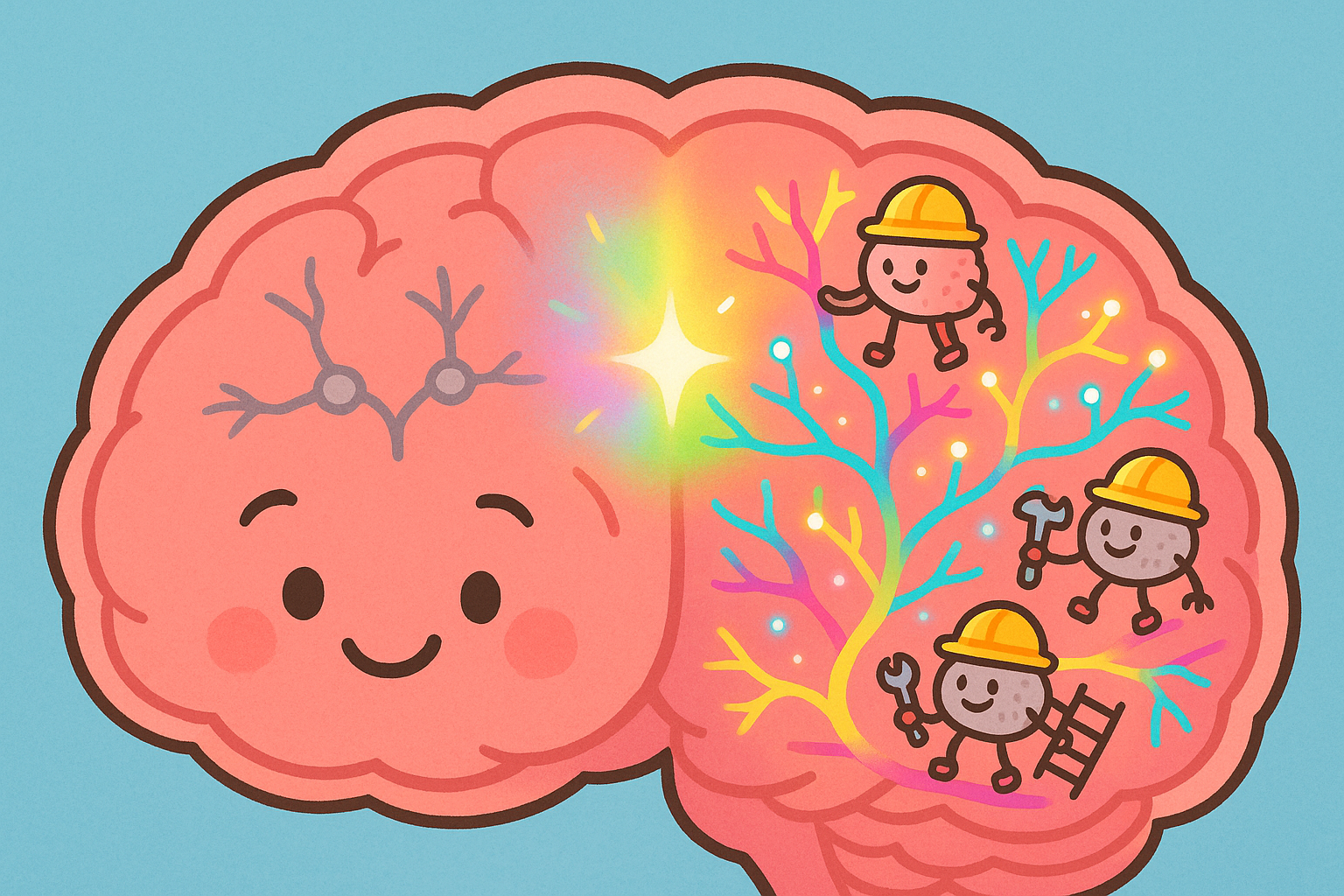
Neuroplasticity (new-roh-plas-TIS-ih-tee) is the brain’s ability to form new connections and rewire itself. Mental illnesses like chronic depression and PTSD are often associated with rigid, repetitive thought patterns and a loss of connections between brain cells.
Research shows that psychedelics can rapidly stimulate neuroplasticity. Animal studies have shown that a single dose of a psychedelic can increase the growth of dendritic spines, which are the tiny branches that connect brain cells. This growth creates a temporary window where the brain is more flexible and open to new ways of thinking.
Quieting the Default Mode Network
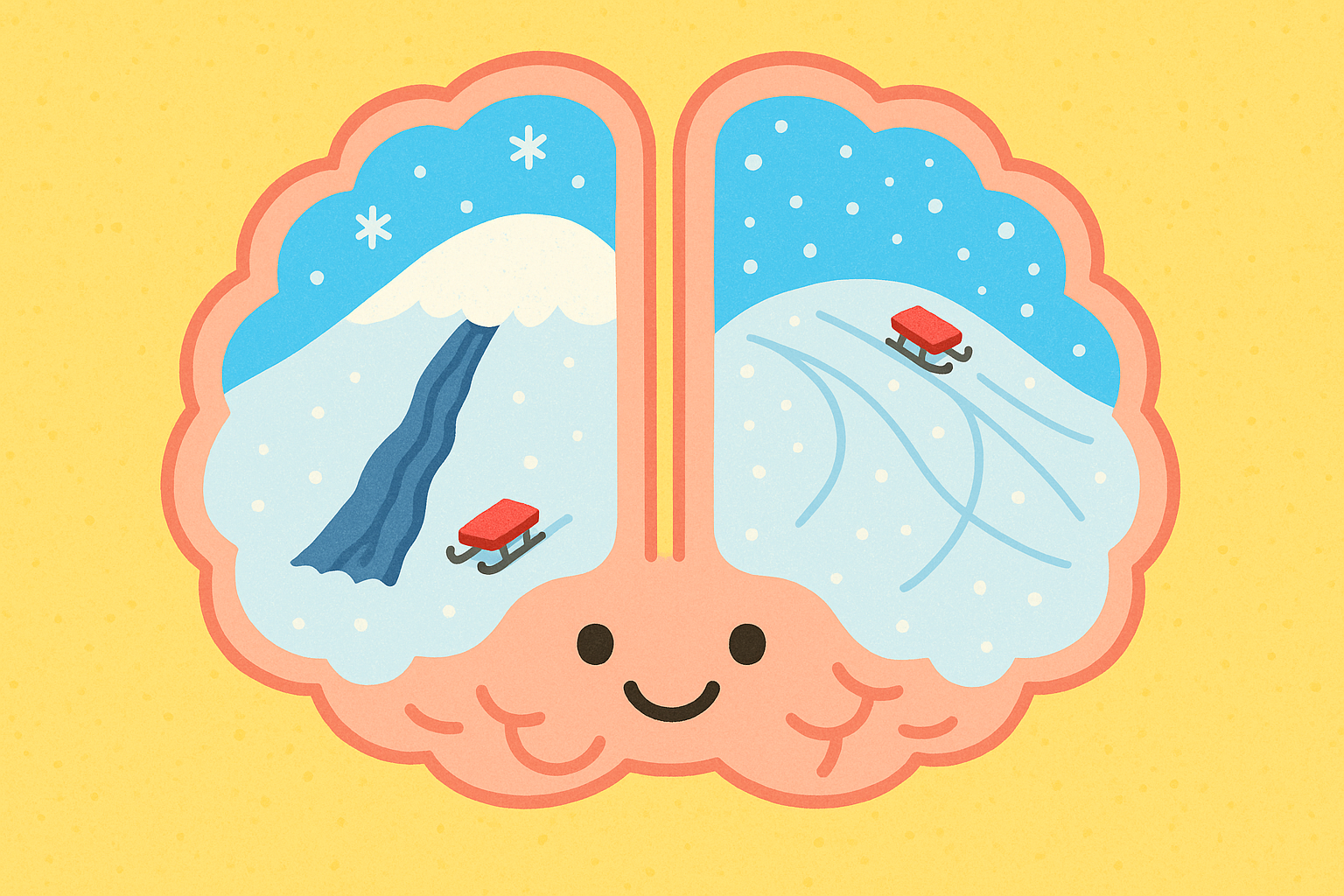
The Default Mode Network (dee-FAULT mode network) is a system of connected brain areas that becomes highly active when we are daydreaming, worrying, or thinking about ourselves. In people with depression or anxiety, this network is often overactive, leading to endless loops of negative self-talk and rumination.
Brain imaging studies show that classical psychedelics temporarily quiet the Default Mode Network. You can think of this network like a sled track in the snow. Over time, the grooves get so deep that the sled gets stuck in the same path every time. Psychedelics act like a fresh layer of snow, allowing the brain to temporarily escape those deep, rigid grooves and form new pathways.
What the Research Shows by Condition
Recent clinical trials have focused on specific mental health conditions where standard daily medications fall short.
Major Depressive Disorder and Treatment-Resistant Depression
Psilocybin has received the most attention for treating depression. A 2024 meta-analysis in Psychiatry research reviewed 126 articles and found that psilocybin had the strongest therapeutic effect on mood disorders among all psychedelics tested.
In a 2023 trial in JAMA, researchers studied 104 adults with major depressive disorder. Patients received a single 25-milligram dose of psilocybin alongside psychological support. The study found a rapid and sustained reduction in depressive symptoms over six weeks compared to a placebo group.
For people whose depression does not respond to standard antidepressants (treatment-resistant depression), the results are also notable. A 2018 study in Psychopharmacology followed 20 patients with severe treatment-resistant depression who received two doses of psilocybin. The researchers found that symptom improvements appeared rapidly and remained significant for a majority of the patients six months later.
Post-Traumatic Stress Disorder (PTSD)
MDMA is the primary psychedelic compound being studied for PTSD. Because MDMA increases the release of oxytocin (a hormone related to social bonding) and reduces activity in the amygdala (the brain’s fear center), it allows patients to process highly traumatic memories without becoming overwhelmed by panic.
A 2025 review in The American journal of psychiatry summarized the results of recent Phase 3 clinical trials. After a course of MDMA-assisted therapy (which includes three drug sessions and multiple non-drug therapy sessions), 67 to 71 percent of individuals no longer met the diagnostic criteria for PTSD. By comparison, only 32 to 48 percent of those receiving a placebo alongside therapy recovered.
Obsessive-Compulsive Disorder (OCD)
Research into psychedelics for OCD is still in its early stages, but early data suggests potential benefits. A 2024 review in The international journal of neuropsychopharmacology notes that patients with OCD often suffer from hyperactive brain circuits that drive repetitive thoughts and behaviors. By disrupting these rigid circuits, psilocybin may help reduce compulsive behaviors.
Related: NAC: The Supplement That Detoxes the Liver and Brain (But Requires Caution)
Anxiety Related to Terminal Illness
Some of the most robust early findings involve using psilocybin to treat severe anxiety and depression in patients facing life-threatening cancer diagnoses. A 2020 summary in The American journal of psychiatry highlighted studies where a single high dose of psilocybin, combined with psychotherapy, led to massive reductions in end-of-life anxiety. For many patients, these benefits lasted for six months or longer.
The Crucial Role of Psychedelic-Assisted Therapy
One of the most common misunderstandings about this research is the idea that the drug alone is the cure. In every rigorous clinical trial, the drug is administered as part of a highly structured psychological intervention called Psychedelic-Assisted Therapy.
This therapy typically involves three phases:
1. Preparation: The patient meets with two trained therapists for several sessions to build trust, discuss their mental health history, and learn what to expect during the drug experience.
2. The Dosing Session: The patient takes the medication in a comfortable, living-room-like clinical setting. They usually wear an eye mask and listen to a curated music playlist. The therapists sit with them for the entire 6 to 8 hours to provide safety and emotional support.
3. Integration: In the days and weeks following the dosing session, the patient meets with the therapists to discuss the thoughts, emotions, and memories that surfaced. This helps the patient apply those insights to their daily life.
Experts emphasize that the drug acts as a catalyst for the therapy, rather than a standalone fix. Taking these substances without psychological support does not yield the same clinical results.
How This Compares To Standard Treatments
Traditional psychiatric medications, like daily SSRI antidepressants, work by maintaining a steady level of neurotransmitters in the brain over time. They often require weeks to take effect and must be taken daily. They can also cause side effects like emotional numbing, weight gain, and sleep disruption.
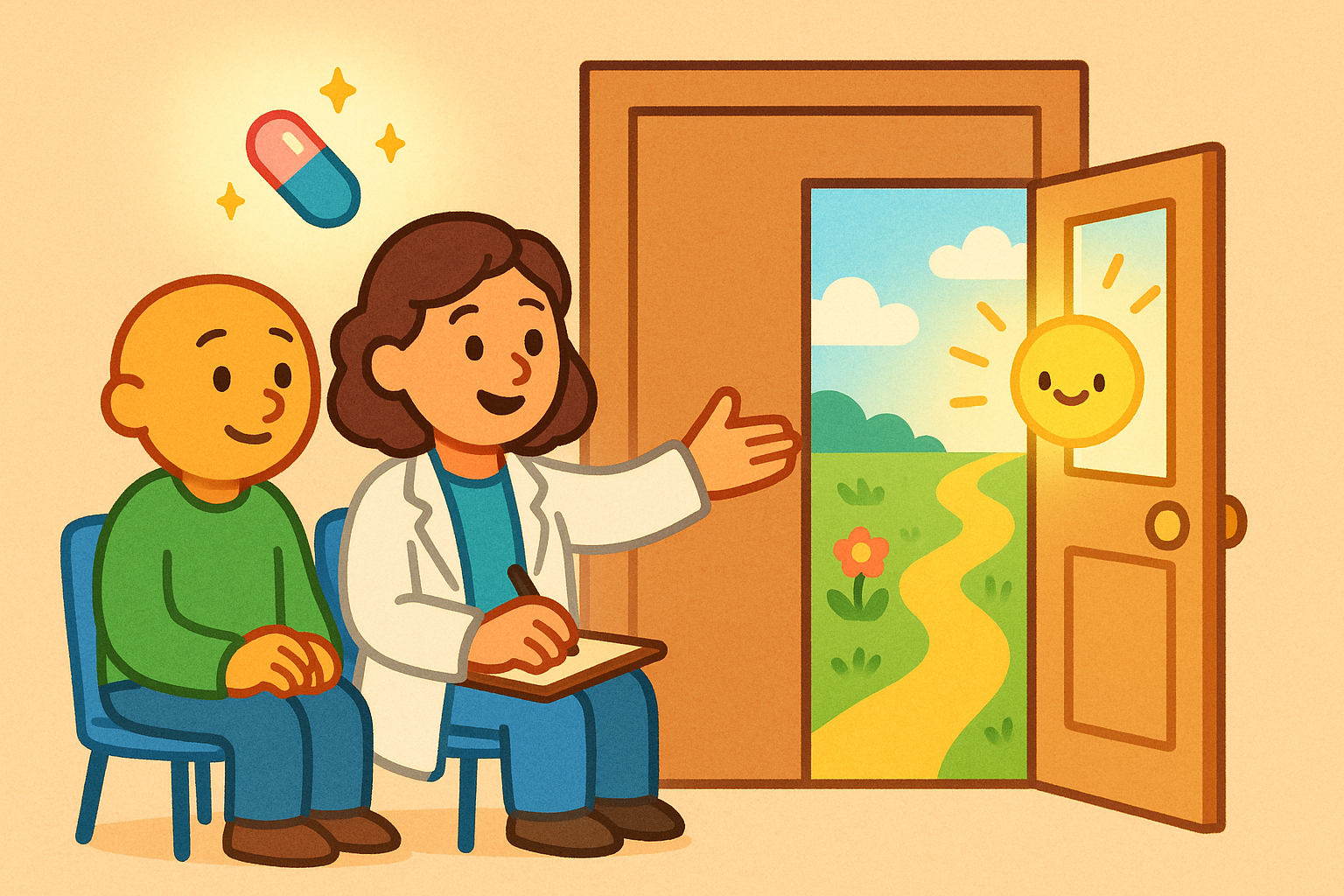
Psychedelic-assisted therapy operates on a different model. The medication is administered only one to three times. The goal is to induce a temporary, profound shift in perspective that allows the patient to address the root causes of their distress.
Related: Ashwagandha: The Ancient Stress-Reliever That Science Is Finally Catching Up With
Comparing Psychedelic Compounds in Clinical Research
| Compound | Primary Target Condition | Typical Number of Doses | Key Mechanism |
|---|---|---|---|
| Psilocybin | Depression, Cancer Anxiety | 1 to 2 | 5-HT2A receptor activation, quiets Default Mode Network |
| MDMA | PTSD | 3 | Increases oxytocin, reduces fear response in the amygdala |
| Ketamine | Treatment-Resistant Depression | 6 (over several weeks) | Blocks NMDA receptors, rapid neuroplasticity |
Who Benefits Most and Who Needs Caution
While psychedelics are showing great promise for people with severe, treatment-resistant conditions, they are not for everyone.
Who is excluded from clinical trials:
- People with psychotic disorders: Individuals with a personal or family history of schizophrenia, bipolar disorder with mania, or other psychotic disorders are strictly excluded from these trials. A 2019 review in Pharmacology & therapeutics notes that psychedelics can trigger or worsen psychotic episodes in vulnerable individuals.
- People with severe heart conditions: Psychedelics and MDMA temporarily raise blood pressure and heart rate. While this is generally safe for healthy adults, it poses a risk to individuals with severe cardiovascular disease.
The risks of unsupervised use:
Clinical trials boast strong safety records because patients are heavily screened, the drug purity is guaranteed, and medical professionals are present. Using these substances in recreational or unsupervised settings carries significant risks. Unsupervised users can experience intense panic, confusion, or dangerous behavior if a “bad trip” occurs without a trained professional present to guide them through it.
Where The Science Is Still Uncertain
Despite the positive data, several major questions remain unanswered in the scientific community.
1. How long do the benefits truly last?
While studies show benefits lasting six months to a year, it is not yet clear if patients will need “booster” sessions years down the line, or if a single course of therapy can provide lifelong relief for chronic conditions.
2. Is the “mystical experience” strictly necessary?
Many patients who respond best to psilocybin report having a profound, spiritual, or “mystical” experience. Scientists are currently debating whether this intense psychological experience is required for healing, or if the biological rewiring of the brain (neuroplasticity) is doing the heavy lifting regardless of what the patient feels.
3. Does microdosing actually work?
“Microdosing” involves taking very small, sub-perceptual amounts of a psychedelic on a regular schedule. While it is a popular trend for boosting mood and creativity, rigorous clinical trials have not yet proven that microdosing is more effective than a placebo. Most of the proven medical benefits come from high-dose, therapy-assisted sessions.
The Bottom Line
Psychedelic-assisted therapy represents a major shift in how we might treat stubborn mental health conditions in the future. Research strongly indicates that compounds like psilocybin and MDMA, when combined with professional psychotherapy, can provide rapid and lasting relief for depression, anxiety, and PTSD.
However, these are powerful substances that carry real psychological risks if used improperly. They are not magic pills that instantly cure trauma. Instead, they appear to temporarily open a window of flexibility in the brain, allowing patients to do the hard psychological work of healing in a safe, supported environment.
As the FDA and other regulatory bodies review the data, we will likely see a slow, highly regulated rollout of these therapies in clinical settings over the coming years.
Quick Reference: Key Studies
| Study Focus | Key Finding | Source |
|---|---|---|
| Psilocybin for Depression | A single 25mg dose of psilocybin with psychological support caused rapid and sustained reduction in depressive symptoms. | PMID 37651119 |
| MDMA for PTSD | Phase 3 trials showed 67-71% of patients no longer met PTSD criteria after MDMA-assisted therapy. | PMID 39741438 |
| Meta-Analysis of Psychedelics | Psilocybin showed the strongest therapeutic effect size for mood disorders among classical psychedelics. | PMID 38574699 |
| Psilocybin for Treatment-Resistant Depression | Symptom improvements appeared rapidly after two sessions and remained significant for most patients 6 months later. | PMID 29119217 |
| Brain Mechanisms | Psychedelics promote structural neuroplasticity and temporarily disintegrate the Default Mode Network. | PMID 36280799 |
Last updated: March 2026
This article synthesizes findings from peer-reviewed research. It is for educational purposes only and does not constitute medical advice. Consult a healthcare provider before starting any new regimen.
Leave a Reply