What Science Actually Says About Meditation and Mindfulness
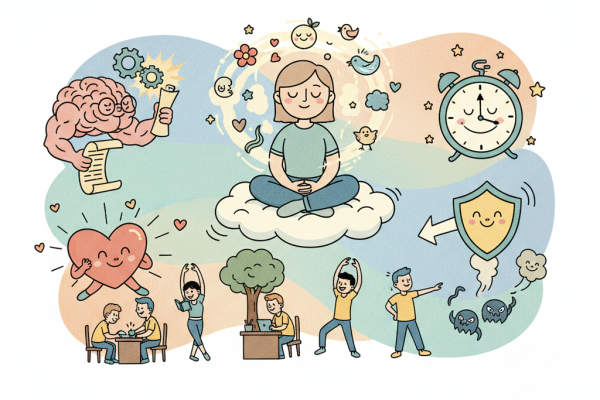
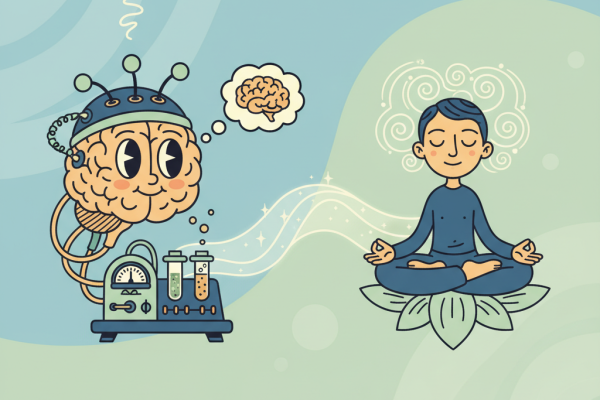
Research shows that meditation and mindfulness can physically change your brain, reduce anxiety, and lower stress hormones. However, science also reveals it is not a magic cure-all.
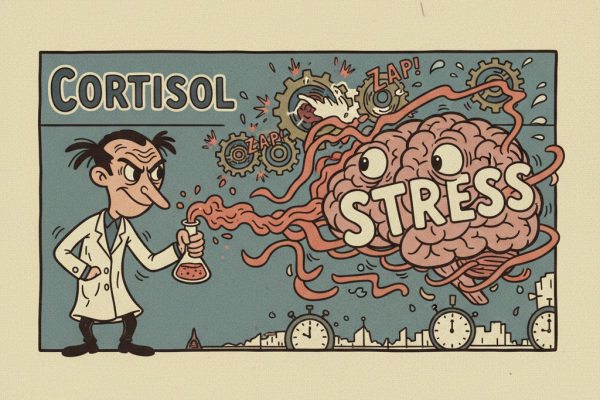
Cortisol is often blamed for making us feel stressed, tired, and unwell. However, new research shows that chronic stress can actually lower your cortisol over time, and that your mindset and relationships physically alter your hormones.
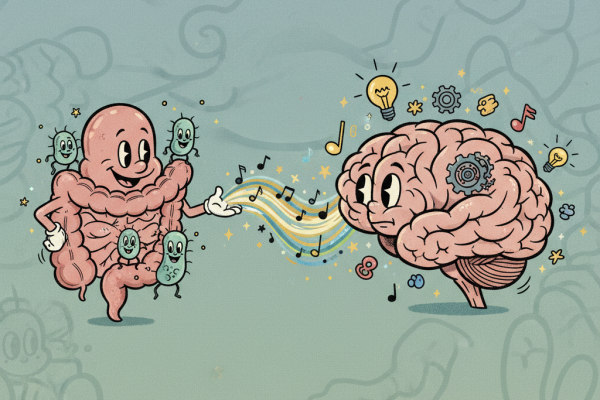
Research reveals a direct communication line between your gut bacteria and your brain. Learn how your microbiome influences mood, stress, and mental health.
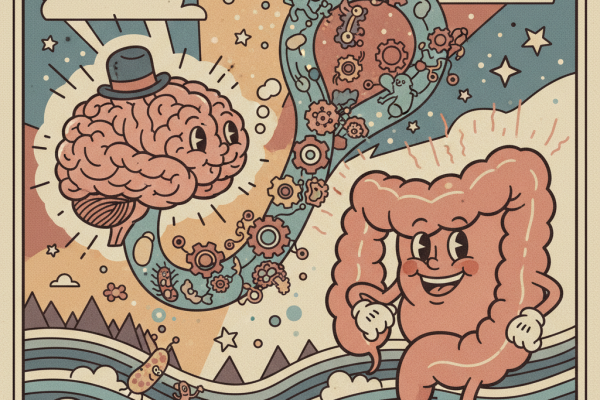
The gut-brain connection is a complex communication network linking your digestive tract and your central nervous system. Discover how your gut microbiome influences mood, memory, and neurological health, and what the latest science says about improving it.
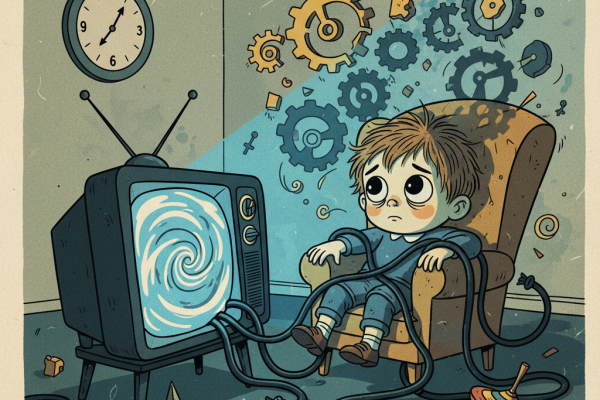
Is screen time actually damaging children's brains? We analyze 15 recent studies covering brain structure, language delays, and mental health to separate the panic from the proof.
NAC is a powerful antioxidant precursor used to treat liver overdose, but new research suggests it may also help with aging and mental health. However, scientists warn that indiscriminate use could carry risks for cancer patients.
Finasteride is a widely used drug for hair loss and enlarged prostate, but a small number of men report persistent sexual, psychological, and metabolic symptoms after stopping it. Recent studies examine genetics, metabolic mechanisms, and FDA reporting data to understand what's behind post-finasteride syndrome.
Once dismissed as recreational drugs, psychedelics like psilocybin and MDMA are showing remarkable promise in clinical trials for depression, PTSD, and anxiety. Learn how these compounds rewire the brain and why psychological support is crucial to their success.
Caring for a loved one with dementia is driven by deep love and duty, but it takes a proven physical and emotional toll. Discover what the latest science says about caregiver stress, sleep disruption, and the support systems that actually help.
Grief is not a straight line. Discover what modern science says about the Dual Process Model, continuing bonds, and why society often ignores certain types of loss.