Imagine your smartphone battery. Usually, a quick charge overnight gets it back to 100 percent. But after years of heavy use and running too many apps at once, the battery degrades. Even if you leave it plugged in all night, it drains rapidly the next day.
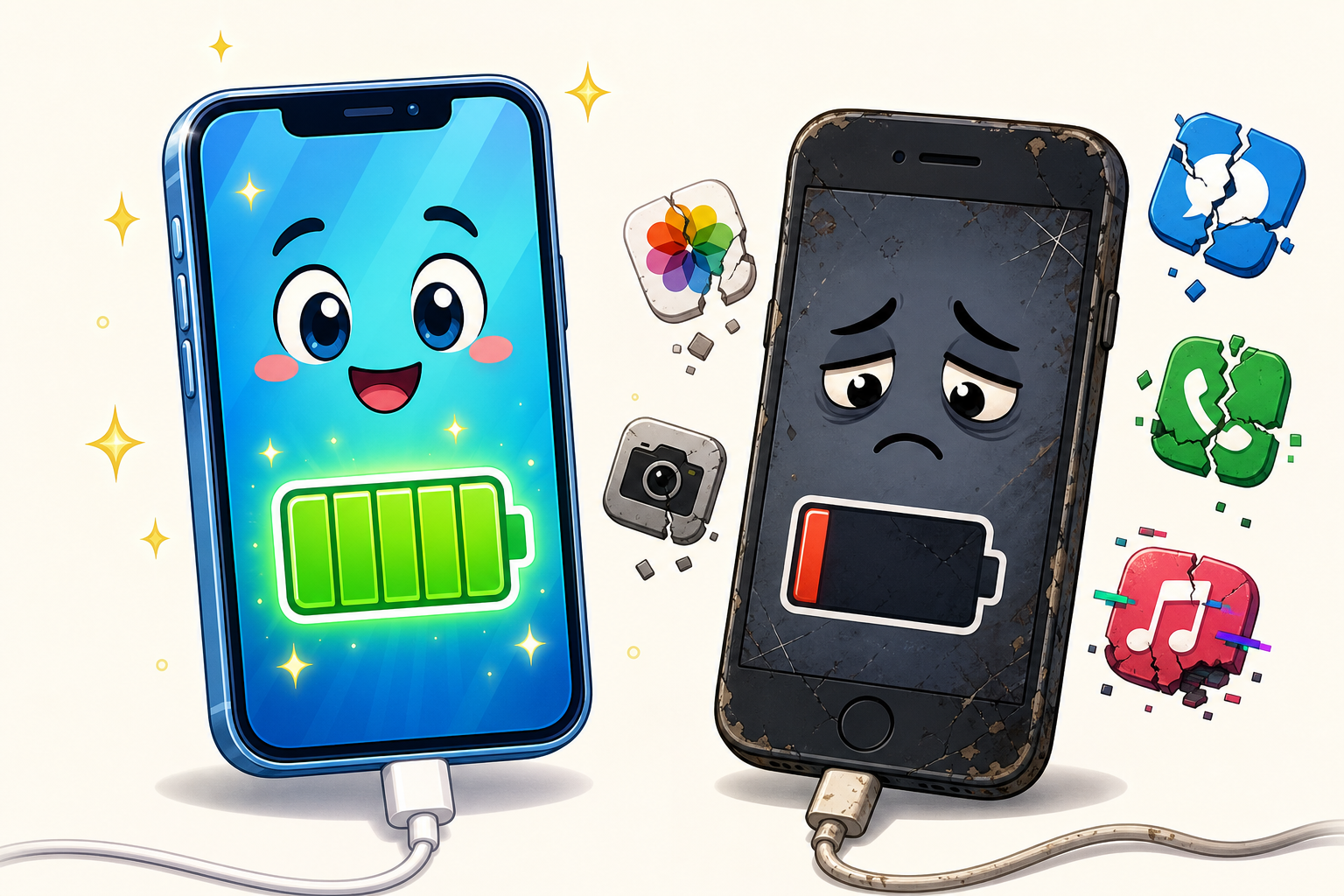
This is a lot like how the human body and brain respond to chronic workplace stress.
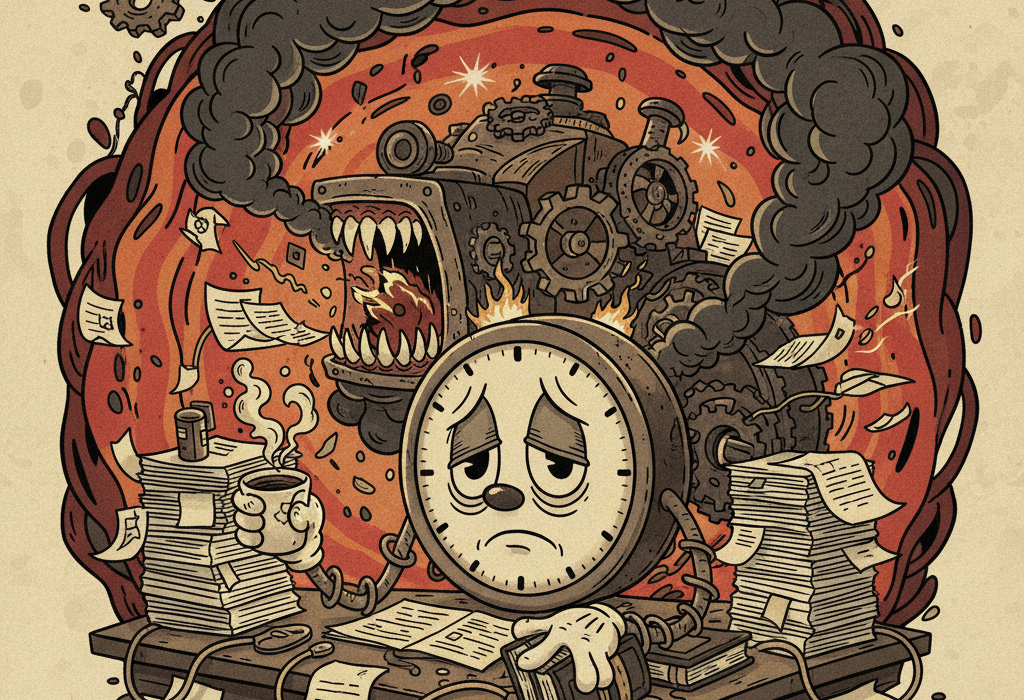
For decades, people thought of burnout as a personal failure to manage stress. However, modern science paints a very different picture. Burnout is a recognized occupational phenomenon. It happens when the demands of a job consistently outweigh the resources provided to handle them.
While burnout can happen in any profession, scientists frequently study healthcare workers, like nurses, doctors, and emergency responders, because their high-stress environments act as a magnifying glass for workplace psychology. By looking at the latest research on these high-pressure jobs, we can understand how burnout happens, who is most at risk, and what science says actually works to fix it.
What Exactly Is Burnout?
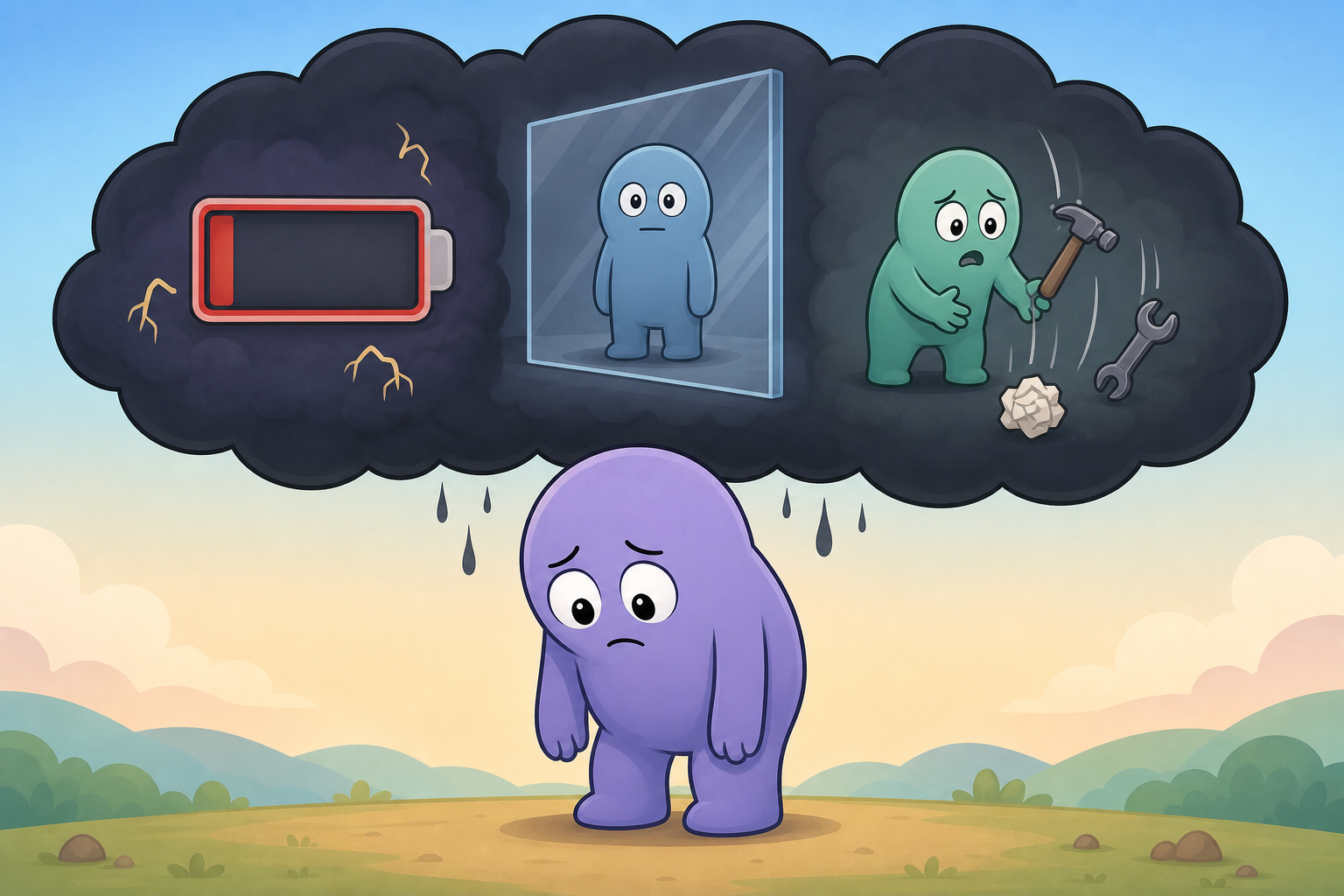
In scientific research, burnout is not just another word for being tired. It is a specific psychological syndrome. When researchers measure burnout, they typically look for three distinct pillars:
1. Emotional exhaustion: Feeling completely drained, depleted, and unable to recover after a shift.
2. Depersonalization (dee-per-sun-al-ih-ZAY-shun) – when a person develops negative, cynical, or detached feelings toward their work or the people they serve.
3. Reduced personal accomplishment: Feeling ineffective, like nothing you do matters or makes a difference.
When these three factors combine, the result is a state of vital exhaustion that impacts every aspect of a person’s life.
What the Research Shows About Workplace Burnout
Recent studies show that burnout is incredibly common, particularly in caregiving and high-stakes professions.
A 2023 global meta-analysis in the Journal of Clinical Nursing reviewed 94 studies covering over 30 countries. The researchers found that 30 percent of nurses globally experience moderate to high levels of burnout, and this trend has steadily increased over the last decade.
The numbers are even higher in specific medical specialties. A 2022 study in JCO Oncology Practice surveyed cancer care physicians in Canada. They found that a staggering 73 percent of these doctors met the criteria for burnout. Similarly, a review in the Journal of Internal Medicine noted that burnout symptoms exceed 50 percent among both practicing physicians and those in training.
Interestingly, this is not just limited to human healthcare. A 2023 study in the Journal of Veterinary Emergency and Critical Care found that veterinary emergency care providers actually report higher emotional exhaustion and depersonalization than human emergency department workers.
The Hidden Drivers of Burnout
While long hours are a factor, research points to workplace environment and social dynamics as the true culprits.
In the study of cancer physicians mentioned above, researchers found that working in a “hectic or chaotic atmosphere” increased the odds of burnout by 15.5 times. It is not just the amount of work, it is the unpredictability and lack of control over that work.
Social encounters also play a massive role. A 2021 study on workplace social encounters explored how civility and incivility from supervisors and coworkers impact employees. The researchers found that workers who experienced frequent incivility (rude, disrespectful, or threatening behavior) were heavily overrepresented in the “burnout” category. Conversely, those in a “civil” profile, where respectful encounters were the norm, were highly engaged and protected from burnout.
Workplace Violence and Discrimination
One of the most alarming drivers of burnout in the research is workplace violence and discrimination.
A systematic review in the International Journal of Environmental Research and Public Health found a strong correlation between burnout symptoms and physical or verbal violence at work. Healthcare workers, who frequently interact with patients and families in high-stress situations, are particularly vulnerable.
The consequences of this violence are severe. A 2022 meta-analysis in the Journal of Nursing Management revealed that nurses exposed to workplace violence had 2.13 times higher odds of developing post-traumatic stress disorder (PTSD) and 2.25 times higher odds of reporting burnout compared to those who did not face violence.
This creates a chain reaction in the brain and body. A 2025 study of community nurses in China mapped out this pathway. They found that workplace violence increases a person’s perceived stress. This elevated stress then plummets their job satisfaction, which ultimately results in clinical burnout.
Discrimination is another major stressor. A 2023 study in JAMA Network Open focused on Asian nurses in the United States. Nearly 75 percent of the respondents reported experiencing job harassment or unfair treatment a few times a year or more. Those who experienced frequent workplace discrimination had 2.67 times higher odds of experiencing burnout.
Similarly, a 2022 review in Anesthesiology Clinics highlighted that LGBTQIA+ medical professionals face unique challenges, including societal and workplace discrimination, which significantly increases their risk for mental health conditions and burnout.
The Danger of Presenteeism
When people burn out, they do not always quit or stay home. Often, they keep showing up to work, but their performance and health suffer. Scientists call this presenteeism.
Presenteeism (prez-en-TEE-iz-um) – the act of showing up to work when you are physically or mentally unwell, resulting in reduced productivity and increased mistakes.
A 2022 study of high-performance Taekwondo coaches examined the relationship between workplace conditions, burnout, and presenteeism. The researchers found that poor workplace conditions directly increased burnout. In turn, higher burnout was strongly linked to higher presenteeism. The coaches were showing up physically, but they were mentally exhausted, which negatively impacted their ability to lead and support their athletes.
Who Is Most at Risk?
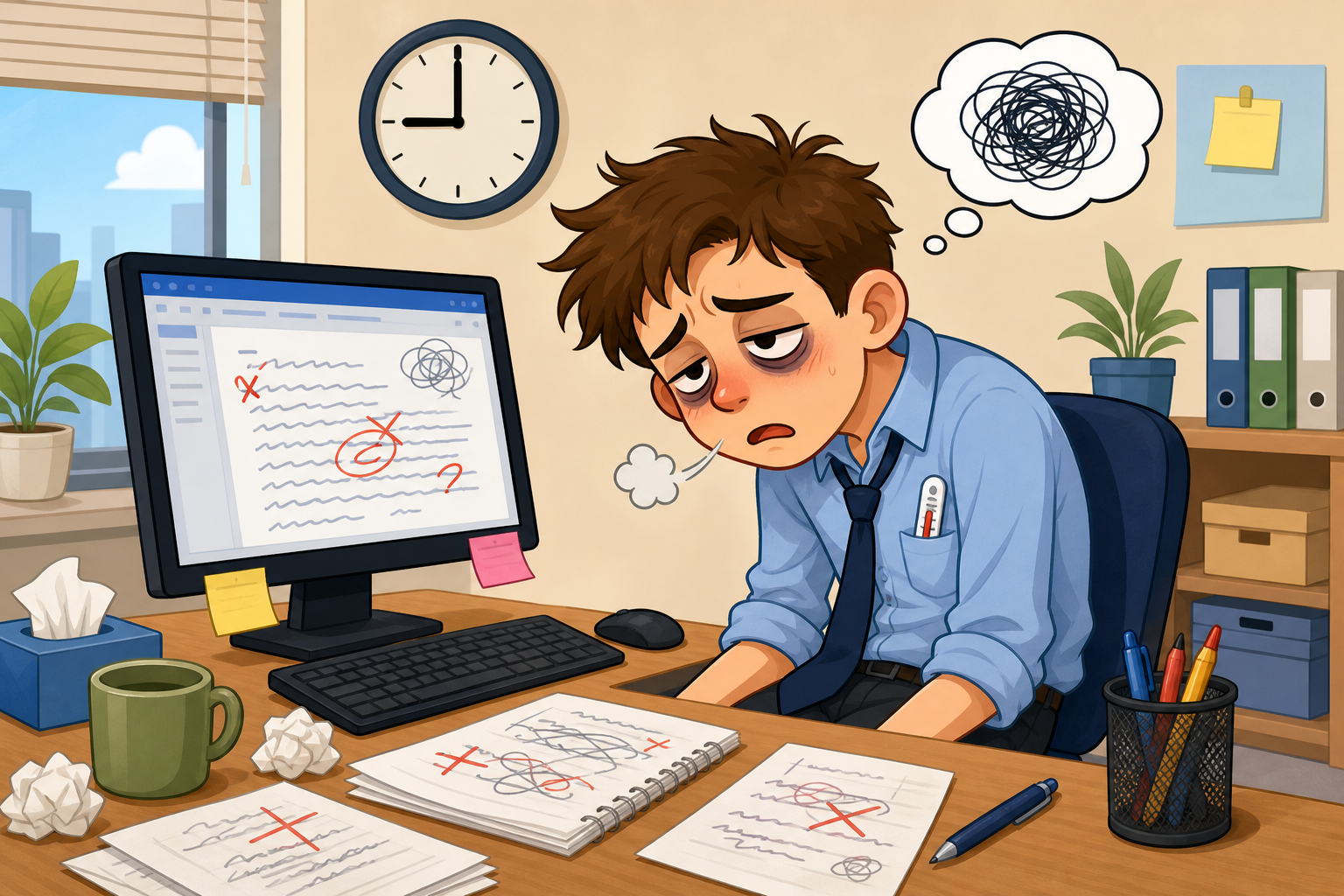
While anyone can experience burnout, the research identifies several groups that face higher risks:
- Younger and less experienced workers: A 2023 study of junior nurses in China found that nurses in their very first year of work experienced the highest levels of stress and burnout. Similarly, a 2024 survey of Australian podiatrists noted that younger practitioners and those more recent to the practice were more likely to burn out.
- Women in high-stress roles: A 2023 study of Emergency Medical Services (EMS) practitioners found that women were significantly more likely to experience both workplace incivility and burnout compared to their male colleagues.
- Workers lacking peer support: Across multiple studies, professionals who reported poor relationships with colleagues or a lack of support from supervisors were at a significantly higher risk for emotional exhaustion.
What Actually Works to Fix It?
Because burnout is a complex problem, fixing it requires a multi-layered approach. A 2023 systematic review in BMJ Open evaluated 33 different workplace interventions designed to improve well-being and reduce burnout. The researchers categorized these solutions into two main groups: individual interventions and organizational interventions.
Individual Interventions
These strategies help individuals manage their stress response and build resilience. The most successful individual interventions in the research included:
- Mindfulness and meditation: Programs ranging from 4 to 12 weeks of mindfulness training consistently reduced emotional exhaustion and perceived stress. Related: What Science Actually Says About Meditation and Mindfulness
- Yoga and physical relaxation: Incorporating movement and breathwork helped workers detach from workplace stressors.
- Gratitude journaling: Taking time to log positive events at work helped shift focus away from chaotic environments, improving overall job satisfaction.
Organizational Interventions
While individual coping skills are helpful, many researchers argue that because burnout is a workplace problem, it requires workplace solutions. Effective organizational changes included:
- Reducing workload: Hiring support staff to handle administrative tasks (like scheduling or paperwork) drastically reduced emotional exhaustion for primary workers.
- Job crafting: Allowing employees to have more autonomy and control over their daily tasks and goals improved their sense of personal accomplishment.
- Peer support networks: Creating structured, formal networks where colleagues can support each other after difficult incidents helped buffer against trauma and stress.
How Psychological Flexibility Helps
One of the most interesting individual traits that protects against burnout is psychological flexibility.
Psychological flexibility (sy-ko-LOJ-ih-kal flek-suh-BIL-ih-tee) – the ability to stay focused on the present moment and adapt your behavior to align with your goals, even when experiencing difficult emotions.
The 2023 study of junior nurses found that nurses with high psychological flexibility were much less likely to burn out. Conversely, those with “cognitive fusion” (getting stuck in negative thought loops) and “experiential avoidance” (trying to avoid or escape unpleasant emotions) experienced the highest levels of burnout.
By learning to accept difficult emotions without letting them dictate behavior, workers can prevent the biological stress response from remaining constantly activated. Related: Cortisol and Stress: What Science Actually Shows About the HPA Axis
Common Questions About Workplace Burnout
Is burnout a recognized medical condition?
The World Health Organization recognizes burnout as an “occupational phenomenon” in its International Classification of Diseases, but it is not classified as a medical or mental health disorder. It is specifically defined in relation to the occupational context.
Can a vacation cure burnout?
While time off can temporarily relieve exhaustion, research shows that if the workplace environment (workload, chaos, incivility) remains unchanged, burnout symptoms usually return shortly after the person goes back to work.
Does workplace bullying actually cause burnout?
Yes. Studies consistently show that workplace bullying and incivility are major drivers of emotional exhaustion. A 2022 study of perioperative nurses found that bullying directly increased burnout and decreased personal resilience.
The Bottom Line
The scientific consensus is clear: burnout is a systemic issue, not just a sign that someone is working too hard. It is driven by chaotic work environments, unmanageable workloads, workplace incivility, and a lack of control.
While individual practices like mindfulness, yoga, and developing psychological flexibility can help workers manage their stress response, these tools are most effective when paired with structural changes. Organizations must take active steps to reduce administrative burdens, foster civil work environments, and protect workers from violence and discrimination. Ultimately, solving burnout requires a shared responsibility between the individual and the workplace.
Quick Reference: Key Studies
| Study Focus | Key Finding | Source |
|---|---|---|
| Global Nursing Burnout | A meta-analysis found a 30% global prevalence of nursing burnout, with rates steadily increasing over the last 10 years. | PMID 37194138 |
| Physician Burnout Drivers | 73% of surveyed cancer physicians reported burnout, with a “hectic or chaotic atmosphere” increasing the odds of burnout by 15.5 times. | PMID 34506217 |
| Workplace Interventions | Mindfulness, workload reduction, and peer support networks successfully reduced burnout across 33 different workplace studies. | PMID 37385740 |
| Violence and PTSD | Nurses exposed to workplace violence had more than double the odds of experiencing PTSD and burnout. | PMID 36122417 |
| Discrimination | Asian nurses facing frequent workplace discrimination had 2.67 times higher odds of experiencing clinical burnout. | PMID 37707818 |
| Psychological Flexibility | Junior nurses with higher psychological flexibility and lower perceived stress were significantly protected against burnout. | PMID 40225672 |
Last updated: July 2026
This article synthesizes findings from peer-reviewed research. It is for educational purposes only and does not constitute medical advice. Consult a healthcare provider before starting any new regimen.
Leave a Reply