
For decades, biology textbooks described bile as a simple digestive fluid. It was compared to dish soap, working to break down the fats in your meals so your body could absorb them. While this is true, recent scientific discoveries have revealed a much more complex story.
Bile acids are actually a sophisticated communication system. They travel between your gut and your organs, sending signals that tell your cells how to manage inflammation, burn energy, and protect the lining of your intestines. However, your body does not do this alone. The bacteria living in your digestive tract actively modify these bile acids, creating new chemical messengers that can either protect your health or promote disease.
Understanding how your gut bacteria and bile acids interact helps explain why certain diets reduce cancer risk, how metabolic diseases develop, and why digestive health is so closely tied to your overall well-being.
How This Might Work: The Encoder-Decoder System
To understand the research, it helps to know how bile acids travel through the body.
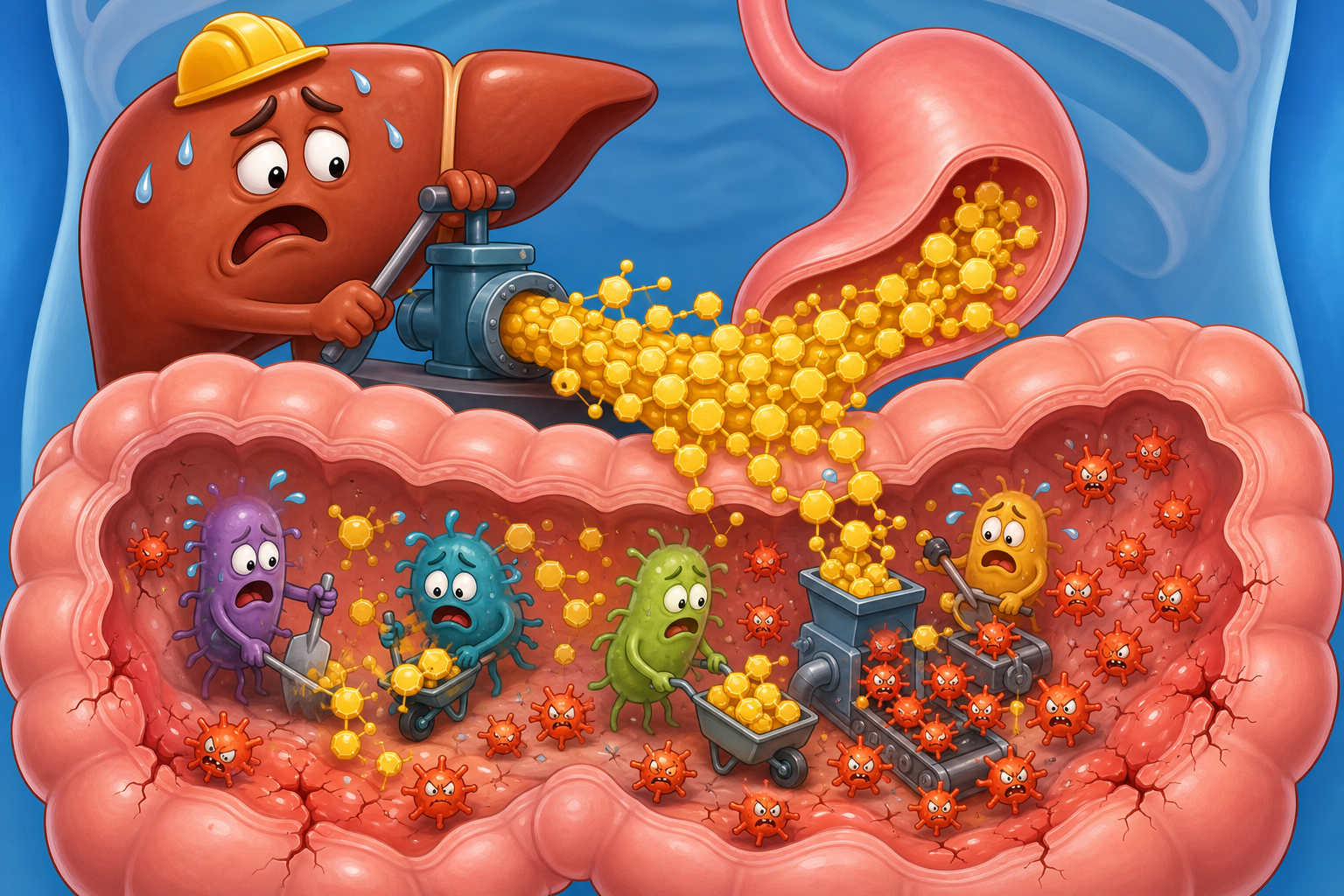
The liver creates Primary bile acids (PRY-mair-ee BY-ul AS-ids) from cholesterol. These acids are stored in the gallbladder and released into the small intestine when you eat a meal containing fat. Once they help digest the fat, most of these primary bile acids are reabsorbed into the bloodstream and sent back to the liver to be used again.
However, about 5 percent of these bile acids escape reabsorption and travel further down into the colon. This is where they meet the Microbiome (my-kroh-BY-ohm), the vast community of bacteria, fungi, and viruses living in your digestive tract.
Gut bacteria use specific enzymes to chemically alter these primary bile acids, transforming them into Secondary bile acids (SEK-un-dair-ee BY-ul AS-ids).
These secondary bile acids act like keys fitting into specific cellular locks. The most well-studied “locks” are receptors located on the cells of your intestines, liver, and immune system. Two of the most important receptors are:

- Farnesoid X receptor (FAR-neh-soyd EX ree-SEP-ter) or FXR: A receptor that regulates bile acid production, controls liver fat, and helps maintain the barrier of the intestine.
- TGR5: A receptor that influences blood sugar regulation, energy burning, and inflammation.
When microbial bile acids bind to these receptors, they trigger widespread physical changes. Scientists sometimes call this an “encoder-decoder” system. The host (you) provides the raw materials, the gut bacteria (the encoders) modify them into specific signals, and your cellular receptors (the decoders) translate those signals into biological actions.
What the Research Shows
Recent advancements in technology have allowed scientists to identify hundreds of different bile acid modifications. This research reveals that the balance of primary and secondary bile acids influences several major health conditions.
Intestinal Healing and Inflammation
Bile acids play a major role in how the gut repairs itself and manages inflammation. This is particularly relevant for people taking common medications or dealing with inflammatory bowel diseases.
A 2024 study in Cell host & microbe examined how frequent aspirin use damages the intestinal lining. The researchers found that aspirin suppresses a specific beneficial gut bacterium called Parabacteroides goldsteinii. When this bacterium is depleted, the gut loses a specific secondary bile acid known as 7-keto-LCA. The study revealed that 7-keto-LCA normally acts on the FXR receptor to promote the self-renewal of intestinal stem cells. When researchers supplemented mice with either the missing bacteria or the 7-keto-LCA bile acid, the intestinal damage caused by aspirin was significantly reduced.
Furthermore, microbial bile acids directly influence immune cells. A 2022 review in Cell host & microbe highlighted how specific secondary bile acids encourage the creation of regulatory T cells. These immune cells are responsible for calming the immune system and preventing it from attacking the body’s own tissues. When the microbiome lacks the diversity to produce these specific bile acids, the immune system can become overactive, contributing to conditions like Crohn’s disease and ulcerative colitis.
Interestingly, this gut-level inflammation can affect the skin. A 2018 review in Clinics in dermatology proposed that conditions like psoriasis are heavily influenced by a disrupted gut barrier. When the gut leaks bacterial toxins into the bloodstream, it triggers systemic inflammation. The review noted that oral bile acid supplements have historically been used to help break down these toxins in the gut, suggesting a strong link between bile acid health and skin conditions. Related: What Science Actually Says About Leaky Gut and Your Health
Metabolic Health and Obesity
The way your gut bacteria process bile acids also impacts how your body stores fat and manages blood sugar.
A 2024 study in Gut microbes looked at the gut microbiomes of children with obesity. The researchers found a strong correlation between obesity and high levels of a bacterium called Prevotella copri. When they transplanted this bacterium into mice fed a high-fat diet, the mice experienced increased fasting blood sugar and higher insulin resistance. The researchers noted that this bacterium altered the bile acid pool, specifically increasing primary bile acids while decreasing the abundance of Akkermansia, a bacterium generally associated with metabolic health.
Conversely, a healthy balance of secondary bile acids can improve metabolism. A 2021 review in Gut explained that when secondary bile acids activate the TGR5 receptor, it prompts the intestines to release GLP-1. This is a hormone that stimulates insulin production and signals fullness to the brain. If the gut microbiome is severely disrupted by a poor diet or antibiotics, this bile acid signaling fails, making weight gain and blood sugar imbalances more likely.
Colorectal Cancer Risk and Dietary Disparities
One of the most heavily researched areas of bile acid science is its connection to colorectal cancer. While secondary bile acids are necessary for health, an overabundance of highly hydrophobic (water-repelling) secondary bile acids can be toxic to colon cells.
A 2022 study in mSystems explored how the neighborhood food environment drives colorectal cancer disparities, particularly in African American communities. The researchers detailed how a “Western” diet, which is high in animal fats and low in fiber, causes the liver to pump out excessive amounts of primary bile acids to digest the fat.
Gut bacteria then convert this massive influx of primary bile acids into high concentrations of two specific secondary bile acids: deoxycholic acid (DCA) and lithocholic acid (LCA). At high, concentrated levels, DCA and LCA cause oxidative stress and DNA damage to the cells lining the colon, creating an environment that promotes tumor growth.
Comparing Bile Acid Types
| Type of Bile Acid | Where It Is Made | Primary Function | Potential Risks When Unbalanced |
|---|---|---|---|
| Primary (e.g., Cholic acid) | Liver | Digests dietary fats, absorbs fat-soluble vitamins | High levels can indicate poor bacterial conversion and impact metabolic signaling. |
| Secondary (e.g., UDCA, 7-keto-LCA) | Gut (by bacteria) | Signals immune cells, regulates gut barrier, controls blood sugar | Lack of these limits gut healing and immune regulation. |
| Hydrophobic Secondary (e.g., DCA, LCA) | Gut (by bacteria) | Natural byproduct of fat digestion | High concentrations from high-fat, low-fiber diets can damage colon DNA and increase cancer risk. |
Practical Guidance: How Diet Shapes Your Bile Acids
Because your gut bacteria dictate what happens to your bile acids, your diet is the most effective tool for managing this system. The food you eat determines both how much bile your liver produces and which bacteria thrive in your gut.
Increase Dietary Fiber
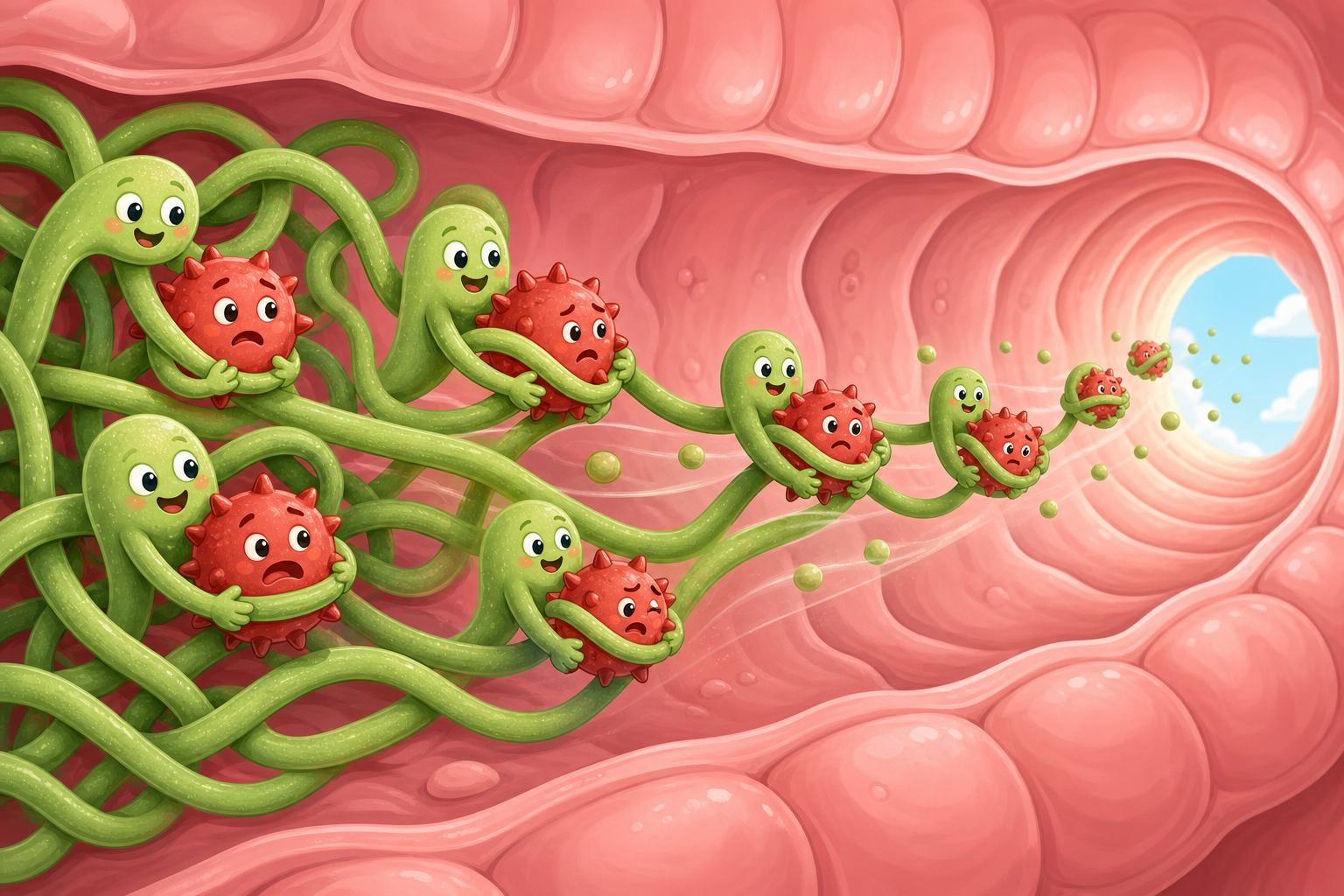
Fiber does more than keep digestion moving. Insoluble fiber binds to excessive bile acids in the colon, diluting them and safely carrying them out of the body in stool. This prevents toxic concentrations of DCA and LCA from sitting against the colon wall. Furthermore, fermentable fiber feeds the bacteria that maintain a healthy, balanced bile acid pool.
Adopt a Mediterranean-Style Diet
A 2020 study in Gut followed over 600 older adults across five European countries for a year. Those who strictly followed a Mediterranean diet tailored for aging (the NU-AGE diet) saw significant positive changes in their gut microbiomes. The diet reduced the production of toxic secondary bile acids and increased the production of beneficial short-chain fatty acids. These microbial changes were directly linked to lower frailty and reduced markers of systemic inflammation. Related: How an Anti-Inflammatory Diet Actually Affects Your Body
Consume Adequate Calcium
Research notes that dietary calcium can bind to toxic secondary bile acids in the digestive tract, forming harmless compounds that are excreted from the body. This is one mechanism by which adequate calcium intake is thought to protect the colon lining.
Limit Excess Animal Fats and Fried Foods
High intake of saturated animal fats and oils used for deep frying forces the liver to secrete massive amounts of bile. This floods the colon, giving bacteria too much raw material and leading to an overproduction of the DNA-damaging bile acids associated with cancer risk.
Common Questions About Bile Acids and Gut Health
Does taking antibiotics affect my bile acids?
Yes. Antibiotics can wipe out the specific strains of bacteria responsible for converting primary bile acids into secondary bile acids. Studies show that after antibiotic use, the colon is often flooded with unprocessed primary bile acids, which can disrupt metabolic signaling and digestion until the microbiome recovers. Related: Probiotics and Gut Health: What the Science Actually Shows
Can I just take a bile acid supplement?
Certain bile acids, like UDCA (ursodeoxycholic acid), are FDA-approved medications used to treat specific liver and gallbladder diseases. However, for general health, science suggests it is better to feed your existing gut bacteria a high-fiber diet so they can naturally balance the diverse pool of bile acids your body needs.
Why do high-protein diets sometimes cause digestive issues?
Diets heavily reliant on animal protein and fat often lack the fiber needed to bind and remove excess bile acids. Additionally, certain amino acids in meat contain sulfur, which can alter how bacteria process bile acids, sometimes leading to the production of hydrogen sulfide gas, which can irritate the gut lining.
The Bottom Line
Bile acids are far more than simple digestive juices. They are complex chemical messengers that constantly communicate with your immune system, your metabolism, and your intestinal lining.
What we know for sure is that the gut microbiome is entirely responsible for converting liver-produced bile into these vital signaling molecules. A diverse microbiome creates a healthy balance of bile acids that protect the gut and regulate blood sugar. We also know that diets high in fat and low in fiber cause an overproduction of specific bile acids that can damage colon cells and increase cancer risk.
What remains uncertain is exactly how to manipulate specific bacteria to produce custom bile acid profiles for individual diseases. While scientists are actively developing targeted therapies, the most reliable, evidence-based way to maintain a healthy bile acid pool today is through a varied diet rich in plant fibers, which naturally dilutes toxic bile acids and feeds beneficial bacteria.
Quick Reference: Key Studies
| Study Focus | Key Finding | Source |
|---|---|---|
| Aspirin and Intestinal Damage | Aspirin depletes a gut bacterium that makes 7-keto-LCA, a bile acid needed for intestinal repair. Replacing it heals the gut. | PMID 38237593 |
| Childhood Obesity and Metabolism | The bacterium Prevotella copri alters bile acids and is linked to higher blood sugar and insulin resistance in obesity models. | PMID 38626129 |
| Colorectal Cancer Disparities | Western diets increase toxic secondary bile acids (DCA, LCA) that damage colon DNA. Fiber and calcium help neutralize this risk. | PMID 35103491 |
| Mediterranean Diet and Aging | A 1-year Mediterranean diet intervention favorably altered the microbiome, reducing frailty and toxic secondary bile acid production. | PMID 32066625 |
| Immune System Regulation | Specific microbial bile acids (like isoalloLCA) promote regulatory T cells, which calm inflammation and protect against bowel diseases. | PMID 35271802 |
| Metabolic Disorders | Gut microbiota-derived metabolites, including bile acids, regulate host metabolism via FXR and TGR5 receptors, impacting obesity and diabetes. | PMID 35105664 |
Last updated: May 2026
This article synthesizes findings from peer-reviewed research. It is for educational purposes only and does not constitute medical advice. Consult a healthcare provider before starting any new regimen.


Leave a Reply