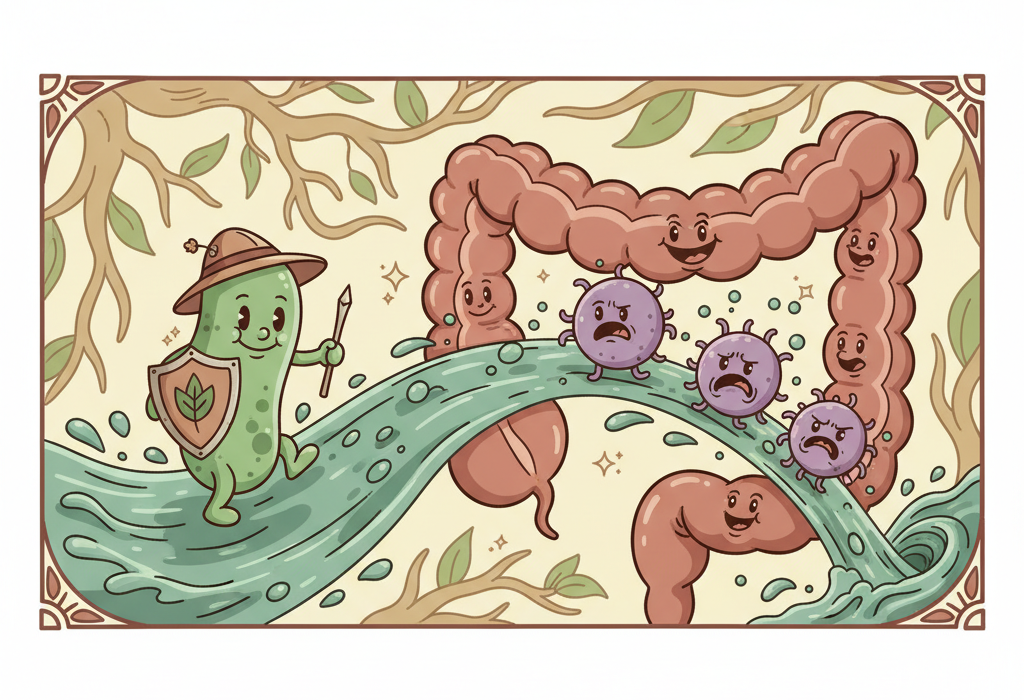
Your digestive tract is home to trillions of invisible residents. This bustling community of bacteria, viruses, and fungi is known as your gut microbiome. In recent years, gut health has become a massive trend, with store shelves packed with probiotic supplements, yogurts, and drinks.
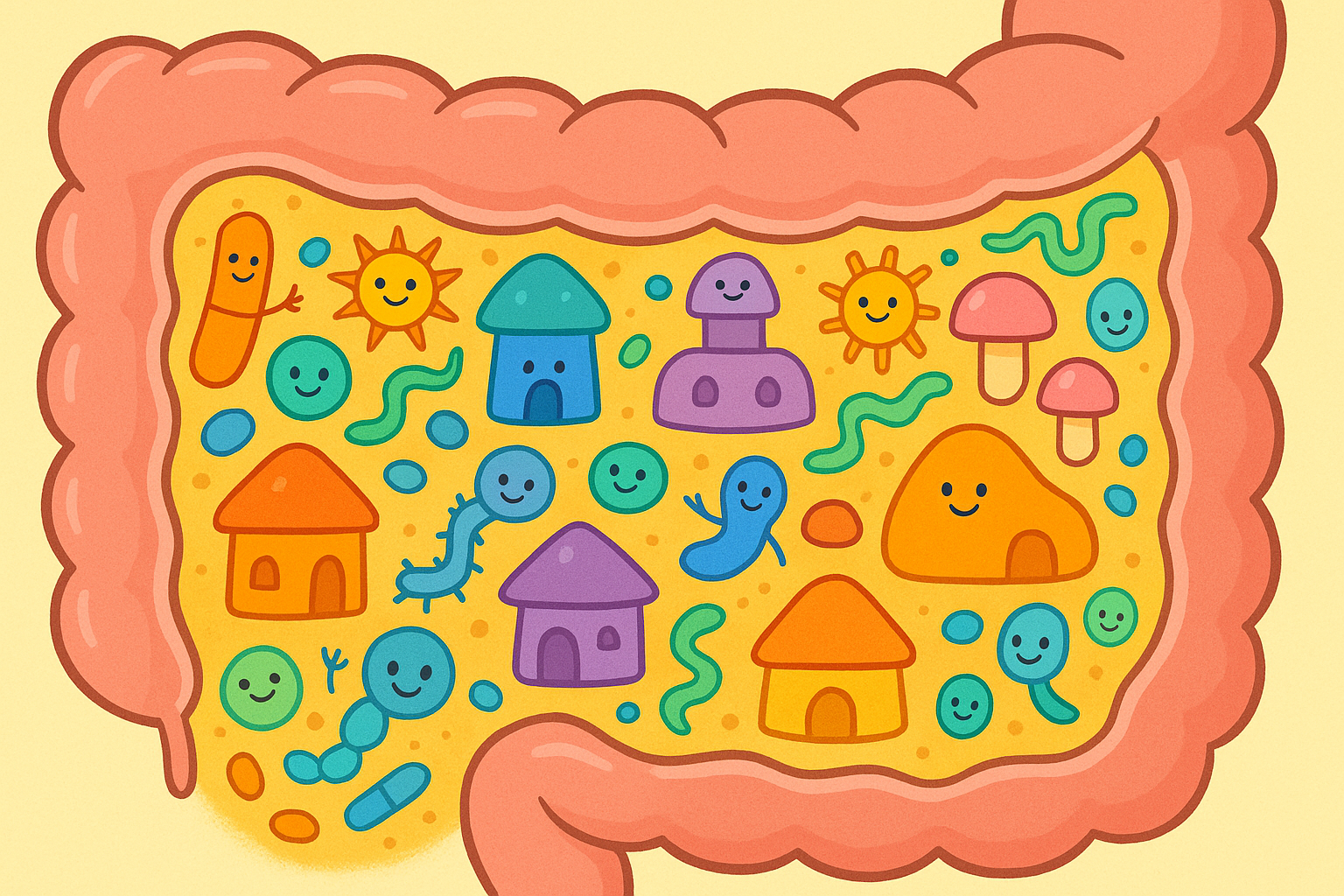
But what does the science actually say about probiotics and gut health? Are they truly necessary, or just a wellness fad?
Research shows that the bacteria in your gut do much more than help you digest food. They act like a hidden organ, influencing everything from your immune system to your skin and heart. This article breaks down what peer-reviewed research actually shows about your gut microbiome, how probiotics work, and what it takes to maintain a healthy digestive system.
What Defines a Healthy Gut Microbiome?
Scientists have spent the last decade trying to figure out exactly what a “healthy” gut looks like. According to a 2024 review in Gut, there is no single perfect combination of bacteria. Your microbiome is as unique as your fingerprint.
However, researchers have identified a few key markers of good gut health:
- Diversity: A healthy gut contains a wide variety of different bacterial species. High microbial diversity makes your gut more resilient to stress, infections, and antibiotics.
- Balance: A healthy gut maintains a balance between helpful bacteria and potentially harmful ones. When this balance is lost, it results in dysbiosis (dis-bye-OH-sis), which is an imbalance in the types and numbers of bacteria in your gut.
- Barrier Integrity: Your gut lining acts as a security gate, letting nutrients into your bloodstream while keeping toxins out. Good bacteria help keep this barrier strong.
- Metabolite Production: The most important measure of a healthy gut is not just which bacteria are present, but what they produce.
When healthy gut bacteria ferment the fiber from your diet, they produce short-chain fatty acids (SCFAs) (short-CHAYN FAT-ee AS-ids). These beneficial molecules provide energy for the cells lining your colon, reduce inflammation, and help regulate your metabolism.

Related: What Science Actually Says About the Health Benefits of Probiotics
Probiotics, Prebiotics, and How They Work
To understand how to support your gut, it helps to know the vocabulary.
Probiotics (pro-bye-AHT-iks) are live microorganisms that provide a health benefit when consumed in adequate amounts. You can find them in fermented foods or dietary supplements.
Prebiotics (pree-bye-AHT-iks) are the food for these bacteria. They are typically non-digestible carbohydrates and fibers found in plants. As a 2016 review in Gut explains, feeding your existing bacteria with prebiotics is often just as important as taking probiotic supplements.
The Challenge of Stomach Acid
One of the biggest hurdles for probiotic supplements is survival. To do their job, these live bacteria must survive the harsh, highly acidic environment of your stomach to reach your intestines.

A 2025 study in Biotechnology advances highlights that many commercial probiotic formulations suffer from poor efficacy because the bacteria die before they reach the gut. To solve this, scientists are developing “smart encapsulation” strategies. By wrapping probiotics in protective biopolymer coatings, researchers can help the bacteria survive stomach acid and successfully attach to the intestinal lining.
Does Gut Health Affect the Rest of Your Body?
The influence of your gut microbiome extends far beyond your stomach. Scientific research has uncovered several “axes” or communication pathways between the gut and other major organs.
Heart Health and Blood Vessels
Your gut bacteria can directly influence your cardiovascular system. A 2021 review in Molecules explains that certain gut bacteria produce a compound called TMAO after you eat foods high in saturated fat. High levels of TMAO in the blood are linked to a higher risk of heart disease.
On the flip side, beneficial gut bacteria produce SCFAs that help lower inflammation and protect blood vessels. The same review notes that specific probiotic strains, such as certain Lactobacillus and Bifidobacterium species, have been shown to help lower total cholesterol and reduce oxidative stress in the body.
Liver and Kidney Function
The liver receives 70% of its blood supply directly from the intestines. If the gut barrier is weak, toxins can leak into the bloodstream and travel straight to the liver. A 2010 study in the World journal of gastroenterology suggests that probiotics can help liver health by strengthening the gut barrier. This prevents endotoxins (en-doh-TOK-sins), which are harmful molecules from the outer walls of certain bacteria, from leaking into the liver and causing low-grade inflammation.
Similarly, the kidneys are affected by gut health. A 2020 study in Gut found that in patients with chronic kidney disease, an aberrant gut microbiome produces “uremic toxins.” These toxins accumulate in the blood and worsen kidney damage. In animal models, introducing a specific probiotic (Bifidobacterium animalis) helped reduce these toxins and slowed the progression of the disease.
The Gut-Skin Axis
If you have ever noticed your skin breaking out after a week of poor eating, your gut might be to blame. A 2023 review in Nutrients outlines the “gut-skin axis.”
When the gut is inflamed, it can trigger systemic inflammation that shows up on the skin as acne, eczema, or premature aging. Research shows that oral probiotics can help improve skin hydration, reduce water loss through the skin, and even protect against UV-induced collagen damage by lowering overall inflammation.
Related: The Science of Your Skin Microbiome: How Invisible Bacteria Protect You
Exercise and Athletic Performance
Physical activity and gut health share a two-way relationship. A 2024 review in Nutrients details how moderate aerobic exercise actually increases the diversity of your gut bacteria and boosts the production of beneficial SCFAs.
Interestingly, the gut microbiome can also improve athletic performance. A 2020 study in Nutrients found that athletes often have distinct microbiome profiles compared to sedentary people. For example, specific bacteria thrive on the lactic acid produced by muscles during intense exercise. In return, these bacteria produce metabolites that help improve the athlete’s endurance. Furthermore, probiotic supplementation in athletes has been linked to fewer gastrointestinal disturbances during intense training and a lower risk of upper respiratory infections.
How Gut Health Begins: Early Life and Breast Milk
Gut health begins on day one. A 2017 review in Microbiology and molecular biology reviews explains that infants are rapidly colonized by microbes immediately following birth.
Human breast milk plays a critical role in this process. While breast milk provides essential vitamins and fats, it also contains its own unique microbiome. Furthermore, breast milk is packed with Human Milk Oligosaccharides (HMOs). As a 2020 study in Nutrients details, these HMOs are entirely indigestible by the infant. Their sole purpose is to act as a prebiotic, feeding specific beneficial bacteria (like Bifidobacterium infantis) in the baby’s gut. This early colonization helps train the infant’s immune system and protects against harmful pathogens.
Who Benefits Most From Probiotics?
While general gut health is important for everyone, specific populations may see targeted benefits from medical guidance regarding their microbiome.
- People with Inflammatory Bowel Disease (IBD): Patients with conditions like Ulcerative Colitis and Crohn’s disease have chronic inflammation of the digestive tract. According to 2019 consensus guidelines from the British Society of Gastroenterology, managing these conditions requires careful medical intervention to achieve “mucosal healing.” While probiotics alone do not cure IBD, managing the microbiome is a key area of ongoing research for reducing symptom flares.
- Athletes: Endurance athletes who suffer from “leaky gut” or stomach distress during long events may benefit from specific probiotic strains to strengthen their intestinal barrier.
- People Taking Antibiotics: Antibiotics can wipe out both good and bad bacteria. Probiotics are sometimes recommended to help restore microbial diversity after a course of antibiotics.
Note: Individuals with severely compromised immune systems should always consult a doctor before taking live probiotic supplements, as introducing live bacteria can pose a risk of infection.
Common Misunderstandings About Probiotics
Myth: All probiotics do the same thing.
Science shows that probiotic benefits are highly strain-specific. A strain of Lactobacillus that helps with digestion might do nothing for skin health. As noted in the 2024 Gut review, under the same microbial species, different strains can have vastly different functions.
Myth: A higher CFU count is always better.
CFU stands for Colony Forming Units, which tells you how many live bacteria are in a dose. While a higher number sounds better, the survival of the bacteria through stomach acid (encapsulation) and the specific strain used are much more important than the raw CFU count.
Myth: Probiotics can replace a bad diet.
You cannot out-supplement a diet lacking in fiber. If you take a probiotic but do not eat prebiotics (fiber from plants) to feed them, the beneficial bacteria will struggle to survive and colonize your gut.
Practical Guidance for Gut Health
Based on the current scientific consensus, supporting your gut microbiome involves a mix of diet and lifestyle choices:
1. Eat a Diverse Range of Plants: Microbial diversity comes from dietary diversity. Aim to eat a wide variety of fruits, vegetables, legumes, and whole grains to provide different prebiotic fibers.
2. Include Polyphenols: Compounds found in berries, dark chocolate, and green tea are broken down by gut bacteria and help promote a healthy microbial profile.
3. Exercise Regularly: Moderate cardiovascular exercise has been shown to independently increase beneficial gut bacteria.
4. Choose Supplements Wisely: If you choose to take a probiotic, look for products that specify the exact strain (e.g., Lactobacillus rhamnosus GG) and use encapsulation technology to protect the bacteria from stomach acid.
The Bottom Line
The gut microbiome is a complex, highly active ecosystem that influences nearly every system in the human body. Research clearly shows that a diverse, balanced gut microbiome helps regulate the immune system, protect the liver and kidneys, support heart health, and even improve athletic endurance.
While probiotic supplements can offer specific benefits, they are not magic pills. The most effective way to support your gut health is through a consistent foundation of regular exercise and a varied diet rich in prebiotic fibers that feed your body’s natural microbial residents.
Quick Reference: Key Studies
| Study Focus | Key Finding | Source |
|---|---|---|
| Defining Gut Health | A healthy gut is defined by microbial diversity, barrier integrity, and the production of beneficial short-chain fatty acids (SCFAs). | PMID 39322314 |
| Diet and the Microbiome | Probiotics, prebiotics, and plant polyphenols all play distinct roles in shaping a healthy gut microbiome and preventing metabolic diseases. | PMID 26338727 |
| Gut-Skin Axis | Probiotics can help reduce skin inflammation, improve hydration, and protect against UV-induced skin aging. | PMID 37513540 |
| Exercise and Gut Bacteria | Moderate exercise increases beneficial gut bacteria, while specific microbes can actually help improve athletic endurance. | PMID 39519496 |
| Kidney Health | An imbalanced gut microbiome produces uremic toxins that worsen kidney disease, which can be mitigated by specific probiotics. | PMID 32241904 |
| Infant Gut Health | Human breast milk contains complex sugars (HMOs) that act as prebiotics to build the infant’s immune system and gut microbiome. | PMID 32283875 |
| Heart Health | Gut bacteria influence cardiovascular risk by producing TMAO from dietary fats, while probiotics can help lower cholesterol and inflammation. | PMID 33671813 |
| Probiotic Survival | Encapsulation technologies are necessary for many probiotic supplements to survive stomach acid and reach the intestines alive. | PMID 40562254 |
Last updated: May 2026
This article synthesizes findings from peer-reviewed research. It is for educational purposes only and does not constitute medical advice. Consult a healthcare provider before starting any new regimen.
Leave a Reply