The Microscopic World Inside You
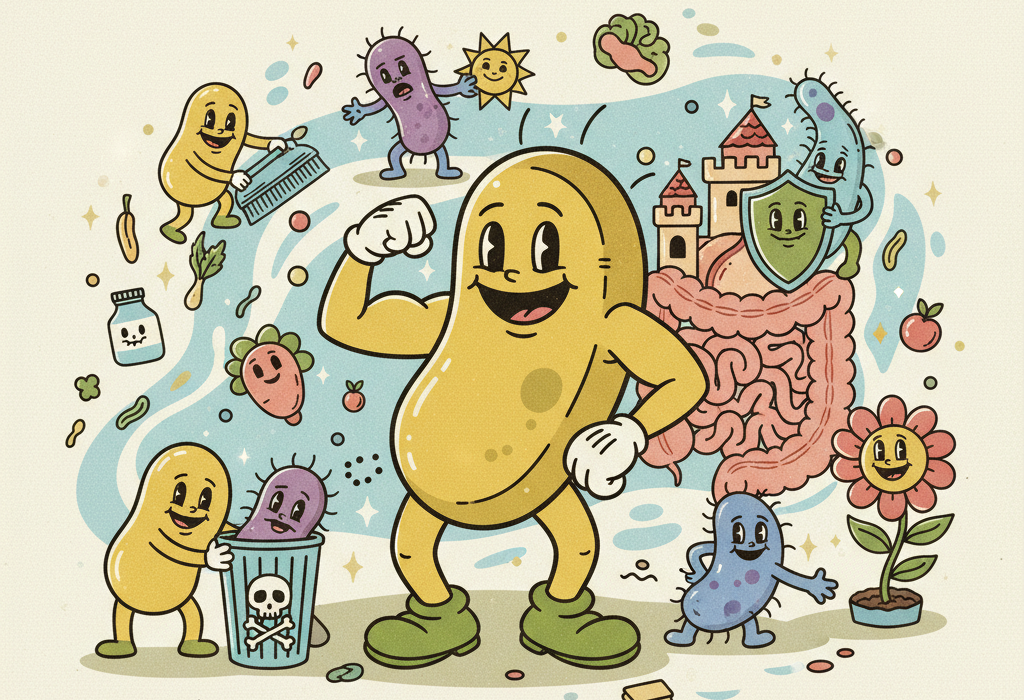
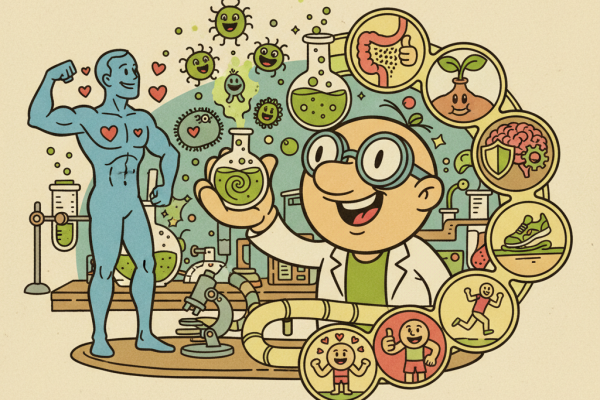
Your digestive tract is home to trillions of microorganisms. This bustling community of bacteria, fungi, and viruses is known as your Microbiome (my-kroh-BY-ohm) – the collection of all microbes that naturally live inside your body. When this ecosystem is balanced, it helps you digest food, fight off infections, and even regulate your mood.
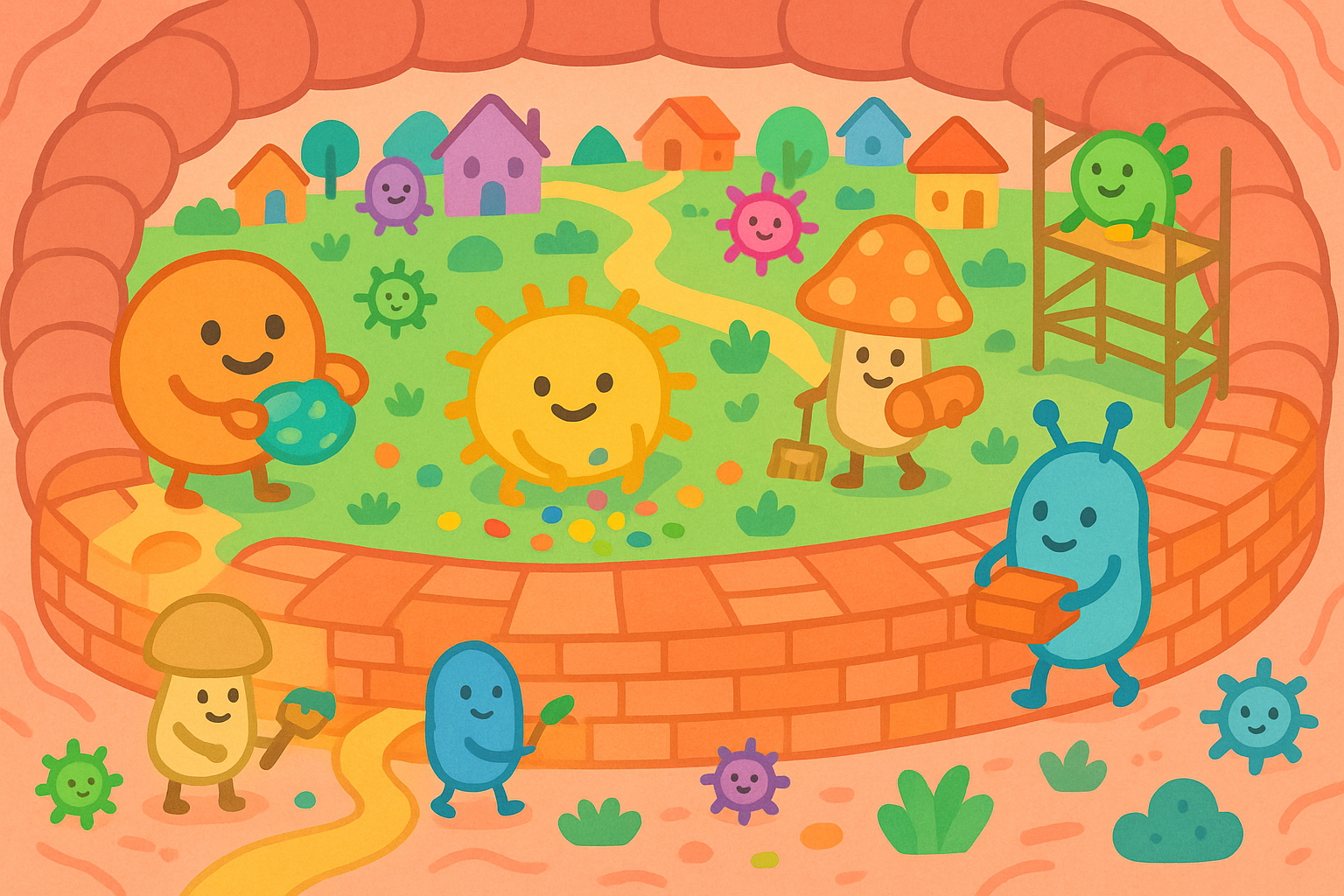
However, poor diet, stress, illness, and antibiotics can disrupt this delicate balance. This disruption is called Dysbiosis (dis-by-OH-sis) – an imbalance in your gut bacteria that is linked to a variety of health issues, from digestive discomfort to metabolic diseases.
To help restore this balance, many people turn to probiotics. The World Health Organization defines probiotics as live microorganisms that provide a health benefit to the host when consumed in adequate amounts. But with so many supplements and fermented foods on the market, it can be hard to separate marketing hype from actual science.
This article breaks down what decades of peer-reviewed research actually say about probiotics, how they work, and who might benefit from them.
How Probiotics Actually Work
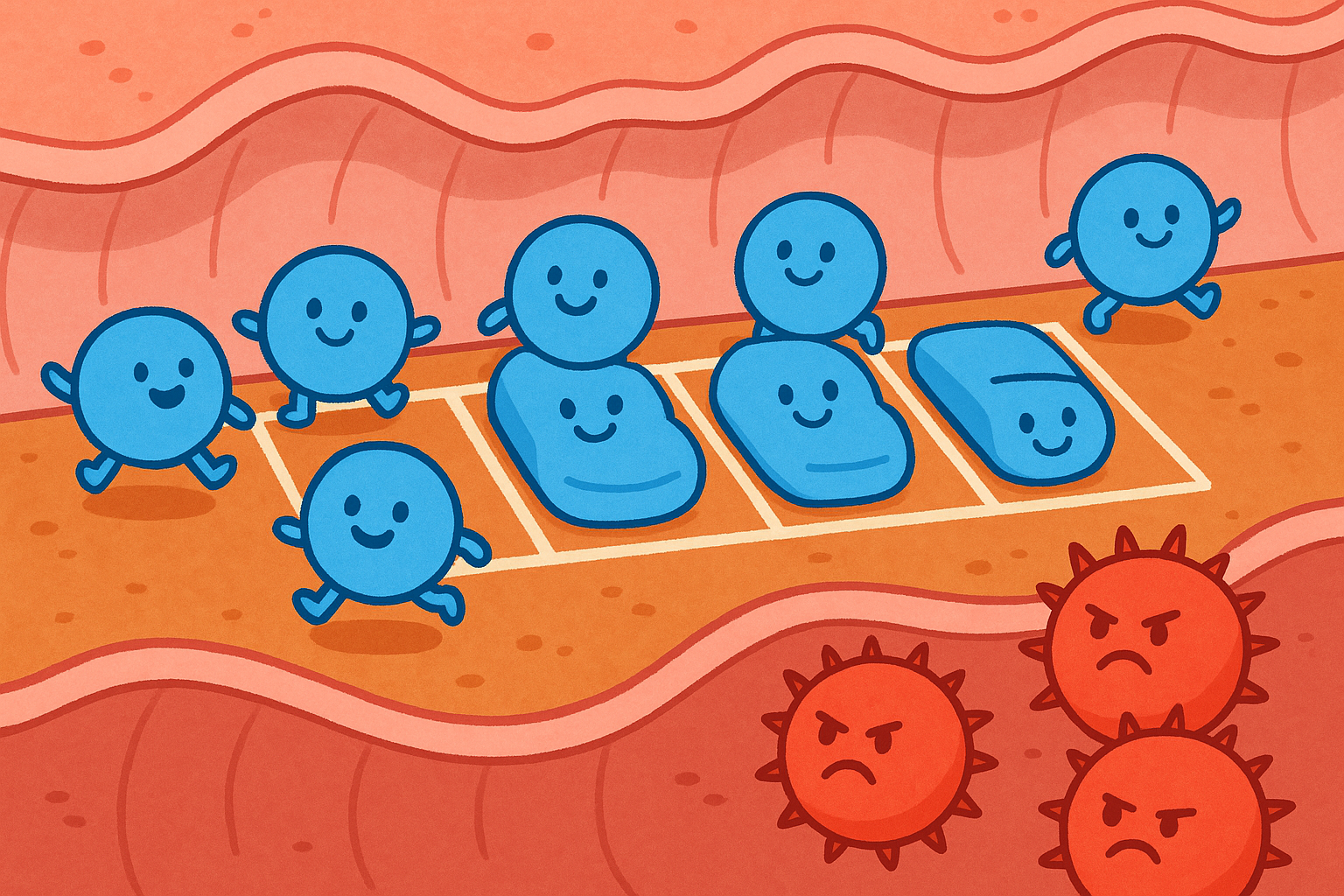
To understand how probiotics help us, it helps to think of your gut lining as a highly exclusive nightclub parking lot.
There are only so many parking spaces available along your intestinal walls. When you consume probiotics, these beneficial bacteria rush in and take up the empty parking spaces. By physically occupying this space, they prevent harmful, disease-causing bacteria from finding a place to attach and multiply. Scientists call this process “competitive exclusion.”
A 2012 review in Annals of Nutrition & Metabolism highlights several ways probiotics protect your body:
- Strengthening the gut wall: Your intestinal lining is a barrier that keeps harmful substances out of your bloodstream. Probiotics help tighten the junctions between the cells in this barrier, preventing leaks.
- Producing antimicrobial weapons: Good bacteria secrete Bacteriocins (bak-TEER-ee-oh-sins) – natural antibacterial compounds that directly attack and destroy harmful pathogens.
- Changing the local environment: Probiotics produce organic acids, like lactic acid and acetic acid. This lowers the pH of your gut, creating an acidic environment where bad bacteria struggle to survive.
- Talking to your immune system: Roughly 70% of your immune system is located in your gut. Probiotics interact with specialized immune receptors to calm unnecessary inflammation and boost defenses against infections.
What the Research Shows About Probiotics
Research into probiotics has exploded over the last two decades. While they are not a magic cure-all, strong evidence supports their use for several specific health conditions.
Digestive Health and Diarrhea
The most well-established use for probiotics is managing digestive distress, particularly diarrhea. When you take antibiotics to treat an infection, the medication often wipes out your good gut bacteria along with the bad. This can lead to severe antibiotic-associated diarrhea.
A 2014 review in Medecine et Maladies Infectieuses found that certain probiotic strains, particularly Lactobacillus GG and the beneficial yeast Saccharomyces boulardii, are highly effective at preventing antibiotic-associated diarrhea. They are also useful in reducing the duration of acute infectious diarrhea in children.
Heart Health and Cholesterol
Emerging research suggests that the bacteria in your gut play a surprisingly large role in your cardiovascular health.
A 2021 study in Molecules explains that certain probiotic strains can help lower cholesterol. They do this by producing an enzyme that breaks down bile acids in the gut. Because your body needs cholesterol to make new bile acids, breaking them down forces your liver to pull cholesterol out of your bloodstream, effectively lowering your overall cholesterol levels.
Additionally, a 2024 review in Nutrients noted that probiotics can help lower total cholesterol and “bad” LDL cholesterol, though they do not seem to have a major impact on “good” HDL cholesterol. While the results are promising, researchers note that the cholesterol-lowering effects are moderate and should complement, not replace, standard medical treatments.
The Gut-Brain Connection and Mood
One of the most fascinating areas of recent study is the gut-brain axis. Your gut and your brain are in constant communication via the vagus nerve.
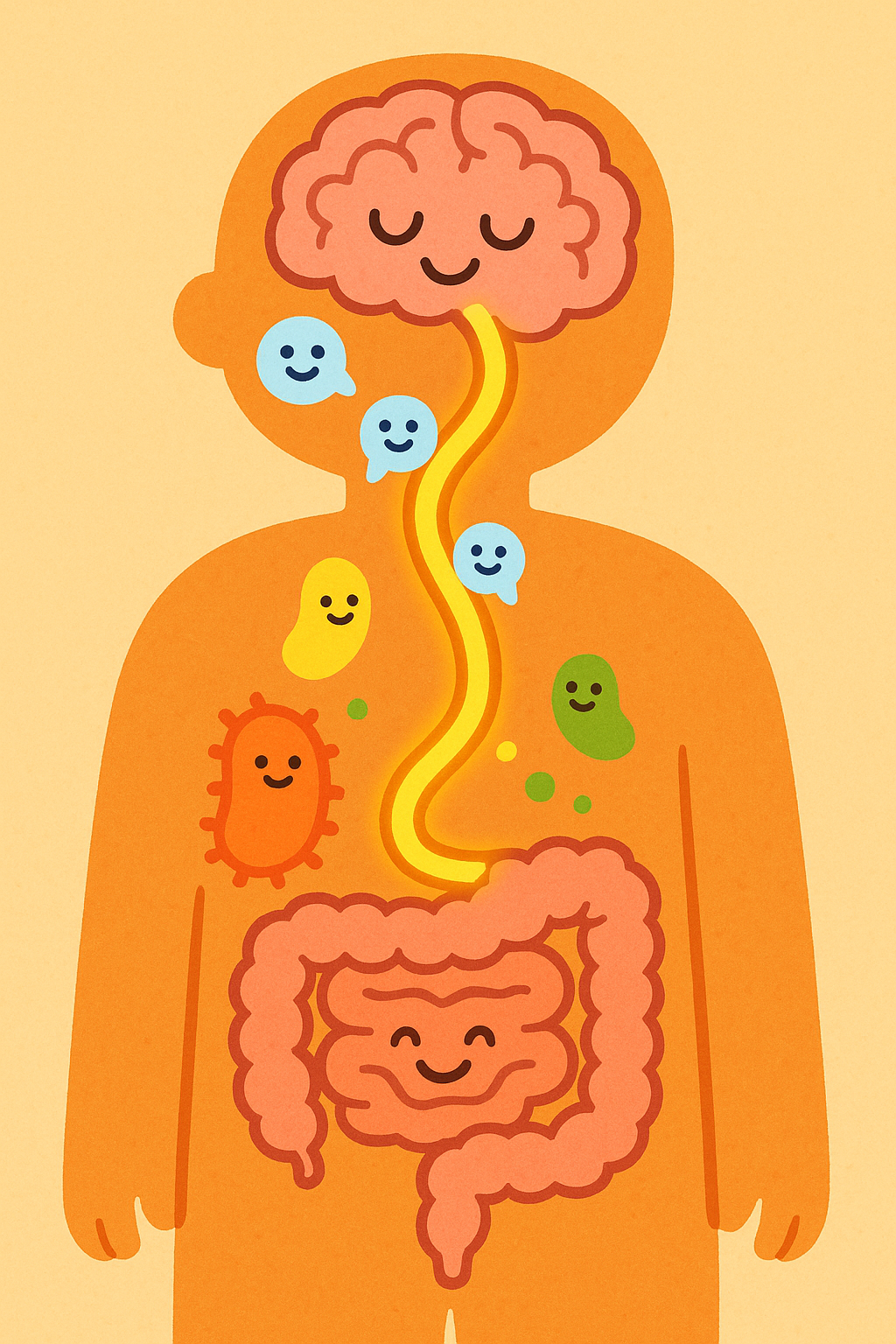
Scientists have identified a specific class of probiotics known as “psychobiotics.” A 2016 review in Trends in Neurosciences explored how these specific bacteria can influence brain chemistry. Gut bacteria produce several neurotransmitters, including GABA, serotonin, and dopamine.
In human trials, healthy volunteers who took a specific combination of Lactobacillus and Bifidobacterium for 30 days reported significant declines in negative mood and psychological distress. They also showed lower levels of cortisol, the body’s primary stress hormone. Can Gut Bacteria Improve Your Mood? The Science of Psychobiotics
Women’s Health
Probiotics play a crucial role in maintaining the vaginal microbiome, which is naturally dominated by Lactobacillus species. These bacteria produce lactic acid, keeping the environment too acidic for harmful yeast and bacteria to thrive.
A 2024 review in the Taiwanese Journal of Obstetrics & Gynecology found that probiotic supplementation can help prevent and manage bacterial vaginosis and yeast infections. Furthermore, during pregnancy, specific probiotics may help reduce the risk of gestational diabetes and postpartum mastitis.
Athletic Performance and Recovery
Intense physical training puts a lot of stress on the body, which can temporarily weaken the immune system and cause “leaky gut” symptoms during heavy exertion.
The International Society of Sports Nutrition published a 2019 position stand on probiotics. They concluded that while probiotics do not directly make you run faster or lift heavier weights, they do keep athletes healthier. Specific strains were shown to significantly reduce the number, severity, and duration of upper respiratory tract infections (like the common cold) in athletes. By keeping athletes from getting sick, probiotics indirectly allow for more consistent training.
Common Misunderstandings About Probiotics
Because the wellness industry heavily markets probiotics, several myths have clouded what the science actually says.
Myth 1: All fermented foods are reliable probiotics
Foods like kimchi, kefir, and yogurt are incredibly healthy. A 2014 study on kimchi showed it contains high levels of lactic acid bacteria that offer antioxidant and anti-inflammatory benefits. Similarly, milk kefir has been linked to improved lactose tolerance and antibacterial effects.
However, not all fermented foods qualify as clinical probiotics. To be a true probiotic, a product must contain a specific, identified strain of bacteria that has been proven in human studies to provide a health benefit, and it must contain enough living bacteria to survive the journey through your stomach acid.
Myth 2: Bacteria must be alive to be useful
For decades, scientists believed probiotics had to be alive to work. Recent science has proven this false.
A 2020 study in the Journal of Microbiology and Biotechnology highlighted the benefits of “paraprobiotics” (inactivated or dead probiotics). Even when bacteria are killed by heat, their cell walls and internal components still interact with your immune system. Research from 2019 confirms that heat-killed probiotics can still provide immune-boosting and anti-inflammatory benefits, offering a safer alternative for people who cannot take live bacteria.
Myth 3: Any probiotic will fix any gut issue
Probiotic benefits are highly strain-specific. Saying “I take probiotics for my health” is like saying “I take pills for my health.” The effect depends entirely on the specific pill. A strain of Lactobacillus that helps prevent diarrhea will not necessarily help with anxiety or cholesterol.
Understanding the “Biotics” Family
The terminology around gut health is expanding. Here is a quick guide based on a 2023 review in Molecules:
| Term | What It Is | How It Works | Example |
|---|---|---|---|
| Prebiotics | Non-digestible plant fibers | Acts as food/fertilizer for your existing good bacteria. | Garlic, onions, oats, inulin |
| Probiotics | Live, beneficial microorganisms | Adds temporary reinforcements to your gut workforce. | Specific strains in supplements |
| Synbiotics | A combination product | Combines prebiotics and probiotics so the bacteria arrive with their own food source. | High-quality gut supplements |
| Postbiotics | Bacterial byproducts | The beneficial compounds (like short-chain fatty acids) that bacteria produce after eating prebiotics. | Butyrate, acetate |
Who Benefits Or Needs Caution
Who benefits most:
- People currently taking or recently finished with a course of antibiotics.
- Travelers looking to prevent infectious diarrhea.
- Athletes undergoing rigorous training programs who are prone to respiratory infections.
- Individuals with mild irritable bowel syndrome (IBS) or lactose intolerance.
Who should be careful:
While probiotics are overwhelmingly safe for the general public, they carry risks for specific groups. According to a 2023 review on probiotic safety, live probiotics should be avoided by people who are severely immunocompromised, critically ill in the ICU, or premature infants. In these vulnerable populations, live bacteria can occasionally cross the weakened gut barrier and cause systemic infections.
The Bottom Line
The science supporting probiotics is vast and growing. We know with high confidence that specific strains can prevent antibiotic-associated diarrhea, reduce respiratory infections in athletes, and support the vaginal microbiome. We have moderate confidence that they can help manage cholesterol, improve mood, and support skin health.
However, the research is clear that probiotics are not a one-size-fits-all remedy. Their effects are highly dependent on the specific bacterial strain, the dose, and the individual’s existing gut microbiome. Eating a diverse diet rich in fiber (prebiotics) remains the most reliable way to support your long-term gut health, while targeted probiotic supplements can be used as specific tools for specific health goals.
Quick Reference: Key Studies
| Study Focus | Key Finding | Source |
|---|---|---|
| General Health Benefits | PPSPs (pre/pro/syn/postbiotics) improve immunity, lower cholesterol, and reduce inflammation. | PMID 39599742 |
| Athletic Performance | Probiotics reduce the frequency and severity of respiratory infections in athletes and aid in recovery. | PMID 31864419 |
| Psychobiotics (Mood) | Specific gut bacteria can influence brain chemistry, lowering cortisol and reducing anxiety/depression markers. | PMID 27793434 |
| Heart Health | Gut microbiota influences cholesterol and blood pressure via short-chain fatty acids and bile acid metabolism. | PMID 33671813 |
| Dead Probiotics | Heat-killed (tyndallized) probiotics still offer immune benefits and are safer for vulnerable populations. | PMID 31126033 |
| Women’s Health | Probiotics help manage bacterial vaginosis, yeast infections, and certain pregnancy complications. | PMID 38216265 |
Last updated: April 2026
This article synthesizes findings from peer-reviewed research. It is for educational purposes only and does not constitute medical advice. Consult a healthcare provider before starting any new regimen.
Leave a Reply