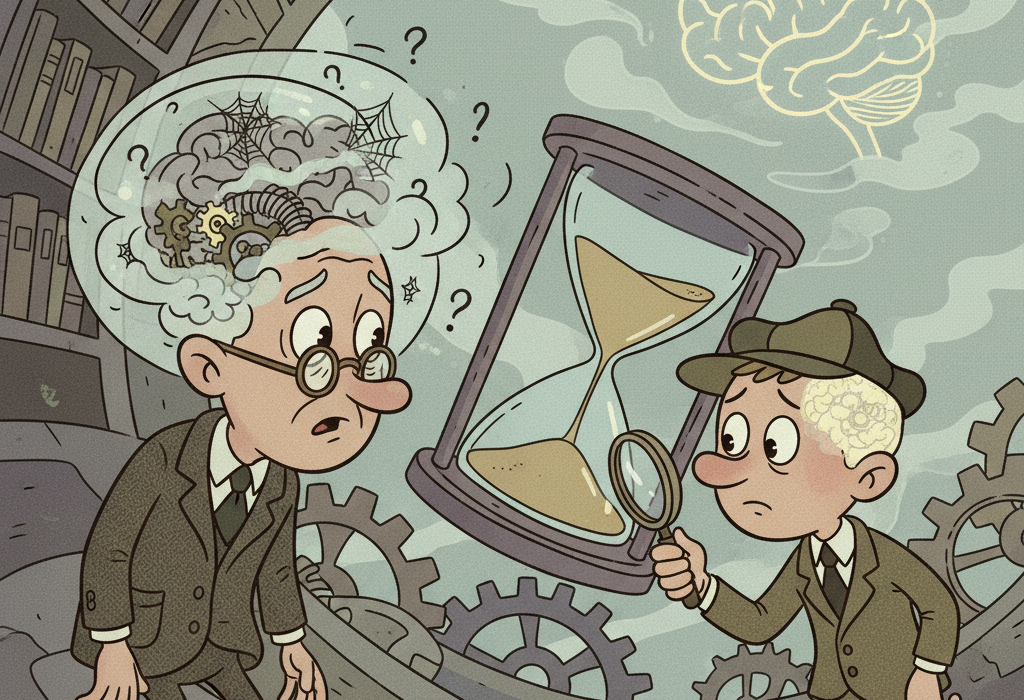
We have all experienced moments where we walk into a room and completely forget why we are there. When we are young, we brush these moments off as simple distraction. As we get older, however, these memory slips can feel alarming. Many people describe this sensation as “brain fog,” a broad term used to explain a mix of forgetfulness, poor focus, and mental fatigue.
But what exactly is happening in the brain when we feel foggy? Is it a normal part of aging, a temporary symptom of a health issue, or a sign of permanent cognitive decline?
Recent scientific research has shed light on how our brains age, why mental fatigue happens, and how different conditions like menopause, viral infections, and chronic stress impact our ability to think clearly.
What Causes Brain Fog as We Age?
To understand brain fog, we first have to look at how the brain manages information. The front part of your brain, known as the prefrontal cortex (pree-FRUN-tul KOR-teks), is responsible for working memory, focus, and complex problem-solving.
A 2012 review in Neuron explains that the neural networks in this region are highly flexible. This flexibility allows us to learn new things and adapt to our environment. However, this same flexibility makes the prefrontal cortex highly vulnerable to stress, lack of sleep, and fatigue. When we are exhausted or stressed, the chemical signals that keep these networks connected temporarily weaken, leading to that familiar foggy feeling.
As we age, these networks naturally become slightly less efficient. A 2025 study in IEEE Transactions on Neural Systems and Rehabilitation Engineering looked at brain network activity during vigilance tasks. The researchers found that older adults experience different brain network alterations during mental fatigue compared to younger adults, making it harder to sustain high levels of alertness over long periods.
How Mental Fatigue Changes With Age
One of the most fascinating discoveries about the aging brain is how it compensates for natural wear and tear. Older brains often work harder to achieve the same results as younger brains.
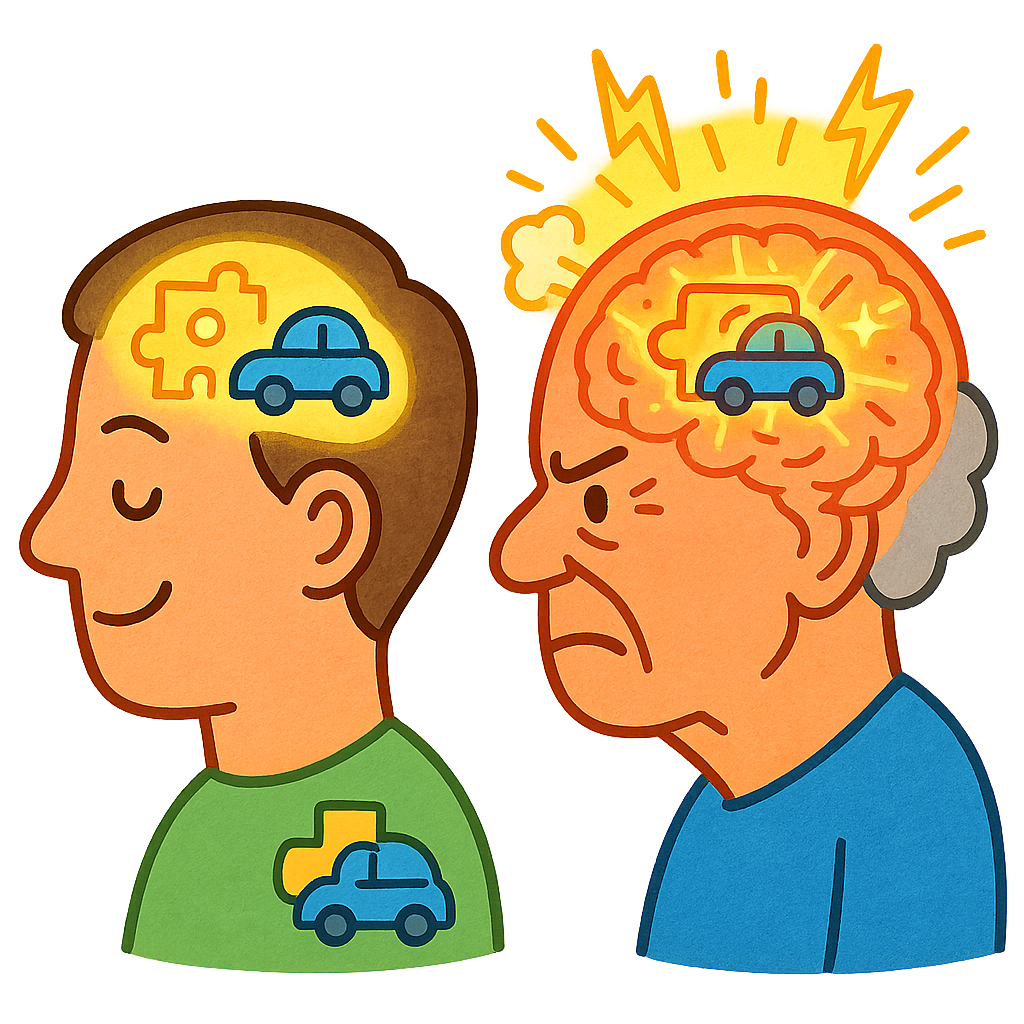
Researchers tested this in a 2018 study in Frontiers in Human Neuroscience. They placed younger and older adults in a driving simulator and monitored their brain waves using electroencephalography (eh-LEK-tro-en-sef-uh-LOG-ruh-fee), a method that records electrical activity in the brain. Both groups performed well at keeping the virtual car on a curvy road. However, the brain scans revealed a major difference. The older adults showed much higher “Theta wave” activity, which is a marker of intense mental effort.
Because the older drivers had to use extra brain power to maintain their focus, they reported feeling mentally exhausted much faster than the younger drivers. This helps explain why an older adult might feel completely drained after a complex mental task, even if they performed it perfectly. The brain fog they feel afterward is a direct result of this intense compensatory effort.
This principle also applies to how older adults handle complex environments. A 2019 study in Frontiers in Psychology tested memory using virtual reality. The researchers found that seniors performed better on memory tasks using a standard desktop computer rather than a fully immersive virtual reality headset. The highly stimulating virtual reality environment likely overwhelmed their sensory processing, leading to faster mental fatigue and lower memory scores.
Temporary Brain Fog vs. Long-Term Decline
It is crucial to distinguish between temporary brain fog and permanent cognitive decline. Many life events can cause severe but reversible cognitive issues.
Menopause and Hormonal Changes
Many women experience significant memory issues and poor concentration during the transition into menopause. A 2022 review in Climacteric notes that this “menopause brain fog” is incredibly common and is closely linked to dropping estrogen levels, poor sleep, and hot flashes.
The good news is that longitudinal studies show these cognitive dips are usually temporary. For the vast majority of women, memory and focus return to normal after the menopause transition is complete. The research emphasizes that menopause brain fog is not an early sign of dementia.
Long COVID and Viral Infections
Following the COVID-19 pandemic, many people reported lingering cognitive issues. Related: What Science Actually Says About Long COVID Symptoms and Treatment.
While Long COVID brain fog can be highly disruptive, research offers a hopeful outlook. A 2022 study in the European Journal of Neurology tracked patients for 18 months and found that COVID-19 related cognitive decline often improves spontaneously over time.
Interestingly, a 2023 study in NeuroImmune Pharmacology and Therapeutics found that while Long COVID patients frequently report feeling foggy, their actual scores on objective cognitive tests are often completely normal. This suggests that, much like the older drivers in the simulator study, their brains are working overtime to compensate for viral fatigue, which makes them feel exhausted even though their cognitive output remains intact.
Recovery After Minor Strokes
Even after a neurological event like a minor stroke, the brain has a remarkable ability to heal. A 2019 study in Acta Neurologica Scandinavica followed patients for a year after a minor stroke. The researchers observed significant cognitive improvement between 3 and 12 months post-stroke. While some mild cognitive impairment and fatigue persisted for about a third of the patients, the overall trend showed steady healing.
The Role of the Gut-Brain Axis
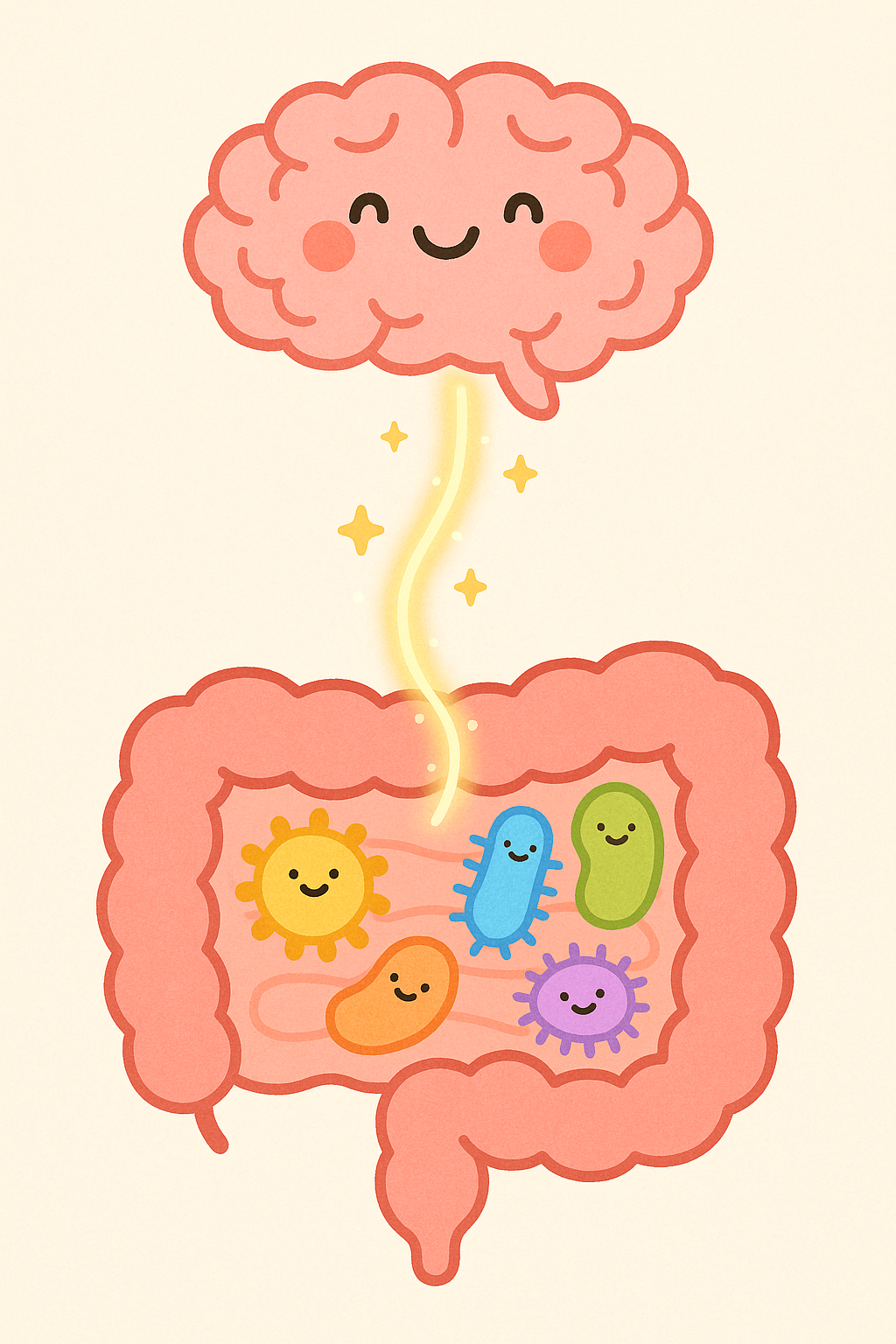
Scientists are increasingly looking at the stomach to understand the brain. The gut and the brain are in constant communication. When the balance of healthy bacteria in the gut is disrupted, a condition known as dysbiosis (dis-bye-OH-sis), it can trigger inflammation throughout the body, including the brain.
Related: How the Gut-Brain Connection Actually Works: What the Latest Science Says.
A 2025 review in Frontiers in Aging Neuroscience highlights how gut dysbiosis contributes to neuroinflammation (noor-oh-in-fluh-MAY-shun), which is inflammation of the nervous tissue. This inflammation can disrupt neurotransmitters and impair the blood-brain barrier, contributing to brain fog, mood disorders, and even accelerating neurodegenerative diseases.
Research shows that improving gut health through diet, fiber, and specific probiotics can help reduce this inflammation. A 2016 review in Integrative Medicine summarized multiple clinical trials showing that targeted probiotics may help improve mental health and reduce age-related cognitive decline by calming the gut-brain axis.
Practical Guidance: Protecting Your Brain as You Age
While some cognitive slowing is a normal part of aging, the research clearly identifies several modifiable risk factors that you can control to protect your brain health.
Prioritize High-Quality Sleep
Sleep is when the brain clears out metabolic waste. A 2025 study in GeroScience found that chronic insomnia actually accelerates the “epigenetic clock” in older adults, meaning poor sleep causes cells to age faster biologically. Treating sleep disorders is one of the most effective ways to clear daily brain fog.
Manage Cardiovascular Health
What is good for the heart is good for the brain. The 2019 stroke recovery study found that hypertension (high blood pressure) and smoking were the biggest risk factors for persistent cognitive impairment. Furthermore, a 2024 study in the Journal of Alzheimer’s Disease noted that primary care doctors frequently document diabetes and hearing loss as major risk factors years before a formal dementia diagnosis. Managing blood sugar and wearing hearing aids if needed can significantly reduce cognitive strain.
Maintain Muscle Mass and Physical Health
Physical frailty is closely linked to cognitive decline. Related: How to Prevent Age-Related Muscle Loss: What the Latest Science Says.
A 2018 review in Frontiers in Nutrition explored how traditional herbal medicines, like Ninjin’yoeito, are used to treat physical frailty and muscle loss (sarcopenia). By improving appetite, reducing physical fatigue, and supporting muscle health, patients often experience secondary improvements in mood and cognitive clarity.
Common Questions About Brain Fog
Does menopause brain fog mean I am getting dementia?
No. Research shows that memory slips during menopause are highly common and are related to hormone fluctuations and sleep loss, not dementia. For most women, cognition returns to normal after the menopause transition.
Is COVID-19 brain fog permanent?
Current research suggests that for most people, it is not. Studies following patients for 18 months show that cognitive symptoms generally improve over time as the body’s inflammatory response settles down.
Can doctors test for cognitive decline?
Yes. Beyond standard memory questionnaires, researchers are developing more advanced tools. For example, a 2025 paper in Clinical Neurophysiology discusses how analyzing “alpha rhythms” in brain waves can help doctors distinguish between normal mental fatigue and the early stages of Alzheimer’s disease.
The Bottom Line
Experiencing brain fog or mental fatigue as you age is common and is often the result of the brain working harder to process information. In many cases, such as during menopause or after a viral infection, brain fog is a temporary state of neuroinflammation or hormonal imbalance that resolves over time.
While physiological aging does change how our brain networks function, we are not powerless. By managing blood pressure, prioritizing sleep, maintaining a healthy gut microbiome, and staying physically active, you can significantly reduce mental fatigue and protect your cognitive health well into your later years.
Quick Reference: Key Studies
| Study Focus | Key Finding | Source |
|---|---|---|
| Mental Fatigue & Aging | Older adults use more mental effort (Theta waves) to perform tasks, leading to faster subjective exhaustion. | PMID 30131687 |
| Menopause Brain Fog | Cognitive complaints are common during menopause but typically do not indicate early dementia risk. | PMID 36178170 |
| Long COVID Brain Fog | Cognitive decline related to mild COVID-19 often improves spontaneously after 18 months. | PMID 34918425 |
| Gut-Brain Connection | Gut dysbiosis drives neuroinflammation, which is linked to cognitive decline and mood disorders. | PMID 41104042 |
| Sleep and Aging | Chronic insomnia accelerates biological aging (epigenetic clocks) in older adults. | PMID 40100530 |
| Stroke Recovery | Cognitive function generally improves between 3 and 12 months after a minor stroke, though managing blood pressure is critical. | PMID 31265131 |
Last updated: April 2026
This article synthesizes findings from peer-reviewed research. It is for educational purposes only and does not constitute medical advice. Consult a healthcare provider before starting any new regimen.


Leave a Reply