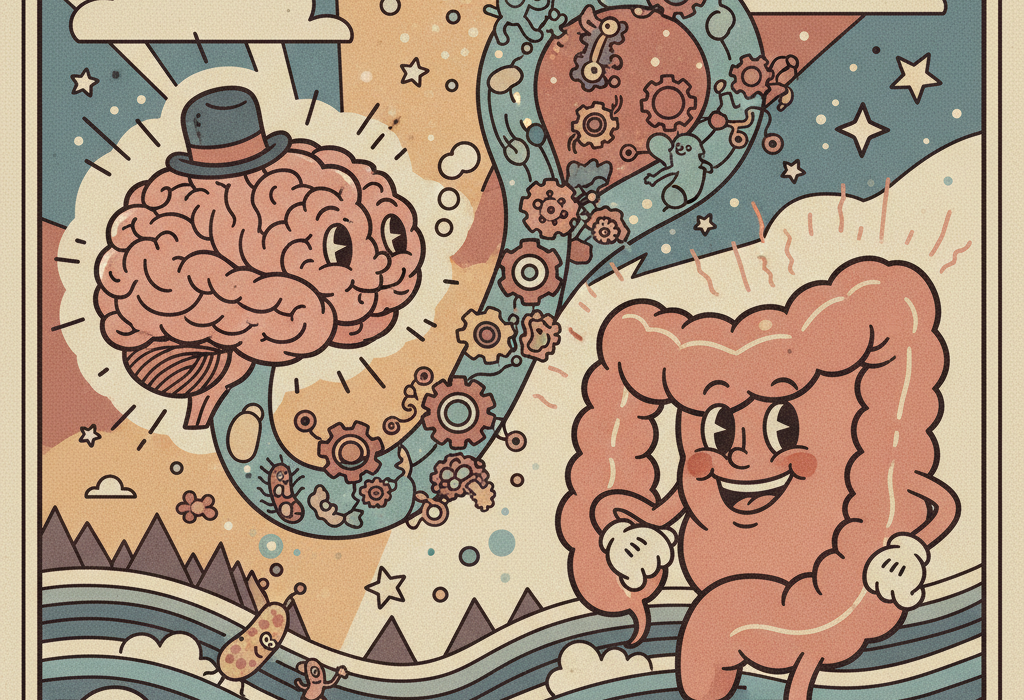
Have you ever had a “gut feeling” about a difficult decision or felt “butterflies in your stomach” before a big presentation? These everyday phrases highlight a biological reality that scientists are just beginning to fully map out. The gut-brain connection is a real, physical, and chemical two-way communication system between your digestive tract and your central nervous system.
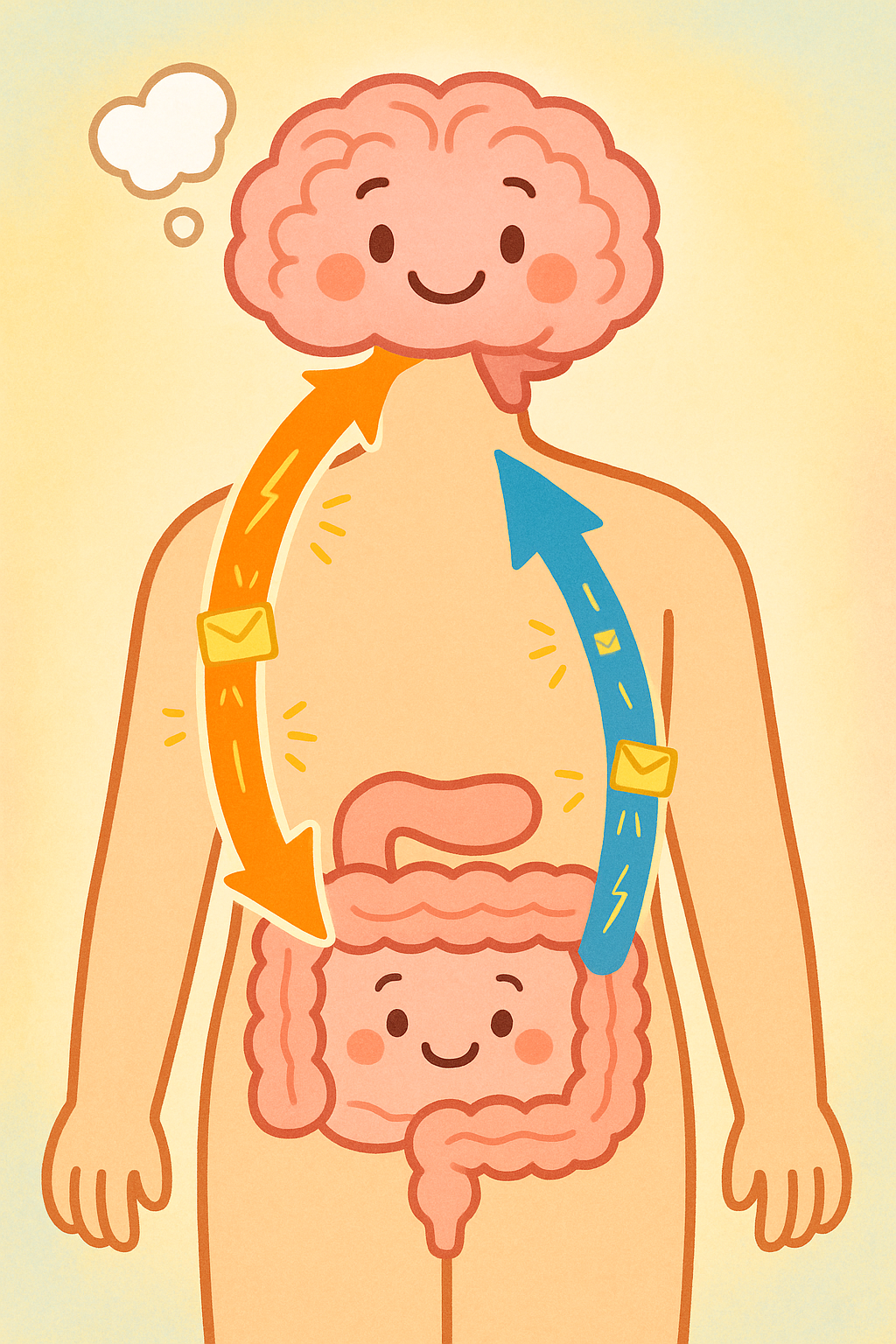
For decades, doctors viewed the brain and the digestive system as separate entities. If you had anxiety, it was a brain issue. If you had stomach pain, it was a gut issue. Today, research shows that these systems are intimately linked. The bacteria living in your intestines actively shape how your brain develops, how you handle stress, and even your risk for certain neurological diseases.
This article breaks down how this complex communication network operates, what happens when it breaks down, and what the latest research actually proves about healing your gut to help your brain.
How This Might Work: The Biology of the Gut-Brain Axis
To understand how your stomach talks to your head, we first need to define a few key terms.
- Microbiome (MY-kroh-BY-ohm) – the collection of all microbes, including bacteria, fungi, and viruses, living in and on your body.
- Dysbiosis (DIS-by-OH-sis) – an imbalance of helpful and harmful bacteria in your gut.
- Enteric nervous system (en-TAIR-ik) – a massive network of over 200 million neurons lining your digestive tract, often called your “second brain.”
The communication highway between your brain and your gut is known as the microbiota-gut-brain axis. It relies on three main pathways to send messages back and forth.
The Vagus Nerve Highway
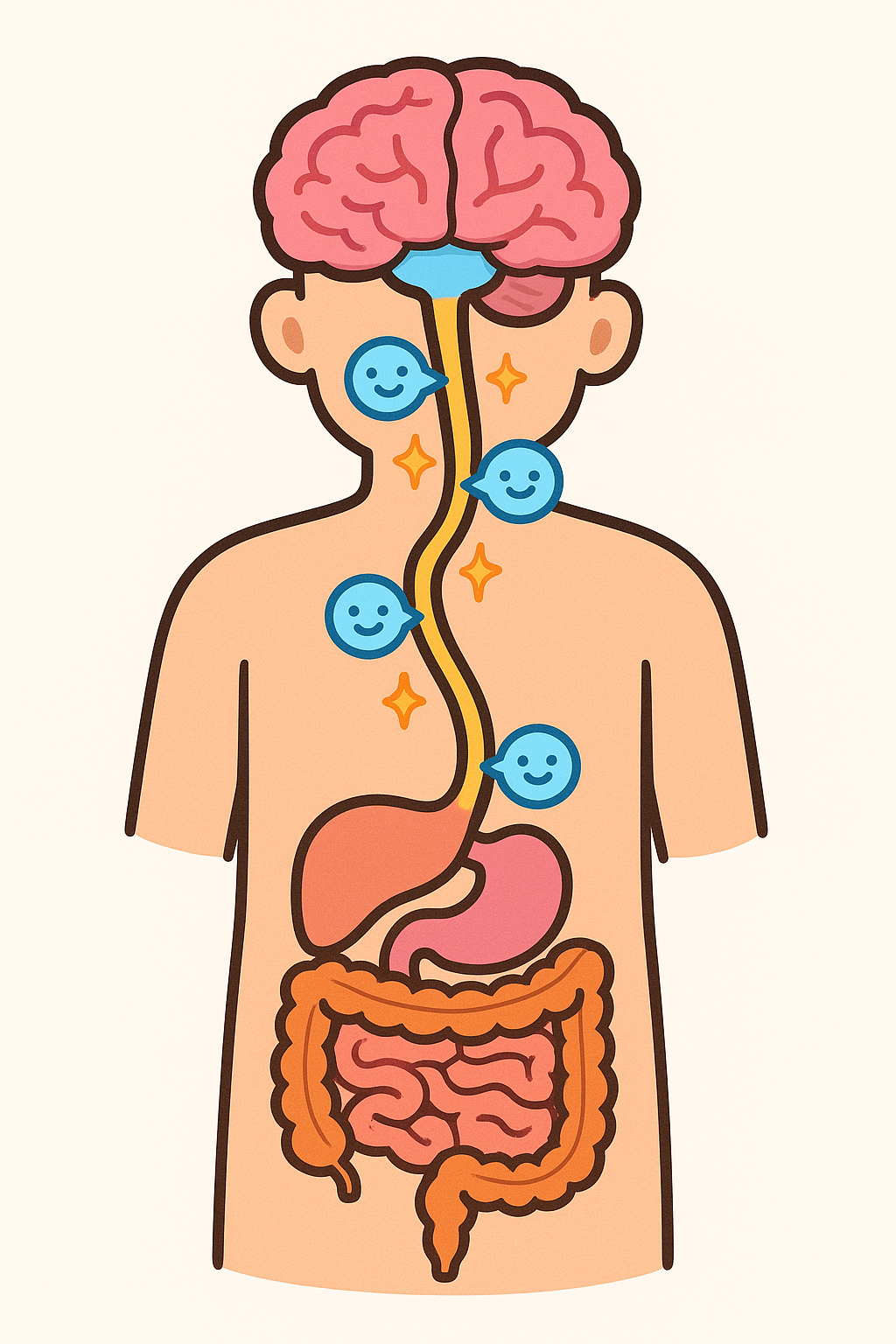
The vagus nerve (VAY-gus) is the longest cranial nerve in your body. It acts as a massive physical cable connecting your brainstem directly to your heart, lungs, and digestive tract.
For a long time, scientists thought the gut only released slow-acting hormones into the blood to tell the brain it was full. However, a fascinating 2018 study in Science discovered specialized cells in the gut lining called neuropod cells. These cells reach out and physically connect with the vagus nerve. When you eat sugar or nutrients, these cells use glutamate to send a signal up the vagus nerve to the brain in mere milliseconds. This means your gut senses food and talks to your brain just as fast as your tongue tastes it.
Chemical Messengers and Neurotransmitters
Your brain relies on chemicals called neurotransmitters to regulate mood, focus, and sleep. Surprisingly, your gut bacteria can produce many of these same chemicals.
- Serotonin: Often called the “happy chemical,” serotonin regulates mood and sleep. Up to 95% of your body’s serotonin is produced in the gut.
- GABA: This is an inhibitory neurotransmitter that helps calm the nervous system. Certain gut bacteria can produce GABA, which plays a role in managing anxiety.
While most neurotransmitters made in the gut cannot cross the blood-brain barrier to enter the brain directly, they stimulate the vagus nerve and local nervous system, which then send secondary signals to the brain.
Microbial Metabolites
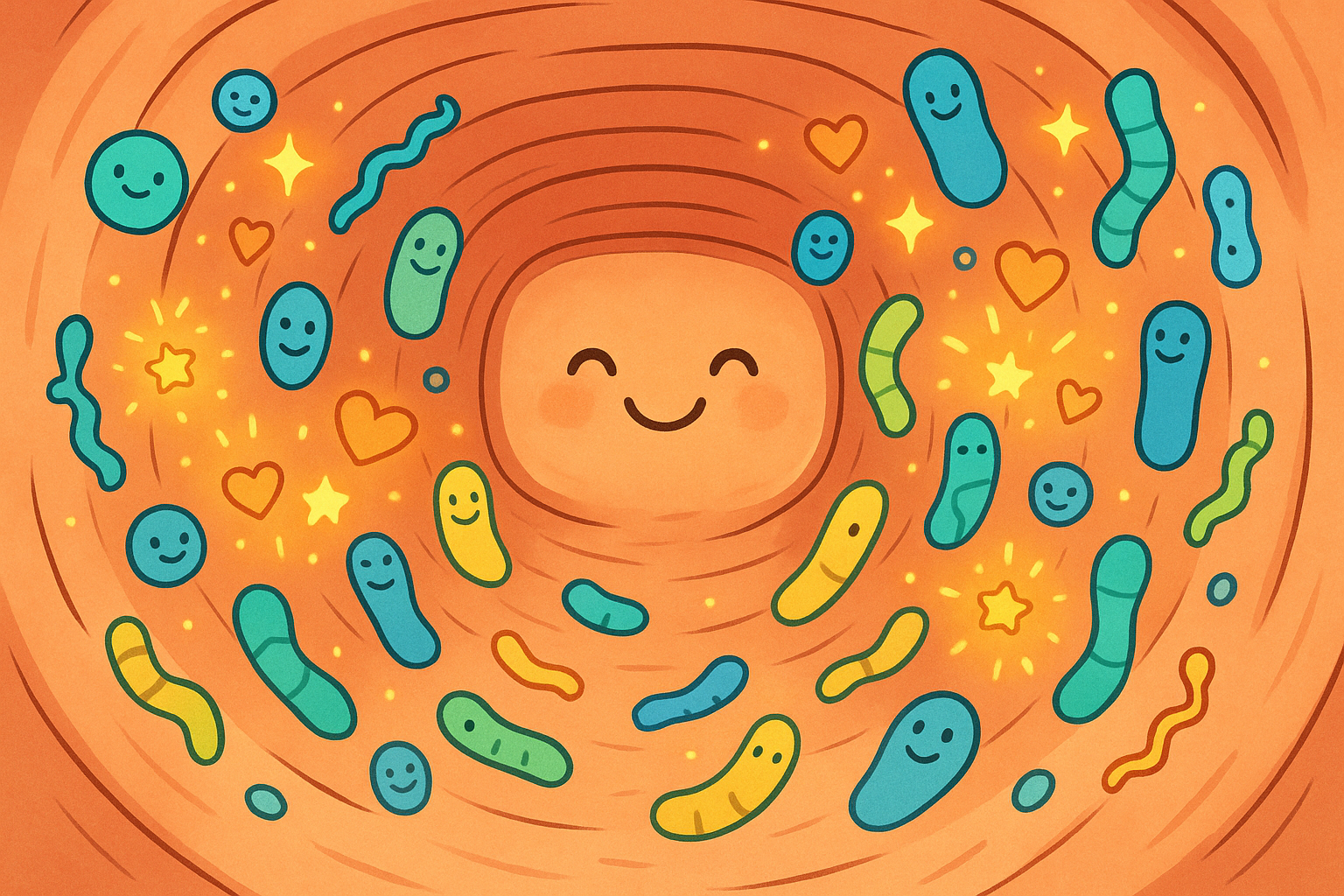
When gut bacteria digest the food you eat, they create byproducts called metabolites. Some of these are incredibly beneficial, like short-chain fatty acids (short-chain FAT-ee AS-ids). These acids help maintain the protective lining of your gut and reduce inflammation throughout the body.
Other metabolites can be problematic. A 2022 study in Nature investigated a specific gut-derived metabolite called 4EPS. Researchers found that when mice were colonized with bacteria that produced high levels of 4EPS, the molecule traveled to their brains and disrupted the cells that insulate nerve fibers. This resulted in measurable anxiety-like behaviors in the mice.
What the Research Shows: The Gut-Brain Connection in Action
Scientists are actively investigating how the gut microbiome influences specific health conditions. While much of the foundational research has been done in animal models, human studies are revealing significant connections.
Depression and Mood Disorders
People with depression and anxiety frequently experience gastrointestinal issues, and vice versa. A 2025 review in CNS Neuroscience & Therapeutics noted that alterations in the gut microbiome can lead to neurotransmitter imbalances and neuroinflammation, both of which are strongly linked to depression and anxiety.
Research shows that the microbial makeup of people with mood disorders often looks different from those without them. A 2024 review in Frontiers in Psychiatry compared the gut bacteria of people with Major Depressive Disorder (MDD) and Bipolar Disorder (BD). They found that people with MDD often had higher levels of Bacteroidetes and lower levels of Firmicutes bacteria, alongside increased markers for inflammation.
Related: Can Gut Bacteria Improve Your Mood? The Science of Psychobiotics
Parkinson’s Disease and Neurodegeneration
Parkinson’s disease is traditionally viewed as a brain disorder characterized by tremors and movement difficulties. However, researchers have long noted that chronic constipation often precedes the motor symptoms of Parkinson’s by years or even decades.
A 2021 review in Frontiers in Aging Neuroscience explored a concept known as Braak’s hypothesis. This theory suggests that Parkinson’s disease might actually begin in the gut. The hypothesis proposes that an unknown pathogen or toxin causes a normal protein called alpha-synuclein to misfold in the nerves of the digestive tract. Over time, these misfolded proteins travel up the vagus nerve like a ladder, eventually reaching the brain and causing neurological damage.
While this theory is still being tested, studies have shown that severing the vagus nerve in animals can prevent these misfolded proteins from reaching the brain, adding weight to the idea that the gut is a starting point for some neurodegenerative diseases.
Migraines and Physical Pain
Migraines are severe headaches often accompanied by nausea and vomiting. A 2023 review in Current Pain and Headache Reports highlighted that people with episodic migraines have a significantly higher prevalence of gastrointestinal disorders, including irritable bowel syndrome (IBS) and functional dyspepsia.
One proposed mechanism is autonomic dysfunction. When the nervous system that controls involuntary body functions is stressed, it can trigger both a migraine in the brain and slowed digestion in the gut simultaneously. Additionally, inflammation originating in a dysbiotic gut can circulate through the bloodstream, potentially lowering the threshold for migraine triggers in the brain.
Where The Science Is Still Uncertain
While the concept of the gut-brain axis is well-established, there is a lot of hype that outpaces the actual science. It is important to understand the limitations of current research.
First, correlation does not equal causation. If a study finds that people with depression have lower levels of a specific bacterium, it does not mean the missing bacterium caused the depression. The depression itself, or the dietary changes that often accompany depression, could have altered the gut bacteria.
Second, many of the most compelling studies are conducted on germ-free mice. These are mice raised in sterile bubbles with absolutely no microbiome. When researchers introduce specific bacteria into these mice, they can observe clear behavioral changes. However, human biology is vastly more complex, and our environments are not sterile. What works in a mouse model does not always translate perfectly to human health.
Finally, there is no scientific consensus on what a “perfect” microbiome looks like. Because genetics, geography, and diet heavily influence gut bacteria, a healthy microbiome for one person might look very different from a healthy microbiome for another.
Practical Guidance: Supporting Your Gut-Brain Axis
Based on current evidence, you cannot simply take a pill to perfectly tune your gut-brain connection. However, research strongly supports several lifestyle interventions that foster a healthy microbiome.
Feed Your Microbes Fiber
The most evidence-based way to support your gut health is through your diet. Bacteria thrive on prebiotic fiber found in fruits, vegetables, legumes, and whole grains. When bacteria ferment this fiber, they produce the beneficial short-chain fatty acids that reduce inflammation and protect the gut lining.
Be Cautious With Antibiotics
Antibiotics are life-saving medications, but they do not distinguish between good and bad bacteria. A 2021 review in Nutrients detailed how broad-spectrum antibiotics can cause long-lasting disruptions to the gut microbiome. In some cases, antibiotic-induced dysbiosis is a major factor in developing post-infectious irritable bowel syndrome. Antibiotics should be used exactly as prescribed by a doctor, but they should not be used for viral infections like the common cold.
Consider Probiotics and Fermented Foods
Probiotics are live beneficial bacteria. While popping a generic probiotic pill will not cure anxiety or depression, incorporating fermented foods into your diet can help maintain microbial diversity. Foods like yogurt, kefir, sauerkraut, kimchi, and kombucha contain live cultures that support a healthy gut environment.
Scientists are also researching “psychobiotics” targeted probiotic strains specifically intended to yield mental health benefits. A 2022 review in Psychoneuroendocrinology found that certain strains of Lactobacillus and Bifidobacterium showed promise in reducing cortisol responses and improving cognitive performance, though this research is still in its early stages.
Common Questions About the Gut-Brain Connection
Does leaky gut syndrome actually affect the brain?
When the intestinal lining becomes overly permeable, a condition informally called “leaky gut,” bacterial toxins can enter the bloodstream. This triggers systemic inflammation, which can cross the blood-brain barrier and contribute to neuroinflammation, a known factor in brain fog and mood disorders. Related: Does Leaky Gut Syndrome Actually Exist? What the Latest Science Says
Can a fecal transplant cure neurological diseases?
Fecal Microbiota Transplantation (FMT) involves transferring stool from a healthy donor into a patient’s gut to restore bacterial balance. While it is highly effective for specific bacterial infections like C. difficile, its use for neurological conditions like Parkinson’s or autism is strictly experimental right now. Related: What Science Actually Says About Fecal Transplants for Gut Health
Why do I lose my appetite when I am stressed?
When your brain perceives a threat, it activates the sympathetic nervous system (your “fight or flight” response). This response diverts blood flow and energy away from your digestive tract to your muscles, slowing down digestion and temporarily shutting off your appetite.
The Bottom Line
The gut-brain connection is a complex, bidirectional communication network that relies on nerves, hormones, and immune signals. We know with high confidence that the bacteria in your gut produce chemicals that influence how your brain functions, and that stress in your brain can physically alter the environment of your gut.
While we are still learning exactly which bacteria do what, the evidence is clear that supporting your gut microbiome through a diverse, fiber-rich diet is one of the most effective ways to support your overall neurological and mental health.
Quick Reference: Key Studies
| Study Focus | Key Finding | Source |
|---|---|---|
| Depression & Microbiota | People with Major Depressive Disorder show distinct differences in gut bacteria composition compared to healthy controls, including increased inflammatory markers. | PMID 39564459 |
| Gut-Brain Anatomy | Discovered “neuropod” cells in the gut that synapse directly with the vagus nerve, transmitting nutrient signals to the brain in milliseconds using glutamate. | PMID 30237325 |
| Anxiety & Metabolites | A specific gut-derived bacterial metabolite (4EPS) enters the brain and impairs nerve insulation, leading to increased anxiety-like behaviors in mice. | PMID 35165440 |
| Parkinson’s Disease | Reviews evidence that misfolded alpha-synuclein proteins may originate in the gut and travel via the vagus nerve to the brain, contributing to Parkinson’s pathology. | PMID 35069178 |
| Antibiotics & GI Disorders | Broad-spectrum antibiotics can cause long-lasting gut dysbiosis, which is a major factor in the development of functional gastrointestinal disorders via the gut-brain axis. | PMID 33513791 |
Last updated: April 2026
This article synthesizes findings from peer-reviewed research. It is for educational purposes only and does not constitute medical advice. Consult a healthcare provider before starting any new regimen.
Leave a Reply