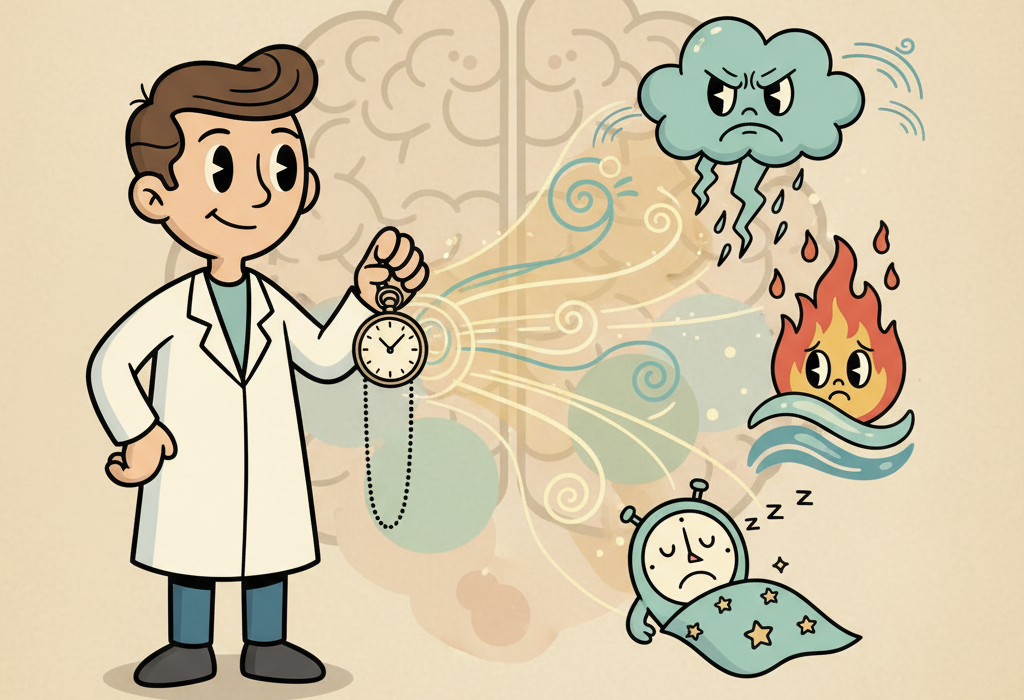
When most people hear the word hypnosis, they picture a swinging pocket watch or a stage performer making volunteers cluck like chickens. However, medical hypnotherapy looks very different. It is a structured, evidence-based treatment used in hospitals and clinics to help manage physical and mental health conditions.
Medical hypnotherapy (hip-no-THAIR-uh-pee) is a state of deep relaxation and focused attention. It is similar to the feeling of getting completely lost in a good book or movie. In this state, your brain becomes more open to positive suggestions. This allows a trained therapist to help you change how your body perceives pain, stress, and physical symptoms.
While it is not a magic cure for everything, decades of research show that hypnotherapy can significantly improve certain medical conditions. This article will explore what the latest science says about where hypnotherapy works best, how it affects the body, and where the evidence is still lacking.
How Medical Hypnotherapy Might Work
To understand how hypnotherapy helps physical symptoms, it helps to think of your brain as a complex computer network. Your brain constantly receives signals from your body, such as pain from a joint or discomfort from your stomach. Your brain then decides how much attention to pay to those signals.
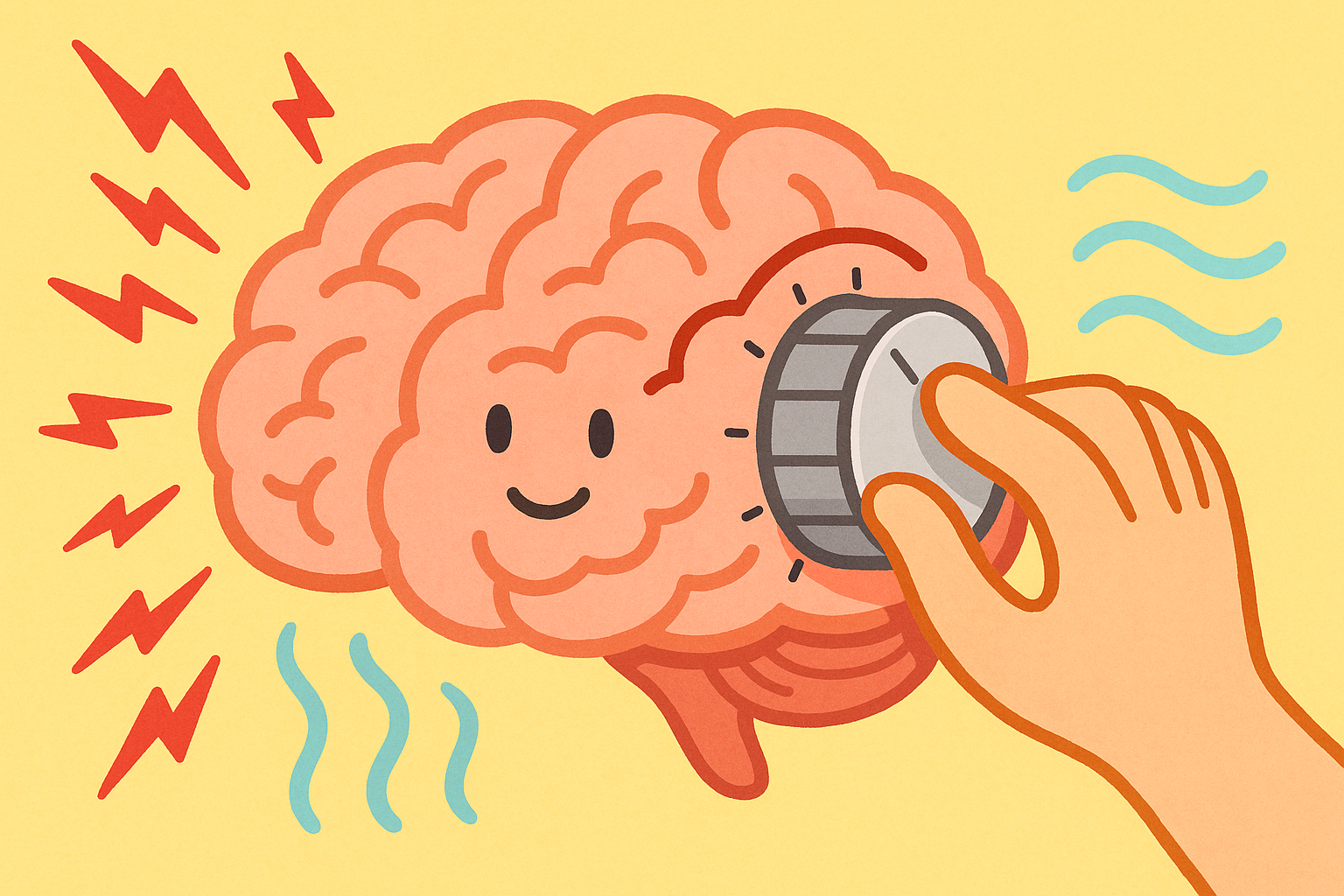
During hypnosis, the brain enters a relaxed state where normal, critical thinking slows down. Researchers believe this alters the way the brain processes sensory information. Instead of focusing heavily on pain or discomfort, the brain can be guided to turn down the volume on those signals.
One important factor is hypnotic suggestibility (hip-NAH-tik sug-JES-tuh-bil-ih-tee). This is a measure of how easily a person responds to hypnotic suggestions. Some people are highly suggestible, meaning they enter a hypnotic state easily and respond strongly. Others are less suggestible. Research shows that people with moderate to high suggestibility tend to get the most medical benefit from hypnotherapy.

Does Hypnotherapy Work for Irritable Bowel Syndrome?
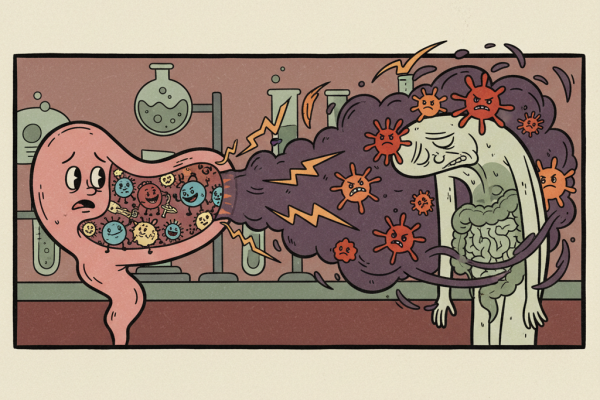
One of the most proven uses for medical hypnotherapy is the treatment of Irritable bowel syndrome (EER-ih-tuh-bul BOW-ul SIN-drome), commonly known as IBS. IBS is a disorder of the gut-brain axis, meaning the communication between the digestive system and the brain is out of sync.
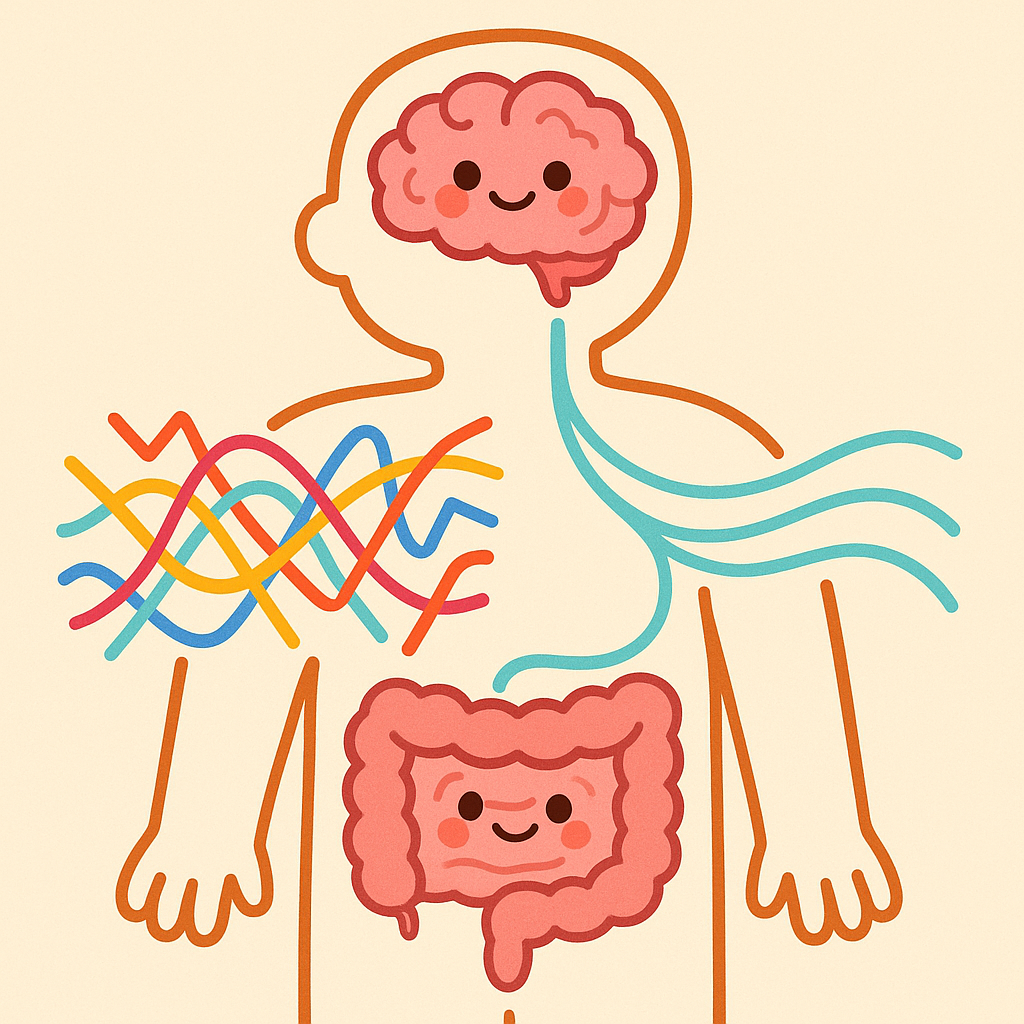
People with IBS often have visceral hypersensitivity (VIS-er-ul hy-per-sen-sih-TIV-ih-tee), which means their intestines are overly sensitive to normal digestion.
A 2024 review in Frontiers in Psychology explains that gut-directed hypnotherapy is highly effective for IBS. The therapy involves guiding the patient into a relaxed state and providing suggestions that the gut is calm, smooth, and functioning normally. The review notes that this treatment can lead to long-term improvements in stomach pain, bloating, and bowel habits.
Related: Can Gut Bacteria Improve Your Mood? The Science of Psychobiotics
The evidence is so strong that major medical organizations now recommend it. A 2025 guideline in the Journal of Pediatric Gastroenterology and Nutrition strongly recommends hypnotherapy as a treatment option for children aged 4 to 18 suffering from IBS and functional abdominal pain. The guidelines note that it provides moderate to large improvements in treatment success and pain reduction.
However, it is important to note that hypnotherapy works best for functional disorders like IBS. A 2020 study in The American Journal of Gastroenterology found that for Inflammatory Bowel Disease (IBD), which involves physical damage and inflammation in the gut, psychological therapies like hypnotherapy do not consistently reduce physical inflammation or prevent clinical relapses, though they may still help improve overall quality of life.
Can Hypnosis Relieve Chronic Pain?
Pain is a physical sensation, but it is processed entirely in the brain. Because hypnotherapy changes how the brain focuses on information, it is a valuable tool for pain management.
A large 2019 meta-analysis in Neuroscience and Biobehavioral Reviews looked at 85 controlled trials involving over 3,600 participants. The researchers found that hypnosis produced moderate to large reductions in pain.
The success of the treatment depended heavily on two things. First, the therapist needed to give direct suggestions for pain relief (such as suggesting a painful area felt numb or cool). Second, the patient’s natural suggestibility mattered. Highly suggestible individuals experienced a 42% reduction in pain, while moderately suggestible people saw a 29% reduction. People with low suggestibility saw very little benefit.
Beyond experimental pain, hypnotherapy helps with specific medical conditions:
- Migraines: A 2019 review in the Journal of Neuro-Ophthalmology found that hypnosis could positively reduce headache activity and decrease the need for medication in adults without causing adverse side effects.
- Disability-Related Pain: A 2016 meta-analysis in the Journal of Health Psychology evaluated hypnotherapy for people with physical disabilities like spinal cord injuries and multiple sclerosis. The therapy produced significant short-term improvements in pain intensity and fatigue, though long-term benefits were harder to confirm.
Related: Treating Neuropathic Pain: What the Latest Science Says
Menopause and Overactive Bladder
Hypnotherapy is increasingly being studied for women’s health issues, particularly those related to the nervous system’s response to hormonal changes.
During menopause, many women experience vasomotor symptoms, more commonly known as hot flashes. A 2024 systematic review of menopause guidelines in BMJ Sexual & Reproductive Health noted that cognitive behavioral therapy and hypnosis are consistently considered potentially beneficial non-hormonal treatments for hot flashes. Similarly, a 2016 review in American Family Physician highlighted that clinical hypnosis significantly reduces hot flashes for women who cannot or prefer not to use hormone therapy.
Related: What Science Says About Aromatase: The Enzyme That Controls Estrogen
Additionally, hypnotherapy may help with Overactive Bladder (OAB). OAB causes a sudden, frequent urge to urinate. Because anxiety can make bladder urgency worse, relaxation techniques can be helpful. A 2019 review in The International Journal of Clinical and Experimental Hypnosis looked at several studies on OAB. While objective measurements of bladder capacity did not always change, patients consistently reported feeling better. They experienced less anxiety about their condition and felt a greater sense of control over their symptoms.
Anxiety, Stress, and Skin Conditions
Because hypnotherapy is deeply relaxing, it is frequently used to manage anxiety, especially when that anxiety is tied to a medical event or physical condition.
For example, surgery is a major source of stress. A 2022 review in Frontiers in Public Health examined non-pharmacologic approaches for preoperative anxiety. The review found that brief hypnosis sessions before surgery effectively decreased pre-surgical distress and anxiety in patients.
Hypnotherapy can also help with the emotional burden of chronic conditions. Alopecia areata (al-oh-PEE-shuh air-ee-AH-tuh) is an immune disease that causes hair loss, which can lead to severe psychological distress. A 2021 review in the Journal of the American Academy of Dermatology found that hypnotherapy improved anxiety, depression, and overall quality of life for these patients.
Where The Science Is Still Uncertain
While hypnotherapy is effective for gut issues and pain, it is not a universal cure. There are several areas where the scientific evidence is weak or mixed.
Smoking Cessation: Many people try hypnosis to quit smoking, but the data does not strongly support it. A 2021 review in The Cochrane Database of Systematic Reviews looked at behavioral interventions for quitting smoking. While counseling and financial incentives showed high-certainty evidence of helping people quit, the evidence for hypnotherapy was considered low to very low. An earlier 2003 review in Respiratory Care also concluded that hypnosis lacks strong research evidence for overcoming nicotine addiction.
ADHD: Attention-deficit/hyperactivity disorder involves differences in brain development and function. A 2020 review in Psychological Medicine found that while some small studies showed benefits of hypnotherapy for ADHD, the overall evidence is weak due to small sample sizes and a high risk of bias. Cognitive behavioral therapy (CBT) remains a much more proven non-pharmacological treatment for ADHD.
Severe Pregnancy Nausea: Nausea and vomiting in pregnancy, including the severe form known as hyperemesis gravidarum, can be debilitating. A 2016 review in Health Technology Assessment evaluated various treatments. While ginger and certain medications were shown to be better than a placebo, the evidence for hypnotherapy was unclear and insufficient to make a firm recommendation.
Who Benefits Or Needs Caution
Research clearly identifies that hypnotherapy is not equally effective for everyone.
- Children and Teens: Pediatric patients often respond exceptionally well to medical hypnosis. A 2023 review in the European Journal of Pediatrics notes that children under 14 are almost never refractory (resistant) to hypnotic techniques. Their natural capacity for imagination makes hypnotherapy highly effective for procedural pain, headaches, and abdominal pain.
- Highly Suggestible Adults: As mentioned earlier, adults who naturally enter focused states easily will see the largest reductions in pain and symptoms.
- People with Severe Mental Illness: Hypnotherapy is generally considered safe. However, standard medical guidelines advise caution or avoid using it for individuals with severe psychiatric conditions, such as psychotic disorders or certain personality disorders, unless conducted by a highly specialized psychiatrist.
Common Questions About Medical Hypnotherapy
Will I lose control during hypnosis?
No. Medical hypnotherapy is a state of focused attention, not sleep or unconsciousness. You remain aware of your surroundings and cannot be forced to do anything against your will or moral code.
Can everyone be hypnotized?
Most people can enter a light to moderate state of hypnosis, which is often enough to see medical benefits. However, about 10% to 15% of adults are highly hypnotizable, while another 10% to 15% have very low suggestibility and may struggle to benefit from the therapy.
The Bottom Line / Takeaways
Medical hypnotherapy is a safe, evidence-based tool that alters how the brain processes physical sensations.
- The strongest evidence supports using gut-directed hypnotherapy for Irritable Bowel Syndrome (IBS), where it is now a standard guideline recommendation.
- It is highly effective for reducing chronic and procedural pain, especially in children and highly suggestible adults.
- It offers a valid, non-hormonal option for managing menopause hot flashes and can improve the subjective feeling of control in conditions like overactive bladder.
- The evidence is currently weak or mixed for using hypnosis to quit smoking, treat ADHD, or manage severe pregnancy nausea.
*
Quick Reference: Key Studies
| Study Focus | Key Finding | Source |
|---|---|---|
| IBS in Children | Guidelines strongly recommend hypnotherapy for pediatric IBS and functional abdominal pain. | PMID 40444524 |
| IBS in Adults | Gut-directed hypnosis modulates the gut-brain axis and provides long-term symptom relief. | PMID 38887623 |
| Pain Relief | Meta-analysis shows a 42% pain reduction in highly suggestible people using direct analgesic suggestions. | PMID 30790634 |
| Pediatric Care | Children are highly responsive to hypnosis for procedural pain, headaches, and respiratory symptoms. | PMID 37145215 |
| Menopause | Clinical hypnosis is consistently noted as a beneficial non-hormonal treatment for hot flashes. | PMID 38336466 |
| Smoking Cessation | Evidence supporting hypnotherapy for quitting smoking is currently low to very low. | PMID 33411338 |
*
Last updated: March 2026
This article synthesizes findings from peer-reviewed research. It is for educational purposes only and does not constitute medical advice. Consult a healthcare provider before starting any new regimen.

Leave a Reply