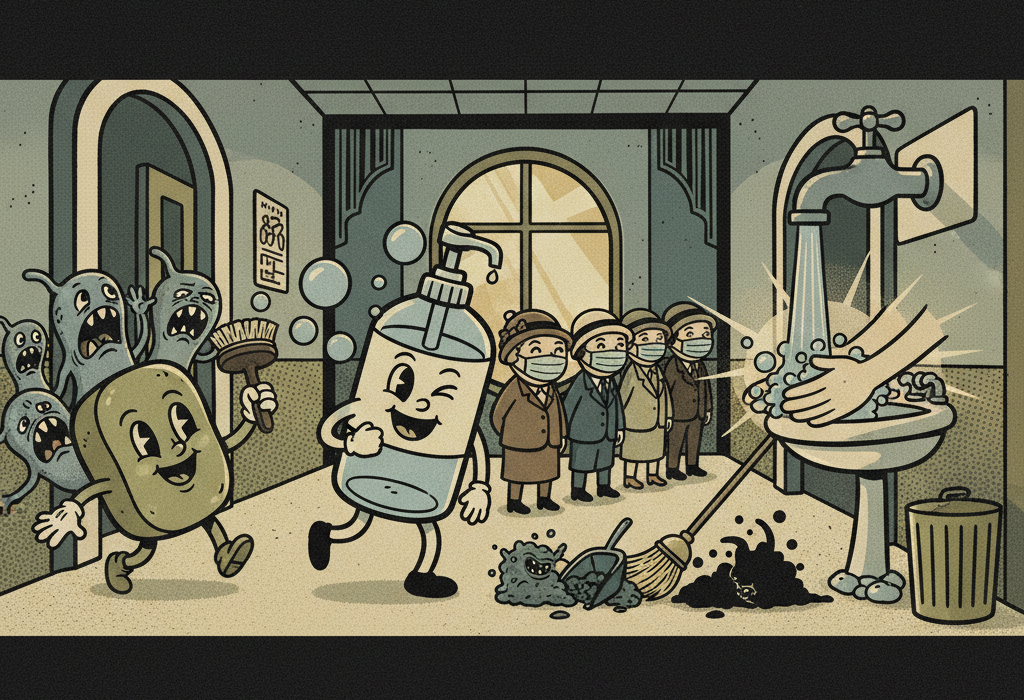
The human body is much like a highly secure building. To keep intruders out, you need strong outer walls, a well-trained security team, and strict rules for anyone entering the premises. When we think about infection prevention, we usually picture washing our hands or wearing a mask. While these steps are important, the science of stopping infections goes much deeper.
Researchers approach infection prevention from multiple angles. They design vaccines that train our immune cells, upgrade the tools doctors use in their clinics, and develop protocols to keep hospitals safe.
By looking at recent scientific studies, we can see exactly how modern medicine works to block viruses, bacteria, and other pathogens before they can make us sick.
How Science is Upgrading Our Immune Defenses
The most effective way to prevent an infection is to prepare the body in advance. Vaccines act like a training manual for your immune system. However, viruses frequently mutate, which means scientists constantly have to update the training materials.
Building Better Vaccines
Traditional vaccines usually target one specific strain of a virus. Now, researchers are trying to create vaccines that offer broader protection. A 2024 study in Nature Nanotechnology tested a new “nanocage” approach for coronaviruses. Instead of showing the immune system just one virus part, these microscopic structures display parts from several different coronaviruses at once. In animal tests, this method trained the immune system to recognize and fight off multiple viral strains, including some that were not even included in the vaccine.
Similar strategies are being explored for other diseases. A 2023 review in Trends in Pharmacological Sciences discussed how synthetic peptide vaccines could be used against monkeypox. By artificially creating specific protein sequences, scientists hope to make vaccines that are highly stable, safe, and effective without requiring strict cold storage.
Researchers are also looking closely at how the immune system responds to these vaccines. A 2021 review highlighted the role of Natural killer cells (NATCH-er-uhl KILL-er cells), which are white blood cells that provide an early defense against infected cells. While vaccines traditionally focus on creating antibodies, scientists believe that designing vaccines to also activate Natural killer cells could create a much stronger and longer-lasting immune response.
Stopping Viral Evasion
Viruses are entirely focused on survival, and they have developed ways to sneak past our cellular alarms. One major alarm system in our cells is the cGAS-STING pathway, which detects unusual DNA from invading viruses. A 2025 paper explains that many viruses have evolved mechanisms to block this pathway, allowing them to multiply undetected. By understanding exactly how viruses silence these alarms, pharmacologists are working on targeted drugs that can turn the alarms back on, stopping the infection in its tracks.
Preventing Infections in the Doctor’s Office
We go to clinics to get healthy, but places where sick people gather are natural hotspots for germs. Medical professionals use specific strategies to stop the spread of pathogens between patients.
Dental and Eye Clinics
In dentistry, making a physical mold of a patient’s teeth involves a lot of saliva and physical contact. A 2019 review in BioMed Research International noted that traditional dental impressions and gypsum casts are frequently contaminated with bacteria. To prevent this, many dental offices are switching to computer-aided design (CAD/CAM) technology. By using digital 3D scanners instead of physical molds, dentists significantly reduce the risk of transferring bacteria to dental laboratories.
Eye clinics also require strict protocols. A 2020 study by the Los Angeles County Department of Public Health investigated infection control in optometry clinics following an outbreak of highly contagious eye infections. The researchers found that some common tools, like multi-dose eye drop vials and tonometers (devices that measure eye pressure), were not always disinfected or discarded properly. The study emphasizes that strict adherence to hand hygiene and using disposable covers on equipment are essential to prevent outbreaks.
Diagnostic Testing
During the COVID-19 pandemic, clinics that perform brain wave tests (EEGs) and sleep studies had to rethink their cleaning habits. A 2020 guide in The Neurodiagnostic Journal outlined how neurodiagnostic technologists must clean their equipment. Reusable electrodes have small grooves where bacteria can hide. The guidelines strongly recommend using disposable electrodes when possible. If reusable tools must be used, they require rigorous, multi-step wiping with hospital-grade disinfectants to ensure no viral particles are passed to the next patient.
Hospital Care: Catheters and Surgeries
Hospitals care for the most vulnerable patients. Because these patients often have weakened immune systems or open wounds, standard cleaning is not enough.
The Challenge of Catheters
Catheters are tubes inserted into the body to deliver fluids or drain urine. While they are necessary for medical care, they are a common source of hospital-acquired infections.
When a tube sits in the body, bacteria can form a Biofilm (BYE-oh-film). This is a sticky, protective layer of bacteria that clings to surfaces and resists antibiotics. A 2022 study analyzed indwelling urinary catheters and found mature biofilms on many of them, often caused by a bacterium called Proteus mirabilis. This bacteria creates mineral crystals that can actually block the catheter. To prevent these infections, medical teams must limit how long catheters stay in place and carefully monitor patients for early signs of infection.
Vascular catheters (IV lines) face similar risks. A 1992 review in The Journal of Hospital Infection established foundational knowledge that remains true today. The most significant way to reduce IV-related infections is by using a dedicated intravenous therapy team. When a specialized team handles the insertion and maintenance of IV lines using strict sterile techniques, infection rates drop dramatically.
Related: Treating MRSA Infections: What the Latest Science Actually Says
Protecting Surgical Sites
Any time the skin is broken during surgery, there is a risk of infection. A 2018 review in the Polski Przeglad Chirurgiczny summarized the best methods for preventing surgical site infections. The most common culprit is Staphylococcus aureus, a bacteria that naturally lives on human skin. To prevent these bacteria from entering a wound, hospitals use pre-operative antibiotics and scrub the patient’s skin with antiseptics. Research shows that chlorhexidine alcohol solutions are generally more effective than standard iodine for preparing the skin before surgery.
Preventive Medicine in High-Risk Patients
Sometimes, doctors give medications before an infection occurs to protect a vulnerable patient.
- Stem-Cell Transplants: Patients receiving stem-cell transplants have heavily suppressed immune systems. A 2024 review discusses the use of a drug called letermovir. This drug is given to prevent cytomegalovirus (CMV), a common virus that is usually harmless but can be deadly to transplant recipients.
- Internal Bleeding: Patients with advanced liver disease sometimes experience severe internal bleeding (variceal bleeding). A 2012 paper explains that this bleeding frequently triggers severe bacterial infections. Giving these patients prophylactic (preventive) antibiotics immediately upon hospital admission significantly reduces their risk of infection and improves survival rates.
| Setting | Common Infection Risk | Scientifically Backed Prevention Method |
|---|---|---|
| Dentistry | Contaminated tooth molds | Digital 3D scanning (CAD/CAM) |
| Optometry | Eye drops and tonometers | Single-use vials, disposable equipment covers |
| Surgery | Skin bacteria entering wounds | Chlorhexidine alcohol skin prep, pre-op antibiotics |
| Hospitals | Catheter biofilms | Dedicated IV teams, limiting catheter duration |
Community and Personal Prevention Strategies
Infection prevention extends far beyond the hospital walls. Public health initiatives and personal habits play a massive role in stopping the spread of disease.
Harm Reduction and HIV Prevention
For decades, public health officials have used “harm reduction” to prevent infections in high-risk populations. A 2005 review in The Lancet detailed how providing education, condoms, and safe environments for sex workers drastically reduces the transmission of HIV and other sexually transmitted infections.
Today, science has provided even more tools for HIV prevention. A 2022 review highlights the success of Pre-Exposure Prophylaxis (PrEP). New long-acting injectable drugs, such as cabotegravir, allow individuals to receive a preventive shot every few months rather than taking a daily pill.
Scientists are also looking for ways to completely clear HIV from the body. A 2010 paper explains that HIV hides in a dormant state inside resting immune cells. Because the virus is “asleep”, standard drugs cannot see or destroy it. Researchers are actively testing therapies designed to “wake up” the virus so the immune system and medications can finally clear it out.
Adapting to the Environment
Infections are heavily influenced by our environment and behavior. For example, in regions prone to flooding, waterborne parasites become a major threat. A 2025 paper outlines strategies for preventing schistosomiasis (a disease caused by parasitic worms) during flood seasons, emphasizing the need for rapid community response and water management.
On a personal level, pandemic behaviors have taught us a lot about human endurance. A 2020 paper discussed the reality of “mask fatigue”, which is the physical and mental exhaustion associated with prolonged mask-wearing. Acknowledging this fatigue helps public health officials design better, more comfortable masks and set realistic guidelines.
Furthermore, our daily lifestyle choices directly impact our immune system’s baseline strength. A 2020 study observed that during quarantine, many people experienced increased stress, poorer sleep, and unhealthier diets. These factors can weaken the immune response. Maintaining a diet rich in vitamins, getting adequate sleep, and managing stress are foundational steps for keeping the body’s natural defenses ready.
The Bottom Line
- Vaccines are evolving: Scientists are moving beyond single-target vaccines, creating complex structures that train the immune system to fight multiple viral strains at once.
- Clinics are upgrading: From digital dental scanners to stricter equipment wiping protocols, outpatient clinics are adopting new technologies to eliminate bacteria transfer.
- Hospitals use targeted defense: Preventing severe infections in hospitals requires strict protocols, like dedicated IV teams, specialized skin cleaning before surgery, and preventive medications for vulnerable patients.
- Daily habits matter: Preventing infections in the community involves a combination of public health tools (like HIV PrEP) and personal choices (like managing stress and diet to support immune health).
Quick Reference: Key Studies
| Study Focus | Key Finding | Source |
|---|---|---|
| Coronavirus Vaccines | Nanocages displaying multiple virus parts induce broad, neutralizing immune responses. | PMID 38710880 |
| Optometry Infection Control | Strict hand hygiene and single-use eye drops are required to prevent clinic outbreaks. | PMID 31895274 |
| Urinary Catheters | Catheters easily develop mature bacterial biofilms, increasing UTI risk. | PMID 35377389 |
| Surgical Site Infections | Pre-operative antibiotics and chlorhexidine alcohol skin prep significantly reduce infection risk. | PMID 31481640 |
| HIV Prevention | Long-acting injectable drugs offer highly effective Pre-Exposure Prophylaxis (PrEP). | PMID 34742581 |
| Harm Reduction | Education and safe-sex resources successfully reduce STI and HIV transmission in high-risk groups. | PMID 16360791 |
Last updated: March 2026
This article synthesizes findings from peer-reviewed research. It is for educational purposes only and does not constitute medical advice. Consult a healthcare provider before starting any new regimen.



Leave a Reply