When we look in the mirror and notice a new fine line or a dark spot, our first instinct is often to look for a quick fix. The skincare aisle is filled with products promising to erase years from our faces. But what does the science actually say about anti-aging skincare?
At its core, effective anti-aging skincare relies on ingredients that neutralize harmful molecules, block enzymes that destroy collagen, and improve how our skin cells hold onto water. While no cream can stop time, research shows that certain compounds can significantly slow down visible damage and even help the skin repair itself.
This article breaks down the latest scientific research on how our skin ages and which ingredients actually have the evidence to back up their claims.
How Our Skin Actually Ages
To understand how anti-aging products work, we first need to understand why skin ages. Skin aging is a complex biological process driven by two main categories: intrinsic aging and extrinsic aging.
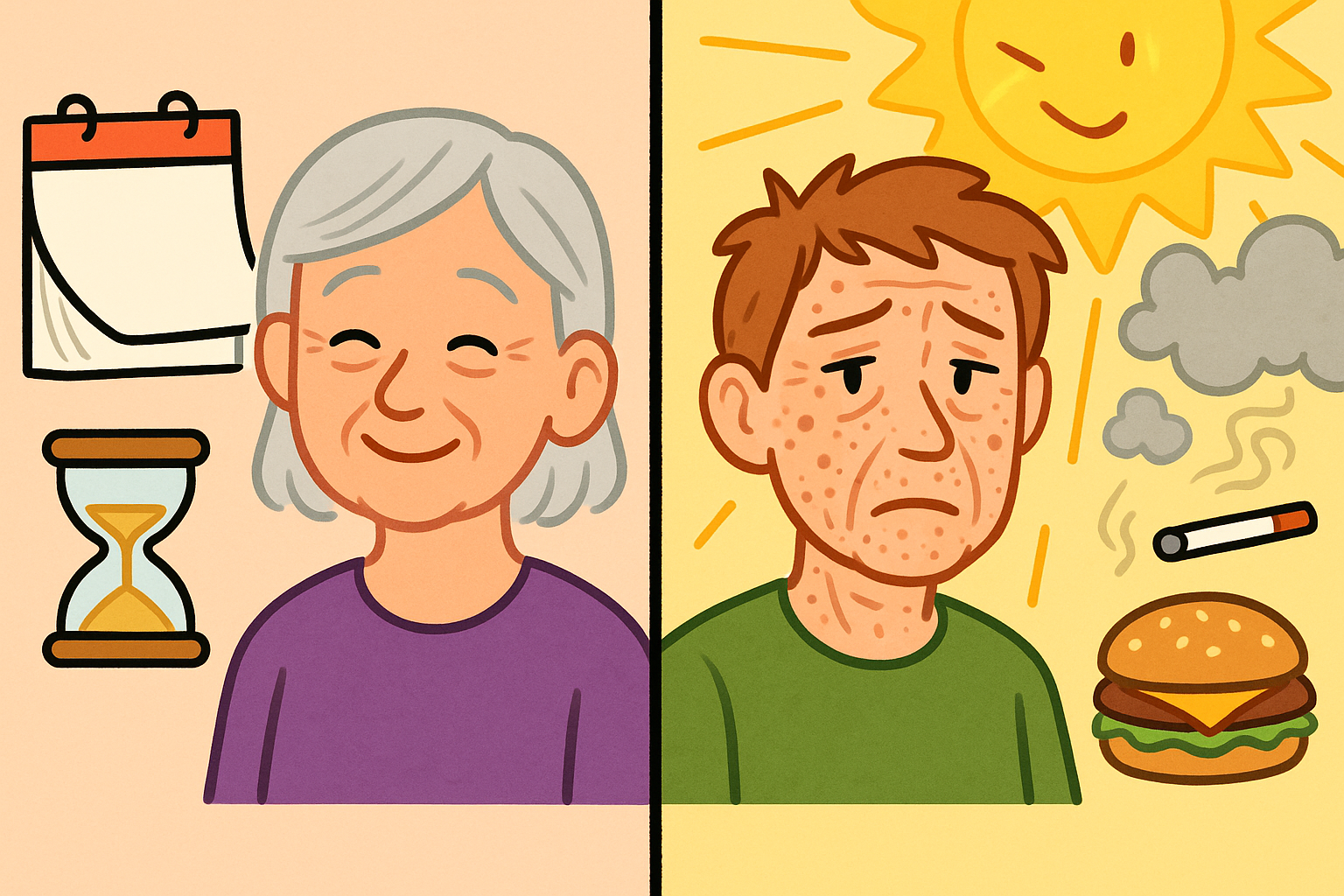
Intrinsic aging is the natural, chronological process controlled by our genetics. As we get older, our metabolism slows down, hormone levels change, and our cells divide more slowly. Extrinsic aging, often called photoaging, is caused by external factors. Sun exposure (ultraviolet radiation) is the biggest culprit, but pollution, smoking, and poor diet also play major roles.
These external factors accelerate aging through two main destructive forces:
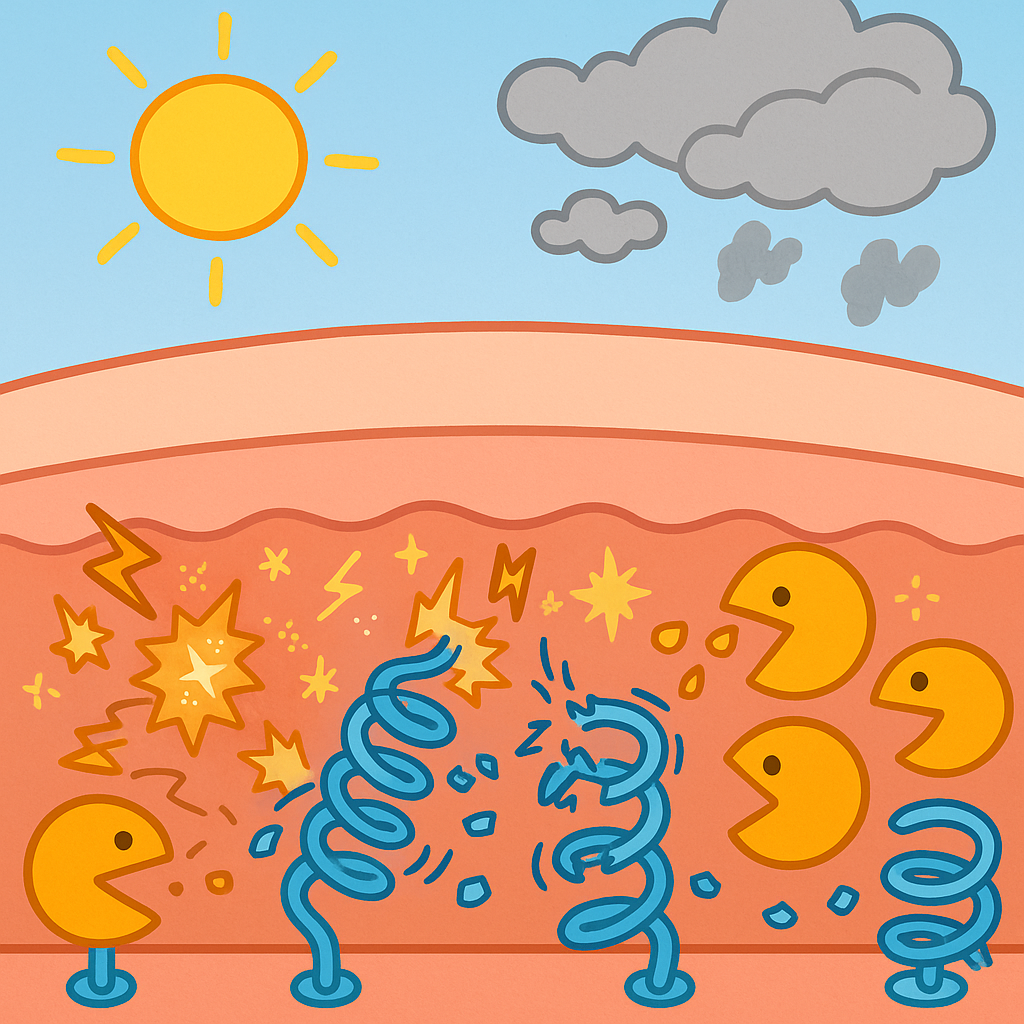
- Oxidative stress (ox-ih-DAY-tiv stress): When skin is exposed to UV light or pollution, it creates reactive oxygen species (ROS). These are unstable molecules that steal parts of other healthy cells to stabilize themselves, damaging DNA, proteins, and lipids in the process.
- Matrix metalloproteinases (MAY-triks meh-TAL-oh-PRO-tee-in-ay-zez) or MMPs: These are enzymes activated by UV light and stress. Their primary job is to break down damaged tissue, but in aging skin, they become overactive and break down healthy collagen and elastin.
Think of collagen and elastin as the mattress springs of your skin. They keep everything firm and bouncing back. Over time, UV rays and oxidative stress act like someone constantly jumping on the bed, breaking the springs down faster than your body can replace them.
What the Research Shows: Science-Backed Ingredients
Scientists have studied thousands of compounds to see if they can protect these “mattress springs” or help the body build new ones. Here is what the latest peer-reviewed research says about the most promising ingredients.
Nicotinamide (Vitamin B3)
Nicotinamide, commonly known in skincare as niacinamide, is a form of Vitamin B3. A 2025 review in Medicina (Kaunas, Lithuania) highlights it as a multifaceted molecule for skin health.
When applied to the skin, nicotinamide acts as a precursor to NAD+, a molecule that cells use for energy. As we age, our NAD+ levels drop, meaning our skin cells have less energy to repair DNA damage caused by the sun. By restoring this cellular energy, nicotinamide helps cells fix DNA damage before it leads to permanent aging signs or skin cancer. The research also shows that nicotinamide reduces inflammation and lowers oxidative stress, making it highly effective for improving the skin barrier and reducing redness, all while being very well tolerated by sensitive skin.
Bioactive Peptides
Peptides are short chains of amino acids that act as building blocks for proteins like collagen. Because whole collagen molecules are too large to absorb through the skin, scientists use smaller peptides to send signals to the skin cells.
Research has identified specific peptides that target the enzymes responsible for aging. For example, a study in Clinical, cosmetic and investigational dermatology evaluated a specific decapeptide called SA1-III. This peptide works by inhibiting elastase, an enzyme that destroys elastin. In clinical trials, women using a face cream containing this peptide for four weeks saw significant improvements in skin hydration, elasticity, and a reduction in skin roughness.
Another study in The Journal of clinical and aesthetic dermatology examined a peptide blend known as TriHex. Researchers found that it helped reduce the shortening of telomeres (TELL-oh-meers), the protective caps at the ends of our DNA strands that naturally wear down as we age.
Mushroom and Macrofungi Extracts
Mushrooms have been used in traditional medicine for centuries, and modern science is confirming their benefits for the skin. A 2024 review in Nutrients analyzed multiple mushroom species and found they are rich in polysaccharides, which are complex sugars that bind to water.
- Tremella fuciformis (Snow Mushroom): Research shows that polysaccharides from this mushroom are incredibly effective at holding water, acting similarly to hyaluronic acid. They also protect human skin cells (fibroblasts) from oxidative damage and promote wound healing.
- Ganoderma lucidum (Reishi): Extracts from this mushroom have been shown to inhibit tyrosinase, the enzyme responsible for producing melanin. This makes it a potential natural treatment for age spots and hyperpigmentation.
- Lentinula edodes (Shiitake): Contains compounds like L-ergothioneine that reduce inflammation and protect skin cells from environmental pollutants.
Korean Medicinal Herbs and Ginseng
Korean herbal medicine has a long history of promoting skin vitality. A 2024 study in Molecules looked closely at compounds isolated from the fresh roots of Panax ginseng (Korean ginseng).
Researchers identified a specific compound called Ginsenoside Rf. In laboratory tests on human skin cells, this compound significantly reduced intracellular oxidative stress. More importantly, it inhibited the MMP-1 enzyme, preventing it from breaking down collagen, while simultaneously promoting the synthesis of new Type I collagen.
A broader 2025 review in Current pharmaceutical biotechnology confirms that traditional Asian herbs, including green tea and licorice root, contain potent antioxidants that combat free radicals and prevent premature aging.
Fermented Botanicals
Fermentation is a process that breaks down complex plant materials into smaller, more easily absorbed molecules. A study in Frontiers in nutrition tested a selenium-enriched mung bean fermentation broth.
The fermentation process released high levels of polyphenols and amino acids. When tested on human volunteers over four weeks, a facial mask containing this broth significantly increased skin moisture, reduced melanin (dark spots), and decreased the appearance of crow’s feet wrinkles.
Plant Oils and Extracts
Many natural oils provide more than just moisture. They contain active compounds that alter how the skin behaves.
- Caviar Oil: A 2023 study in In vivo (Athens, Greece) found that caviar oil enhanced lipid accumulation in cells and reduced the expression of collagen-destroying enzymes. Clinical trials of a balm containing this oil showed improved skin density and moisture.
- Grape Seed Extract (Vitis vinifera): A 2021 review in Molecules noted that grape seed is highly prevalent in anti-aging cosmetics. It contains resveratrol and proanthocyanidins, which are potent antioxidants that prevent UV-induced skin damage.
- Moringa oleifera: A 2022 study in Frontiers in nutrition found that Moringa leaf extracts contain specific compounds (like 4-caffeoylquinic acid) that strongly bind to and inhibit the enzymes that break down collagen, elastin, and hyaluronic acid.
Related: Retinol for Skin Aging: What Science Says
How This Might Work: The Delivery Problem
Having a great ingredient is only half the battle. The human skin is designed to keep things out. If a molecule is too large, it will simply sit on the surface of the skin and wash off in the shower.
To solve this, scientists use nanotechnology. A 2022 review in Critical reviews in therapeutic drug carrier systems explains how ingredients are wrapped in Nanoliposomes (NAN-oh-LIP-oh-sohms) or solid lipid nanoparticles. These are microscopic fat bubbles that mimic the skin’s natural structure.
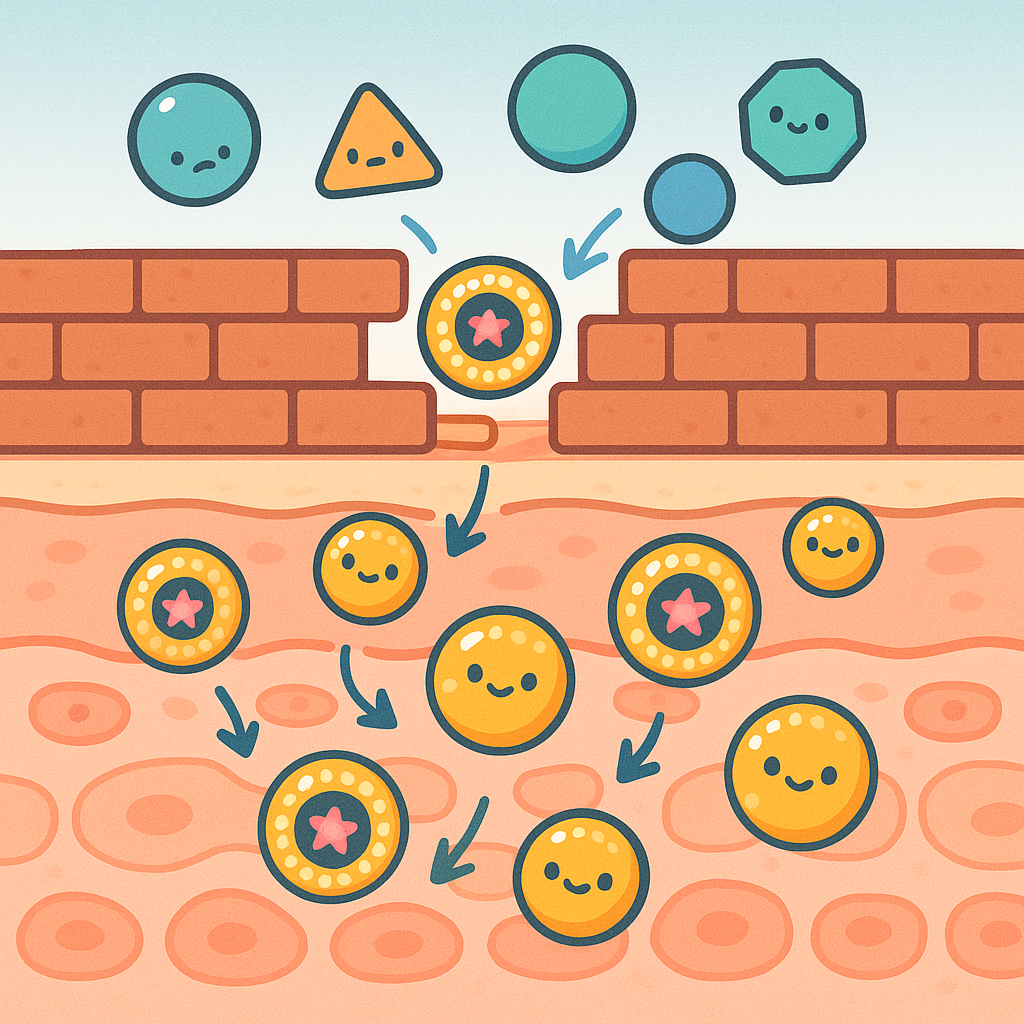
For example, a 2025 study in Current pharmaceutical biotechnology looked at Polydeoxyribonucleotide (PDRN), a compound used for tissue repair. On its own, it has poor skin permeability. But when wrapped in a nanoliposome, its ability to penetrate the skin increased significantly, allowing it to reach the deeper layers where collagen is made.
Related: Not All Supplements Are Created Equal: Bioavailability
Common Questions About Anti-Aging Skincare
Do natural ingredients work as well as synthetic chemicals?
Yes, many highly effective anti-aging compounds are naturally derived. For instance, coumarins, found in many plants, have been shown to possess strong antioxidant and photoprotective effects, making them excellent natural alternatives for skin protection.
Can skincare products actually rebuild lost collagen?
Topical products cannot magically replace all lost collagen, but they can help. Research shows that specific peptides and plant extracts (like ginseng) can signal your body to produce more pro-collagen while simultaneously blocking the enzymes that try to tear it down.
Is it too late to start an anti-aging routine?
It is never too late to improve skin health. While prevention (like sunscreen) is the most effective strategy, ingredients like niacinamide and ceramides can improve the skin barrier and hydration at any age, making the skin appear plumper and more resilient.
Where The Science Is Still Uncertain
While laboratory studies (testing on cells in a petri dish) often show incredible results for plant extracts and antioxidants, these results do not always translate perfectly to human skin. The stability of these ingredients is a major hurdle. Many antioxidants, like Vitamin C or certain plant polyphenols, degrade quickly when exposed to air and light.
Furthermore, while we know that ingredients like hesperetin (a compound found in citrus) can rejuvenate naturally aged skin in mice by activating specific longevity genes (as seen in a 2024 study in the Journal of biomedical science), we need more long-term clinical trials on humans to confirm if the exact same genetic reversal happens in our skin.
The Bottom Line
The science of anti-aging skincare has moved far beyond simple moisturizers. Research confirms that skin aging is driven by oxidative stress and the breakdown of structural proteins like collagen and elastin.
Evidence strongly supports the use of ingredients like niacinamide for cellular repair, specific peptides for enzyme blocking, and antioxidant-rich botanical extracts (like ginseng, grape seed, and mushroom polysaccharides) for protection. However, the effectiveness of these ingredients depends heavily on their formulation. Delivery systems like nanoliposomes are crucial for ensuring these active compounds actually penetrate the skin barrier to do their job. Ultimately, a science-backed routine involves protecting the skin from UV damage while supplying it with the tools it needs to repair itself.
Quick Reference: Key Studies
| Study Focus | Key Finding | Source |
|---|---|---|
| Nicotinamide (Vitamin B3) | Restores cellular energy, aids in DNA repair, and reduces UV-induced inflammation without severe side effects. | PMID 40005371 |
| SA1-III Peptide | Inhibits the elastase enzyme, reducing collagen degradation and improving skin elasticity and hydration in clinical trials. | PMID 36540724 |
| Panax Ginseng (Ginsenoside Rf) | Reduces oxidative stress and inhibits MMP-1, preventing the breakdown of collagen in human dermal cells. | PMID 39598869 |
| Mushroom Extracts (Tremella) | Polysaccharides from snow mushrooms provide deep hydration, protect against UVA damage, and promote wound healing. | PMID 39203946 |
| PDRN Nanoliposomes | Encapsulating active ingredients in nanoliposomes significantly increases their ability to penetrate the skin barrier. | PMID 39995124 |
| Mung Bean Fermentation | Selenium-enriched fermented mung bean broth improved skin moisture and reduced dark spots in a 4-week human trial. | PMID 35369078 |
Last updated: March 2026
This article synthesizes findings from peer-reviewed research. It is for educational purposes only and does not constitute medical advice. Consult a healthcare provider or dermatologist before starting any new skincare regimen, especially if you have sensitive skin or underlying skin conditions.



Leave a Reply