The Science of Dermal Fillers: What Research Actually Shows About Anti-Aging
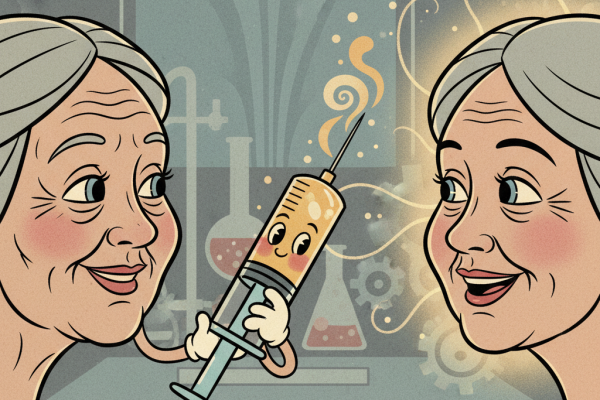
Modern dermal fillers do more than just take up space. Recent research shows they interact with our cells to build collagen and regenerate lost tissue.
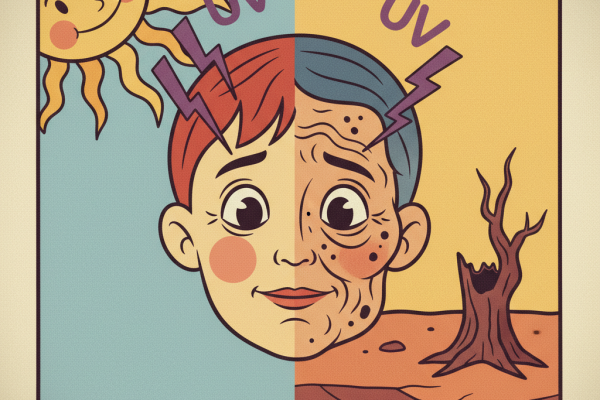
Research shows that up to 80 percent of visible skin aging is caused by the sun. Discover how ultraviolet light, cellular energy, and even sugar interact to age the skin, and what science says actually works to protect it.
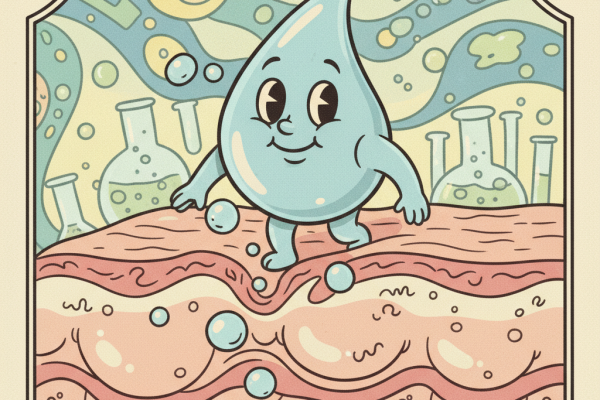
Hyaluronic acid is one of the most popular ingredients in skincare, but does it actually work? Research shows its ability to hydrate and repair the skin depends entirely on its molecular size and how it is delivered into the body.
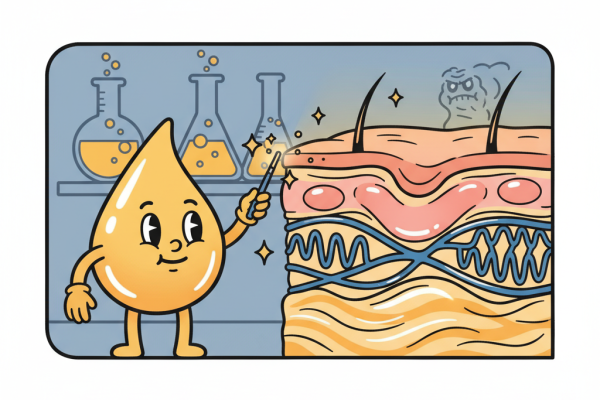
Anti-aging skincare is often surrounded by hype, but science shows that specific ingredients can genuinely protect and repair the skin. Discover how vitamins, peptides, and botanical extracts work at the cellular level to block collagen-destroying enzymes and improve hydration.
Retinol is the most widely studied anti-aging skincare ingredient, shown to reduce wrinkles, boost collagen, and improve skin texture. A 2025 clinical trial also tested a new cyclic peptide (CHP-9) against retinol, with promising early results, though retinol remains the better-studied option.