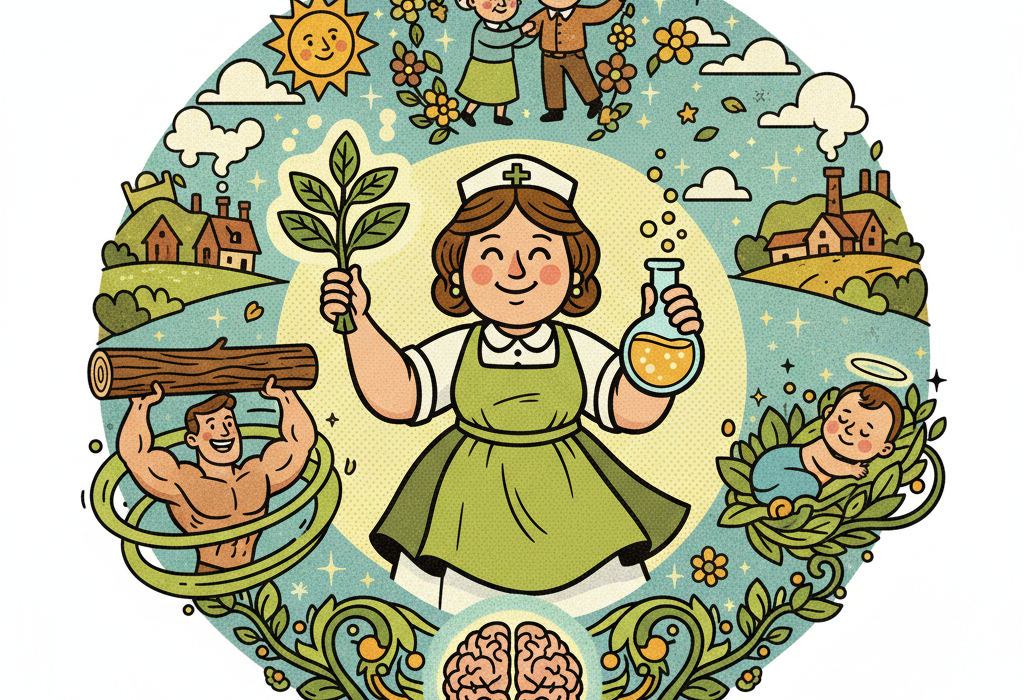
The Science Behind Herbal Remedies
For most of human history, plants were our primary source of medicine. Even today, many common prescription drugs have plant origins. For example, aspirin was originally derived from willow bark, and certain early heart medications came from the foxglove plant.
Today, herbal medicine remains incredibly popular. Millions of people take plant-based supplements hoping to improve their sleep, reduce joint pain, or manage stress. This raises an important question for modern science: do these traditional remedies actually work?
Research shows that many herbal medicines do have measurable effects on the human body. Certain plants contain active compounds that reduce inflammation, protect organ health, and alter brain chemistry. However, just because a product is natural does not mean it is completely harmless.
This article explores what peer-reviewed research actually says about popular herbal medicines, how they interact with our biology, and who needs to be careful when using them.
How Herbal Medicine Interacts With Your Body
To understand how herbal medicine works, we have to look at the microscopic chemicals inside plants. Plants cannot run away from predators or seek shelter from harsh weather. Instead, they produce chemical defenses to protect themselves from insects, infections, and ultraviolet light.
These plant chemicals are called phytochemicals (FY-toe-KEM-ih-kals). When humans consume these plants, the phytochemicals interact with our own biological systems.
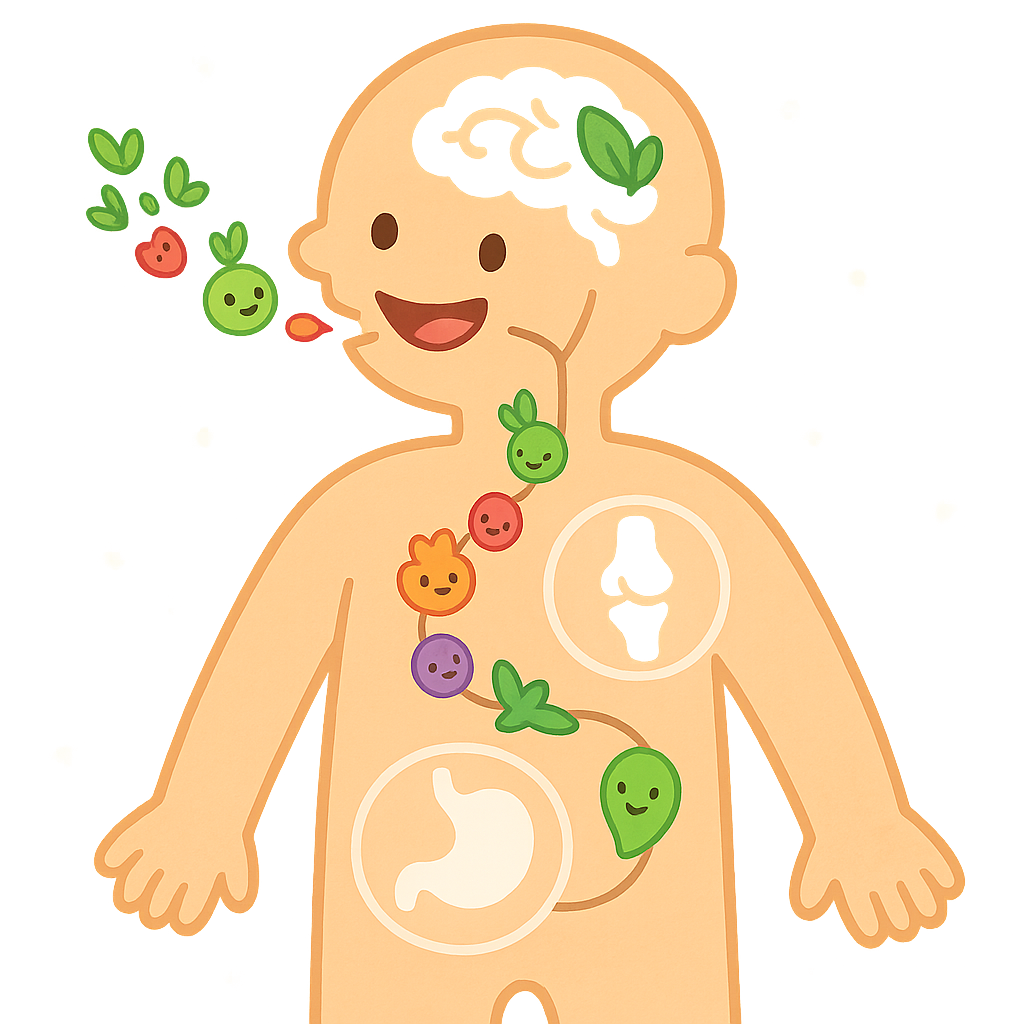
Interestingly, humans and plants share many similar cellular pathways. A 2015 review in Advances in biochemical engineering/biotechnology explains that certain plant molecules can bind to human nerve receptors, block inflammatory enzymes, or act as antioxidants.
Scientists are also discovering new ways plants deliver these chemicals into our bodies. For example, a 2025 study in the Journal of nanobiotechnology found that fresh plants contain tiny fat bubbles called exosome-like nanoparticles. These microscopic bubbles act like delivery vehicles. They carry plant proteins and fats directly into animal cells, which may help explain why some fresh herbs have strong anti-inflammatory effects.

What the Research Shows: Everyday Spices for Health
You might already have some of the most heavily researched herbal medicines in your kitchen cabinet. Culinary spices have been studied extensively for their effects on digestion, blood sugar, and joint health.
Turmeric and Ginger for Inflammation
Turmeric and ginger are closely related plants with well-documented effects on the body’s inflammatory response.
Turmeric contains an active compound called curcumin. According to a 2019 review in the Journal of AOAC International, curcumin blocks specific enzymes that cause swelling and pain. Clinical trials show that turmeric extracts can provide pain relief for osteoarthritis that is comparable to standard over-the-counter pain medications. Related: What Blood Tests for Inflammation Actually Tell Us About Your Health
Ginger works in a similar way. The same 2019 review notes that ginger contains compounds called gingerols and shogaols. These chemicals suppress the production of inflammatory markers in the body. Clinical studies confirm that ginger is also highly effective at reducing nausea, particularly during pregnancy or following surgical procedures.
Cinnamon for Blood Sugar
Cinnamon has gained attention for its potential role in metabolic health. Research indicates that compounds in cinnamon can mimic insulin, helping cells absorb glucose from the bloodstream.
However, the evidence is mixed regarding how well it works for everyone. The 2019 review in the Journal of AOAC International notes that while doses of 3 grams or more per day improved glucose control in some diabetic patients, lower doses often showed no significant effect. Related: What Science Actually Says About Blood Sugar After Meals
What the Research Shows: Herbs for Sleep and Anxiety
Many people turn to herbal supplements to calm their minds and improve their sleep quality. Research shows that certain plants interact with the brain’s neurotransmitters to produce a relaxing effect.
Valerian Root and Passionflower
Valerian root is one of the most popular herbal sleep aids. A 2020 meta-analysis in the Journal of evidence-based integrative medicine reviewed 60 studies on valerian. The researchers found that valerian improved subjective sleep quality and reduced anxiety. However, the study noted that results were sometimes inconsistent. The researchers suggested that using the whole root might be more reliable than using highly processed extracts.
Passionflower (Passiflora) is another common calming herb. A 2020 review in TheScientificWorldJournal explains that passionflower contains flavonoids that bind to GABA receptors in the brain. GABA is a chemical messenger that slows down brain activity, which helps reduce anxiety. While clinical trials are small, they suggest passionflower can help manage mild nervous tension.
Saffron and Lavender
Saffron and lavender are also being studied for mental health. A 2018 review in Phytotherapy research evaluated multiple herbs for depression and anxiety. The review found that saffron and lavender produced benefits comparable to some standard anti-anxiety medications, often with fewer side effects like drowsiness or nausea.
What the Research Shows: Herbs for Organ Health
Beyond spices and sleep aids, researchers are investigating herbs that support the liver, heart, and immune system.
Artichoke Leaf Extract
Artichoke leaf extract is frequently studied for its effects on digestion and cholesterol. A 2024 review in Nutrients explains that artichoke leaves are rich in antioxidants like chlorogenic acid. These compounds help neutralize free radicals that damage cells.
Additionally, a 2015 review in Plant foods for human nutrition highlights that artichoke extract stimulates bile production in the liver. Bile helps the body break down fats and clear cholesterol. Clinical trials show that regular use of artichoke extract can modestly lower total cholesterol and triglycerides in the blood.
Moringa Oleifera
Moringa is a tree native to parts of Asia and Africa. It is sometimes called the “miracle tree” because almost every part of the plant is edible and rich in nutrients. A 2023 review in the International journal of molecular sciences outlines its numerous studied benefits. Moringa leaves contain high levels of vitamins and flavonoids. Animal and human studies suggest Moringa extracts help protect the liver from toxic damage, reduce blood pressure, and improve blood sugar tolerance.
Herbal Medicine in Cancer Care
Herbal medicines are not a cure for cancer. However, oncologists and researchers are studying how herbs might help manage the severe side effects of chemotherapy and radiation.
For instance, a 2024 randomized controlled trial in the Journal of ethnopharmacology tested a traditional Chinese herbal mixture called Hezhong granules on patients with advanced colorectal cancer. Patients who took the herbal granules alongside standard anti-nausea drugs had significantly less delayed nausea and vomiting compared to those taking standard drugs alone.
Similarly, a 2024 meta-analysis in Integrative cancer therapies looked at gastric cancer patients recovering from surgery. The researchers found that combining traditional herbal medicine with standard chemotherapy improved the patients’ overall quality of life and reduced the toxic side effects of the drugs. Related: How Science Actually Manages Chemotherapy Side Effects
Who Needs Caution: The Hidden Risks of Herbal Medicine
The most significant risk associated with herbal medicine is how it interacts with prescription drugs. Because herbs contain active chemicals, they can change how the body absorbs, processes, or eliminates standard medications.
To understand this, we have to look at the liver. The liver is like a chemical processing plant. It uses a specific family of enzymes called Cytochrome P450 (SY-toe-krome P-four-fifty) to break down toxins and medications.
Many herbal medicines either block these enzymes or force them to work too quickly. A 2017 review in Blood reviews highlights how dangerous this can be for people taking blood thinners like warfarin.

For example:
- St. John’s Wort: This herb speeds up liver enzymes. If a patient takes St. John’s Wort, their body breaks down their blood thinner too fast. The medication stops working, putting the patient at risk for a blood clot.
- Chamomile and Ginkgo Biloba: In large amounts, these herbs can block liver enzymes. This causes the blood thinner to build up in the body, which can lead to severe internal bleeding.
Anyone taking blood thinners, heart medications, or chemotherapy drugs must speak with a doctor before starting any herbal supplement.
Where The Science Is Still Uncertain
While many studies show positive results for herbal medicines, scientists often urge caution because the quality of the research varies widely.
For example, a 2022 overview in Phytomedicine analyzed dozens of studies that tested herbal medicines for treating COVID-19. While most of the studies reported that the herbs were helpful, the reviewers found that the actual experiments were poorly designed. Many lacked proper control groups or failed to report their methods clearly.
Similarly, a 2018 review in Complementary therapies in medicine looked at herbal treatments for brain swelling after a hemorrhage. Again, while the results looked positive on paper, the researchers noted that the clinical trials were too small and had too many methodological flaws to draw a firm conclusion.
Another major uncertainty is product quality. Unlike prescription drugs, herbal supplements are not strictly regulated in many countries. One bottle of valerian root might contain a high dose of active phytochemicals, while another brand might contain almost none. This inconsistency makes it difficult to guarantee that an herbal supplement will work the same way every time.
Common Questions About Herbal Medicine
Are herbal supplements regulated like regular medications?
In most countries, herbal supplements are regulated as food products, not drugs. This means manufacturers do not always have to prove their products are effective before selling them, and the exact concentration of ingredients can vary between brands.
Can I take herbal supplements instead of my prescription medication?
No. Herbal medicines should never replace prescribed treatments for serious or chronic conditions without direct medical supervision. They are best used as complementary approaches for symptom management.
If a plant is natural, does that mean it is safe to take every day?
Not necessarily. Natural compounds can still cause liver strain, allergic reactions, or interact with other daily medications. It is always best to follow dosage instructions and take breaks from long-term supplement use.
The Bottom Line
Science confirms that herbal medicines are more than just old folk tales. Plants produce complex chemicals that can reduce inflammation, calm the nervous system, and support organ health.
- What we know: Spices like ginger and turmeric have proven anti-inflammatory benefits. Herbs like valerian and passionflower can modestly improve sleep and anxiety.
- What remains uncertain: The exact optimal doses are often unknown, and the quality of commercial supplements is highly variable.
- Who should be careful: Anyone taking prescription medications, especially blood thinners, must be extremely cautious due to the high risk of chemical interactions in the liver.
Herbal medicine offers valuable tools for maintaining health, provided they are used with the same respect and caution as any other medical treatment.
Quick Reference: Key Studies
| Study Focus | Key Finding | Source |
|---|---|---|
| Valerian Root & Sleep | Meta-analysis found valerian improves subjective sleep quality and anxiety, though extract quality varies. | PMID 33086877 |
| Passionflower & Anxiety | Flavonoids in Passiflora bind to GABA receptors, offering a mechanism for its calming effects. | PMID 32765195 |
| Artichoke Leaf Extract | Extract provides antioxidant benefits and helps lower cholesterol by enhancing bile production. | PMID 38542782 |
| Culinary Spices | Curcumin and ginger show significant anti-inflammatory properties; cinnamon may aid blood sugar control. | PMID 30651162 |
| Blood Thinner Interactions | St. John’s Wort, Ginkgo, and Chamomile can dangerously alter how the liver processes oral anticoagulants. | PMID 28196633 |
| Herbs in Cancer Care | Traditional herbal medicine combined with chemotherapy improved quality of life in gastric cancer patients. | PMID 38281123 |
| Chemotherapy Nausea | Hezhong herbal granules effectively reduced delayed nausea in patients with advanced colorectal cancer. | PMID 38341113 |
Last updated: April 2026
This article synthesizes findings from peer-reviewed research. It is for educational purposes only and does not constitute medical advice. Consult a healthcare provider before starting any new regimen.
Leave a Reply