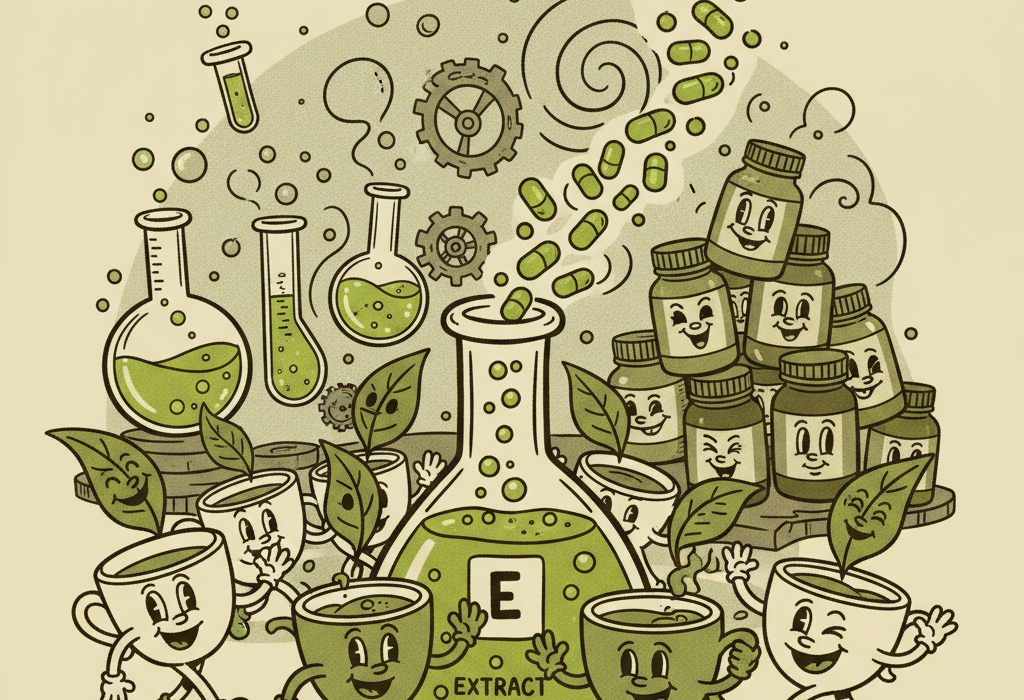
Green tea is one of the most widely consumed beverages in the world, second only to water. For centuries, it has been praised for its health benefits. In recent years, scientists have isolated the active compounds in green tea and packaged them into highly concentrated green tea extract supplements.
Many people take these supplements hoping to speed up weight loss, improve exercise performance, or protect against chronic diseases. But is taking a concentrated pill the same as sipping a warm cup of tea?
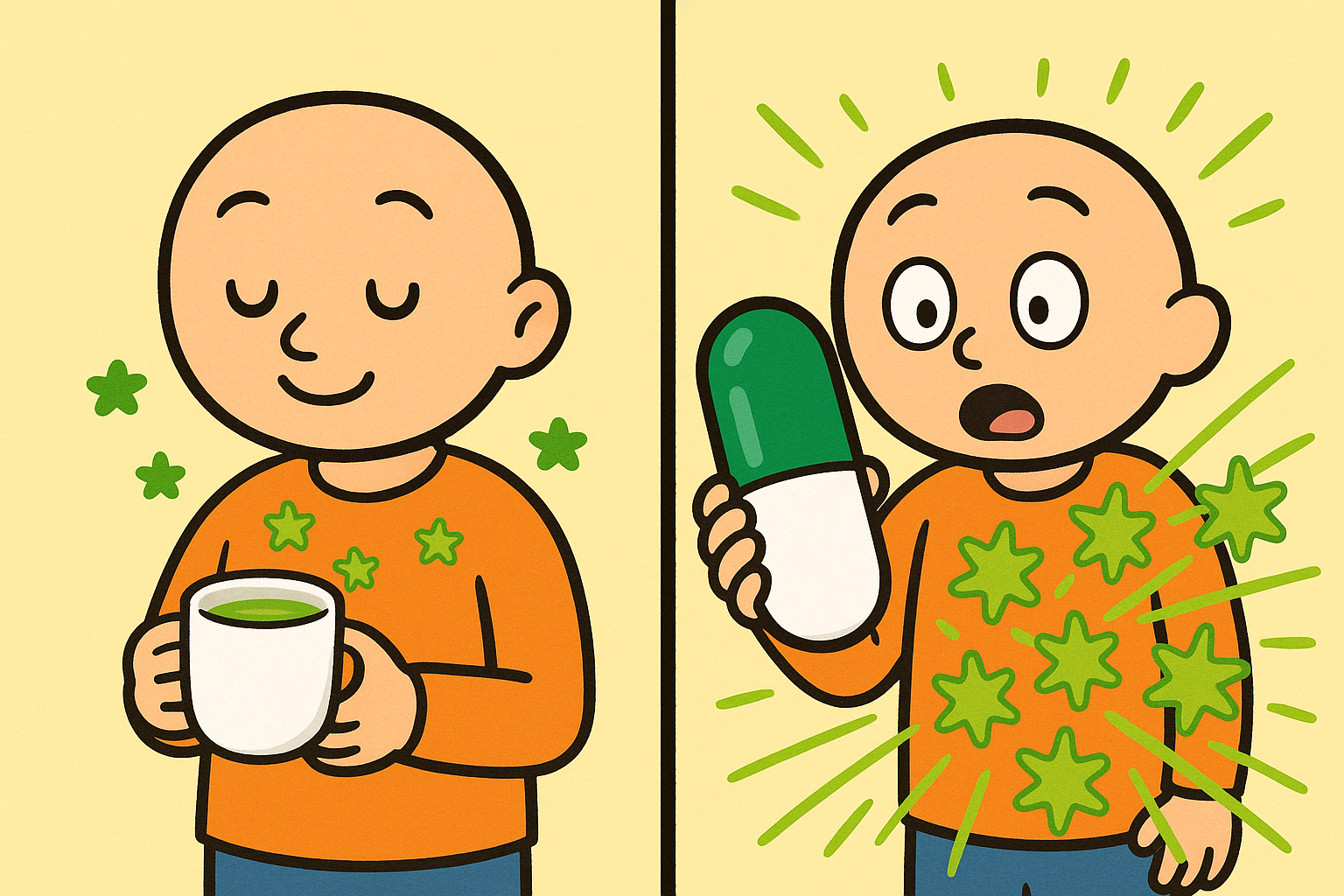
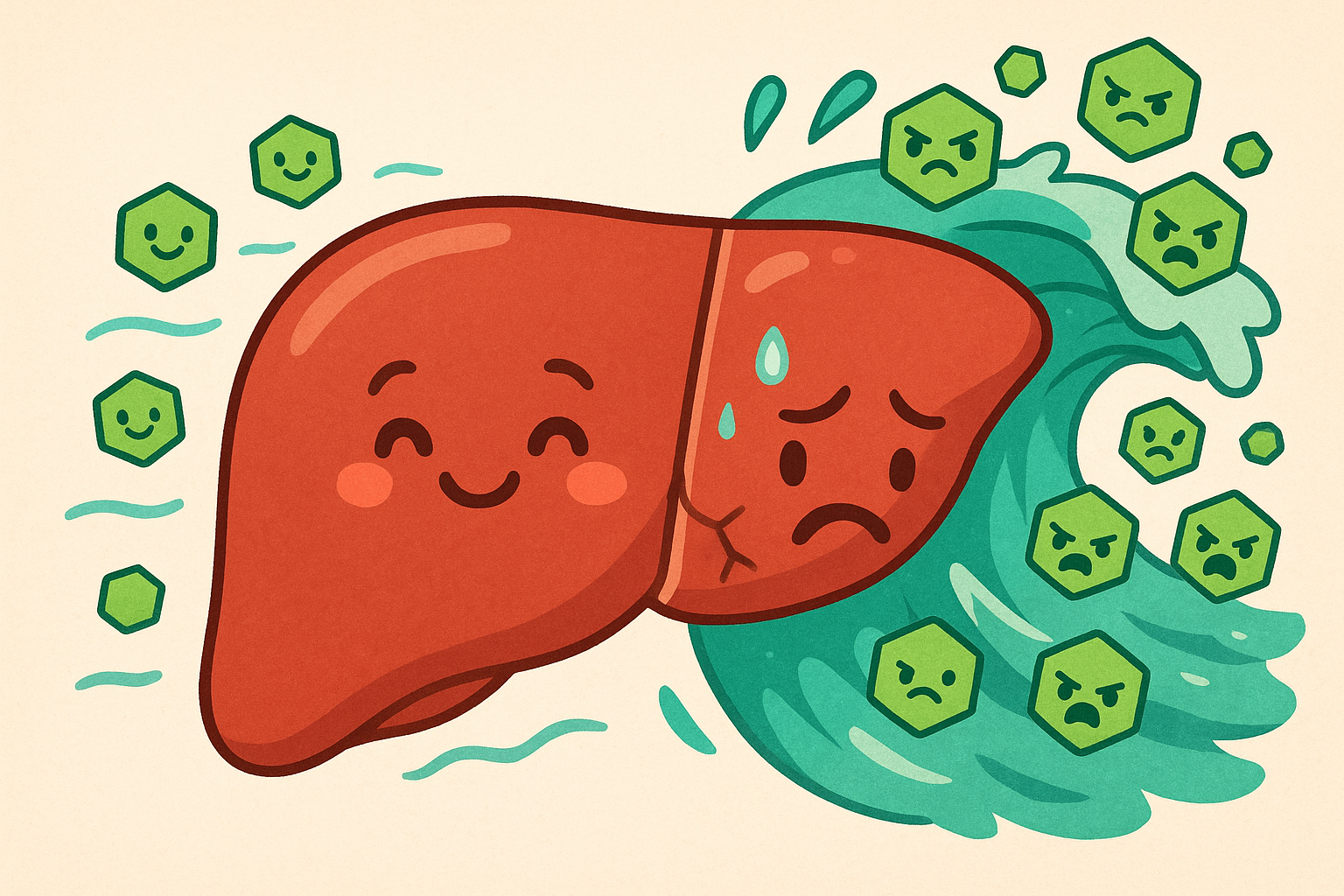
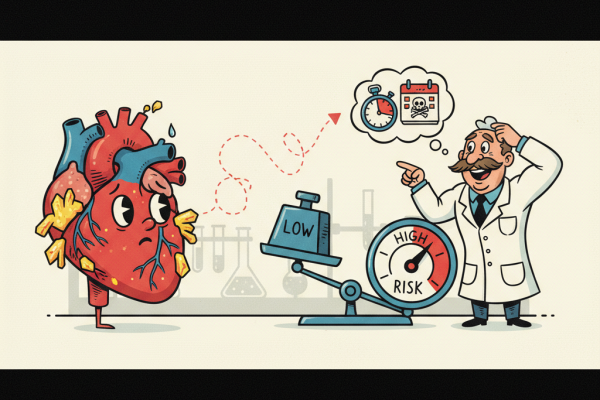
The short answer is no. While research shows that green tea extract can provide modest benefits for weight loss and metabolic health, taking it in high, concentrated doses presents unique safety concerns that do not exist with brewed tea. Specifically, scientists have identified a link between high-dose green tea extract and liver injury.
This article will break down what the latest peer-reviewed research actually says about the benefits, the biological mechanisms, and the safety limits of green tea extract supplements.
How Green Tea Extract Works in the Body
To understand how green tea extract affects your body, it helps to understand its main ingredients. Green tea leaves contain high levels of natural plant compounds called polyphenols. The most active and abundant of these are a specific type of polyphenol known as catechins.
- Catechins (KAT-eh-kins) – natural antioxidants that help prevent cell damage.
- EGCG (Epigallocatechin gallate) – the most powerful and abundant catechin in green tea, responsible for most of its health effects.
When you drink brewed green tea, you consume a moderate amount of EGCG mixed with water. When you take a green tea extract supplement, you are often consuming a massive, highly concentrated dose of EGCG all at once.
Once absorbed, EGCG influences the body by interacting with enzymes and hormones. For example, it inhibits an enzyme that normally breaks down norepinephrine, a hormone that signals your body to burn fat. By keeping norepinephrine active for longer, EGCG helps promote thermogenesis (ther-mo-JEN-eh-sis), which is the process of your body burning calories to produce heat.

Related: Understanding Fat Metabolism: How Your Body Actually Stores and Burns Fat
What the Research Shows About the Benefits
Scientists have studied green tea extract across a variety of health conditions. While it is not a magic cure for any disease, the evidence does point to several specific, measurable benefits.
Modest Weight Loss and Fat Burning
Weight loss is the most common reason people take green tea extract. The research suggests it does work, though the effects are generally mild.
A 2020 meta-analysis in Phytotherapy Research reviewed 26 randomized controlled trials involving over 1,300 patients. The researchers found that green tea supplementation significantly reduced body weight by an average of 1.78 kilograms (about 3.9 pounds) and lowered Body Mass Index (BMI). Interestingly, the study noted that the best results occurred when participants took moderate doses (under 500 milligrams per day) for longer than 12 weeks.
Another 2016 clinical trial in Clinical Nutrition studied women with central obesity. After 12 weeks of taking a high dose of green tea extract (856.8 mg of EGCG daily), the women experienced significant weight loss, reduced waist circumference, and a consistent decrease in LDL (bad) cholesterol compared to a placebo group.
Related: What Science Actually Says About Weight Loss and Obesity
Improved Exercise Endurance
Athletes sometimes use green tea extract to improve their stamina. Research indicates that the catechins in green tea can shift the body’s energy preference during exercise, encouraging muscles to burn fat for fuel rather than relying solely on stored carbohydrates.
A 2025 crossover trial in Nutrients tested the effects of green tea extract and ginger on recreationally active men. The researchers found that green tea extract significantly increased the participants’ time to exhaustion during cycling tests. It also reduced their respiratory exchange ratio, meaning their bodies were successfully burning more fat for energy. When combined with ginger, the supplement also improved thermal comfort and reduced perceived exertion in cold environments.
Unexpected Benefits: Acne and Tooth Enamel
Beyond metabolism, green tea extract has shown promise in a few surprising areas of health:
- Acne Reduction: Because EGCG has anti-inflammatory and antimicrobial properties, it may help skin conditions. A 2023 systematic review in JAMA Dermatology found that oral green tea extract reduced inflammatory acne lesions on the nose, chin, and mouth area, though it did not necessarily change patients’ overall quality of life scores.
- Tooth Protection: Highly acidic beverages, like energy drinks, can erode tooth enamel and dentin. A 2023 study in Oral Health & Preventive Dentistry found that supplementing acidic energy drinks with green tea extract provided a protective effect, significantly reducing erosive tooth wear in laboratory tests.
The Core Tension: Liver Safety and High Doses
While the benefits of green tea extract are well-documented, the safety of these supplements has become a major focus for medical researchers.
Drinking brewed green tea is universally considered safe. In fact, a large 2022 analysis of US NHANES data found that drinking green tea beverages was actually associated with a reduced risk of abnormal liver biomarkers.
However, concentrated green tea extract supplements tell a different story.
According to a 2017 review in Hepatology, green tea extract is now recognized as a potential cause of hepatotoxicity (hep-a-toe-tox-ISS-ih-tee), which means chemical-driven liver damage. The injury usually presents as an acute hepatitis-like illness, with symptoms developing one to three months after starting the supplement.
Related: What Blood Tests for Inflammation Actually Tell Us About Your Health
Why Do Supplements Cause Harm When Tea Does Not?
The risk comes down to dosage and how the body absorbs the compounds. A standard cup of brewed green tea contains roughly 50 to 100 milligrams of EGCG. Furthermore, when you drink tea, you consume it slowly, often alongside food.
Green tea extract pills can contain anywhere from 400 to over 1,000 milligrams of EGCG per dose. When a person takes a massive dose of EGCG on an empty stomach, the body absorbs it very rapidly. A 2017 safety assessment in Toxicology Letters explains that these high, rapid spikes in EGCG can cause oxidative stress inside liver cells, leading to inflammation and cell damage.
The Role of Genetics
Scientists have also discovered that liver injury from green tea extract is partly idiosyncratic, meaning it only happens to certain people based on their biology.
A 2025 review in Liver International highlighted a remarkably strong link between green tea extract liver injury and a specific genetic variation known as the HLA-B*35:01 allele. People who carry this genetic marker are at a significantly higher risk of experiencing liver damage when taking high doses of green tea extract. Because most people do not know their genetic status for this allele, high doses remain a gamble.
Who Benefits and Who Needs Caution
Based on the available evidence, we can categorize how different populations should approach green tea extract.
Who might benefit:
- Adults looking for a mild boost to a diet and exercise program for weight management.
- Athletes seeking to improve fat oxidation and endurance during prolonged exercise.
Who should exercise caution or avoid it:
- People with existing liver conditions: Anyone with a history of liver disease, elevated liver enzymes, or hepatitis should avoid concentrated green tea extract.
- People taking multiple medications: Green tea extract can interact with certain prescription drugs by altering how the liver metabolizes them. Always consult a pharmacist or doctor before mixing supplements with medications.
- Pregnant women: High doses of catechins can interfere with folic acid absorption, which is critical during pregnancy.
Practical Guidance for Safe Use
If you choose to use green tea extract supplements, researchers and toxicologists suggest several practical steps to minimize your risk:
1. Keep the dose low: A safety review published in Toxicology Letters proposed that a safe upper intake level for dietary supplements is 300 milligrams of EGCG per day. Check the supplement label specifically for the EGCG content, not just the total green tea extract weight.
2. Take it with food: Taking green tea extract on an empty stomach significantly increases how much EGCG enters your bloodstream at once, which increases the risk to your liver. Taking it with a meal slows down absorption.
3. Stop if you feel unwell: If you develop symptoms like dark urine, severe fatigue, abdominal pain, or yellowing of the skin or eyes (jaundice), stop taking the supplement immediately and contact a doctor.
Common Questions About Green Tea Extract
Is drinking green tea just as effective as taking the extract?
Brewed green tea provides the same beneficial catechins as the extract, just in lower concentrations. While you might not get the sudden metabolic spike seen in high-dose supplement studies, regular tea drinking is linked to better long-term health outcomes and carries zero risk of the liver toxicity associated with pills.
Does green tea extract prevent cancer?
While laboratory studies show that EGCG can inhibit cancer cell growth in a petri dish, human trials are much less clear. A 2020 Cochrane Database systematic review looked at 142 studies and concluded that the evidence for green tea preventing cancer is inconsistent and currently too limited to prove a clear protective effect.
Can green tea extract replace diet and exercise for weight loss?
No. The clinical trials showing weight loss benefits emphasize that green tea extract provides a mild enhancement (roughly 3 to 4 pounds over several months). It works best as an addition to a healthy diet and active lifestyle, not a replacement for them.
The Bottom Line
Green tea extract is a highly concentrated source of powerful plant compounds. The scientific consensus shows that it can provide genuine, measurable benefits for fat oxidation, modest weight loss, and exercise endurance.
However, more is not better. While drinking green tea is incredibly safe, taking high-dose extract supplements (especially those containing more than 800 mg of EGCG daily) carries a documented risk of liver injury.
If you want to use green tea extract, the safest approach is to limit your intake to under 300 mg of EGCG per day, always take it with food, and treat it as a small helper in your overall health routine rather than a magic solution.
Quick Reference: Key Studies
| Study Focus | Key Finding | Source |
|---|---|---|
| Weight Loss Meta-Analysis | GTE significantly reduced body weight by an average of 1.78 kg, with best results under 500 mg/day for >12 weeks. | PMID 32372444 |
| Liver Safety Limits | Proposes a safe upper intake level of 300 mg EGCG/day for supplements to avoid liver toxicity. | PMID 28655517 |
| Exercise Endurance | GTE combined with ginger improved cycling time to exhaustion and fat oxidation in active men. | PMID 41010475 |
| Hepatotoxicity Genetics | Liver injury from GTE is strongly linked to the HLA-B*35:01 genetic allele. | PMID 39136211 |
| High-Dose EGCG in Women | 856.8 mg/day of EGCG reduced weight and LDL cholesterol but caused mild elevations in liver enzymes. | PMID 26093535 |
| Cancer Prevention | A massive review found inconsistent and limited evidence that green tea prevents cancer in humans. | PMID 32118296 |
Last updated: April 2026
This article synthesizes findings from peer-reviewed research. It is for educational purposes only and does not constitute medical advice. Consult a healthcare provider before starting any new regimen.

Leave a Reply