How to Prevent Blood Clots (DVT): What the Latest Science Says
Deep vein thrombosis (DVT) is a common but preventable condition. Learn what the latest research says about travel risks, compression stockings, and how to protect your vascular health.
Platelet-Rich Plasma (PRP) uses your own blood to promote healing. Research shows it can be effective for hair loss and mild joint pain, but results vary widely depending on how it is prepared.
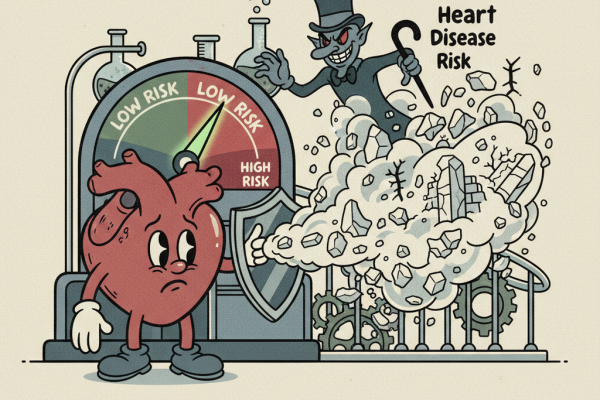
A Coronary Artery Calcium (CAC) scan directly measures calcified plaque in your heart's arteries. Discover what the numbers mean, who benefits from the test, and how a score of zero can impact your need for medication.
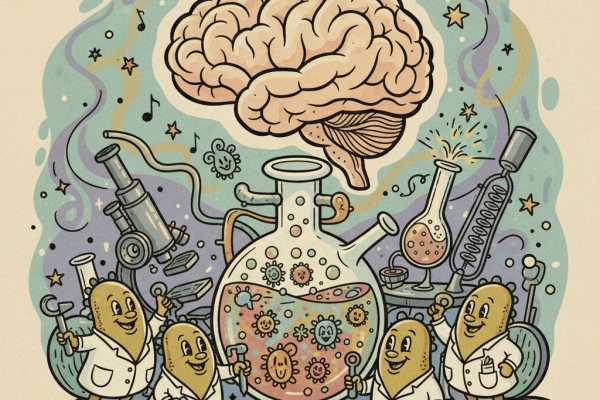
Psychobiotics are a special class of gut bacteria that may influence mental health. Learn how the gut-brain axis works and what the latest research says about using probiotics for anxiety and depression.
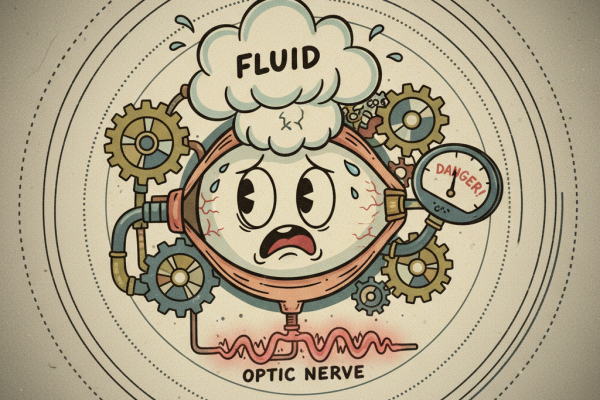
Glaucoma is widely known as a disease of high eye pressure, but modern science reveals it is much more complex. Discover how blood flow, brain fluid, and daily activities all play a role in optic nerve health.
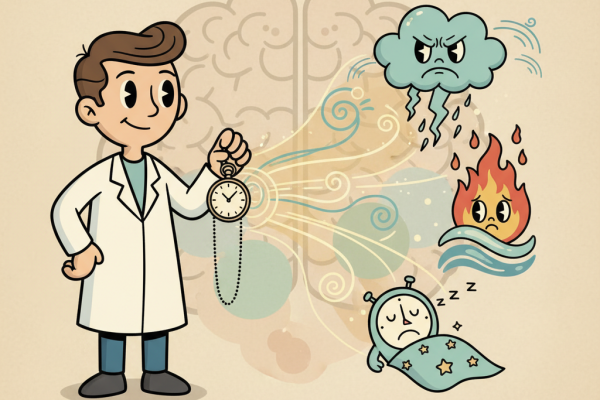
Medical hypnotherapy is a proven tool for managing irritable bowel syndrome, chronic pain, and hot flashes. Discover what the latest science says about how it works and where the evidence falls short.
Cartilage lacks a blood supply, making it notoriously difficult for the body to heal joint damage. Explore the latest science on surgical options, from microfracture to lab-grown cells, and learn which treatments offer the best long-term results.
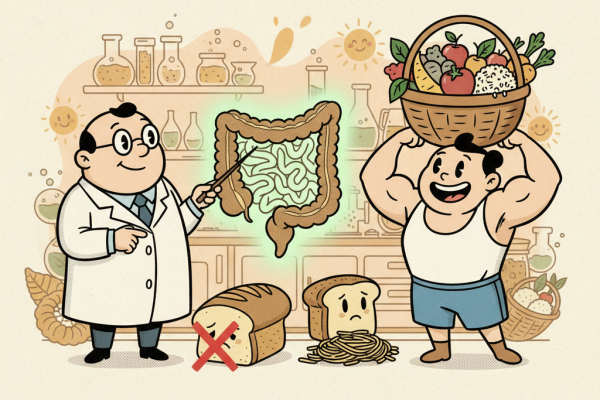
A gluten-free diet is the only proven treatment for celiac disease, but it comes with surprising nutritional challenges. Research shows that relying on packaged gluten-free foods can increase the risk of weight gain and liver issues due to hidden fats and sugars.
Macular degeneration is a leading cause of vision loss in older adults. While the total number of global cases is rising as the population ages, new treatments and lifestyle changes offer solid evidence for protecting your eyesight.
Deciding between a hearing aid and a cochlear implant depends on the severity of hearing loss. While hearing aids amplify sound, cochlear implants bypass damaged ear structures to stimulate the auditory nerve directly.