What Science Actually Says About Smoking and Secondhand Smoke
Tobacco smoke does more than just damage the lungs. Recent research reveals how it alters our DNA, disrupts hormones, and creates hidden health risks for children and bystanders.
Medication-Assisted Treatment (MAT) is considered the gold standard for opioid addiction, yet it remains widely misunderstood. Science shows that medications like methadone, buprenorphine, and naltrexone stabilize brain chemistry and significantly reduce the risk of fatal overdose.
Postpartum depression affects up to 15% of mothers and 10% of fathers. Discover what the latest science says about the biological causes, risk factors, and new treatments for this common condition.
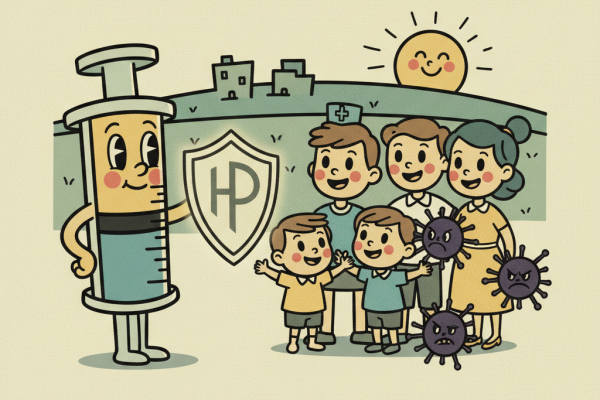
Human papillomavirus is incredibly common, but the cancers it causes are highly preventable. Learn what science says about HPV vaccines, screening, and everyday habits that lower your risk.
In vitro fertilization (IVF) is a highly effective treatment for infertility, but success depends on a complex mix of age, uterine health, and laboratory techniques. Learn what the latest peer-reviewed research says about improving your chances of a successful pregnancy.
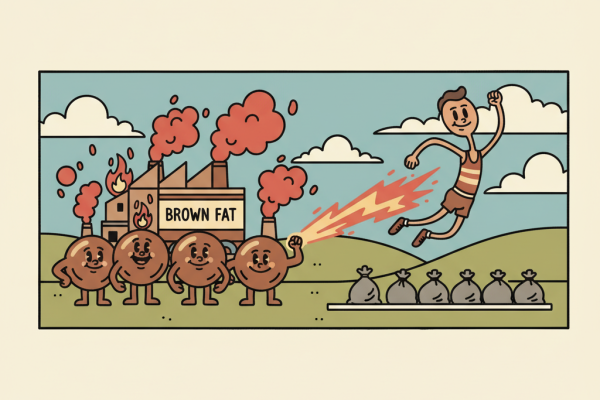
Brown fat burns calories to generate heat, improving blood sugar and metabolic health. However, recent research shows its overall impact on major weight loss is smaller than many hope.
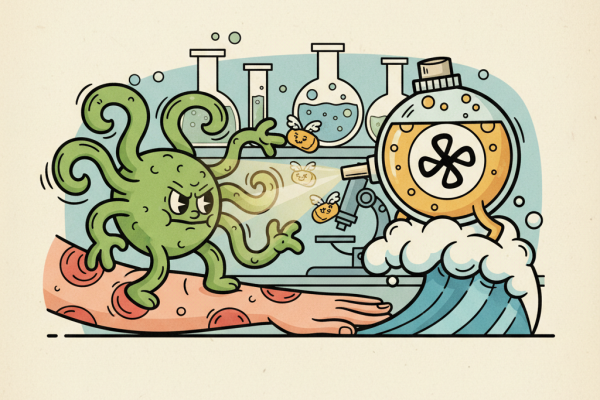
Fungal skin infections are common but highly treatable. Discover what clinical research says about the most effective topical and oral treatments for ringworm, athlete's foot, and stubborn nail fungus.
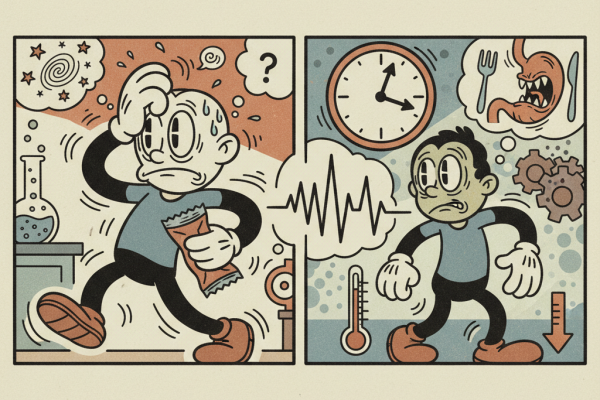
Low blood sugar causes two distinct types of symptoms: early warning signs like shaking and sweating, and severe brain-related signs like confusion. Learn what the latest science says about true hypoglycemia and why it is often misunderstood.
GLP-1 medications are changing how we treat type 2 diabetes and obesity. Explore what the latest scientific research says about how they control blood sugar, affect body weight, and impact long-term health.
Transcutaneous electrical nerve stimulation (TENS) is a popular, drug-free way to manage pain. While research shows it effectively treats joint, nerve, and menstrual pain, its success depends heavily on using the right settings.