Introduction
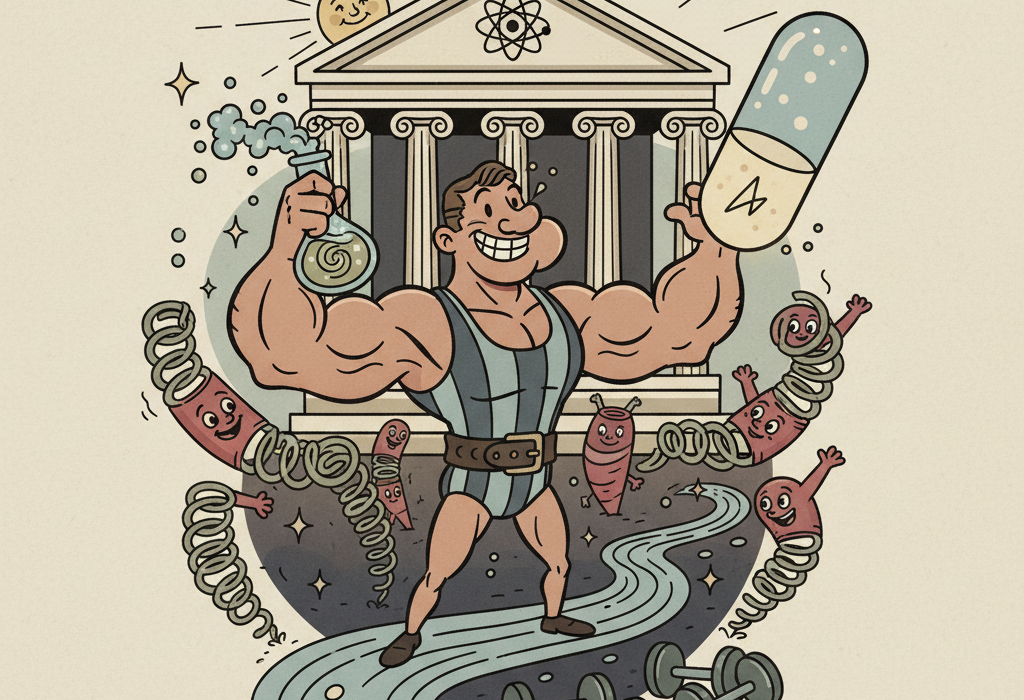
For decades, creatine has been stereotyped as a supplement exclusively for bodybuilders carrying gallon jugs of water. The mental image is specific: gym lockers, heavy weights, and the pursuit of massive muscles. While it is true that creatine is one of the most effective supplements for muscle growth, recent science suggests we have been looking at only half the picture.
New research is uncovering that creatine plays a vital role in energy production for the brain, particularly during stress or sleep deprivation. It is showing promise for women’s health across the lifespan, from pregnancy to menopause, and may even help endurance athletes finish races stronger.
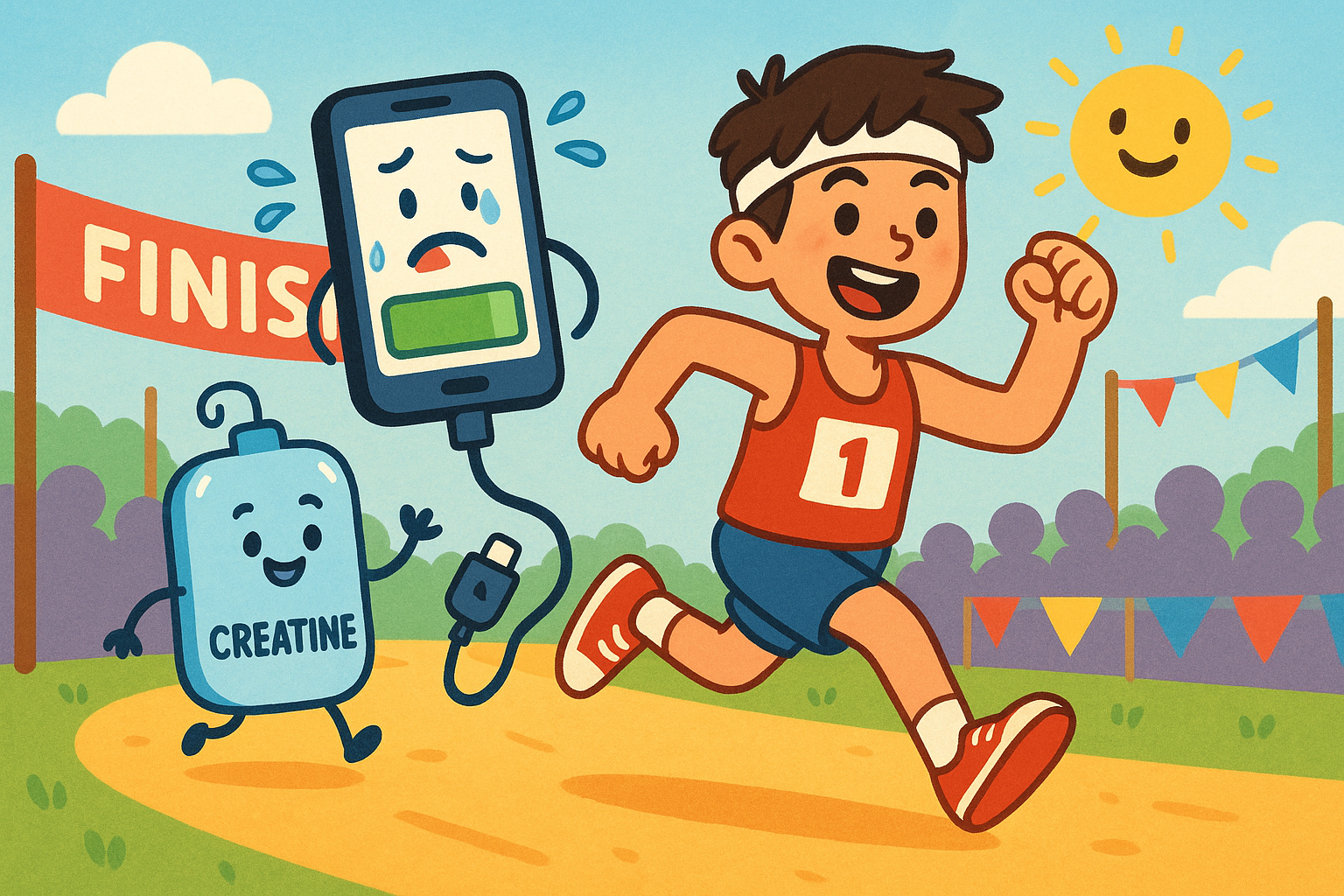
Think of your body like a smartphone. You have your main battery, but when you run high-intensity apps (like sprinting or solving a complex math problem), that battery drains rapidly. Creatine acts like a portable power bank: a backup energy source that plugs in immediately when the demand for power spikes.
This article breaks down the latest research on how this simple molecule affects your muscles, your mind, and your long-term health.
How Creatine Actually Works
To understand the benefits, you have to understand the energy currency of your cells: Adenosine Triphosphate (uh-DEN-o-seen try-FOSS-fate), or ATP.
Every time your heart beats, your neurons fire, or your muscles contract, your body spends ATP. When you use ATP, it loses a phosphate molecule and becomes ADP (Adenosine Diphosphate). This is like a dead battery. To use it again, your body needs to re-charge it by attaching a new phosphate molecule.
This is where creatine comes in. Most creatine in your body is stored as Phosphocreatine (foss-foe-KREE-uh-teen). It waits in your cells holding an extra phosphate molecule. When your ATP runs low during intense activity, phosphocreatine donates its phosphate to recharge the ATP instantly.

Research confirms that supplementing with creatine increases these intramuscular stores, allowing for rapid energy regeneration. A 2013 review notes that supplementation can increase these stores by 10% to 40%, depending on your starting levels.
Beyond the Biceps: Muscle and Performance
Does It Really Build Muscle?
Yes, but it is not magic. A 2023 systematic review analyzing regional muscle growth found that combining creatine with resistance training does promote skeletal muscle hypertrophy (growth). However, the researchers noted the effect size was “small.” This means that while creatine provides a measurable advantage over a placebo, it must be paired with hard work to see results. Interestingly, this study found that younger adults might see slightly more muscle growth benefits than older adults, though both groups benefit.
For those interested in maximizing leg growth specifically, this pairs well with mechanical tension strategies discussed in other fitness contexts (see How to Build Bigger Quads).
The Endurance Surprise
Historically, endurance athletes like runners and cyclists avoided creatine because it can cause slight weight gain (water retention). However, a 2023 review challenges this old view.
While creatine does not necessarily help you run at a steady, moderate pace for hours, it appears to help with “surges”: those moments when a cyclist breaks away from the pack or a runner sprints to the finish line. The research suggests that creatine enhances glycogen (stored carbohydrate) resynthesis and reduces inflammation, which may outweigh the downsides of slight weight gain for many athletes.
The New Frontier: Creatine for Brain Health
The most active area of new research is not the gym; it is the brain. Like muscles, your brain consumes a massive amount of energy. Although the brain is only 2% of your body weight, it uses about 20% of your energy.
Memory and Cognition
A 2023 systematic review analyzed randomized controlled trials to see if creatine boosts memory. The findings were positive: creatine supplementation improved measures of memory performance in healthy individuals.
Interestingly, the benefits were most robust in older adults (ages 66, 76). The researchers hypothesize that because brain creatine levels naturally decline with age, older adults have more “room” to improve their stores through supplementation.
However, results are not always uniform. A 2023 randomized controlled trial found that while there was a trend toward improved working memory (holding numbers in your head), there was no significant improvement in abstract reasoning. This suggests creatine is not a “smart pill” that raises IQ, but rather a fuel source that supports specific, energy-demanding mental tasks.
Sleep Deprivation
When you are sleep-deprived, your brain’s energy levels drop. A 2022 review highlights that creatine supplementation may help offset the cognitive decline caused by lack of sleep. By keeping energy stores topped up, creatine allows the sleep-deprived brain to function closer to its normal baseline.
The “Brain Uptake” Problem
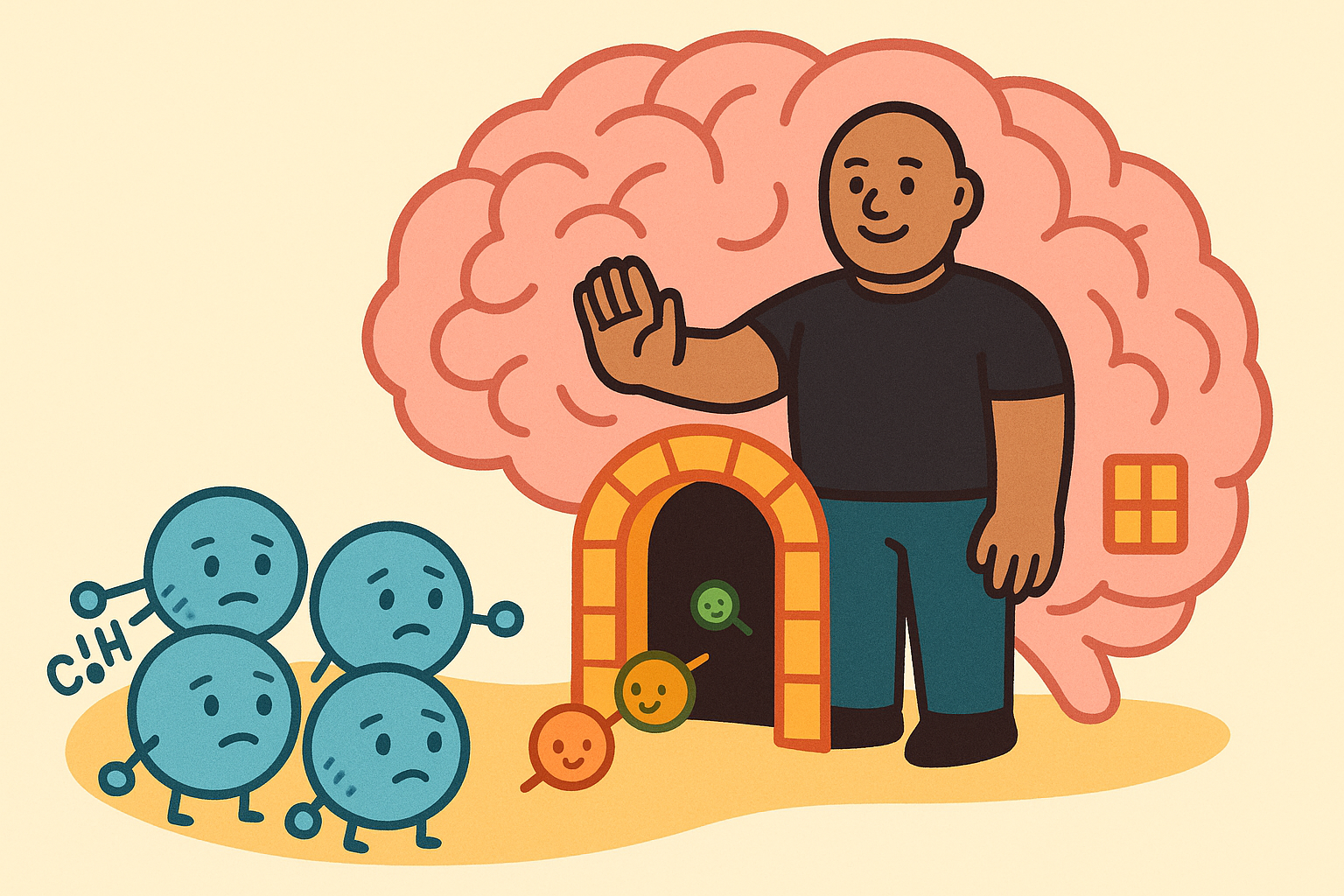
There is a catch. Getting creatine into the brain is harder than getting it into muscles. The brain has a protective filter called the blood-brain barrier, which does not let creatine pass through easily. A 2021 study notes that while muscle creatine can increase by 20%, 40% in a few weeks, increasing brain creatine might require higher doses or longer periods of supplementation.
Women’s Health: A Lifespan Perspective
For years, creatine research focused almost exclusively on men. New data shows that women may have unique reasons to consider supplementation.
The Menstrual Cycle and Hormones
Females naturally have 70%, 80% lower endogenous (internal) creatine stores than males. A 2021 review explains that creatine levels in women fluctuate with hormones. During the luteal phase of the menstrual cycle (after ovulation), protein breakdown increases. Supplementation might be particularly helpful during this high-energy-turnover phase.
Pregnancy and Menopause
The same 2021 review highlights preclinical evidence suggesting creatine could protect fetal brains from low-oxygen situations during birth, though human trials are still needed. For post-menopausal women, combining creatine with resistance training is shown to be an effective strategy for preserving bone density and muscle mass, combating the frailty often associated with aging.
For a broader look at women’s health and supplementation, understanding these hormonal fluctuations is key, similar to the nuances discussed in research on Intermittent Fasting.
Common Questions and Myths
Despite its safety record, creatine is surrounded by persistent myths. A comprehensive 2021 review addressed these head-on.
Myth 1: Creatine destroys your kidneys.
The Science: This belief stems from the fact that creatine supplementation raises creatinine levels in the blood. Doctors usually use creatinine as a marker for kidney failure. However, in this case, the high creatinine is a harmless byproduct of the supplement, not a sign of organ damage. Multiple studies, including a 2020 study on resistance-trained males, found no negative effects on renal function markers.
Myth 2: Creatine causes hair loss.
The Science: This originates from a single study in 1998 involving rugby players that showed a rise in a hormone called DHT. That study has never been successfully replicated to show actual hair loss. The current consensus is that the evidence does not support a link between creatine and baldness.
Myth 3: It causes dehydration and cramping.
The Science: The opposite is true. Because creatine pulls water into muscle cells, it can actually help with hydration. Research shows that athletes taking creatine often experience fewer cramps and heat illnesses than those who do not.
Who Benefits Most?
Research identifies specific groups that see the most significant changes from supplementation.
| Population | Why They Benefit | Strength of Evidence |
|---|---|---|
| Vegetarians/Vegans | They have lower baseline creatine levels because they do not eat meat (the primary natural source). | High |
| Older Adults | Helps combat Sarcopenia (sar-koh-PEE-nee-uh), the age-related loss of muscle, and supports memory. | High |
| Women | Helps manage energy demands during menstruation, pregnancy, and menopause. | Moderate/Growing |
| Adolescents | A 2021 review confirms it is safe and effective for young athletes, providing a safe alternative to dangerous performance drugs. | High |
Practical Guidance: How to Take It
If you decide to try creatine, the protocol is simpler than marketing suggests.
Which Type?
Ignore the expensive variations (ethyl ester, nitrate, buffered). A 2024 review confirms that Creatine Monohydrate is the most studied, safest, and most effective form. It is also usually the cheapest.
How Much?
The standard maintenance dose is 3 to 5 grams per day.
Do You Need to “Load”?
“Loading” means taking a high dose (e.g., 20g per day) for 5, 7 days to saturate muscles quickly. While effective, it is not necessary. A 2013 study confirms that taking a small daily dose will fill your stores eventually—it just takes about 3—4 weeks instead of one week. Skipping the loading phase also reduces the risk of stomach upset.
When to Take It?
Timing is a minor detail compared to consistency. However, a 2021 review suggests that taking creatine after exercise might offer a very slight advantage over taking it before, though the difference is minimal. The best time is whenever you will remember to take it.
The Bottom Line
Creatine is one of the few supplements where the scientific consensus is overwhelmingly positive. It is not just for building biceps; it is a fundamental fuel source that supports muscle performance, brain function during stress, and metabolic health across the lifespan.
While it is not a magic pill that will instantly make you smarter or stronger without effort, it acts as a reliable support system for your body’s energy needs. For vegetarians, older adults, and women, the benefits may extend well beyond the gym.
Unlike many other supplements (such as BCAAs, which have mixed evidence), creatine monohydrate remains the gold standard for safety and efficacy.
Quick Reference: Key Studies
| Study Focus | Key Finding | Source |
|---|---|---|
| Brain & Memory | Creatine improved memory, especially in older adults (66-76 years). | PMID 35984306 |
| Women’s Health | Creatine supports health during menstruation, pregnancy, and menopause due to hormonal variances. | PMID 33800439 |
| Endurance | Creatine helps with “surges” and finishing sprints in endurance events. | PMID 37096381 |
| Safety Myths | No evidence for kidney damage, hair loss, or dehydration in healthy individuals. | PMID 33557850 |
| Muscle Growth | Combined with training, creatine promotes regional muscle hypertrophy (small but significant effect). | PMID 37432300 |
| Adolescents | Creatine is safe and beneficial for youth athletes and certain clinical conditions. | PMID 33670822 |
Last updated: March 2026
This article synthesizes findings from peer-reviewed research. It is for educational purposes only and does not constitute medical advice. Consult a healthcare provider before starting any new regimen.

Leave a Reply