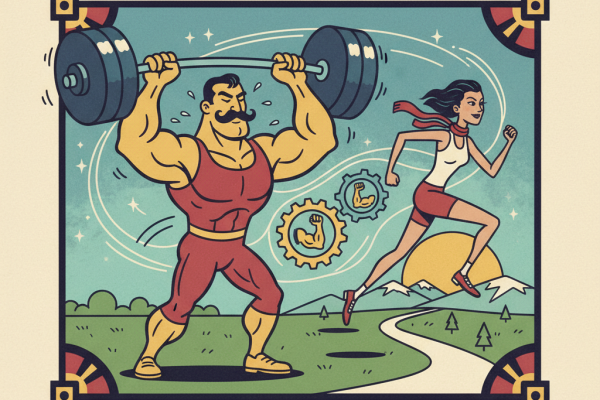
The Science of Weight Training and Endurance: What Actually Works
Does lifting weights make you slow, or does cardio destroy your muscle gains? Discover what the latest science says about combining endurance and resistance training.
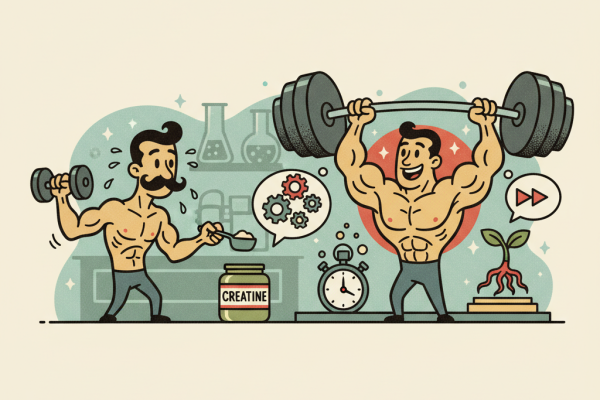
Creatine is widely known as a sports supplement, but new research reveals it also supports brain health, healthy aging, and memory. Learn what peer-reviewed science says about how it works and who benefits most.
Starting a weight training routine does not require lifting heavy weights to failure or following a rigid schedule. Discover what sports science says about the safest and most effective ways for beginners to build strength.
Creatine is often stereotyped as a bodybuilding supplement, but new research reveals it acts as a backup battery for the brain, aiding memory and sleep deprivation. Evidence also highlights unique benefits for women's health, older adults, and endurance athletes.
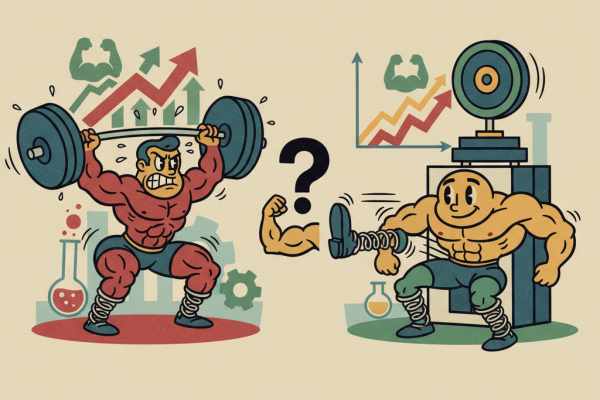
Are squats really the only leg exercise you need? New research compares squats directly against leg extensions, revealing that each exercise targets different parts of the quadriceps.
Your quadriceps are four separate muscles that require thoughtful training to grow. Research points to full range of motion, a mix of compound and isolation exercises, adequate weekly volume, and progressive overload as the key drivers of quad hypertrophy.
Two recent studies examined whether training muscles in a stretched position produces more growth. For the hamstrings, the answer was a clear yes. For the biceps, the two positions produced nearly identical results. The difference may come down to how much each muscle's working length actually changes.
A 2024 study found that taking a full week off from training in the middle of a 9-week program didn't help or hurt muscle growth in trained young adults. However, continuous training produced better strength gains than including a deload week.
Your lats are the biggest muscle in your body, yet they have been surprisingly understudied. New research reveals how they grow at the fiber level, whether extra protein helps, and why your grip width on the pulldown barely matters.