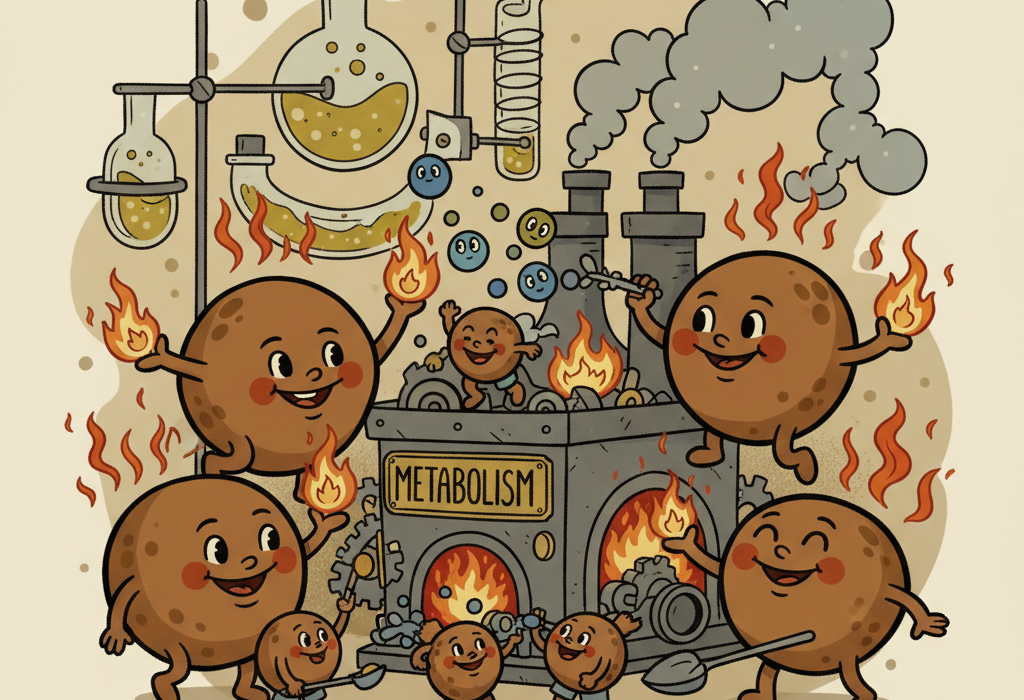
When we think about body fat, we usually picture it as stored energy waiting to be used. However, the human body actually contains different types of fat. While white fat acts like a pantry storing extra calories, brown fat acts more like a furnace burning them.

For decades, scientists believed that brown fat was only important for keeping infants warm and that it disappeared as we grew up. We now know that adults also have brown fat, usually located around the collarbones, neck, and spine.
Recent research has uncovered a surprising truth. Brown fat does not just burn calories to keep us warm. It acts as an active metabolic filter, clearing harmful substances from the blood, sending chemical signals to other organs, and improving how our bodies process sugar. Understanding how this tissue works offers new insights into metabolic health and weight management.
How This Might Work: The Furnace Inside Your Cells
To understand why brown fat is unique, we have to look inside its cells. Brown fat gets its color from a high density of mitochondria (my-toh-KON-dree-uh), which are the power plants of the cell.
Inside these mitochondria is a special protein called Uncoupling Protein 1 (UCP1). Normally, mitochondria break down nutrients to create a chemical form of energy that the cell can use for daily tasks. UCP1 acts like a pressure release valve. Instead of capturing that energy, it allows the energy to escape as heat. This process is called thermogenesis (thur-moh-JEN-uh-sis), which simply means the production of heat.

Because of this process, brown fat can draw sugar and fats out of the bloodstream at a rapid pace to fuel its furnace.
Scientists have also identified a third type of fat called “beige fat.” These are white fat cells that, under certain conditions like cold exposure, can transform to act more like brown fat. This flexibility in Understanding Fat Metabolism: How Your Body Actually Stores and Burns Fat is a major focus for researchers looking to improve human health.
What the Research Shows
Recent studies have completely changed how we view brown fat. It is no longer seen just as a heater, but as a central control hub for your body’s chemistry.
Acting as a Metabolic Filter
One of the most important new discoveries is how brown fat handles amino acids. A 2019 study in Nature found that upon cold exposure, brown fat actively pulls branched-chain amino acids (BCAAs) out of the bloodstream. High levels of BCAAs in the blood are strongly linked to obesity and type 2 diabetes. By filtering these out, brown fat helps protect the body from metabolic disease.
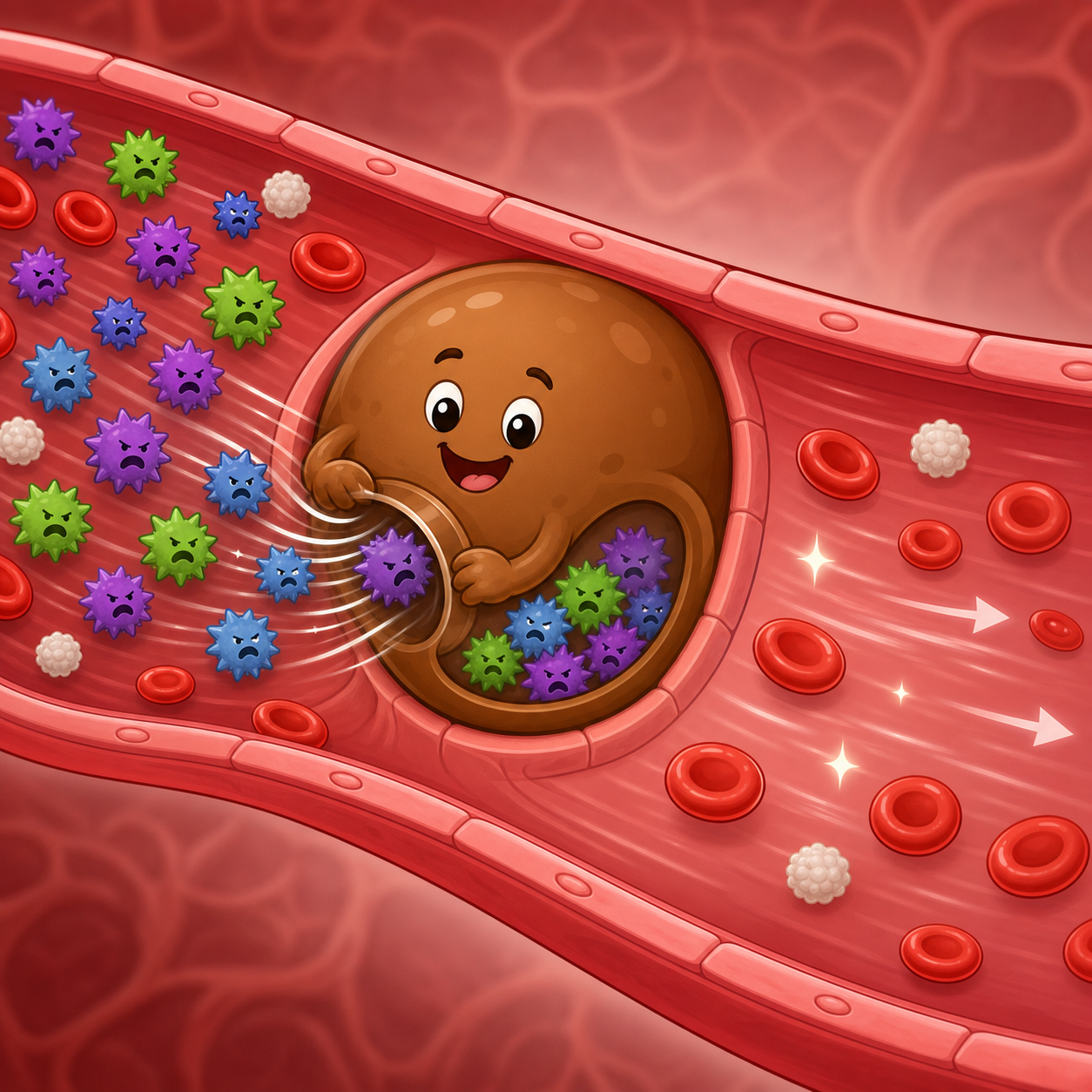
Building on this, a 2024 study in Cell revealed what brown fat actually does with these amino acids. It does not just burn them for heat. Instead, it uses the nitrogen from BCAAs to create glutathione, a powerful antioxidant. The brown fat then sends this glutathione to the liver, where it reduces oxidative stress and improves how well the liver responds to insulin. This shows that brown fat improves health independently of its ability to generate heat.
Sending Chemical Text Messages
Brown fat also communicates with other organs by releasing its own chemical messengers.
A 2024 study in Cell Metabolism discovered that brown fat secretes specific lipids called prostaglandins (PGE2 and PGF2a). These lipids travel through the bloodstream and act as insulin sensitizers for muscle and liver cells. The researchers found that higher levels of these specific lipids in human blood correlate with better insulin resistance (IN-suh-lin ree-ZIS-tuhns), which is when your body stops responding well to insulin.
Similarly, a 2020 study in Theranostics found that brown fat releases tiny packages called exosomes. When researchers isolated these exosomes from healthy mice and gave them to obese mice on a high-fat diet, the obese mice experienced lower blood sugar, less liver fat, and improved heart function.
The Impact of Age and Environment
How much brown fat you have, and how well it works, depends on a mix of age, genetics, and environment.
Interestingly, the environment your parents experienced might play a role. A fascinating 2025 study in Nature Metabolism looked at healthy human adults and found that individuals whose parents conceived them during colder months had higher brown fat activity. These individuals also had lower body mass indexes and less visceral fat. The researchers suggest that temperature exposure before conception can program the metabolic fate of offspring through epigenetic inheritance.
As we age, our brown fat tends to become less active. A 2024 study in Cell Metabolism found a potential reason why. Neurons in the brain that control appetite and energy expenditure have tiny hair-like structures called primary cilia. The researchers discovered that these cilia progressively shorten with age, which reduces the brain’s ability to signal brown fat to turn on. This “age-related ciliopathy” contributes to the decrease in brown fat activity and the increase in body fat as we get older.
Practical Guidance: Can You Increase Brown Fat?
Because active brown fat is linked to better metabolic health, many people wonder if they can increase their own. Research points to a few evidence-based methods, though they require consistency.
Cold Exposure
Cold is the most reliable trigger for brown fat. Mild cold exposure (such as spending time in a 66 Fahrenheit or 19 Celsius room) forces the body to activate brown fat to maintain core temperature. Over time, repeated cold exposure can actually increase the amount of brown fat you have and encourage white fat to turn into beige fat.
Dietary Compounds
Certain foods contain compounds that mimic the sensation of cold in the body. A 2024 review in Endocrinology and Metabolism highlights that compounds targeting temperature-sensitive receptors in the body can stimulate brown fat. Examples include:
- Capsinoids (found in chili peppers)
- Catechins (found in green tea)
- Menthol (found in mint)
While these dietary components can activate the same nerve pathways as cold exposure, their effects are generally much milder than actual temperature changes.
Common Questions About Brown Fat
Does brown fat burn a lot of calories?
While brown fat does burn calories to generate heat, the total amount is relatively small compared to your daily energy needs. Its real power comes from its ability to act as a metabolic filter and send healthy chemical signals to your liver and muscles.
Can exercise increase brown fat?
Some research suggests that exercise releases a hormone called irisin from muscles, which may help convert white fat into beige fat. However, cold exposure remains the most potent and direct way to activate traditional brown fat.
Where The Science Is Still Uncertain
While the science of brown fat is expanding rapidly, there are still gaps in our knowledge. Much of the detailed mechanistic work has been done in rodents. While we know humans have brown fat, human metabolic systems are more complex and our brown fat depots are smaller relative to our body size.
Additionally, scientists are still trying to understand the exact differences between classical brown fat (which we are born with) and beige fat (which develops later). It is not yet clear if stimulating beige fat provides the exact same chemical benefits as classical brown fat.
The Bottom Line
Brown fat is far more complex than a simple biological heater.
- It acts as a metabolic sink, actively pulling sugars, fats, and amino acids out of the blood.
- It converts amino acids into protective antioxidants that support liver health.
- It secretes specific lipids and cellular packages that tell the rest of the body to process blood sugar more effectively.
- Its activity is influenced by cold exposure, aging, and potentially even the temperature your parents experienced before you were conceived.
While exposing yourself to mild cold or consuming certain dietary compounds may help activate this tissue, brown fat should be viewed as one piece of a larger metabolic puzzle rather than a standalone cure for obesity.
Quick Reference: Key Studies
| Study Focus | Key Finding | Source |
|---|---|---|
| Pre-fertilization cold exposure | Humans conceived in cold months showed higher adult brown fat activity and lower body mass index. | PMID 40195445 |
| Amino acid metabolism | Brown fat uses BCAAs to synthesize glutathione, improving systemic insulin sensitivity independent of heat production. | PMID 38653240 |
| Secreted lipids | Brown fat secretes prostaglandins that act as insulin sensitizers for peripheral tissues. | PMID 39255799 |
| Dietary activators | Compounds like capsinoids and catechins can mimic cold exposure to stimulate brown fat thermogenesis. | PMID 39566546 |
| Brain signaling and aging | Shortening of neuronal primary cilia with age impairs the brain’s ability to activate brown fat. | PMID 38452767 |
| Exosome signaling | Exosomes derived from healthy brown fat mitigated metabolic syndrome in high-fat-diet mice. | PMID 32724466 |
Last updated: June 2026
This article synthesizes findings from peer-reviewed research. It is for educational purposes only and does not constitute medical advice. Consult a healthcare provider before starting any new regimen.


Leave a Reply