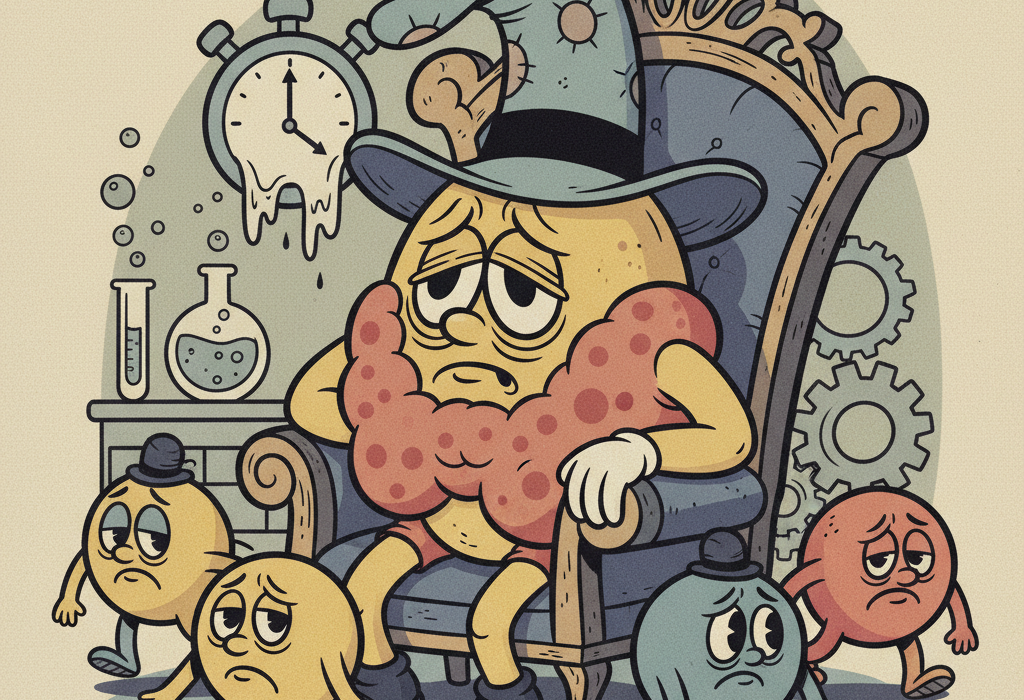
Your thyroid is a small, butterfly-shaped gland located at the base of your neck. You can think of it as the master thermostat for your body. It produces hormones that regulate how your cells use energy. When this gland does not produce enough hormones, a condition known as hypothyroidism (hi-po-THIGH-royd-iz-um) occurs.
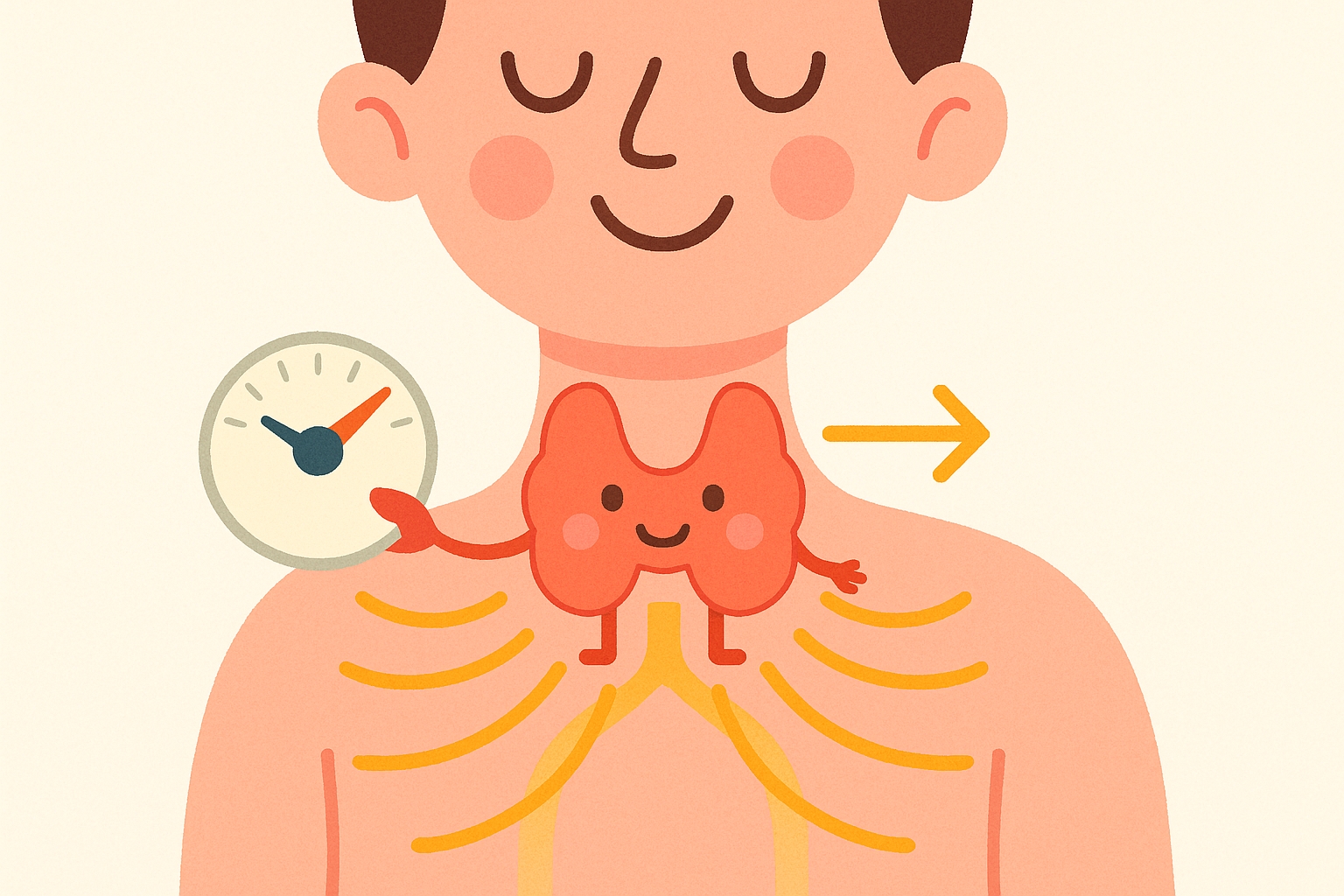
If you ask most people what hypothyroidism causes, they will likely mention fatigue, feeling cold, and weight gain. While these are common symptoms, recent scientific research paints a much broader picture. Because every cell in your body relies on thyroid hormones to function properly, a shortage can impact your brain, heart, digestive system, and reproductive organs.
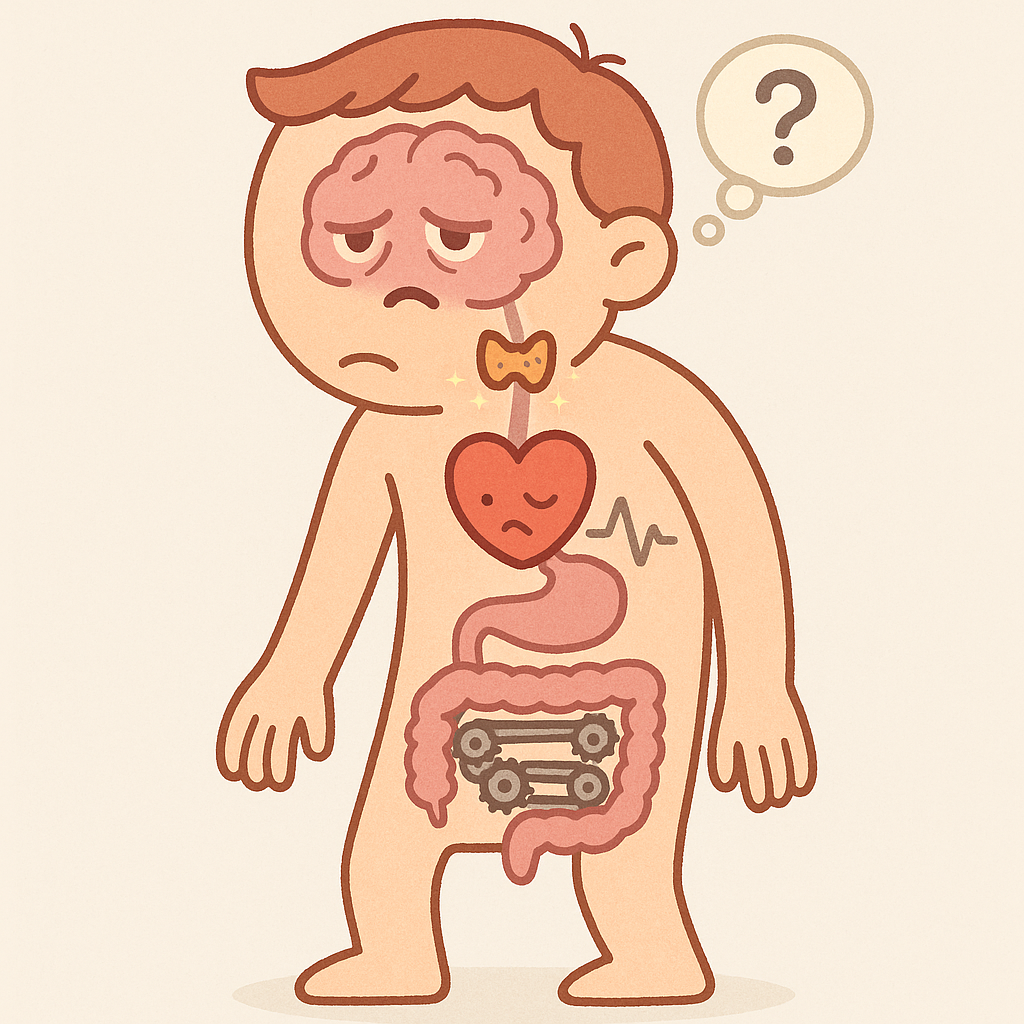
This article breaks down what peer-reviewed research reveals about how a sluggish thyroid affects various body systems, how it alters your internal chemistry, and what happens when the hormone levels are restored.
How Hypothyroidism Affects the Brain
One of the most frustrating symptoms reported by people with a low-functioning thyroid is a decline in mental sharpness.
The Reality of Brain Fog
A 2022 review in Thyroid examined the phenomenon commonly called “brain fog” in hypothyroid patients. Researchers found that this is not just a vague complaint. It represents a real constellation of cognitive difficulties, primarily affecting memory and executive function (the ability to plan, focus, and multitask). The study noted that these cognitive symptoms often appear before a formal diagnosis is made and can significantly reduce a person’s quality of life.
A Hidden Cause of Chronic Headaches
Beyond cognitive slowing, a lack of thyroid hormone may actually change how the brain processes pain. A 2007 report in Current Pain and Headache Reports explored the link between hypothyroidism and a specific condition called New Daily Persistent Headache (NDPH).
NDPH is a type of headache that comes on suddenly and occurs daily. The researchers found that hypothyroidism was significantly more common in people suffering from these chronic headaches compared to those with standard migraines. The evidence suggests that low levels of thyroid hormones may create a pro-nociceptive state, meaning the nervous system becomes more sensitive to pain signals. Fortunately, the research also noted that treating the underlying thyroid deficiency often improves or resolves these severe headaches.
The Impact on the Heart, Blood, and Kidneys
Because thyroid hormones help regulate heart rate and blood vessel function, a deficiency can alter how blood flows and clots throughout the body.
Blood Clotting Risks
A 2020 nationwide cohort study in Thrombosis and Haemostasis followed over 30,000 individuals to see how thyroid function affects blood clotting. The researchers looked specifically at venous thromboembolism (VEE-nus throm-bo-EM-bo-liz-um), which occurs when a blood clot forms in a deep vein.
The study found that people with hypothyroidism had a significantly higher risk of developing these blood clots compared to those with healthy thyroids. However, there was an encouraging finding. Among the hypothyroid patients, those who were taking thyroxine replacement therapy (medication to restore thyroid hormone levels) showed a trend toward a lower risk of clotting, particularly in the lungs. This suggests that restoring thyroid levels helps normalize the body’s blood-clotting mechanisms.
Kidney Function
The kidneys filter waste from the blood, a process that requires a strong, steady blood supply. A 2020 study in Medicine examined over 378,000 adults aged 55 and older. The researchers discovered that individuals with hypothyroidism were 25% more likely to have chronic kidney disease compared to those with normal thyroid function.
When thyroid hormone levels are low, the heart pumps less forcefully, which reduces blood flow to the kidneys. Over time, this reduced circulation can impair the kidneys’ ability to filter waste effectively.
Digestion and the Immune System
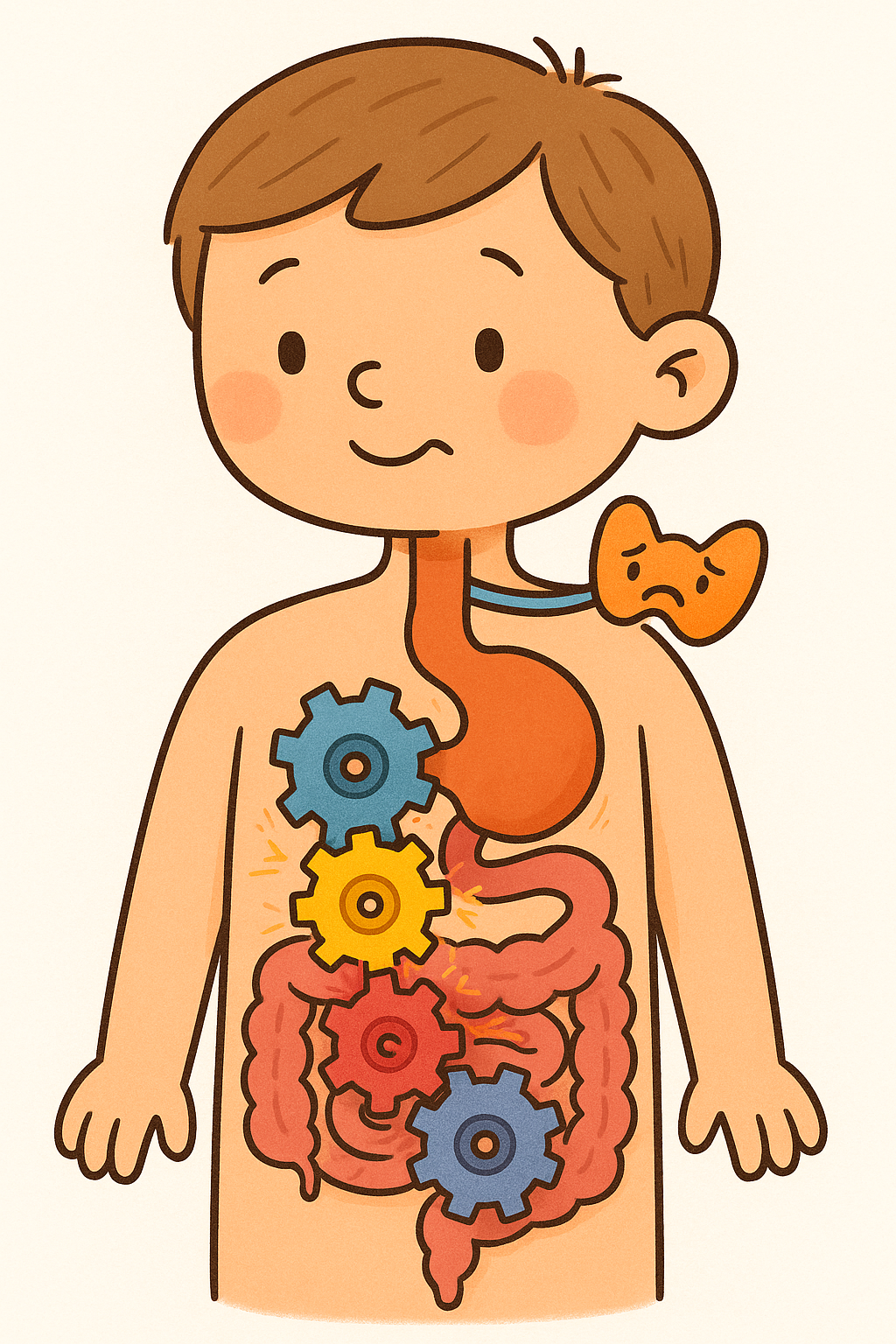
If you imagine the body’s systems as a series of gears, a lack of thyroid hormone causes those gears to turn more slowly. This is especially evident in the digestive tract.
Slower Digestion
A 2014 study in the Journal of Endocrinological Investigation looked at how a low thyroid affects the esophagus, the tube that carries food from the mouth to the stomach. Using advanced pressure-measuring tools, researchers found that the esophagus takes significantly longer to relax after swallowing in people with overt hypothyroidism. This delayed relaxation can lead to a general slowing of digestion, explaining why many people with thyroid issues experience bloating, discomfort, or constipation.
Zinc and Immune Health
Thyroid hormones also interact closely with essential minerals in your body. A 2019 study in Endocrine explored how hypothyroidism affects zinc levels and, consequently, the immune system.
The researchers found that low thyroid hormones lead to a drop in zinc levels within the lymph nodes and bones. Zinc is crucial for the survival and function of T lymphocytes (TEE lim-fo-sites), which are white blood cells that fight off infections. The study demonstrated that this hypothyroidism-induced zinc deficiency caused T cells to become suppressed and even die off prematurely. Importantly, providing zinc supplementation helped restore the immune cells’ function, highlighting how interconnected our hormones, minerals, and immune defenses truly are.
Reproductive Health and Pregnancy
Thyroid hormones are heavily involved in the reproductive system, influencing everything from menstrual cycles to fetal development.
Menstrual Cycles and Fertility
A 2015 study in the Mymensingh Medical Journal evaluated the menstrual patterns of women with and without hypothyroidism. The results were striking. While 86% of women with normal thyroids had regular cycles, only 62% of the hypothyroid women did. The hypothyroid group experienced significantly higher rates of irregular, infrequent, or entirely absent periods. Furthermore, the rate of sub-fertility was noticeably higher in the hypothyroid group.
This connects closely to polycystic ovary syndrome (PCOS). A 2023 review in Current Diabetes Reviews found that women with PCOS have a higher prevalence of hypothyroidism than healthy individuals. While the exact reason is still being studied, it highlights the need for thyroid screening in women facing reproductive challenges.
Related: What Science Actually Says About Ovarian Cysts in PCOS
Pregnancy and Fetal Development
During pregnancy, a mother’s thyroid hormones are vital for the developing baby, especially before the baby’s own thyroid begins functioning.
A 2024 study in the Journal of Endocrinological Investigation monitored women with overt hypothyroidism during pregnancy. The researchers found that babies born to hypothyroid mothers had a higher risk of intrauterine growth restriction and slightly lower APGAR scores at birth. Later in childhood, these children scored lower on neurocognitive tests, particularly in language development, compared to children born to mothers with normal thyroid function.
Additionally, a 2023 study in Echocardiography found that maternal hypothyroidism can subtly alter the heart function of the fetus as early as the second trimester. These findings underscore why doctors closely monitor and treat thyroid levels during pregnancy.
Animal Research on Ovarian Reserve
While human studies are ongoing, animal models provide clues about long-term reproductive impacts. A 2017 study on rats in the Journal of Ovarian Research showed that prolonged hypothyroidism severely reduced the number of healthy eggs (ovarian follicular reserve) in adult females. While we cannot directly map rat studies to humans, it provides a biological mechanism showing how chronic lack of thyroid hormone might accelerate reproductive aging.
Common Misunderstandings About Hypothyroidism
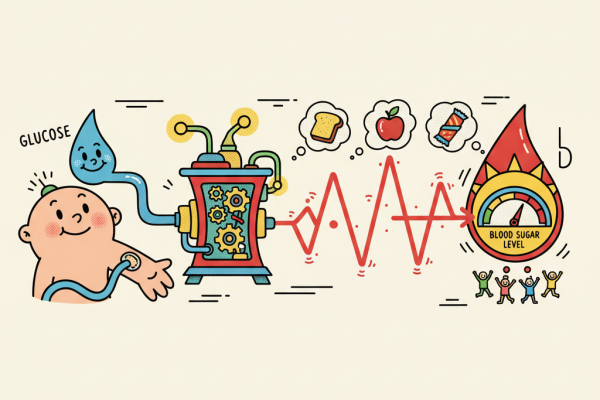
Because hypothyroidism is associated with weight gain, many people assume it directly causes insulin resistance, a condition where cells stop responding well to insulin, leading to high blood sugar.
However, a classic study published in Diabetes investigated exactly how insulin behaves in hypothyroid patients. The researchers found no evidence of insulin resistance. In fact, they found the opposite. When hypothyroid patients were given insulin, their blood sugar dropped and stayed low for a much longer period than in healthy individuals.
Because the body’s metabolism is slowed down, it takes longer for the body to clear insulin from the bloodstream. Therefore, the glucose intolerance sometimes seen in hypothyroidism is not due to cells resisting insulin, but rather a complex disruption in how the body processes and clears hormones.
Related: Continuous Glucose Monitors: What the Latest Science Actually Says
Who Needs Extra Caution
Based on the research, certain populations need to be particularly mindful of their thyroid health:
- Pregnant Women: As noted, proper thyroid function is critical for fetal brain and heart development.
- Surgical Patients: A 2024 study in Updates in Surgery looked at women undergoing breast reconstruction surgery. They found that patients with hypothyroidism had a higher risk of bleeding and hematoma (blood pooling) after autologous reconstruction (using the patient’s own tissue). Surgeons may need to take extra blood-management precautions for these patients.
- People with Unexplained Muscle Pain: Rarely, severe untreated hypothyroidism can lead to Hoffmann’s syndrome. A 2024 case report in the Journal of the Royal College of Physicians of Edinburgh described a patient who developed severe muscle swelling, cramps, and stiffness due to a lapsed thyroid treatment.
Where The Science Is Still Uncertain
There are still areas where the research presents mysteries. For example, a 2022 population study in Spain reviewing over 2.4 million hypothyroid patients found that they had a generally higher risk of developing cancer compared to people without thyroid issues.
However, the data revealed a strange paradox: hypothyroid patients over the age of 65 actually had a reduced risk of certain cancers, including bladder, colorectal, and prostate cancer. Scientists do not yet fully understand why a lack of thyroid hormone might increase cancer risk in younger people while potentially offering some protective effect in older adults. Much more research is needed to unravel this complex relationship.
Additionally, scientists are still exploring the genetic roots of the disease. A 2023 study in Scientific Reports identified specific genetic variations (such as the LAIR-2 gene) that may make some people more susceptible to developing the condition. Understanding these genes could eventually lead to better early detection.
The Bottom Line
Hypothyroidism is far more than a condition that makes you tired and prone to weight gain. Because thyroid hormones dictate the pace at which your cells operate, a deficiency ripples through the entire body.
- What we know: Untreated hypothyroidism slows digestion, impairs cognitive function, increases the risk of blood clots, weakens the immune system via zinc depletion, and disrupts reproductive health.
- What remains uncertain: The exact mechanisms linking hypothyroidism to certain cancer risks and the full genetic picture of who develops the disease are still being investigated.
- Actionable takeaway: The vast majority of the complications discussed in these studies, from blood clot risks to immune suppression, improve or resolve when thyroid hormone levels are medically restored. If you experience chronic unexplained symptoms like brain fog, daily headaches, or persistent muscle cramps, a simple blood test for thyroid function may provide vital answers.
Quick Reference: Key Studies
| Study Focus | Key Finding | Source |
|---|---|---|
| Brain Fog | Hypothyroidism is linked to real cognitive deficits in memory and executive function. | PMID 35414261 |
| Headaches | Hypothyroidism is significantly more common in patients with New Daily Persistent Headache (NDPH). | PMID 17686395 |
| Blood Clots | Hypothyroidism increases the risk of venous thromboembolism, but hormone therapy may lower this risk. | PMID 32028535 |
| Kidney Health | Adults over 55 with hypothyroidism are 25% more likely to have chronic kidney disease. | PMID 32332605 |
| Immune System | Hypothyroidism causes zinc deficiency in lymph nodes, suppressing infection-fighting T cells. | PMID 31056723 |
| Digestion | Overt hypothyroidism slows the relaxation of the esophagus, contributing to digestive sluggishness. | PMID 24844564 |
| Pregnancy | Maternal hypothyroidism is linked to lower infant APGAR scores and delayed language development. | PMID 38498228 |
| Fetal Heart | Maternal hypothyroidism can alter fetal cardiac left ventricle function as early as the second trimester. | PMID 37964707 |
| Menstruation | Hypothyroid women experience significantly higher rates of menstrual irregularities and sub-fertility. | PMID 26620017 |
| PCOS | Women with PCOS have a higher prevalence of hypothyroidism compared to healthy controls. | PMID 35980060 |
| Insulin | Hypothyroidism causes delayed insulin clearance, not insulin resistance. | PMID 1175861 |
| Surgery Risks | Hypothyroid patients face a higher risk of bleeding after autologous breast reconstruction surgery. | PMID 38489128 |
Last updated: March 2026
This article synthesizes findings from peer-reviewed research. It is for educational purposes only and does not constitute medical advice. Consult a healthcare provider before starting any new regimen.
Leave a Reply