How Cortisol and Antioxidants Control Your Stress Response
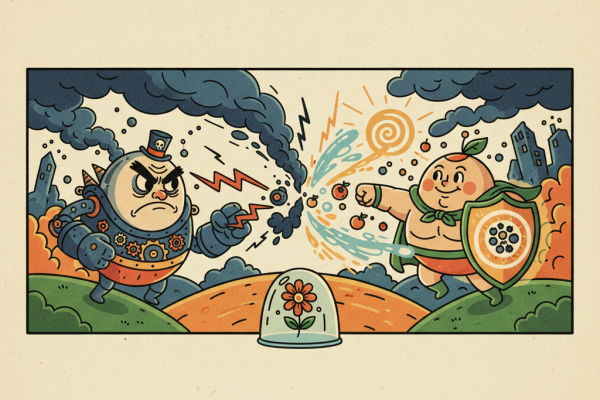
Discover how cortisol and antioxidants interact during stress. Learn what the latest science says about managing this delicate balance for better health, skin, and aging.
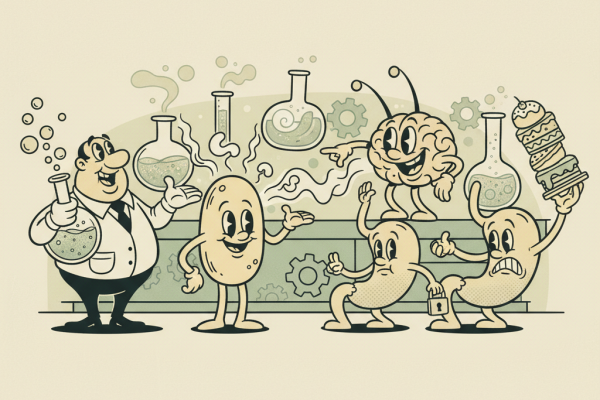
Hunger and fullness are not just matters of willpower. Discover how hormones like leptin and ghrelin interact with your brain to control your appetite, and why your biology actively fights against long-term weight loss.
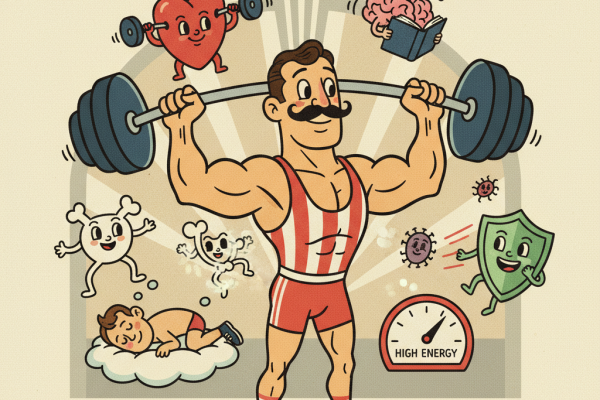
Weight training does much more than build visible muscle. Peer-reviewed research shows that lifting weights can improve hormone levels, shrink waistlines, protect against age-related decline, and lower your overall risk of mortality.
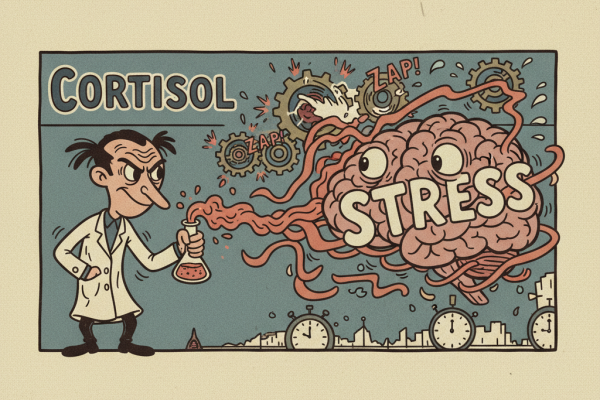
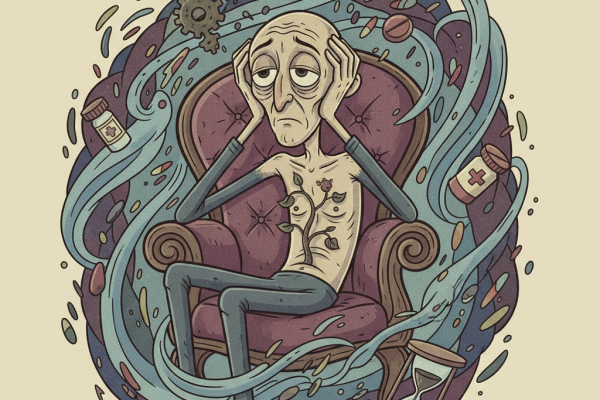
Cortisol is often blamed for making us feel stressed, tired, and unwell. However, new research shows that chronic stress can actually lower your cortisol over time, and that your mindset and relationships physically alter your hormones.
Hypothyroidism is often associated with fatigue and weight gain, but recent research reveals it impacts much more. Discover how a sluggish thyroid affects your brain, heart, immune system, and reproductive health.
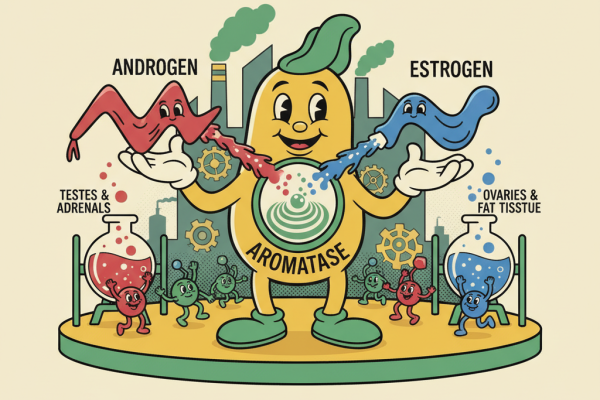
Aromatase is the enzyme responsible for creating estrogen in the body. Learn how blocking it helps treat breast cancer, why excess body fat lowers testosterone in men, and what science says about managing side effects.
Growth hormone secretagogues affect more than just height. Recent research explores how the ghrelin signaling system influences childhood growth treatment, brain health in Alzheimer's disease, and immune system inflammation.
Finasteride is a widely used drug for hair loss and enlarged prostate, but a small number of men report persistent sexual, psychological, and metabolic symptoms after stopping it. Recent studies examine genetics, metabolic mechanisms, and FDA reporting data to understand what's behind post-finasteride syndrome.
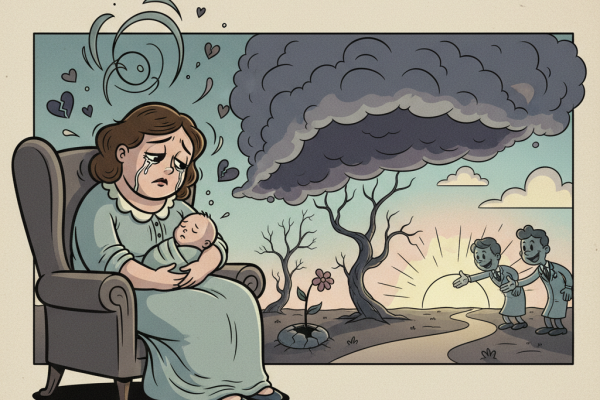
Postpartum depression affects up to 15% of mothers and 10% of fathers. Discover what the latest science says about the biological causes, risk factors, and new treatments for this common condition.