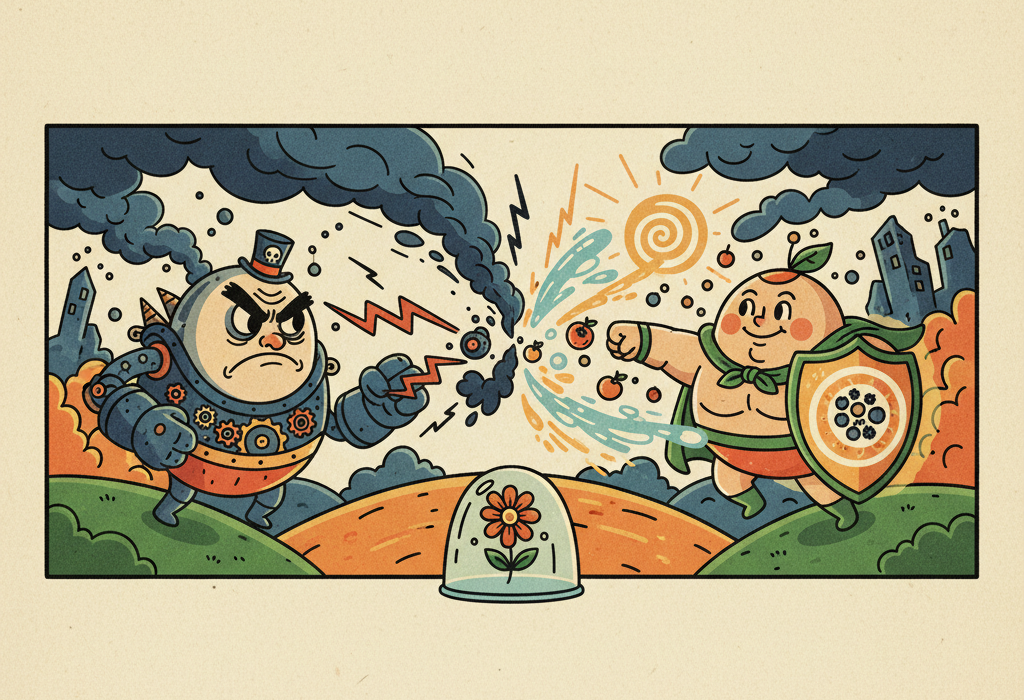
Have you ever noticed that after a highly stressful week at work, you feel physically drained, your skin looks dull, and you might even catch a cold? You are not just imagining this. When you are under pressure, a hidden tug-of-war happens inside your cells between your stress hormones and your body’s natural defense molecules.
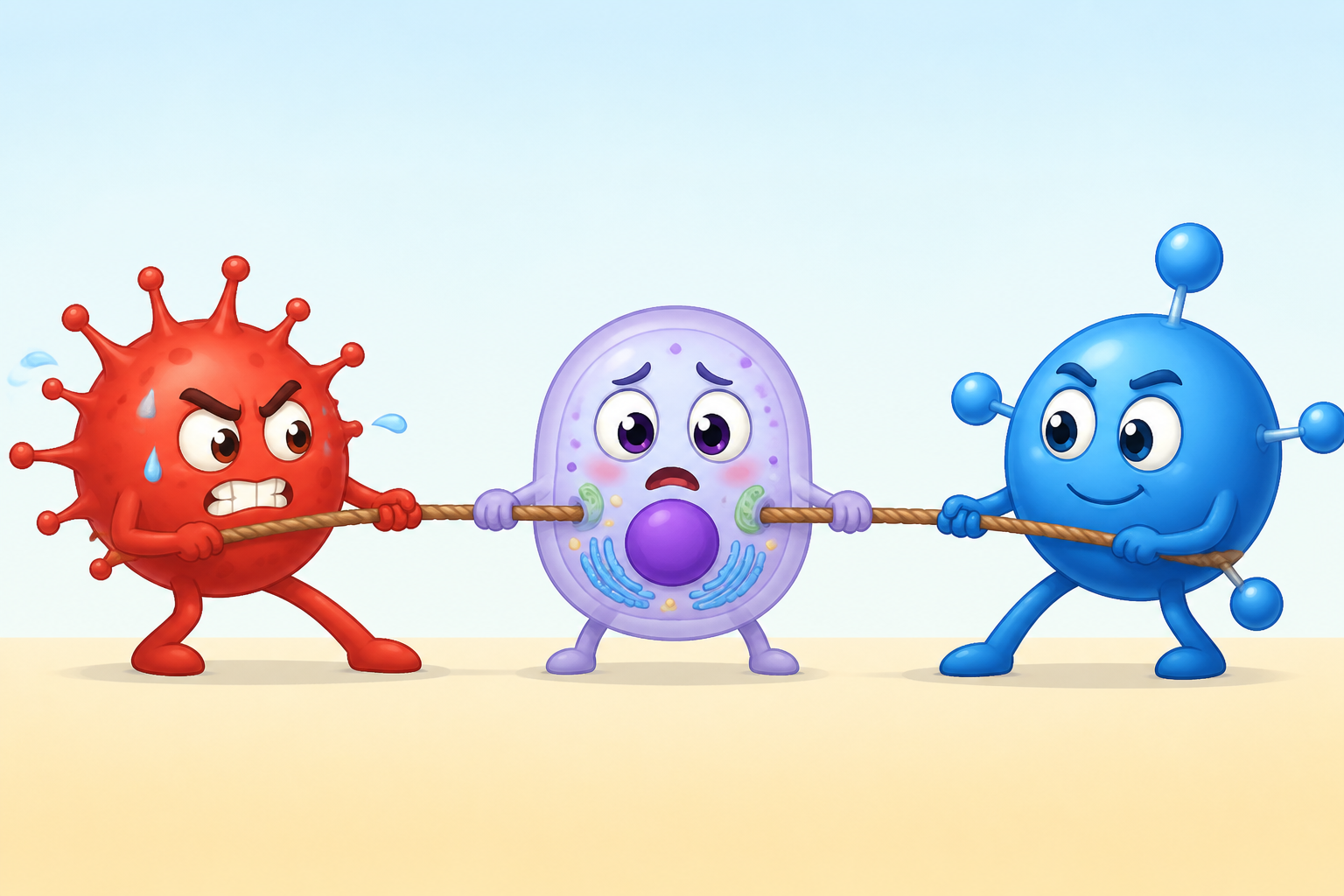
At the center of this battle are two major players: cortisol and antioxidants.
Cortisol (KOR-tih-sol) is your body’s main stress hormone. It is produced by the adrenal glands to help you stay alert and manage immediate threats.
Antioxidants (an-tee-OX-ih-dants) are molecules that protect your cells from damage. They act like a cleanup crew, neutralizing harmful byproducts created when your body generates energy or responds to stress.
While we often hear about these two concepts separately, scientific research shows they are deeply connected. When cortisol stays elevated for too long, it can drain your antioxidant reserves. Understanding how this relationship works can help us better manage stress and protect our long-term health.
How Stress Causes Oxidative Damage
To understand why stress depletes your cellular defenses, we have to look at how the body generates energy.
When you encounter a stressful situation, your brain signals your adrenal glands to release cortisol. Related: Cortisol and Stress: What Science Actually Shows About the HPA Axis. Cortisol tells your body to release stored sugar (glucose) into the blood so your muscles and brain have quick energy.
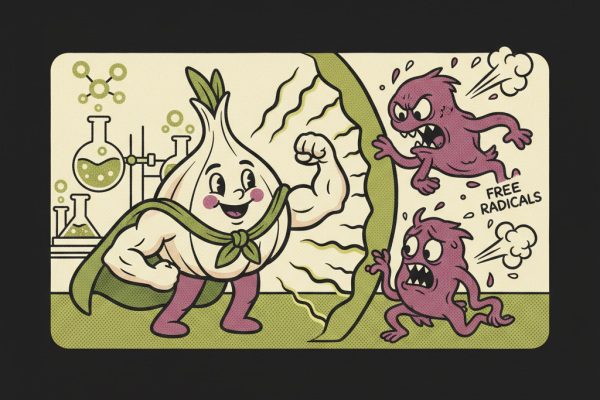
However, burning all this extra energy creates cellular exhaust. This exhaust comes in the form of unstable molecules called Reactive oxygen species (ree-AK-tiv OX-ih-jen SPEE-sheez), or free radicals.
If free radicals build up faster than your body can clear them away, they start damaging healthy cells. This state of imbalance is called Oxidative stress (ox-ih-DAY-tiv stress).
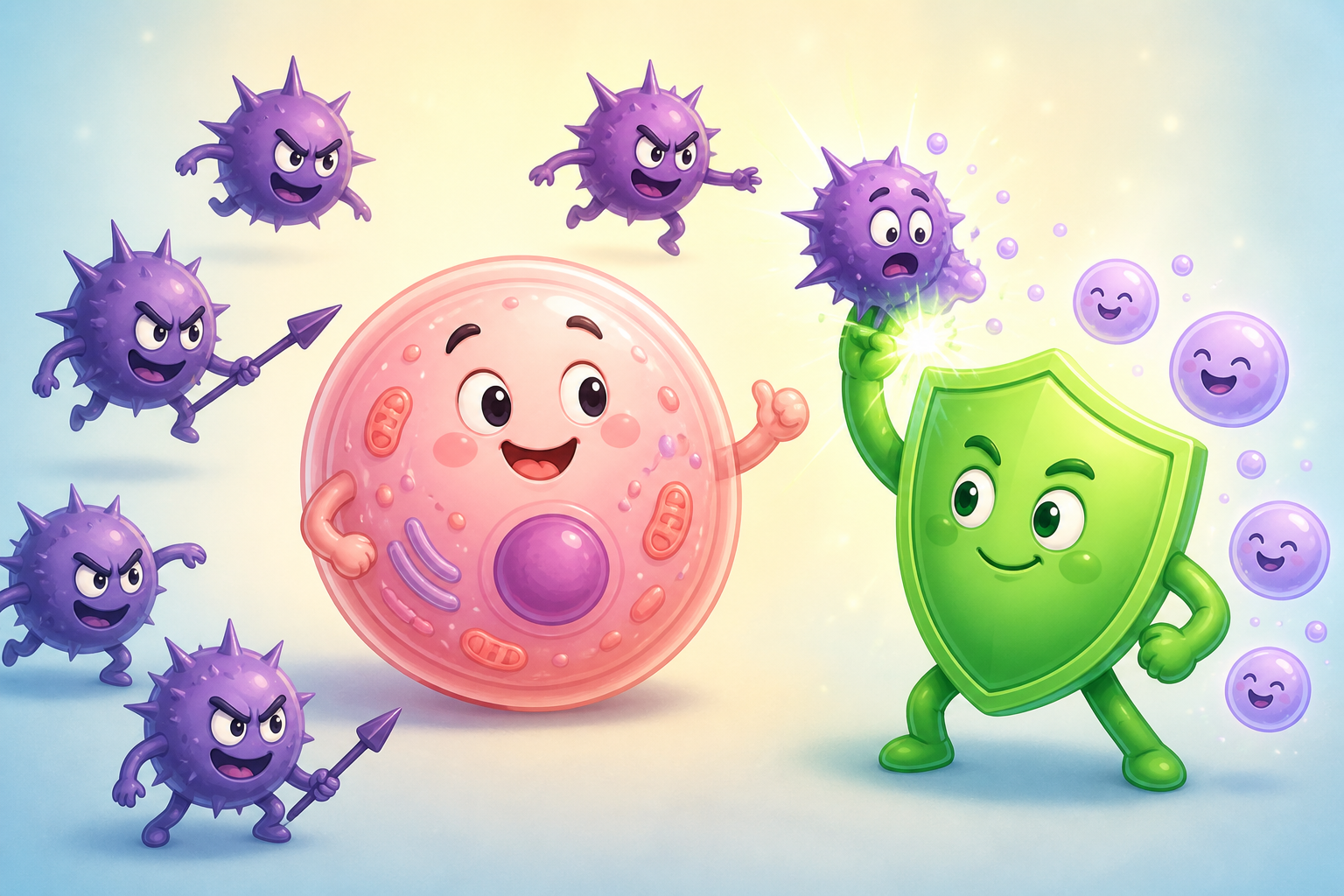
Antioxidants are the only molecules that can safely disarm free radicals. But if cortisol keeps pushing your body to produce more energy, your antioxidant supply eventually runs out.
What the Research Shows About Daily Stress
Scientists have measured this tug-of-war in people experiencing everyday stress, and the results consistently show that high cortisol leads to low antioxidant levels.
For example, a 2024 study in Medicina followed dental students during a relaxed period and again during their high-stress final exams. During the exam period, the students’ anxiety scores rose. While their cortisol levels fluctuated slightly, their total antioxidant capacity dropped significantly. The psychological pressure quite literally consumed their body’s antioxidant reserves.
Similarly, irregular sleep schedules can trigger this imbalance. A 2018 study on university students who worked occasional night shifts found that the disruption to their routine caused higher morning cortisol levels and a measurable decrease in antioxidant activity in their saliva.
The Impact on Skin Aging
The effects of this chemical imbalance are often visible on the outside. Skin cells are highly sensitive to stress hormones.
A 2025 clinical study in the Journal of Cosmetic Dermatology examined women experiencing moderate chronic psychological stress. The researchers found that the stressed group had a 12% lower antioxidant capacity in their skin compared to a low-stress group.
When the researchers tested skin cells in the lab by exposing them directly to cortisol, they saw increased DNA damage, a slowdown in wound healing, and a breakdown in collagen production. The stressed women in the clinical trial showed a 32% increase in fine lines and skin roughness. Related: The Science of Anti-Aging Skincare: What Actually Works.
The Impact on Reproductive Health
The cortisol-antioxidant balance also plays a role in fertility. A 2023 study in PLoS One compared fertile women to women experiencing infertility. The researchers found that the infertile group had significantly higher levels of cortisol and adrenaline.
Conversely, the infertile group had much lower levels of key cellular antioxidants, as well as lower levels of Vitamin D. The researchers noted that Vitamin D normally helps support antioxidant production, and its absence combined with high cortisol creates a harsh environment for reproductive health.
Can Supplements Restore the Balance?
If chronic stress drains antioxidants, can we simply take supplements to lower cortisol or boost our defenses? Research suggests that certain interventions can help, though they are not magic cures.
Ashwagandha for Cortisol Reduction
Ashwagandha (Withania somnifera) is a traditional herb known as an adaptogen, meaning it is thought to help the body resist stressors.
A 2023 systematic review in Nutrients analyzed multiple clinical trials testing ashwagandha in stressed adults. The review found that supplementing with ashwagandha for 30 to 112 days lowered plasma cortisol levels by 11% to 32%. Researchers believe the active compounds in the plant might interact with cellular receptors to calm the stress response, which indirectly reduces the burden on the body’s antioxidant system.
Magnesium and the Vicious Cycle
Magnesium is a mineral that acts like a natural brake pedal for the nervous system. A 2023 review in Biological Trace Element Research highlighted a “vicious circle” between stress and magnesium.
When cortisol rises during stress, the body excretes more magnesium through urine. However, low magnesium makes the nervous system more sensitive, which causes the body to release even more cortisol in response to minor stressors. Breaking this cycle by ensuring adequate magnesium intake may help keep cortisol levels in check.
Protein and Exercise Recovery
Physical exercise is a form of stress that temporarily raises cortisol and creates free radicals. A 2023 review in Sports Medicine looked at how different protein supplements affect this process. The researchers found that soy protein, which contains plant compounds called isoflavones, helped reduce exercise-induced oxidative stress and improved total antioxidant capacity more effectively than whey protein in several long-term studies.
The Complexity of Medical Treatments
Because the combination of high cortisol and oxidative stress is so damaging, doctors have tried using massive doses of both cortisol and antioxidants to treat extreme medical conditions. The results show just how complicated human biology can be.
In cases of sepsis (a life-threatening reaction to infection), the body experiences massive inflammation and oxidative stress. A 2017 retrospective study in Chest tested a protocol combining intravenous Vitamin C (a strong antioxidant), hydrocortisone (a synthetic cortisol), and thiamine. The initial results were highly promising, showing a dramatic drop in hospital mortality from 40% to 8.5%.
However, adjusting the body’s chemistry in such extreme ways carries risks. A later 2023 randomized clinical trial in JAMA Network Open followed up with sepsis survivors six months after receiving this exact Vitamin C and hydrocortisone protocol.
The researchers found that the treatment group actually had worse long-term cognitive outcomes. They suffered from poorer short-term memory and had significantly higher rates of Post-Traumatic Stress Disorder (PTSD) compared to the control group.
| Study Focus | Treatment | Result | Source |
|---|---|---|---|
| Acute Sepsis Survival | Vit C + Hydrocortisone | Reduced short-term organ failure and mortality | PMID 27940189 |
| 6-Month Sepsis Follow-up | Vit C + Hydrocortisone | Increased risk of PTSD and memory decline | PMID 36853612 |
This contrast highlights that while cortisol and antioxidants are deeply linked, artificially flooding the body with both can have unintended consequences on brain health and memory.
Common Questions About Cortisol and Antioxidants
Does stress directly destroy antioxidants?
Stress does not destroy antioxidants directly. Instead, stress increases your body’s energy demands, which creates more free radicals. Your antioxidants are then “used up” as they neutralize these free radicals.
Can I just take Vitamin C to lower my cortisol?
Taking antioxidants like Vitamin C helps clean up the damage caused by stress, but it does not stop your brain from releasing cortisol. To lower cortisol, you must address the root cause of the stress or use relaxation techniques to calm the nervous system.
Why do doctors measure cortisol in saliva?
Saliva testing is a non-invasive way to measure the “free” or active cortisol in your body. It is often preferred over blood tests because the stress of a needle prick can actually cause a temporary spike in cortisol, which skews the results.
The Bottom Line
The research clearly shows that cortisol and antioxidants operate on a see-saw. When chronic physical or psychological stress keeps cortisol elevated, your body burns through its antioxidant reserves to manage the cellular exhaust.

Over time, this depletion leads to oxidative stress, which contributes to skin aging, reproductive challenges, and cellular damage.
While supplements like ashwagandha or magnesium may help calm the stress response, and dietary choices can replenish antioxidants, there is no chemical shortcut to perfect balance. Managing the root causes of stress, getting adequate sleep, and eating a nutrient-dense diet remain the most evidence-based ways to keep your cortisol and antioxidants in harmony.
Quick Reference: Key Studies
| Study Focus | Key Finding | Source |
|---|---|---|
| Skin Aging | Chronic stress lowers skin antioxidants and increases wrinkles. | PMID 39506493 |
| Academic Stress | Exam stress depletes total antioxidant capacity in students. | PMID 39768852 |
| Ashwagandha | Supplementation lowers plasma cortisol by 11-32% in stressed adults. | PMID 38140274 |
| Fertility | Infertile women show lower antioxidants and higher cortisol/adrenaline. | PMID 37428803 |
| Magnesium | Stress increases magnesium loss, creating a cycle of higher stress sensitivity. | PMID 37039941 |
| Sepsis Treatment | Vitamin C and hydrocortisone linked to worse long-term memory and PTSD. | PMID 36853612 |
| Shift Work | Disrupted sleep schedules increase cortisol and lower saliva antioxidants. | PMID 30059048 |
Last updated: September 2026
This article synthesizes findings from peer-reviewed research. It is for educational purposes only and does not constitute medical advice. Consult a healthcare provider before starting any new regimen.
Leave a Reply