What Is NAC?
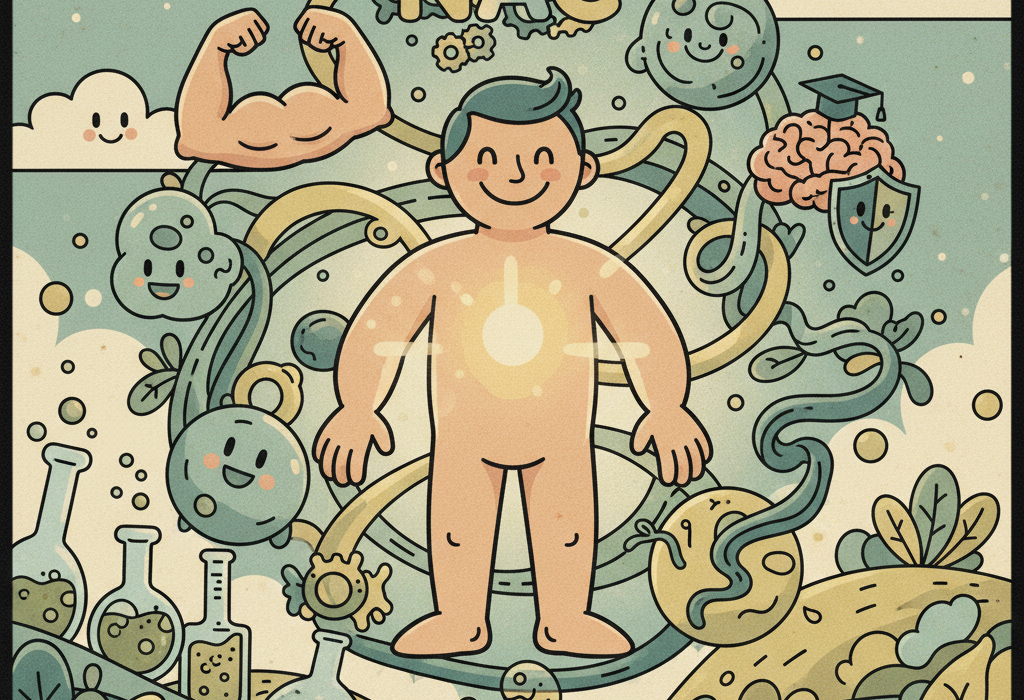
Imagine your body is a busy house. Over time, normal daily activities create trash and dust; in your body, this “trash” is called oxidative stress. Your body has a master cleaning crew to handle this mess, a molecule called Glutathione (gloo-tuh-THIGH-own).

However, your body cannot make enough glutathione if it runs out of raw materials. This is where N-acetyl cysteine (en-uh-SEE-tul SIS-teen), or NAC, comes in. NAC is a supplement form of cysteine, an amino acid that serves as a critical building block for glutathione.
For decades, doctors have used NAC in emergency rooms to save livers from drug overdoses. Recently, however, researchers have begun testing it for everything from mental health to aging. While the results are promising, new research also suggests that indiscriminately boosting antioxidants might have a dark side.
The Liver’s Emergency Brake
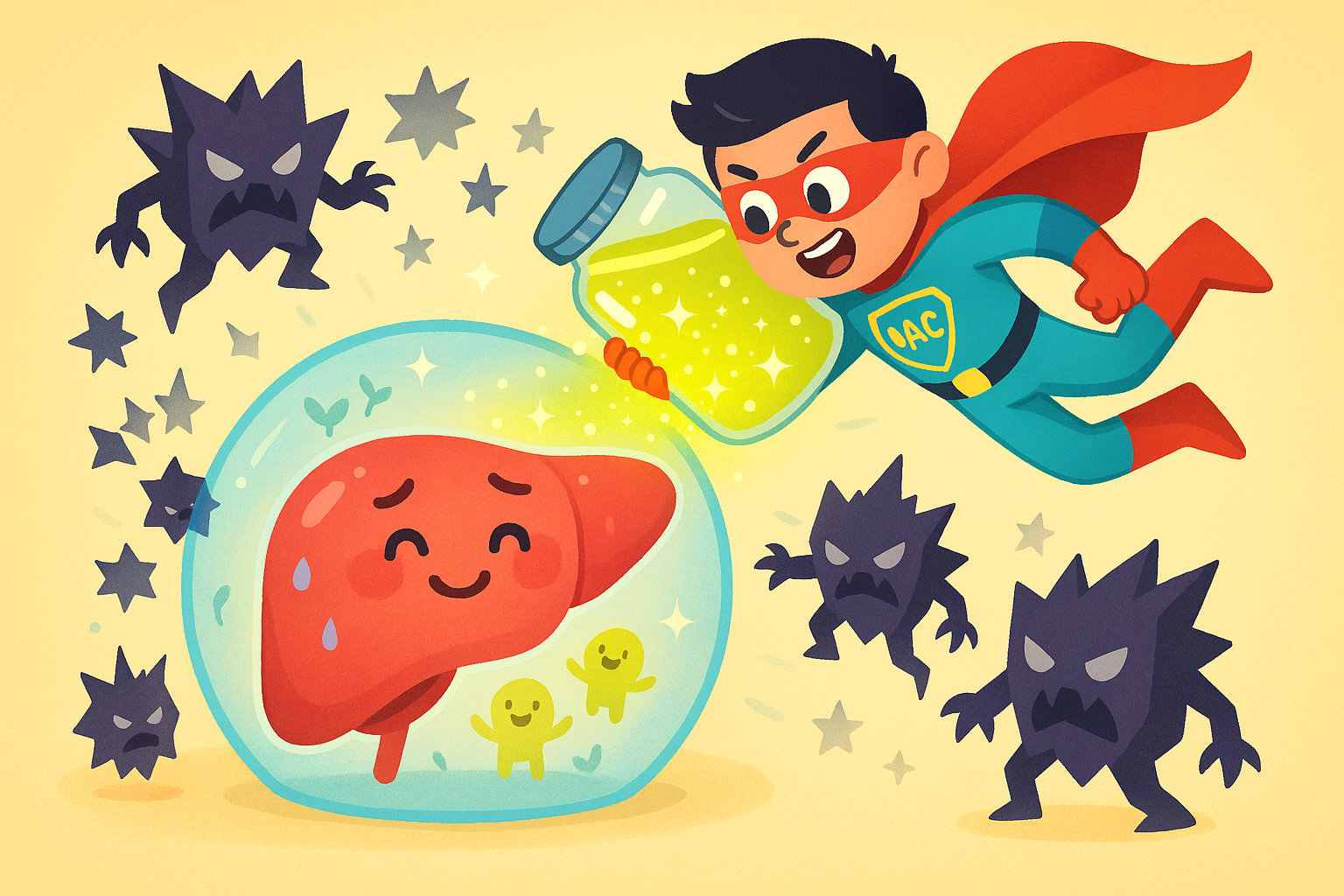
The most proven use of NAC is in the emergency room. When someone takes too much acetaminophen (Tylenol), their liver converts the drug into a toxic byproduct that depletes glutathione. Once glutathione is gone, the liver cells begin to die.
Doctors use NAC to rapidly restock glutathione levels, neutralizing the toxin before permanent damage occurs. A review of acetaminophen poisoning confirms that NAC is highly effective at preventing liver failure and death if administered within 8 to 10 hours of an overdose. It works so well that it is considered the standard of care.
Interestingly, NAC may also help liver failure not caused by acetaminophen. A study in Gastroenterology found that giving intravenous NAC to patients with early-stage non-drug-related acute liver failure improved their chances of surviving without needing a liver transplant. However, a 2022 review noted that while the science is promising, results can be mixed depending on how sick the patient is.
Can NAC Slow Down Aging?
As we get older, our bodies get worse at making glutathione. This leads to higher oxidative stress, mitochondrial dysfunction (weak batteries in our cells), and inflammation.
Recent research suggests that combining NAC with glycine (another amino acid) might help reverse some of these issues. This combination is often called “GlyNAC.”
- Restoring Youthful Levels: A randomized clinical trial in 2023 compared older adults to young adults. The older adults had severe glutathione deficiency and high oxidative stress. After taking GlyNAC for 16 weeks, their glutathione levels were restored to youthful levels, and they saw improvements in muscle strength, walking speed, and inflammation.
- Cognitive and Metabolic Health: An earlier pilot trial in 2021 found that GlyNAC supplementation improved insulin resistance, endothelial function (blood vessel health), and even cognitive scores in older adults.
Related: Can Supplements Slow Down Your Liver’s Aging Clock?
NAC and Mental Health
The brain is highly sensitive to inflammation and oxidative stress. NAC is unique because it can help regulate glutamate (GLOO-tuh-mate), a neurotransmitter that excites brain cells. Too much glutamate can cause brain cells to become overstimulated and die.
Depression and Bipolar Disorder
Research suggests NAC may help with depressive symptoms. A review in The Proceedings of the Nutrition Society highlighted NAC as a promising adjunctive therapy (a treatment used alongside standard medication) for depression and bipolar disorder.
A 2020 review focused on treatment-resistant depression found that NAC might improve symptoms by modulating inflammation and protecting neurons. However, it is rarely a cure-all on its own; it is almost always studied as an add-on to other treatments.
Obsessive-Compulsive Disorder (OCD)
Because NAC helps regulate glutamate levels, it has been tested for disorders involving compulsive behaviors. A review in Current Pharmaceutical Design suggested that NAC is a safe option that may help improve symptoms in patients with treatment-resistant OCD, likely by calming down overactive brain signaling pathways.
The Cancer Paradox: A Critical Warning
For years, people believed that because antioxidants protect cells from damage, they must prevent cancer. New science shows it is not that simple.
A 2025 study in EMBO Molecular Medicine highlights a “core tension” in antioxidant research. While antioxidants like NAC protect healthy cells, they also protect cancer cells.
- The Risk: The study notes that in certain cancers, such as lung cancer or melanoma, antioxidants can actually accelerate tumor growth and metastasis (spreading). The antioxidants protect the cancer cells from the oxidative stress that would normally kill them or keep them in check.
- The Benefit: In other specific contexts, such as certain lymphomas, NAC might slow progression.
The Bottom Line: If you have active cancer or a high risk of cancer (like heavy smokers), indiscriminate use of high-dose antioxidants like NAC could be dangerous.
Who Benefits or Needs Caution?
| Condition | Potential Benefit | Source |
|---|---|---|
| Endometriosis | High. A study found NAC reduced cyst size, pain, and NSAID use, while improving pregnancy rates. | PMID 36981595 |
| Aging | High. When combined with glycine (GlyNAC), it improves strength and metabolic health. | PMID 35975308 |
| Acetaminophen Overdose | Very High. This is the standard medical antidote. | PMID 22998987 |
| Athletic Performance | Low/None. NAC did not improve performance in well-trained cyclists. | PMID 31030296 |
| Active Cancer | Caution. May accelerate growth of existing tumors by protecting cancer cells. | PMID 40646353 |
Other Potential Uses
Endometriosis
Endometriosis is a painful condition where tissue similar to the lining of the uterus grows outside it. It is driven by inflammation. A 2023 study followed 120 women with endometriosis who took NAC for three months. The results were impressive: patients reported less pain, used fewer painkillers, and saw a reduction in the size of ovarian cysts (endometriomas). Among those trying to conceive, 39 out of 52 successfully became pregnant.
Psychiatric Disorders
A comprehensive review in CNS Drugs looked at NAC for various psychiatric conditions. They found the strongest evidence for its use in treating the negative symptoms of schizophrenia (like social withdrawal) and substance use disorders. Evidence for autism and anxiety was mixed or weak.
Related: How Brain Inflammation Drives Parkinson’s Disease
Where the Science Is Uncertain
Sports Performance:
Many athletes take antioxidants hoping to recover faster. However, a study on well-trained cyclists showed that NAC did not improve performance or recovery during repeated intense cycling bouts. The body’s natural stress response to exercise is actually necessary for muscle growth and adaptation; suppressing it with antioxidants might not be helpful.
Meningitis:
In a mouse study on pneumococcal meningitis, NAC slightly reduced hearing loss but did not improve other neurological outcomes, making its benefit for this condition questionable.
The Bottom Line
NAC is a powerful tool, not a daily multivitamin to take without thought. It is undeniably effective for protecting the liver from acute toxicity and shows great promise for healthy aging and endometriosis. However, its ability to protect cells works both ways: it protects healthy cells from aging, but it may also protect cancer cells from dying.

If you are healthy and older, GlyNAC (Glycine + NAC) appears to be a strong intervention for metabolic health. If you have a history of cancer, you should consult an oncologist before using NAC.
Quick Reference: Key Studies
| Study Focus | Key Finding | Source |
|---|---|---|
| Cancer Risk | Antioxidants like NAC can accelerate lung cancer and melanoma metastasis. | PMID 40646353 |
| Aging (GlyNAC) | GlyNAC supplementation improved inflammation, strength, and glutathione levels in older adults. | PMID 35975308 |
| Endometriosis | NAC reduced pain, cyst size, and improved fertility in women with endometriosis. | PMID 36981595 |
| Mental Health | NAC shows promise for schizophrenia, depression, and OCD but results are mixed. | PMID 35316513 |
| Liver Failure | NAC improves transplant-free survival in non-acetaminophen liver failure. | PMID 19524577 |
| Cycling | NAC did not improve performance or recovery in trained cyclists. | PMID 31030296 |
Last updated: February 2026
This article synthesizes findings from peer-reviewed research. It is for educational purposes only and does not constitute medical advice. Consult a healthcare provider before starting any new regimen.

Leave a Reply