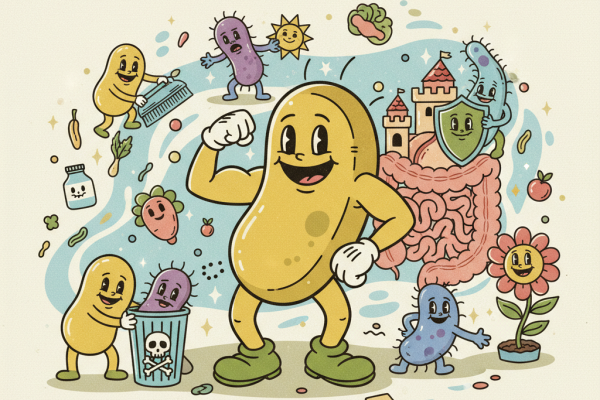
What Science Actually Says About the Health Benefits of Probiotics
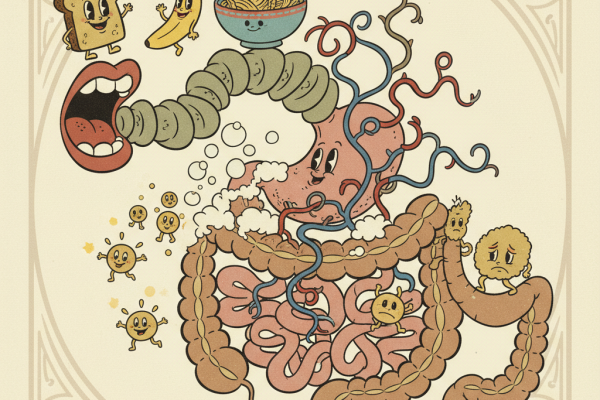
Probiotics are widely popular, but do they actually work? We break down the latest science on how these microscopic organisms impact digestion, heart health, mood, and immunity.
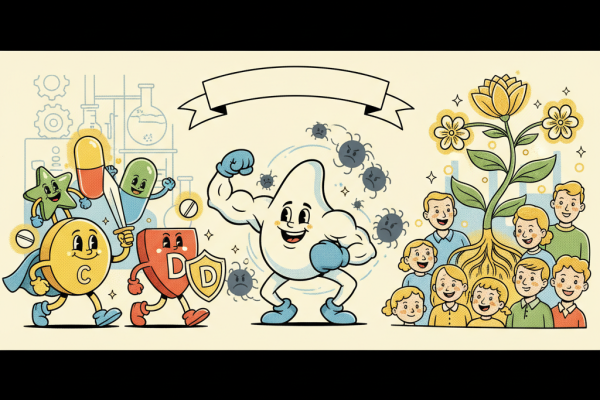
Vitamins are essential for a healthy immune system, but how do they actually work? Explore what the latest research says about vitamins C, D, A, and others in fighting infections and regulating immunity.
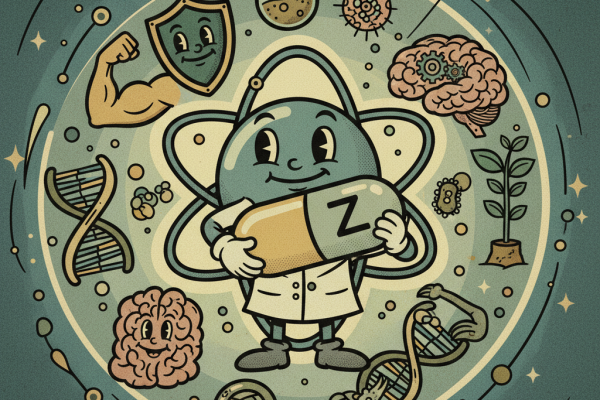
Zinc is a vital mineral that supports immune function, blood sugar regulation, and cell growth. While it offers significant benefits for people with deficiencies, diabetes, or specific infections, research shows it is not a cure-all for everyone.
Parkinson's disease involves more than the loss of dopamine-producing brain cells. A 2021 review reveals a specific inflammatory chain reaction where clumped alpha-synuclein protein triggers the brain's immune cells to release damaging chemicals, creating a vicious cycle. Scientists are now exploring ways to break this cycle at multiple points.
Growth hormone secretagogues affect more than just height. Recent research explores how the ghrelin signaling system influences childhood growth treatment, brain health in Alzheimer's disease, and immune system inflammation.
Not all nutrient forms are absorbed equally. A 2025 review of vitamin C supplements found that alternative forms like calcium ascorbate and liposomal vitamin C can deliver more of the vitamin to immune cells than standard ascorbic acid. Meanwhile, research on plant polyphenols shows that gut bacteria and dietary fiber play a crucial role in unlocking their health benefits.
Infection prevention goes far beyond washing your hands. Discover how science is upgrading vaccines, changing how doctors clean their tools, and finding new ways to protect our immune systems.