The Science of Balance Training for Fall Prevention: What Actually Works
One in three older adults falls each year. Discover what the latest science says about the most effective exercises to improve balance, build strength, and prevent falls.
For decades, the standard advice for low back pain was bed rest. Today, science shows that lifting weights and strengthening your muscles might be the most effective way to find lasting relief.
Starting a weight training routine does not require lifting heavy weights to failure or following a rigid schedule. Discover what sports science says about the safest and most effective ways for beginners to build strength.
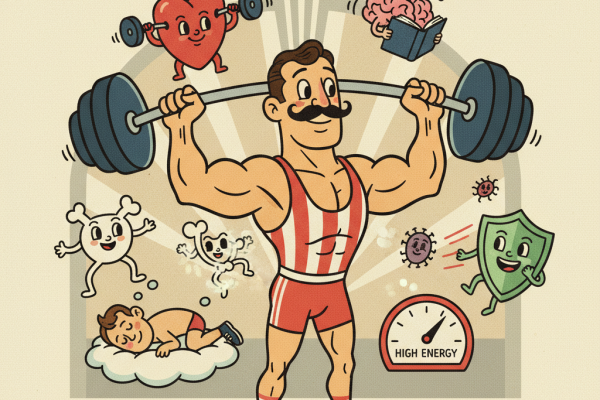
Weight training does much more than build visible muscle. Peer-reviewed research shows that lifting weights can improve hormone levels, shrink waistlines, protect against age-related decline, and lower your overall risk of mortality.
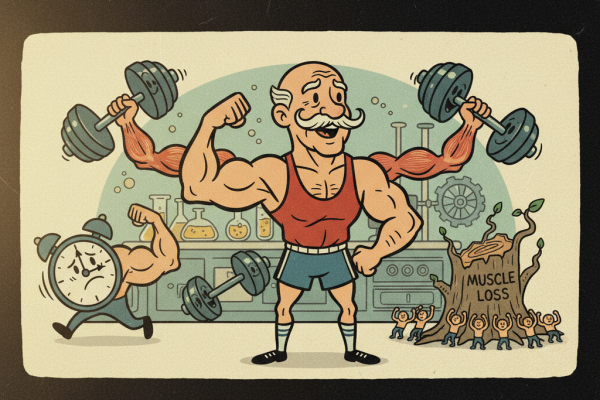
Age-related muscle loss is common, but it is not entirely inevitable. Research shows that a combination of resistance training and optimized protein intake can help preserve your strength and independence as you age.
Blood flow restriction training uses inflatable cuffs and light weights to try to build muscle without heavy loads. Recent studies show it works about as well as standard rehab or heavy lifting, but not better. It may be most useful when heavier exercise is not an option.
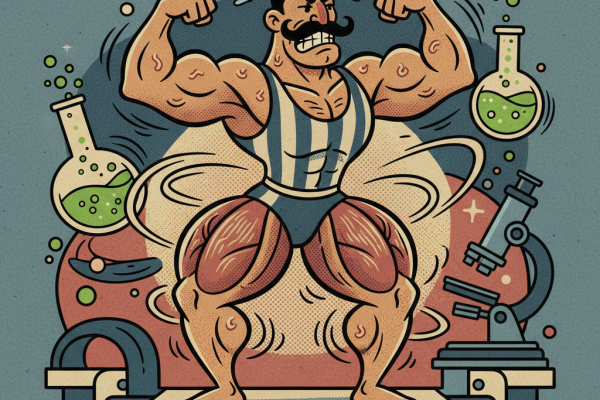
Your quadriceps are four separate muscles that require thoughtful training to grow. Research points to full range of motion, a mix of compound and isolation exercises, adequate weekly volume, and progressive overload as the key drivers of quad hypertrophy.
Two recent studies examined whether training muscles in a stretched position produces more growth. For the hamstrings, the answer was a clear yes. For the biceps, the two positions produced nearly identical results. The difference may come down to how much each muscle's working length actually changes.
A 2024 study found that taking a full week off from training in the middle of a 9-week program didn't help or hurt muscle growth in trained young adults. However, continuous training produced better strength gains than including a deload week.
A 2025 study found that dumbbell and cable lateral raises produce identical lateral deltoid growth in trained lifters. Meanwhile, research on elbow angle suggests keeping your arm straighter may increase muscle activation. Here is what the evidence means for your shoulder training.