
Imagine living in a house where the floor plan slowly changes every day. Doors lead to different rooms, light switches stop working, and familiar spaces feel strange. This is often what it feels like for someone living with dementia. But it is also what life feels like for the person caring for them.
Millions of people worldwide act as informal, unpaid caregivers for family members or friends with dementia. While this role is driven by deep love and dedication, research clearly shows that caring for someone with dementia is distinctly more physically and emotionally demanding than other types of caregiving.
This article translates the latest scientific research on dementia caregiving. It explores how this role affects sleep, stress, and work, why people choose to do it, and what types of support actually make a difference.
How Does Dementia Caregiving Affect Mental and Physical Health?
Caring for an aging adult always comes with challenges. However, studies consistently show that caring for someone with dementia brings a unique set of hurdles.
The Emotional Toll and “Anticipatory Grief”
One of the most complex emotional experiences for dementia caregivers is a concept scientists call anticipatory grief (an-TIS-uh-puh-tor-ee greef). This is the experience of mourning the loss of a person even while they are still physically alive.

According to a 2025 study in the Journal of medical Internet research that analyzed the experiences of Alzheimer’s care partners, this “living bereavement” is a central theme. As the disease progresses, caregivers watch their loved one’s memory and personality fade. This creates a confusing emotional state where caregivers feel relief when a difficult day ends, but immense sadness that the person they knew is slipping away.
Researchers call this the “unity-division paradox.” A 2019 study in the International journal of older people nursing found that caregivers often feel their own identity dissolving into a joint “we” as they take over more tasks for their loved one. Yet, at the same time, they feel deeply isolated and divided from their friends, their hobbies, and even the person they are caring for due to communication barriers.
Sleep Disruption
It is not just the mind that suffers; the body takes a hit, particularly when it comes to rest. A 2024 study in Aging & mental health compared caregivers of people with dementia to caregivers of people without dementia. The researchers found that dementia caregivers had 23% lower odds of reporting good or excellent sleep.
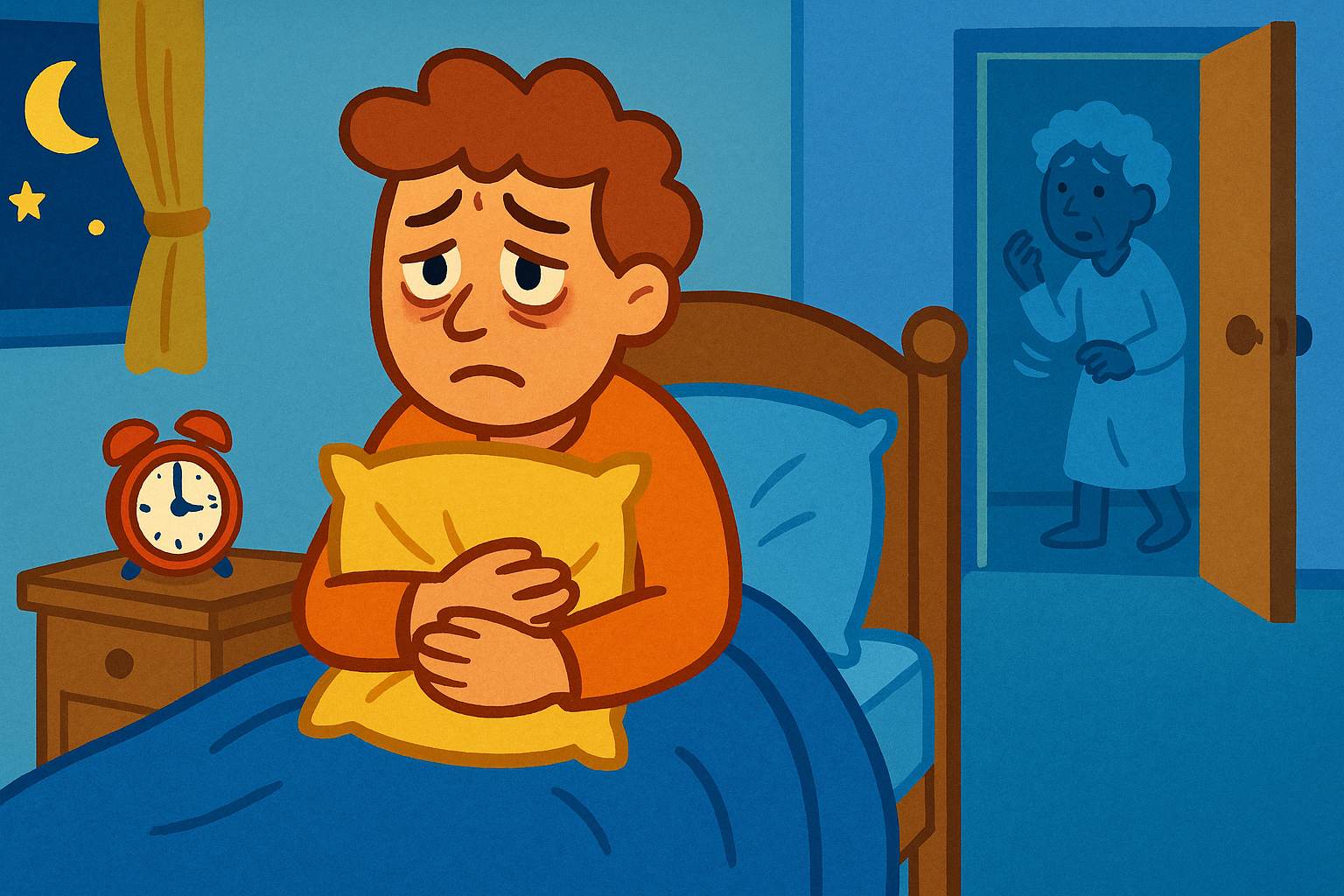
This sleep disruption is often due to the unpredictable nature of dementia, which can cause care recipients to wander or become agitated at night. Interestingly, the study noted that caregivers who felt a strong, positive bond with the person they were caring for tended to sleep better, suggesting that relationship quality acts as a buffer against physical stress.
Related: Ashwagandha: The Ancient Stress-Reliever That Science Is Finally Catching Up With
How Does Caregiving Impact Work and Finances?
Many dementia caregivers are also juggling full-time or part-time jobs. The strain of managing both worlds can be severe.
A 2022 study in Aging & mental health looked at employees who were also informal caregivers. The researchers divided the caregivers into groups based on how demanding their care recipient’s needs were. They found that employees caring for people with moderate-to-high dementia demands experienced significantly more absenteeism, job-caregiving conflict, and role overload than those caring for older adults without dementia. Despite these pressures, many caregivers try to maintain their normal working hours, which often leads to emotional exhaustion.
Finances also play a major role in caregiver stress. A 2024 study in The Gerontologist focused on Latino family caregivers, a group that historically spends a larger percentage of their income on caregiving. The research highlighted that cultural preferences to care for family members at home can clash with the high out-of-pocket costs of dementia care, leading to intense psychological distress and sleepless nights over financial worries.
What Motivates People to Become Caregivers?
Given the physical, emotional, and financial costs, why do so many people take on this role?
A 2019 review in BMC geriatrics analyzed 26 qualitative studies to understand caregiver motivations. The findings were remarkably consistent across different genders, relationships, and cultures. The primary motivations include:
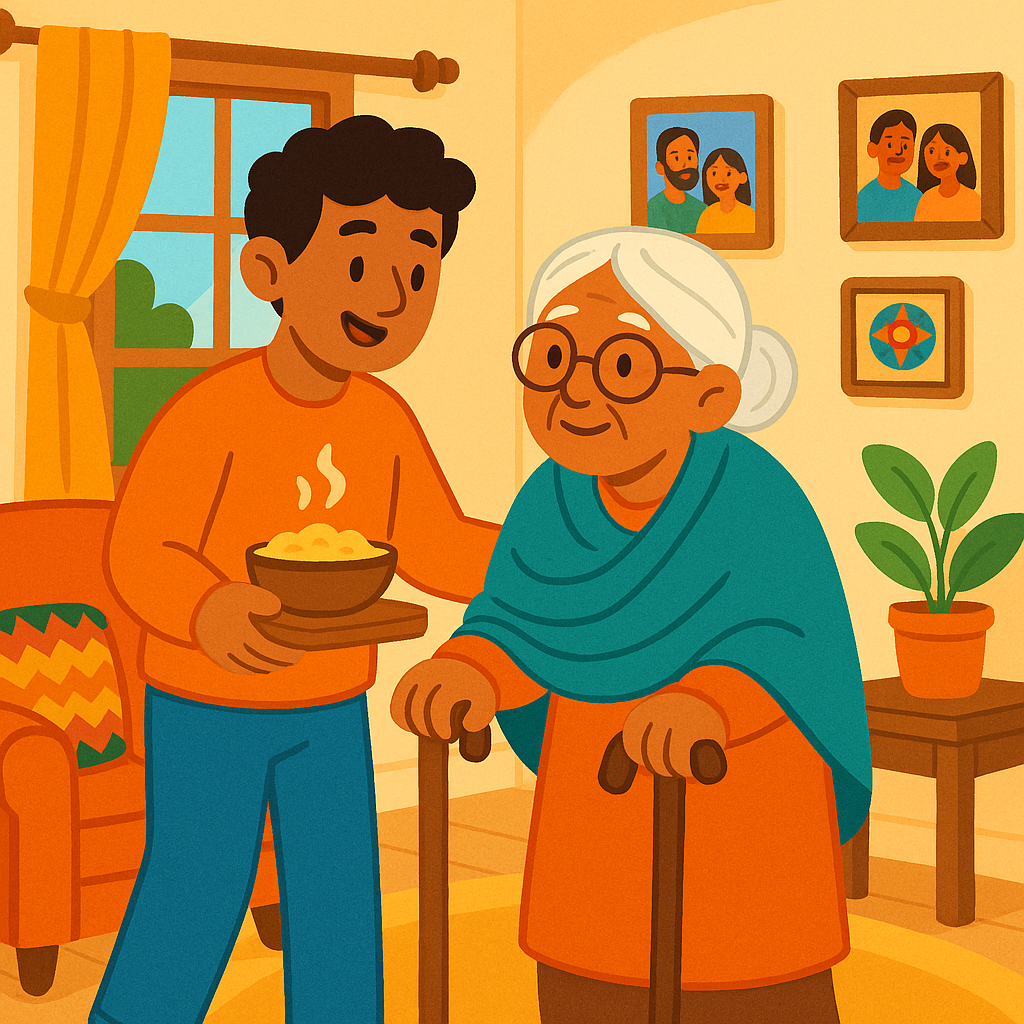
- Love and Reciprocity: Many spouses and adult children view caregiving as a natural way to give back the love and care they received earlier in life.
- Filial Piety (FILL-ee-uhl PIE-uh-tee): A strong cultural or religious sense of duty and respect for one’s parents or elders.
- Avoiding Institutional Care: A strong desire to keep the loved one out of a nursing home, sometimes driven by distrust of formal care facilities or a sense of family obligation.
While the sense of duty is universal, the review noted that caregivers who focused on the positive aspects of their role, such as personal growth and honoring a lifelong bond, tended to experience slightly better mental well-being.
Does Support Like Respite Care Actually Work?
With so much burden placed on caregivers, health systems frequently recommend support services. But what does the science say about their effectiveness?
Respite Care
Respite care involves bringing in a temporary substitute caregiver so the primary caregiver can take a break. It is widely recommended, but the scientific evidence is surprisingly mixed.
A 2014 review in The Cochrane database of systematic reviews looked at multiple trials of respite care for dementia. The researchers concluded that the current evidence is of very low quality and does not definitively prove that respite care improves caregiver mental health or delays nursing home placement. This does not mean respite care is useless; rather, it highlights that poorly designed studies make it hard for scientists to prove its exact benefits. Many caregivers report feeling guilty when using respite care, which might cancel out some of the stress-relief benefits.
Support Groups and Education
Group interventions are another common tool. A 2022 review in Innovation in aging examined cognitive behavioral therapy (CBT), psycho-educational classes, and traditional support groups for dementia caregivers.
When researchers used strict numerical surveys to measure stress reduction, the results were inconsistent. However, when researchers actually interviewed the caregivers, the feedback was overwhelmingly positive. Caregivers reported that support groups made them feel less alone, validated their frustrations, and gave them practical tools to handle daily challenges. This suggests that standard medical surveys might fail to capture the true value of human connection.
Who Needs Extra Caution or Tailored Support?
The research highlights that certain caregiving situations require highly specialized approaches.
Dementia and Learning Disabilities
People with learning disabilities, particularly Down syndrome, have a much higher risk of developing dementia as they age. A 2024 review in Dementia explored the unique challenges these caregivers face.
A major issue is overshadowing (oh-ver-SHAD-oh-ing). This happens when doctors or caregivers mistakenly assume that a change in behavior is just part of the person’s learning disability, rather than recognizing it as an early sign of dementia. Caregivers in this group desperately need specific training to spot the difference and adapt their care strategies.
Language and Cultural Barriers
As dementia progresses, people often lose their second language and revert to their native tongue. A 2016 study in the Journal of cross-cultural gerontology compared nursing staff experiences in a Swedish-speaking group home versus a Finnish-speaking one (caring for Finnish immigrants).
The study found that when caregivers and patients shared a native language, patients were calmer, required less sedative medication, and were less likely to be misdiagnosed as “aggressive.” Culturally familiar food and music also played a massive role in keeping patients grounded, highlighting that care must be culturally tailored to be effective.
End-of-Life and Medication Decisions
As dementia reaches its final stages, caregivers face agonizing choices about medical care. A 2024 study in Osteoporosis International looked at how caregivers make decisions about deprescribing (dee-pre-SKRY-bing), which means stopping medications that may no longer be helpful.
Caregivers often struggled with stopping preventative medications (like bone-strengthening drugs), fearing it meant giving up. However, as swallowing becomes difficult and pill burden increases, stopping non-essential medications can improve comfort. Clear, compassionate communication from doctors is required to help caregivers understand that focusing on comfort is not a failure.
The Bottom Line
Caring for someone with dementia is a monumental task that reshapes a caregiver’s identity, disrupts their sleep, and strains their finances. Science confirms that this role carries a heavier burden than many other forms of caregiving due to the progressive cognitive decline and communication barriers involved.
However, the research also shows incredible resilience. Driven by love, duty, and deep familial bonds, caregivers navigate these challenges daily. To truly support them, society and healthcare systems must offer clear communication, culturally appropriate care, and interventions that focus not just on the patient, but on the well-being of the caregiver holding everything together.
Common Questions About Dementia Caregiving
Why is caring for someone with dementia harder than other illnesses?
Dementia involves progressive cognitive decline, meaning the person loses memory, communication skills, and personality traits. This requires caregivers to constantly adapt to new behaviors, manage wandering or agitation, and mourn the gradual loss of the person they knew, all while providing intense physical care.
Does respite care actually work?
While many caregivers find temporary breaks essential for their sanity, scientific studies show mixed results. Some caregivers experience guilt or find that disrupting the patient’s routine causes more stress later, meaning respite care works best when it is highly personalized and introduced gradually.
How does dementia affect a caregiver’s sleep?
Caregivers often suffer from disrupted sleep because people with dementia may wander, become confused at night, or require bathroom assistance. Research shows dementia caregivers have significantly poorer sleep quality than non-caregivers, which can accelerate their own physical exhaustion.
Quick Reference: Key Studies
| Study Focus | Key Finding | Source |
|---|---|---|
| Emotional impact | Caregivers experience “anticipatory grief” and high emotional distress as the disease progresses. | PMID 39965199 |
| Employee strain | Working caregivers managing high dementia demands face more absenteeism and role overload than other elder caregivers. | PMID 33459037 |
| Sleep quality | Caring for someone with dementia is associated with 23% lower odds of reporting good sleep compared to other caregivers. | PMID 38818868 |
| Caregiver motivation | Across cultures, caregivers are driven by love, reciprocity, filial piety, and a sense of duty. | PMID 31208351 |
| Group interventions | While survey data is mixed, interviews show support groups help caregivers feel less isolated and more validated. | PMID 35542562 |
| Dual diagnosis | Caregivers of people with learning disabilities and dementia need training to prevent “overshadowing” of symptoms. | PMID 38172089 |
| Cultural care | Shared language and cultural traditions significantly reduce patient agitation and improve care quality. | PMID 27287438 |
Last updated: March 2026
This article synthesizes findings from peer-reviewed research. It is for educational purposes only and does not constitute medical advice. Consult a healthcare provider before starting any new regimen.


Leave a Reply